


Why Silk Rugs Shine: Sheen Explained
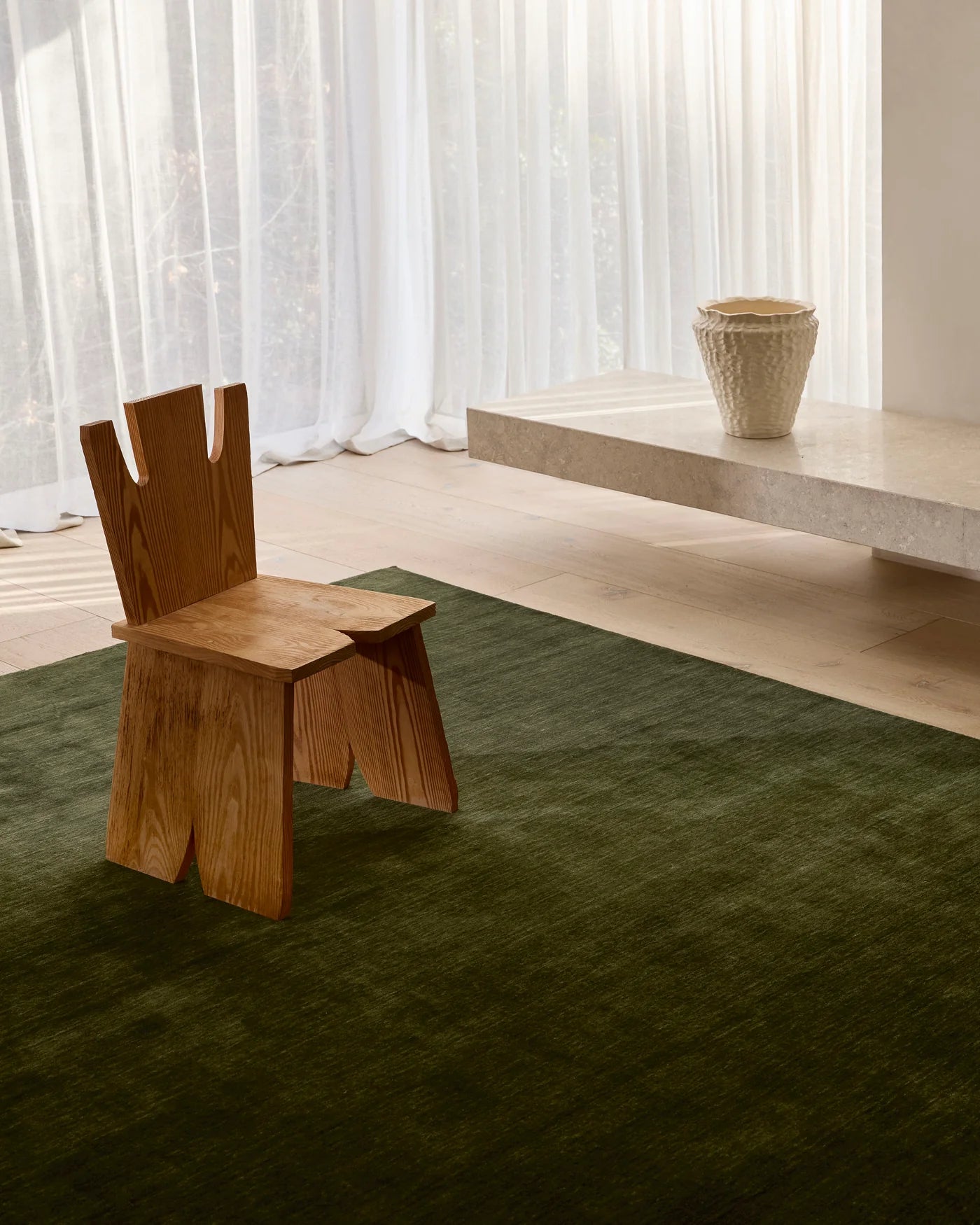
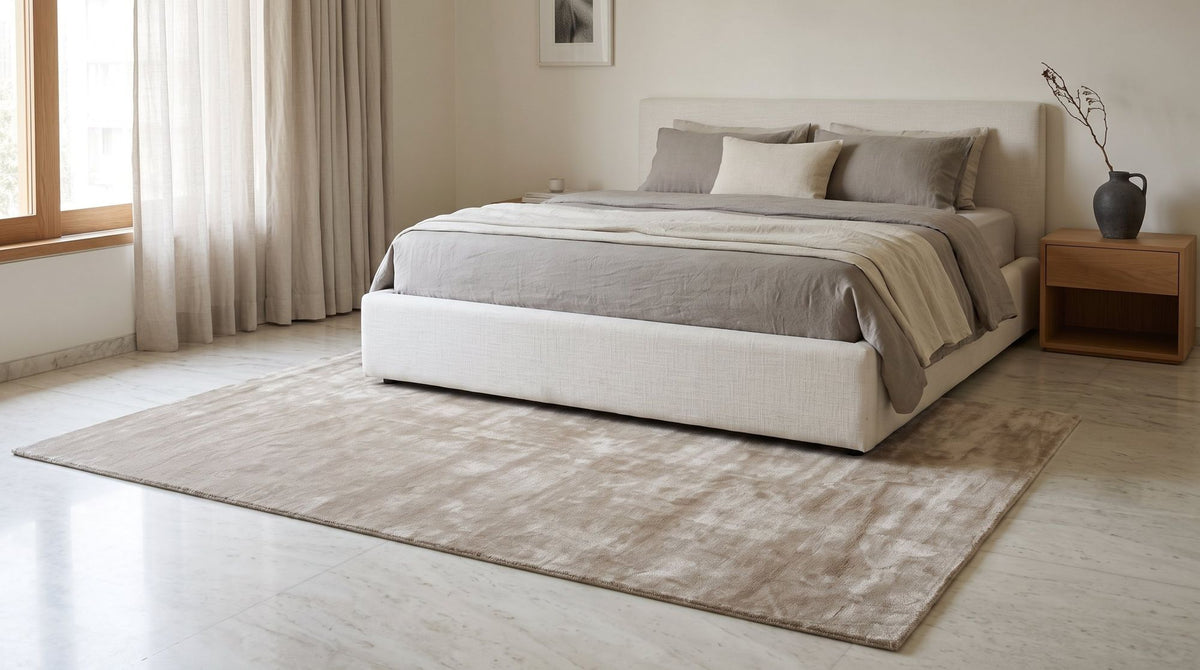
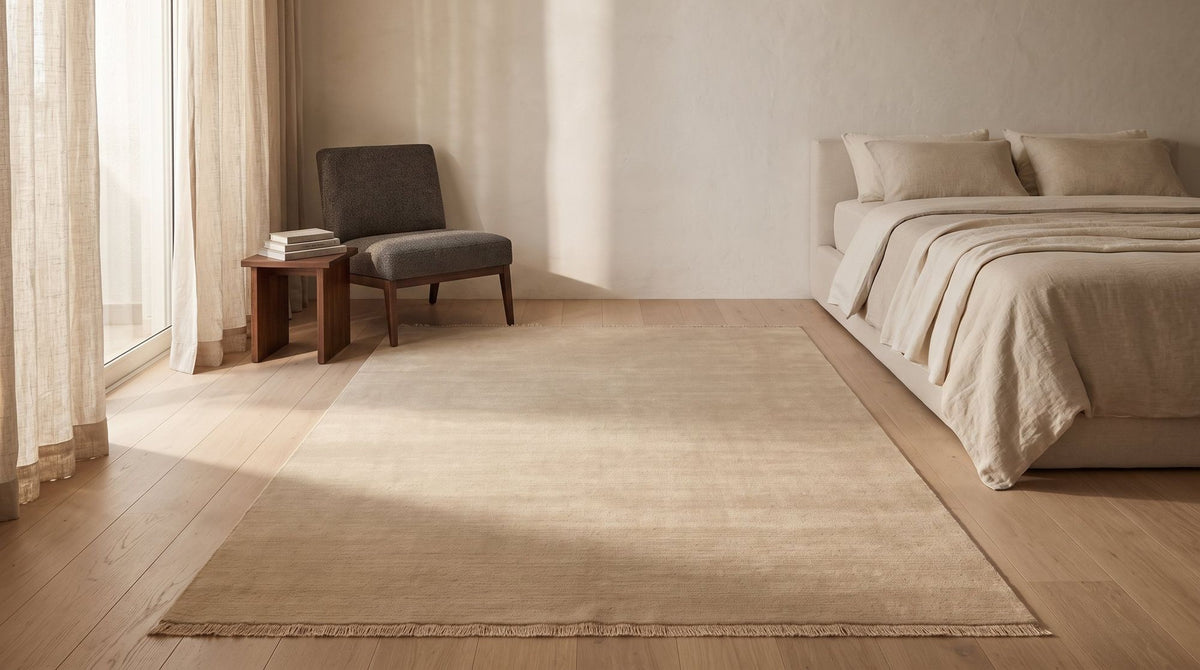
A silk rug shines because silk fibre is smooth and even, so it reflects light in one clear direction instead of scattering it. Lay those fibres in rows of pile and the whole rug catches and releases light as you move.
In short
- Silk rugs shine because the smooth silk fibre reflects light in one direction, while the scaly surface of wool scatters it.
- A silk rug looks lighter and shinier from one end and darker and richer from the other, because of pile direction.
- The same silk rug can look a full shade different in morning daylight and under warm evening lamps.
- Footprints and light and dark patches on a silk rug are shading, not stains, and can be brushed out.
Rugberry sells silk and wool and silk rugs in several finishes, and the sheen is the first thing people notice and the first thing they ask about. Here is what is happening.
What gives a silk rug its sheen?
A silk rug gets its sheen from the fibre surface. Silk is long and smooth, so light falling on it bounces back together, the way it does from a still pond.


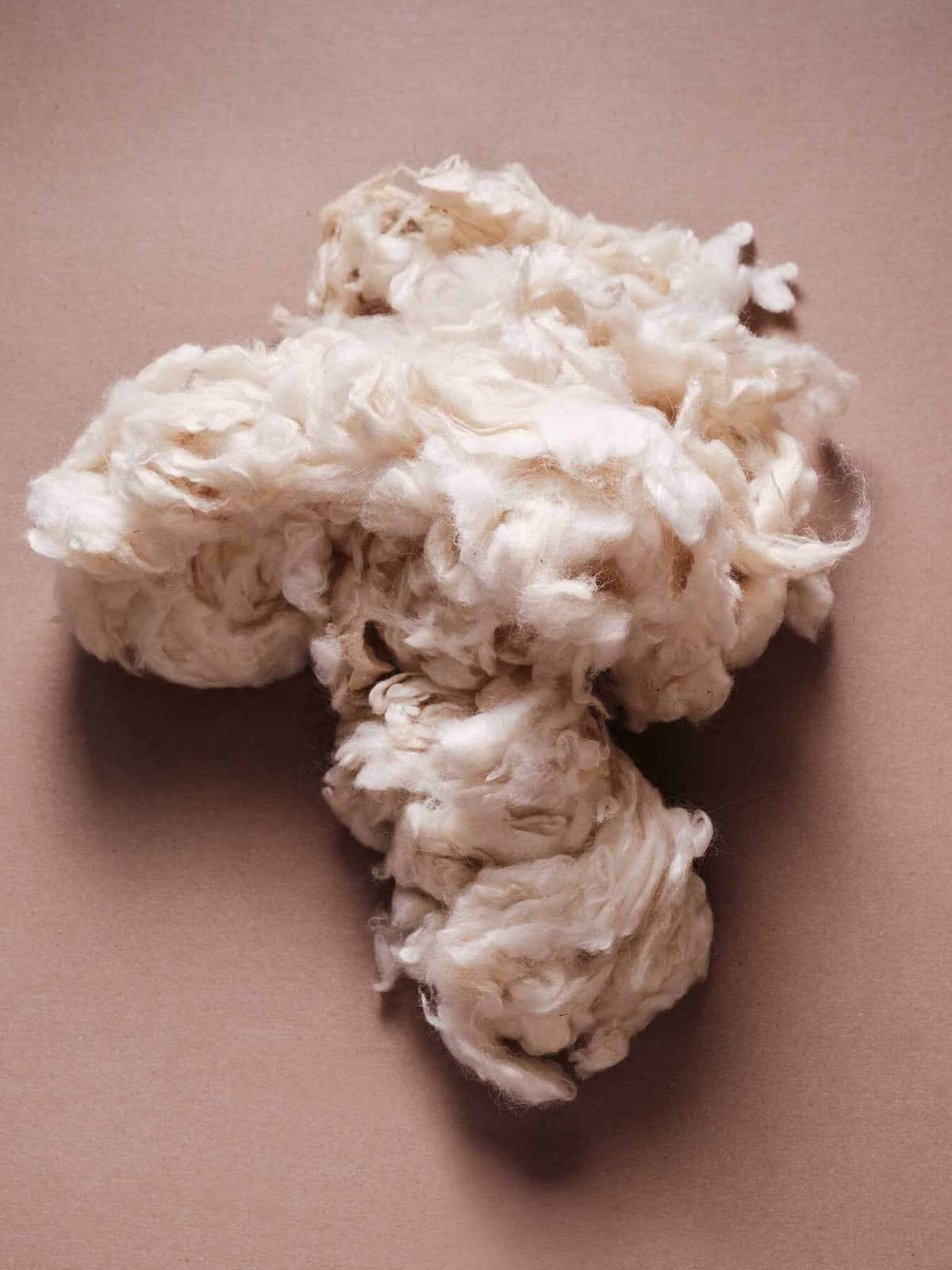
Wool fibre has a surface of tiny overlapping scales, so light hitting it is broken up and scattered. That is why a wool rug looks matt and soft, and a silk rug looks lit from within.
Why the construction changes the shine
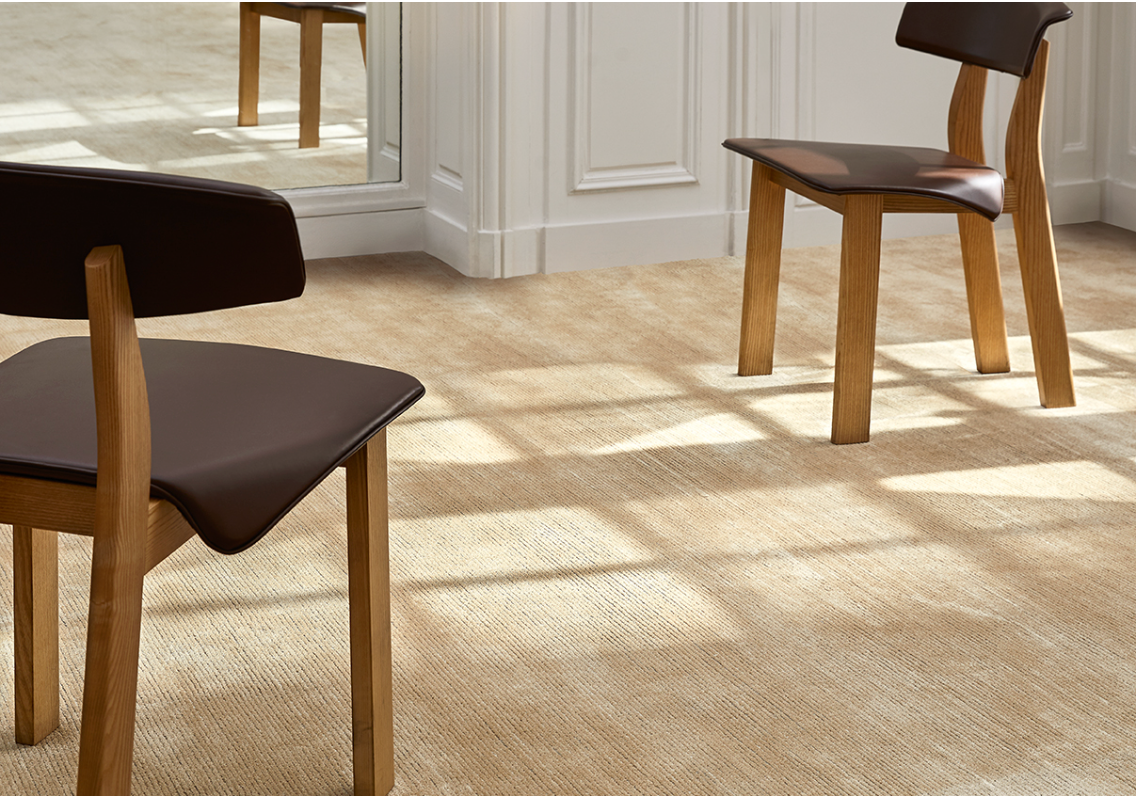
A handloom silk rug with a low, fine surface shows sheen as a smooth glow across the whole face. A hand tufted wool and silk rug shows sheen in strokes, where the silk sits beside matt wool and catches the light against it.
Why does a silk rug look different from each side?
A silk rug looks different from each side because its pile leans slightly one way. Looking along the lean, you see the long sides of the fibres and the rug looks lighter and shinier. Looking into it, you see the cut ends and the rug looks darker and deeper.


This is called pile direction, and every pile rug has it. In wool it is barely noticed. In silk it can look like two different colours.
A simple test: stand at one end of the rug, then walk to the other and look back. If the colour shifts, you have found the pile direction. Place the rug so the view you like best is the one from the sofa or the door.
Silk never shows a single colour. It shows the colour of the light it is given.
How does Indian daylight change a silk rug?
Strong Indian daylight brings out the sheen, and warm evening lamps deepen the colour. The rug you saw at noon and the rug you see at 9 pm can look a shade apart.

- Morning light from the east. Low, soft and bright. Silk looks cool and silvery.
- Afternoon sun from a west window. Hard and white. Sheen is strongest, and pale silk can look almost metallic.
- Evening under warm LED or lamps. The glow softens and the colour reads warmer and richer.
- Cool white tube lights. Sheen flattens a little and greys can look colder.
Before you buy, look at a swatch in the room at the time of day you use it most. A rug for a TV room should be judged at night.
How do the Rugberry silk rugs compare for sheen?
For the strongest, most even sheen, choose a handloom silk rug. For a quieter shimmer, choose wool and silk.


| Rugberry rug | Fibre | Construction | How the sheen reads |
|---|---|---|---|
| Luma Silk Rug / Charcoal | Botanical Silk | Handloom | A surface that holds light and lets it go |
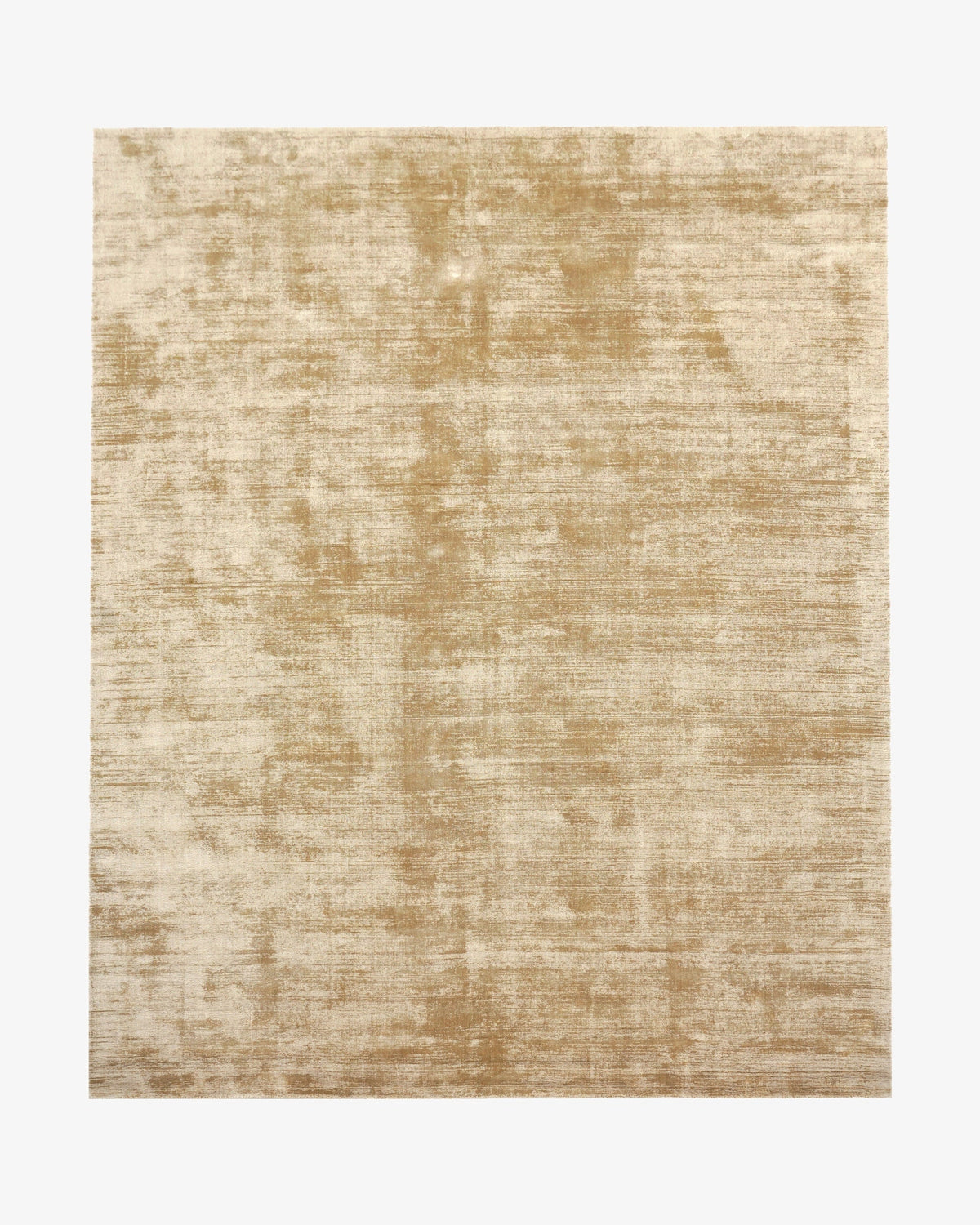
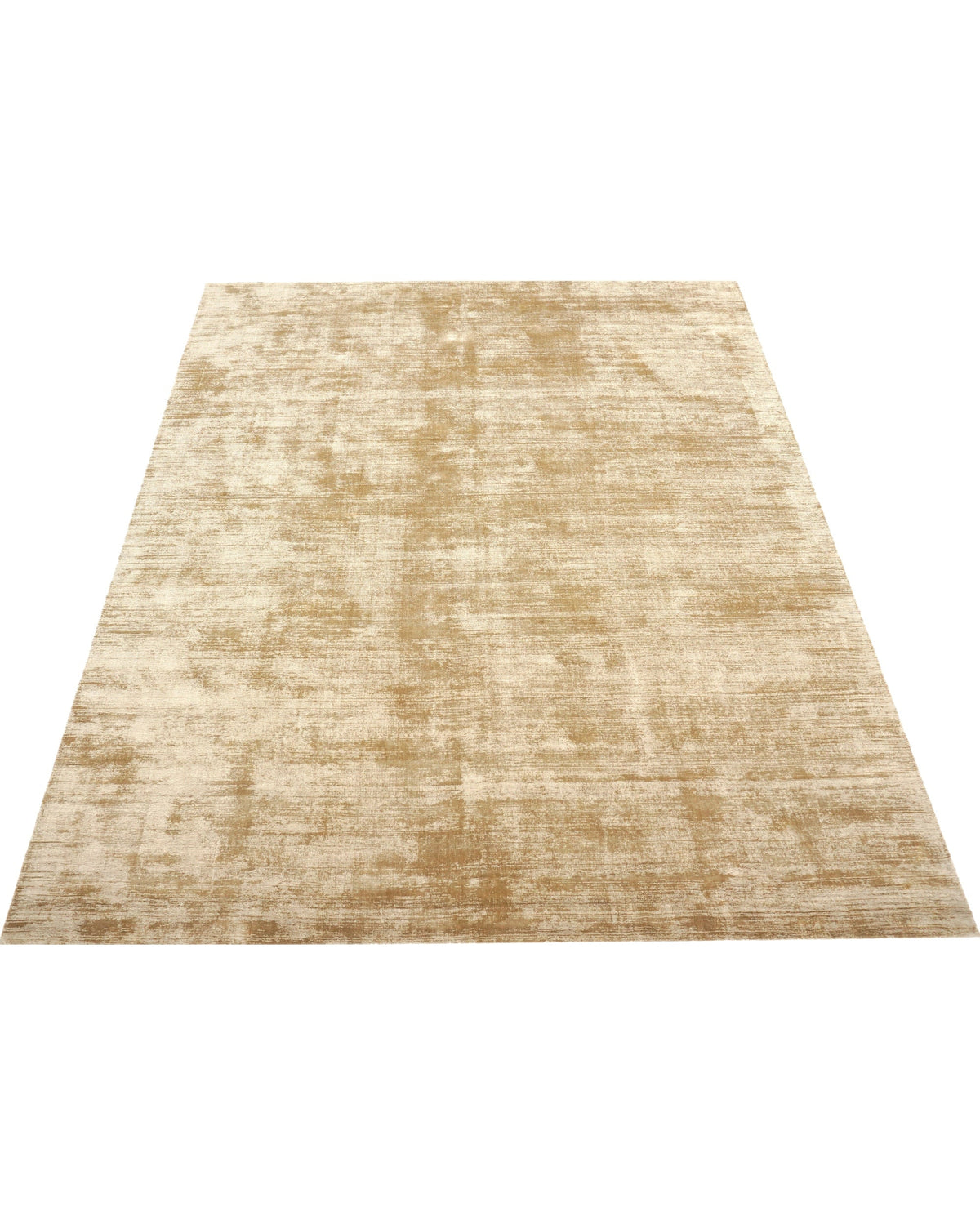
| Nuva Silk Rug / Camel | Botanical Silk | Handloom | Low and fine, deepening and softening as the light turns |
| Cabella Wool & Silk Rug / Frost | Wool and Botanical Silk | Hand tufted | A low sheen that lifts as the light moves |
The Luma Silk Rug in charcoal is the most dramatic: a dark grey that turns almost silver from one side. Luma comes in 5x8, 6x9 and 8x10 ft from about ₹40,000. The Nuva Silk Rug in camel also starts from about ₹40,000 and runs to 12x15 ft. Cabella in frost, from about ₹41,000, is the calmer choice for a family living room.
Why does a silk rug show footprints?
A silk rug shows footprints because walking on it pushes the pile in a new direction, and that patch now reflects light differently from the rest. It is shading, not a mark.
Brush the pile back with your palm or a soft brush in its natural direction and the patch blends in. Over time a silk rug settles into gentle light and dark zones where people walk most, which is part of its character.
Where should a silk rug go in an Indian home?
A silk rug belongs where its sheen will be seen and its surface spared: a formal sitting room, a bedroom, a study. Avoid dining rooms and the main path from the front door.

Silk is finer and less forgiving of spills than wool, and in Rugberry rugs it reads best where light falls across it from a side window. Our guide to the Luma collection looks at the colours in detail, and the full range sits in silk rugs.
Frequently asked questions
Does the sheen of a silk rug fade over time?
The sheen of a silk rug comes from the smoothness of the fibre, so it lasts as long as the fibre is cared for. Heavy traffic and harsh cleaning can roughen the surface and dull it in the busiest spots.
Why does my silk rug look two colours in photos?
The camera sees the rug from one angle, so pile direction makes one end look lighter than the other. Walk round the rug and you will see the same effect in person.
Can sunlight damage a silk rug?
Strong direct sun over many months can fade most dyed fibres, including silk. Use sheer curtains on west facing windows and rotate the rug once or twice a year.
Place silk where the light can find it. Material first.





Leave a comment
This site is protected by hCaptcha and the hCaptcha Privacy Policy and Terms of Service apply.