



A Rug for Griha Pravesh and Housewarming
For a griha pravesh, lay the main rugs after the puja rather than before it, and keep only a low, flat weave where the family sits for the havan. As a housewarming gift, a small, calm rug for the foyer or puja room is easier to place than a large one for the living room.
In short
- Main rugs are best laid the day after a griha pravesh puja, because havan smoke, ghee, kalash water and flower petals all land on the floor during the ceremony.
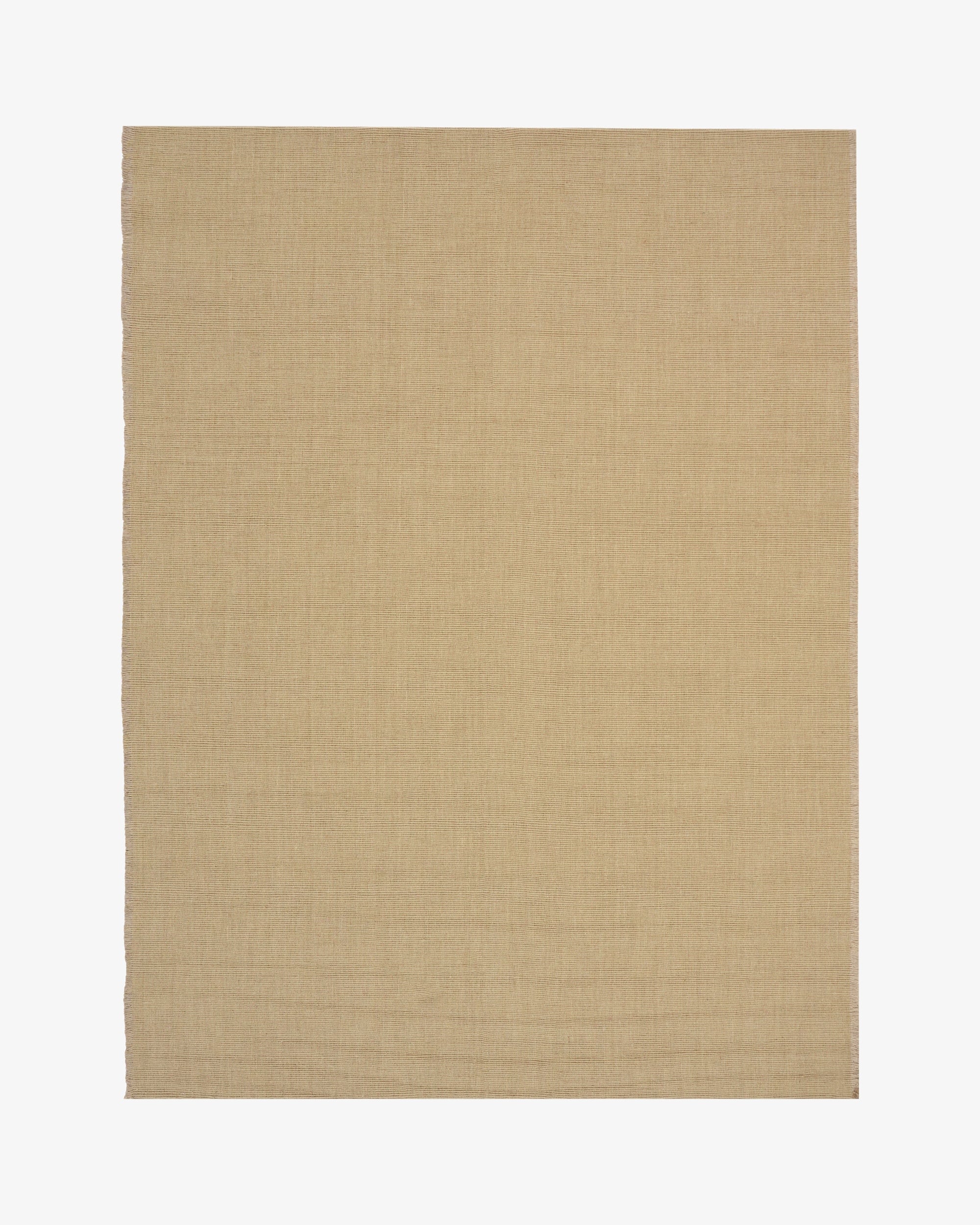
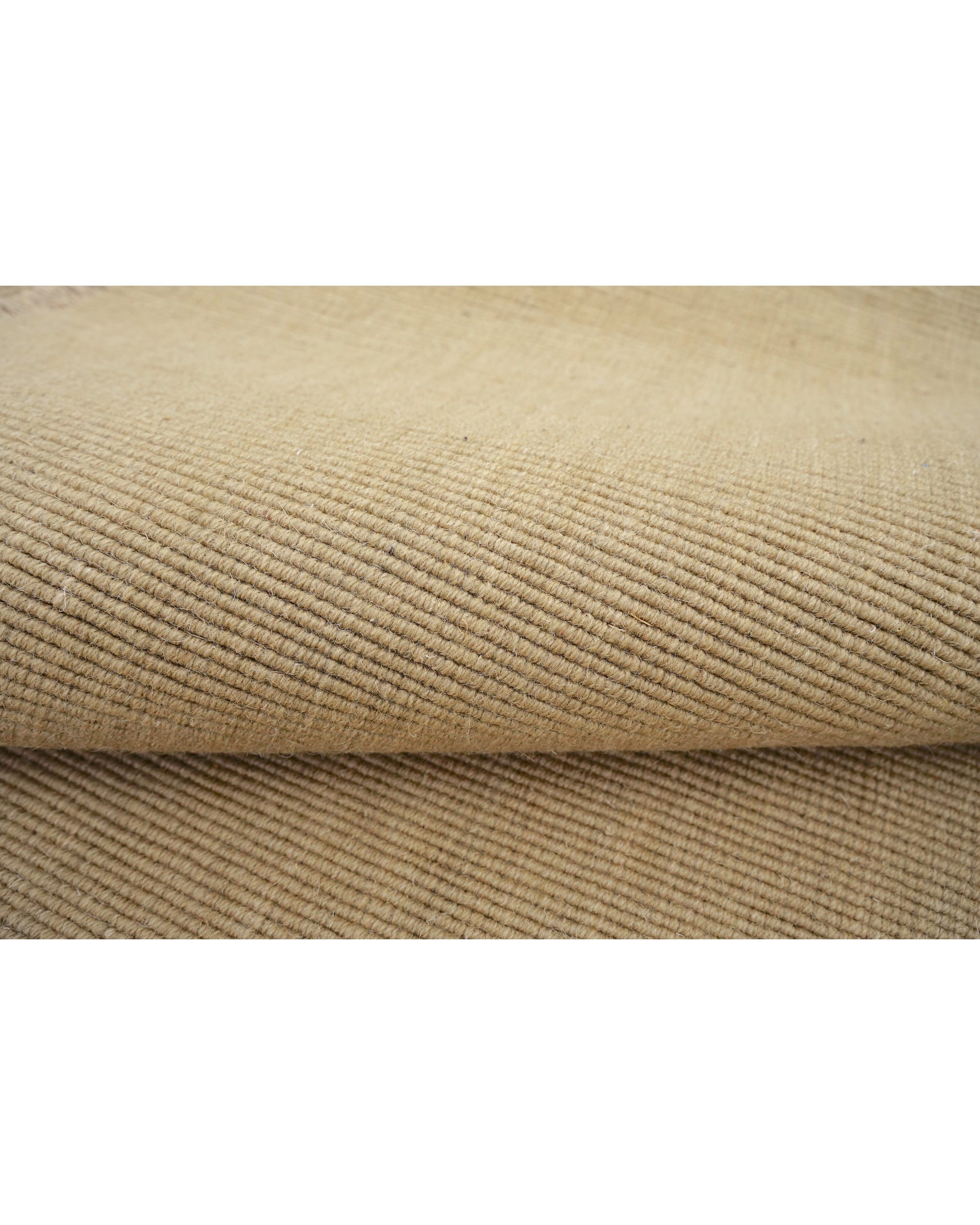
- A low, flat weave such as Rugberry's Cabra Wool & Jute Rug, handloom at 7 to 8 mm, suits floor seating near the puja because it lies flat and is easy to vacuum afterwards.
- A rug for griha pravesh should be at least 3 ft from the havan kund and any diya.
- Rugberry's Grain Wool Rug, handloom New Zealand wool at 12 to 14 mm, makes a calm housewarming gift, with a regular price of ₹37,000 for 5x8 ft ex GST at the time of writing.
Should the rugs be laid before or after the griha pravesh puja?
The main rugs should be laid after the griha pravesh puja, ideally the next day once the house has been swept and aired. The ceremony itself brings fire, ghee, water, rice, flowers, kumkum and a crowd of shoes close to the door, and new rugs are better kept rolled through it.
Many families move furniture in only after the puja anyway. If the sofa and rugs are delivered earlier, keep the rugs rolled and wrapped in a dry room, standing upright or flat, away from the puja area and the kitchen.
The exception is the floor where the family and pandit sit. A clean, flat rug or a durrie there is comfortable for a long ceremony and protects knees from cold marble. Rugberry's guide to rugs for floor seating covers the right height for sitting.
How do you protect rugs on the day of the puja?
You protect rugs on puja day by keeping them clear of the havan, the kalash and the rangoli, and by giving shoes a place outside the main rooms. Most damage on a griha pravesh comes from three things: ghee, kumkum and wet flowers.
| Puja day element | Risk to a rug | What to do |
|---|---|---|
| Havan kund | Sparks, ash and smoke | Keep every rug at least 3 ft away, on bare floor or a metal tray |
| Kalash and water | Water marks, especially on jute and Botanical Silk | Place the kalash on a tray on bare floor |
| Ghee diyas | Oil stains and heat | Diyas on brass plates, never on a rug |
| Kumkum, haldi and rangoli | Strong dyes that bind to wool | Make rangoli on stone, never at the edge of a rug |
| Flowers and garlands | Petal stains when crushed | Sweep petals up before people walk through |
| Shoes of fifty guests | Dust and grit | Shoe area outside, mats inside the door |
If kumkum or haldi lands on a wool rug, lift the powder with a dry spoon and vacuum before anything touches it with water. Rugberry's guide to diyas and rugs has more on heat and ash.
Which rug suits the puja seating?
A low, firm, flat weave suits the puja seating best, because it lies flat for a long sit, gives a little cushion on cold floors and vacuums clean afterwards. The Cabra Wool & Jute Rug in Sand, handloom New Zealand wool and jute at 7 to 8 mm, fits this well.


Its care label asks for one thing: keep it dry. Place the kalash and any water well away from it, and blot a spill at once. The regular price is ₹34,000 for 5x8 ft ex GST at the time of writing, which covers seating for the pandit and four family members.
A puja room rug that stays after the ceremony should be small, about 3x5 ft or 4x6 ft made to measure, and placed so diyas sit on stone in front of it. Rugberry's notes on Vastu and rug placement answer the common questions about direction.
What rug makes a good housewarming gift?
A small, calm rug in a neutral colour makes the best housewarming gift, because it can go in the foyer, a study, the puja room or beside a bed without upsetting the family's plans for the main rooms. A 5x8 ft rug is the most useful size to give.


The Grain Wool Rug in Sandstone is handloom New Zealand wool at 12 to 14 mm, low and closely textured, in a warm sand tone that sits on almost any new floor. It is a gift that looks considered without asking the hosts to rethink a room.
A housewarming rug should fit the home the family is making, not the one the giver imagines.
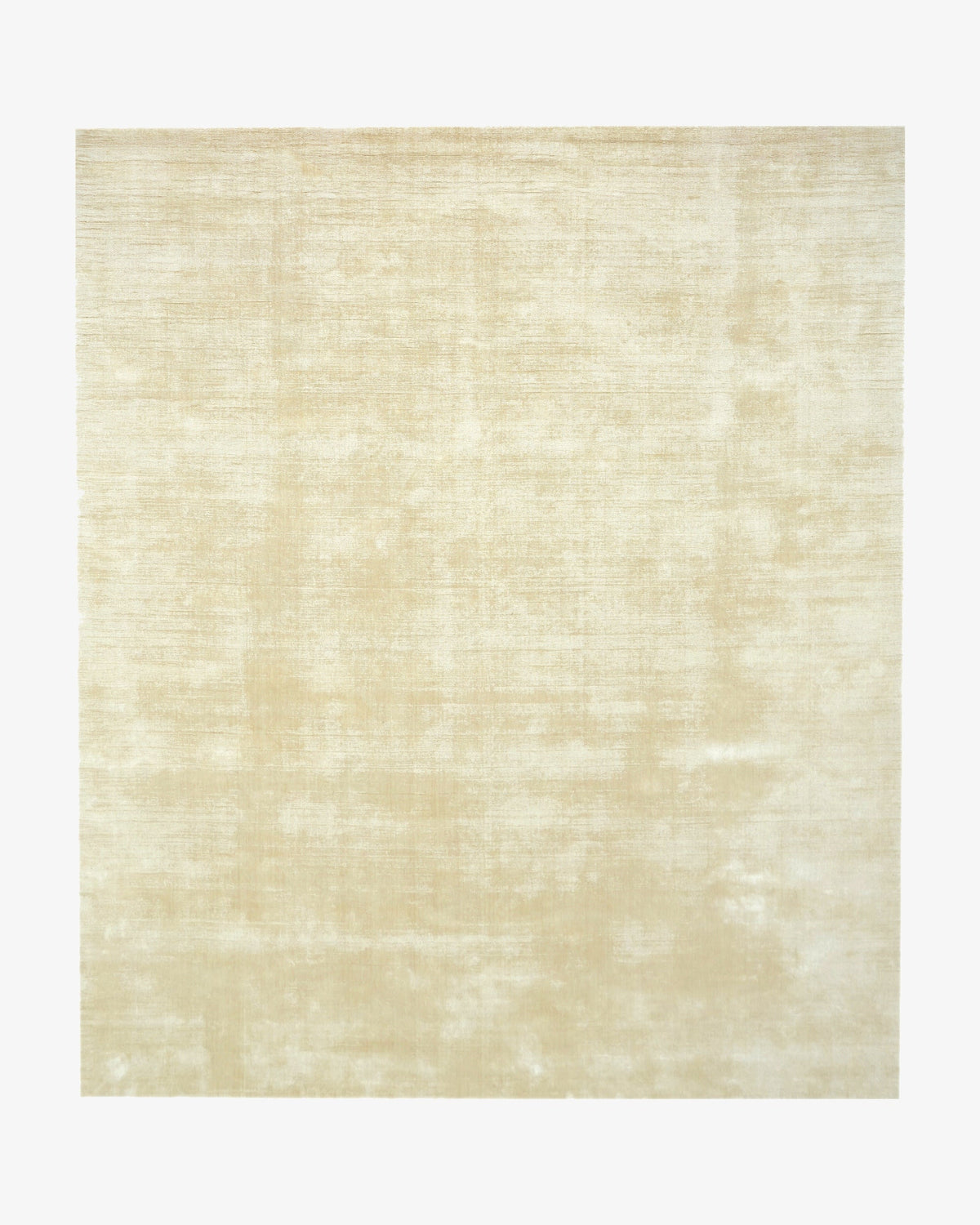
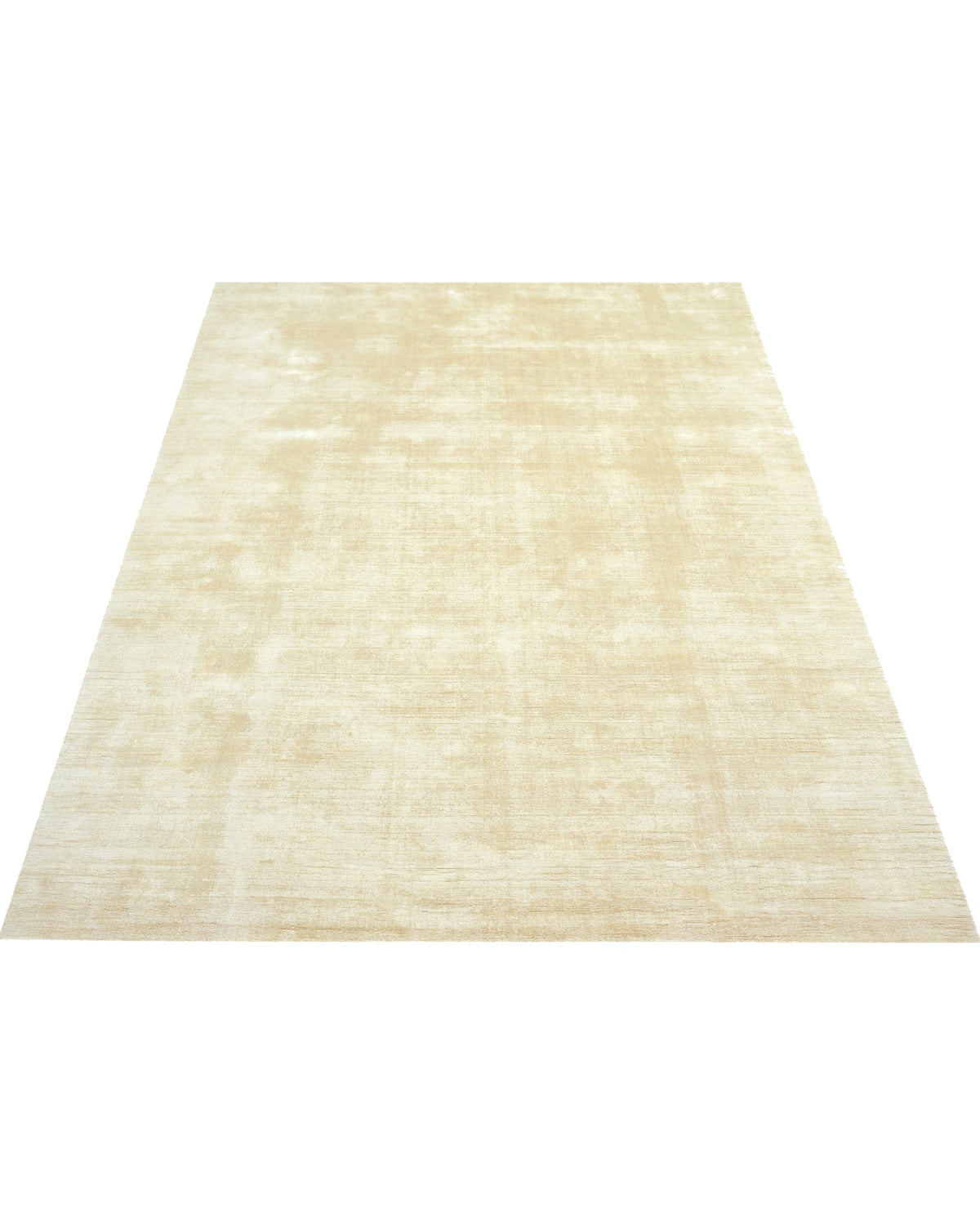
For a family whose taste leans quieter and cooler, the Nuva Silk Rug in Beige, handloom Botanical Silk at 10 mm, has a pale sheen that suits a bedroom. Botanical Silk is a plant based fibre, cool underfoot, and best kept in rooms where water and shoes stay away.
If the hosts are still choosing furniture, a swatch with a note works well as the gift itself, with the rug to follow. Rugberry sells swatches for most designs.
How soon after moving in should the main rugs go down?
The main rugs should go down once the furniture is placed, the floors have been cleaned of construction dust and the house has had a few days of airing. In a new flat, fine cement dust keeps rising from joints and corners for weeks, and it settles straight into a new pile.

Clean floors twice before laying wool: a dry sweep and vacuum, then a damp mop, then let the floor dry fully. On new marble or tile, check that the floor is completely dry under any rug, especially in humid months.
Lay the living room rug first, because it sets the colour for the rest. Rugberry's guide to choosing the first rugs for a new home sets out the order room by room.
How do you clean up rugs after a housewarming?
You clean up rugs after a housewarming by vacuuming the same evening, lifting any spilled food or powder dry, and checking edges and corners for crushed flowers and rice. Wet cleaning, if any, is for professionals.
- Rice and akshat: vacuum, then check under the rug, as grains work under edges.
- Ghee or oil: blot with paper, then call a professional cleaner. Detergent spreads oil.
- Sweets and gravy: scrape solids, blot with a white cloth and plain water.
- Wax from candles: let it harden, then lift it gently with a blunt edge.
Air the house the morning after. Havan smoke lingers in wool for a day or two and fades on its own with open windows.
What if the griha pravesh falls in the monsoon or winter?
If the griha pravesh falls in the monsoon, keep every rug rolled until the floors and walls of the new home are fully dry, and lay them only after a few clear days. In winter, a rug for the puja seating is more welcome than ever, because new stone floors are at their coldest.
New homes hold moisture from plaster and paint for weeks, and the monsoon slows the drying. A rug laid on a damp floor traps that moisture, which can mark the floor and leave the rug smelling musty.
For a winter ceremony, lay the puja seating rug early in the morning so it warms with the room, and give older relatives a folded blanket on top. Wool keeps the cold of marble away for a long ceremony far better than a thin cotton sheet.
How should the puja room rug be sized and placed?
A puja room rug should be small enough to leave stone around the mandir for diyas and water, usually 3x5 ft to 4x6 ft, and placed where the family sits rather than where offerings are made. Most puja rooms in Indian flats are 4 x 5 ft to 6 x 8 ft.


Measure from the front of the mandir to the door, leave 18 to 24 inches of bare floor in front of the mandir, and size the rug to the space that remains. A rug made to measure fits this better than a standard size.
Choose a firm, low weave that does not hold incense ash. A wool and jute handloom suits daily use; a deep pile or Botanical Silk does not.
Who should receive the rug on the day of delivery?
Someone from the family should receive a new rug in person, unroll it in the room it is for, and check its size, colour and condition before signing for it. In the weeks after a griha pravesh, the house is often busy with relatives and workers, and a rolled rug can sit forgotten in a corner.
Unroll the rug with the pile facing up and let it rest flat for a day or two so any rolling crease relaxes. Do not place heavy furniture on it until it lies flat.
Keep the rug's label or tearsheet with the house papers. It records the fibre, construction and size, which helps with cleaning and with any matching rug later.
Frequently asked questions
Should rugs be laid before griha pravesh?
Main rugs are best laid after the griha pravesh puja, once the house has been swept and aired. A low, flat rug or a durrie can be laid for the family and pandit to sit on during the ceremony.
How far should a rug be from the havan?
A rug should be at least 3 ft from the havan kund and any diya. Sparks, ash and ghee can all damage wool, jute and Botanical Silk.
What rug size makes a good housewarming gift?
A 5x8 ft rug makes the most useful housewarming gift, because it fits a foyer, study, bedroom or puja room. Larger rugs are best chosen by the family themselves.
How do you remove kumkum from a wool rug?
Lift dry kumkum with a spoon and vacuum before using any water, because water spreads the dye. If a mark remains, call a professional rug cleaner.
Is a Botanical Silk rug suitable for a puja room?
A Botanical Silk rug is better kept out of the puja room, because water from the kalash and oil from diyas mark it easily. A firm wool and jute weave such as the Rugberry Cabra is a more practical choice.
Puja first, rugs the next day, and a small, calm rug as the gift. Material first.




Leave a comment
This site is protected by hCaptcha and the hCaptcha Privacy Policy and Terms of Service apply.