





Article: How to Judge a Rug's Fibre by Hand
How to Judge a Rug's Fibre by Hand
You can tell most rug fibres apart with three hand tests: how the surface feels, how it reflects light, and how fast it springs back after pressure. Practise on known swatches first, and the tests become reliable enough to ask a seller whether a shiny rug is real silk or a plant-based fibre.
In short
- Three hand tests identify most rug fibres: the touch test for texture and temperature, the sheen test for how light reflects, and the spring test for recovery after pressure.
- Wool feels soft with slight grip and springs back quickly, silk feels cool and smooth with a deep shifting sheen, and jute feels firm, dry and matt.
- Plant-based fibres such as Botanical Silk feel cool and slick, show a bright, liquid sheen and hold a press mark longer than wool, which is normal for the fibre.
- Do not burn test a finished rug. Practise the hand tests on Rugberry swatches of known fibre, then compare the rug you are considering.
Can you tell a rug's fibre just by touching it?
Yes, for the main fibres, once you have felt each one a few times. Touch alone separates plant fibres from animal fibres; touch with sheen and spring separates nearly everything else.
The trick is a reference. Set two or three swatches you know, such as a wool, a silk and a jute, beside the rug you are judging, and compare rather than guess.
How do you do the touch test?
Draw a flat palm slowly across the surface, then rest the back of your hand on it for five seconds. You are feeling for texture first and temperature second.


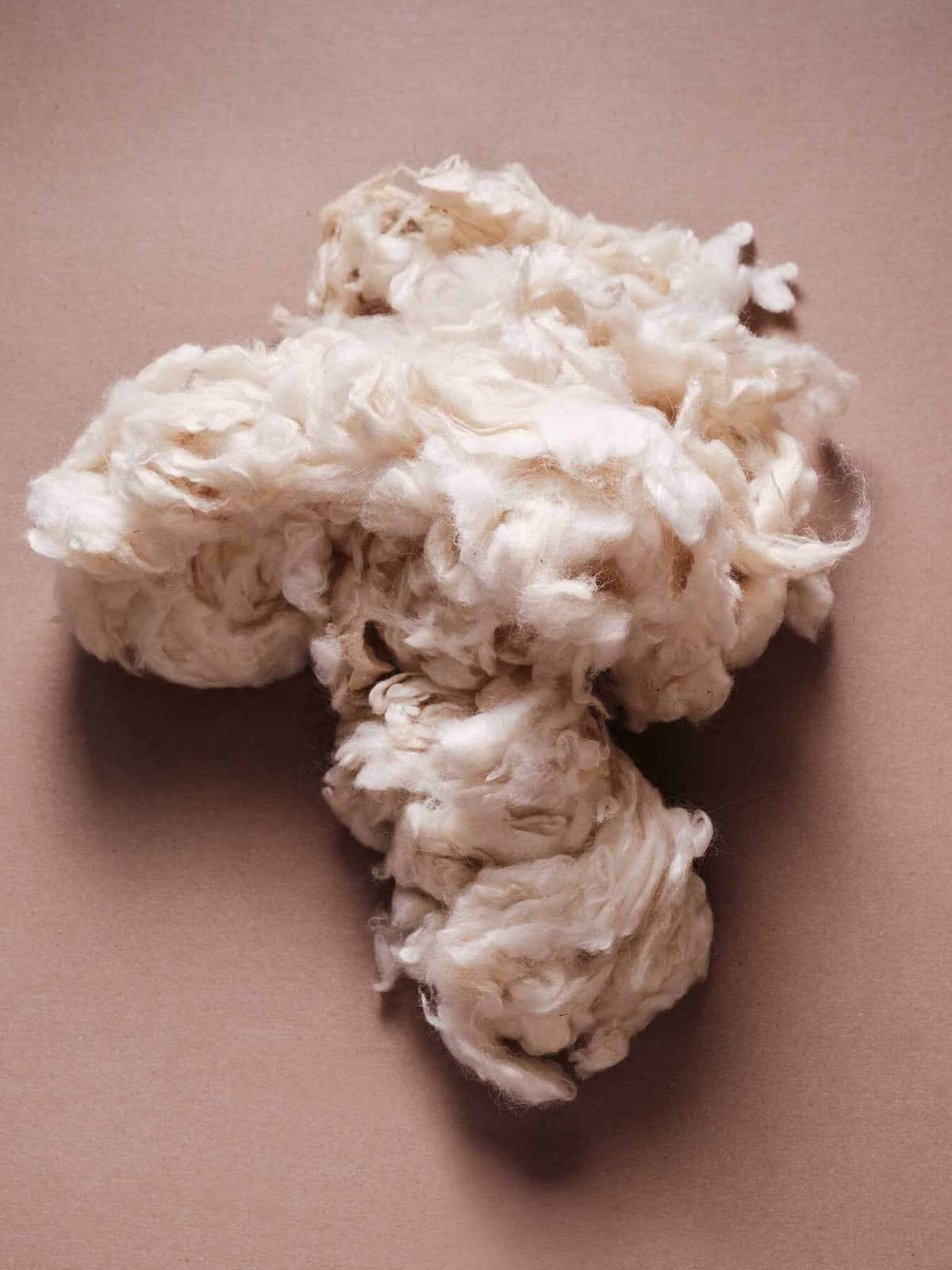
- Wool: soft with a slight, pleasant grip, and neutral to warm.
- Silk: smooth and slippery, cool at first, then warming under your hand.
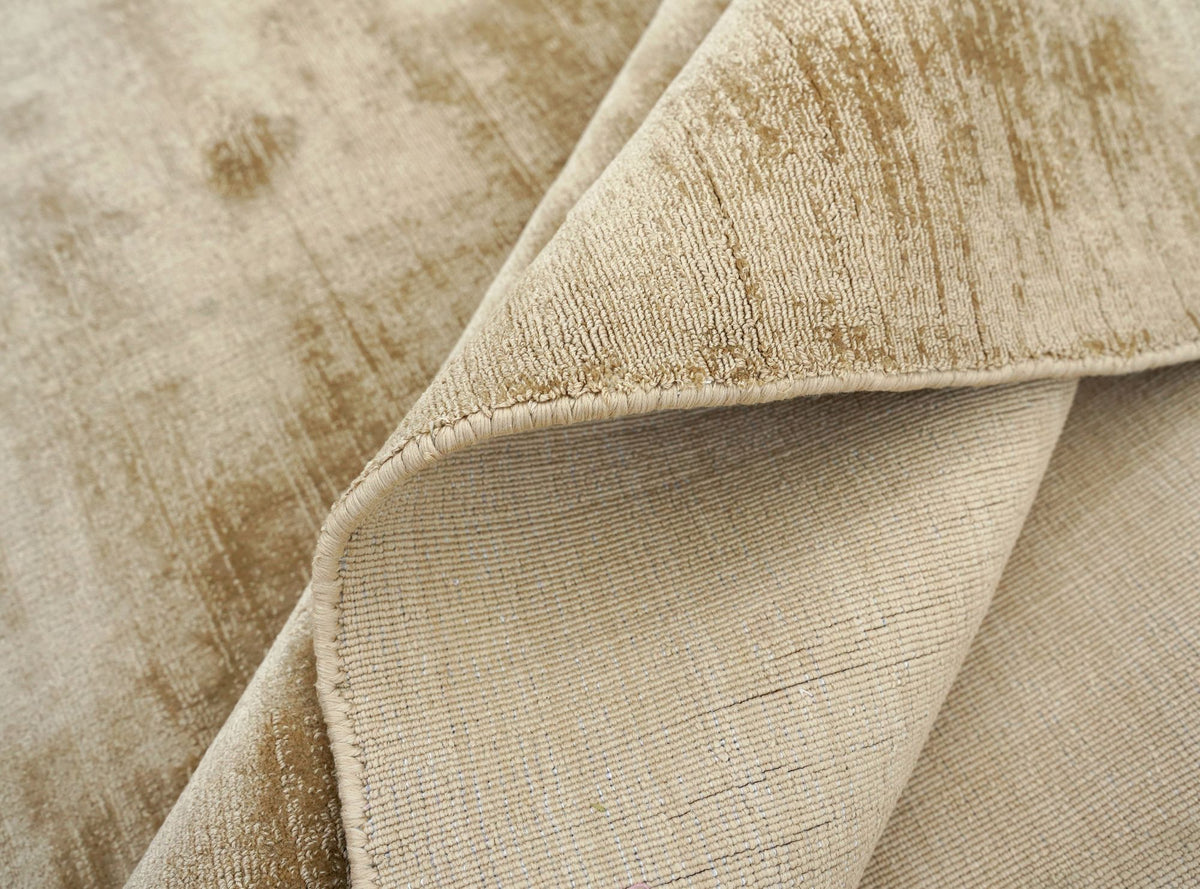
- Botanical Silk: slick, smooth and cool, with a soft, liquid drape.
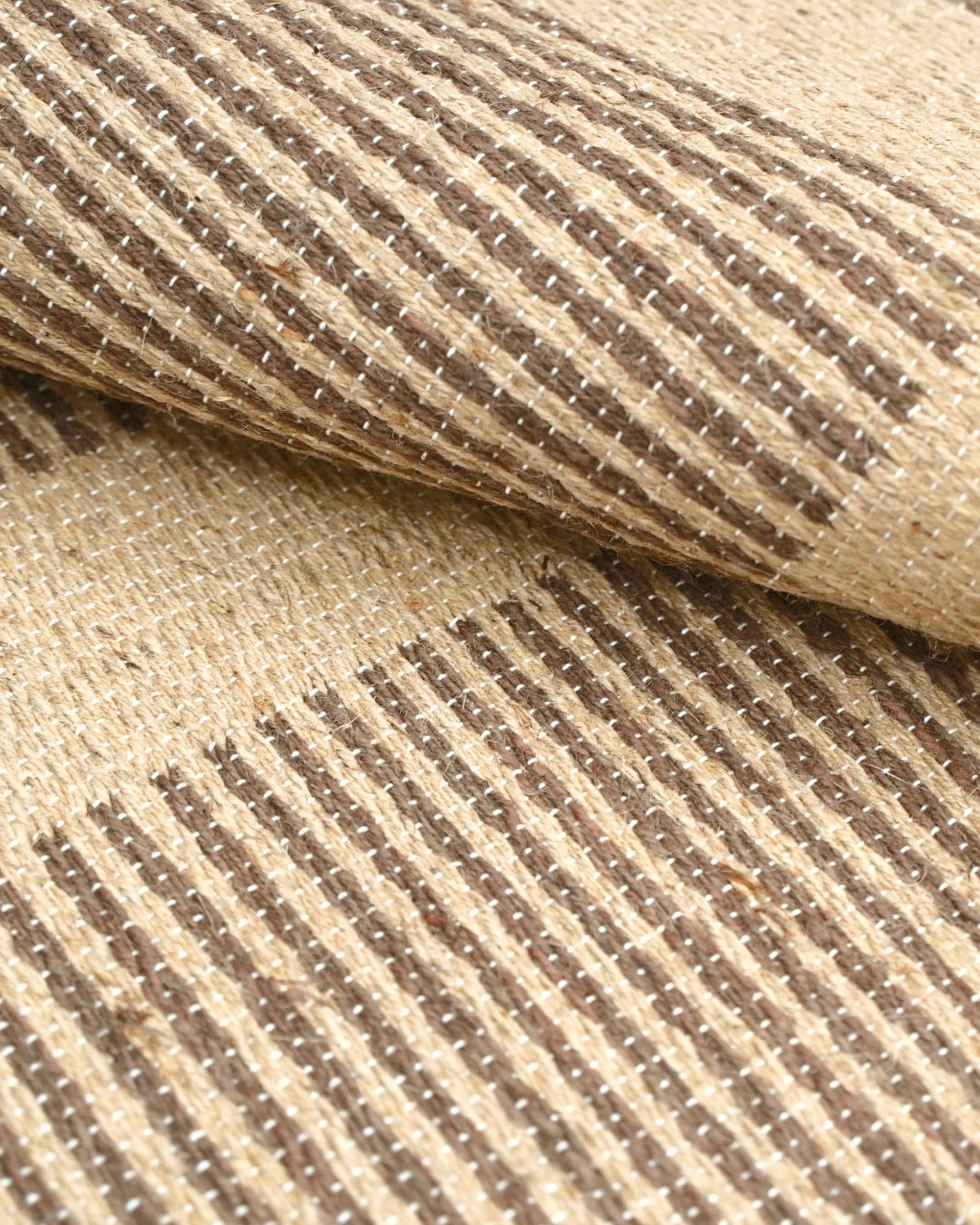
- Jute: firm, dry and rough grained, with no give.
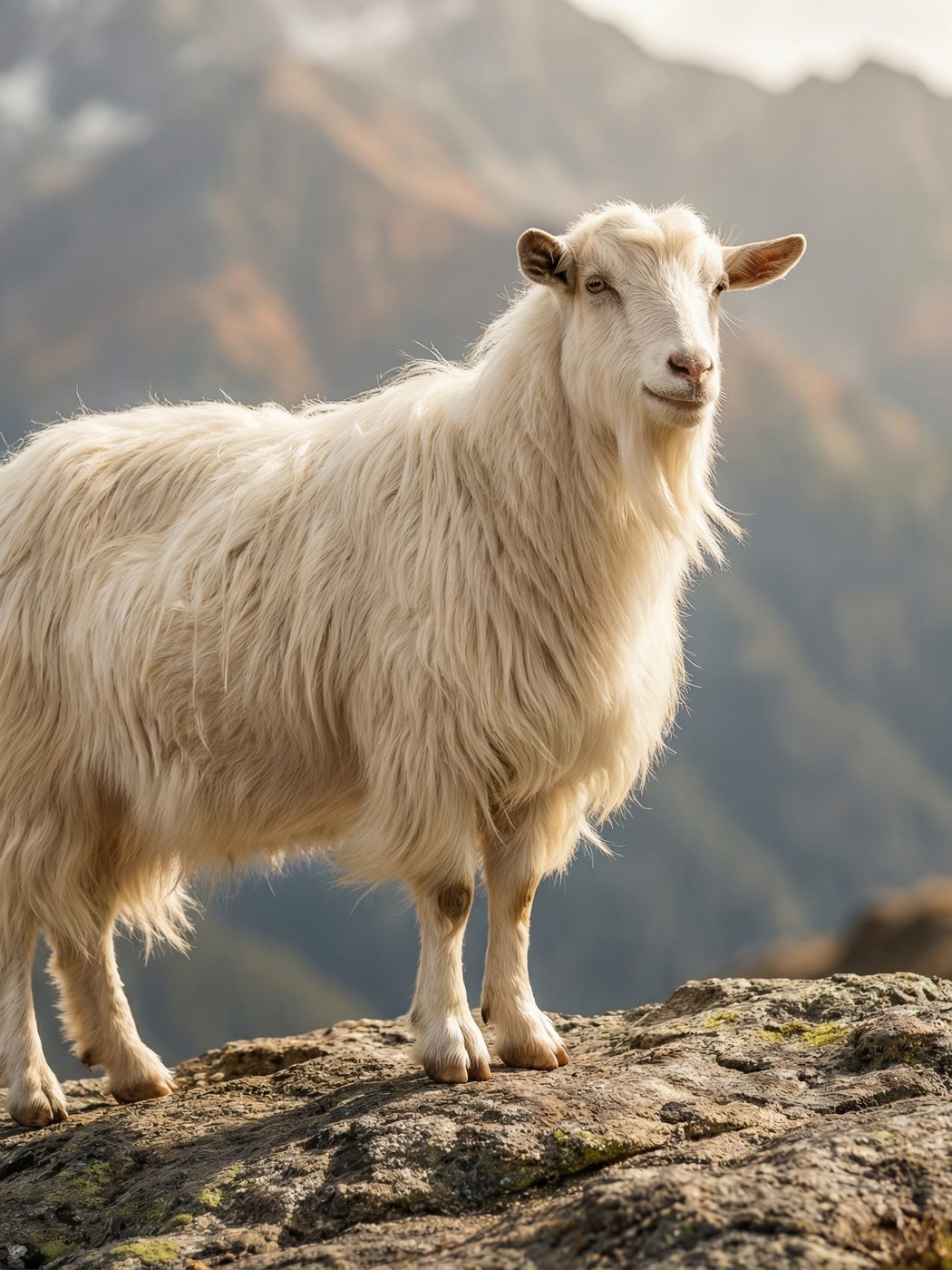
- Cashmere blend: finer and more velvety than wool, warming quickly.
How do you do the sheen test?
Take the swatch or a corner of the rug to a window, and tilt it slowly through the light. Watch how the shine moves.


Wool glows softly and evenly, almost matt. Silk shows a deep sheen that shifts in colour as it turns, while Botanical Silk has a brighter, more liquid sheen that turns pale at its peak and deepens as the pile leans away.
Jute stays matt from every angle. Our post on silk rug sheen explains what you are seeing.
Practise on swatches you know, then judge the rug you do not. Comparison beats guessing every time.
How do you do the spring test?
Press a thumb firmly into the pile for ten seconds, then let go and watch. The speed of recovery is the clue.

Wool rises back quickly, often within a minute. Silk and fine blends recover more slowly, and Botanical Silk can keep a clear thumbprint until it is brushed upright, which is why it suits quiet rooms. Flat rugs such as jute have no pile to press, so try squeezing the weave instead: jute feels stiff and holds its shape.
How do you tell real silk from Botanical Silk?
Compare warmth, sheen and crush. Real silk warms quickly under your hand, its sheen deepens and shifts in colour, and it springs back more readily than Botanical Silk.

Botanical Silk stays cooler, shines with a bright, liquid sheen and shows pile marks more readily. Plant-based shine fibres are sometimes sold elsewhere as art silk. Price is a fair check too: real silk is costly to make, so a large rug sold as pure silk at a very low price deserves a direct question. Our guide to silk, Botanical Silk and bamboo silk covers the fibres in depth.
For a home with children, confirm the fibre in writing before you buy. A wool or wool and Botanical Silk rug copes better with spilt drinks, while a pure Botanical Silk rug is best kept for a bedroom or a formal room.
Why should you not burn test a rug?
Burning yarn from a finished rug damages it, can leave a mark or a weak spot, and gives muddled results on blended yarns. It also carries an obvious fire risk indoors.
A written fibre line on the bill or product page, a known swatch and your own hands are safer and, for a buyer, enough.
| Fibre | Touch | Sheen | Spring |
|---|---|---|---|
| Wool | Soft, slight grip | Soft, matt | Quick |
| Silk | Cool, smooth, warms | Deep, shifting | Moderate |
| Botanical Silk | Slick, cool | Bright, liquid | Slow, brush upright |
| Jute | Firm, dry | Matt | Stiff, no pile |
Which Rugberry swatches make a good practice set?
A good set covers one fibre of each family. Rugberry sells swatches for most rugs, and four make a clear comparison.


- Ivory Wool Rug: handloom New Zealand wool, your wool reference.
- Luma Silk Rug in gold: handloom Botanical Silk, cool underfoot with a sheen that changes as the light moves.
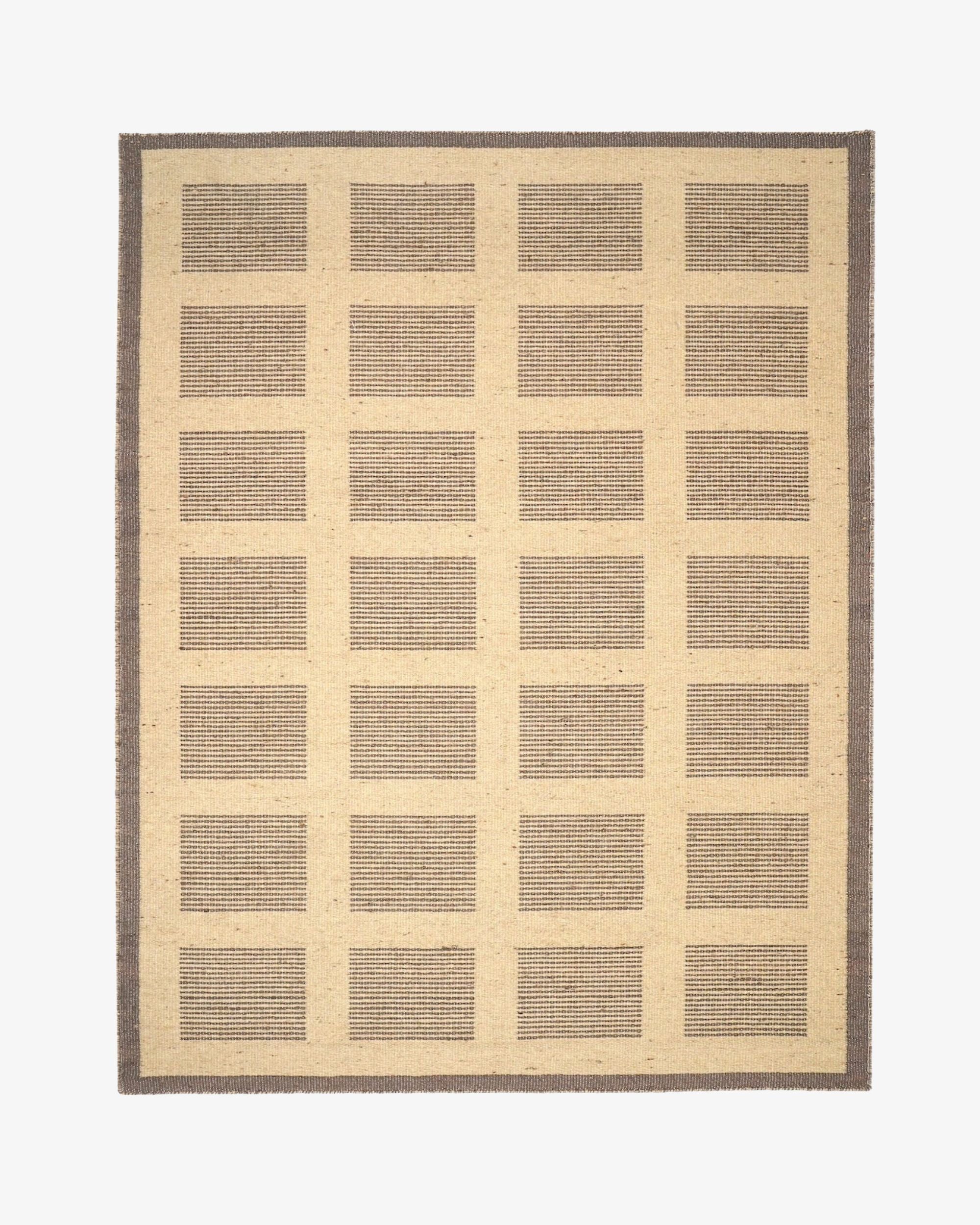
- Kora Jute Rug: handwoven jute, firm and textured.
- Cashmere Blend Rug in salt: handloom wool and cashmere, fine, dense and very soft.
Frequently asked questions
How can I tell if a rug is wool or synthetic?
Press the pile and watch it recover, then feel it. Wool springs back quickly and feels soft with a slight grip, while many synthetics feel slick or plasticky and either bounce too uniformly or stay flattened.
Is it safe to burn test a rug?
Not on a finished rug. It damages the rug, is unreliable for blends and is a fire risk, so rely on hand tests, a known swatch and the fibre written on the bill.
Can a swatch tell me how the full rug will feel?
A swatch shows the fibre, colour and pile accurately, which is what these tests need. A full rug can feel slightly fuller underfoot because of its size and weight on the floor.
Trust your hands, then check the label. Material first.




Leave a comment
This site is protected by hCaptcha and the hCaptcha Privacy Policy and Terms of Service apply.