





Silk, Botanical Silk and Bamboo Silk: An Honest Guide
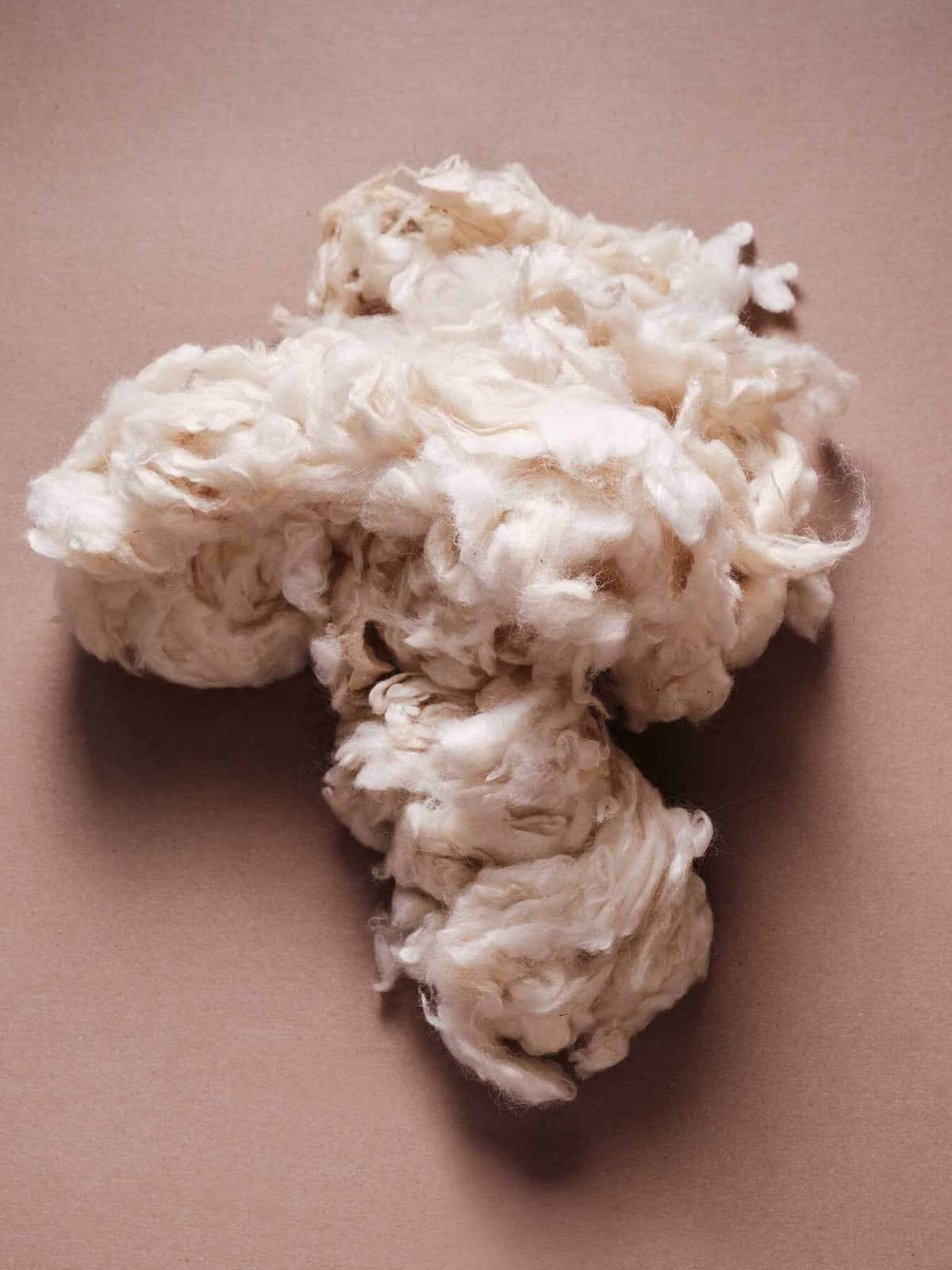
Real silk is a protein fibre spun by the silkworm. Botanical Silk, the name Rugberry uses, and the bamboo silk you see on other labels are plant-based fibres, made from refined plant cellulose drawn into a smooth filament. All three shine. They differ in source, in price and in the care they ask for on a floor.
In short
- Real silk is a protein fibre unwound from the cocoon of the silkworm, while Botanical Silk and bamboo silk are plant-based fibres spun from refined plant cellulose.
- Bamboo silk is a market name for a plant-based fibre of the same family, not silk from a silkworm. Rugberry names its plant-based fibre Botanical Silk and does not claim a particular plant source.
- Botanical Silk gives a soft, quiet sheen and is lighter on price than real silk. It is softer to crush and more sensitive to water than wool, so it is happiest in low traffic rooms with gentle care.
- Before buying any silk rug in India, ask the seller to write the exact fibre on the bill, and judge the rug on a swatch in your own light.
What is the difference between silk, Botanical Silk and bamboo silk?
The difference is the source. Silk comes from an animal, the silkworm, while Botanical Silk and bamboo silk are spun in a mill from plant cellulose.


All three shine, which is why the names get mixed up in shops. Where they part is price, how each one handles water and wear, and the care each asks for, and on a floor those are the things that count.
How is real silk made?
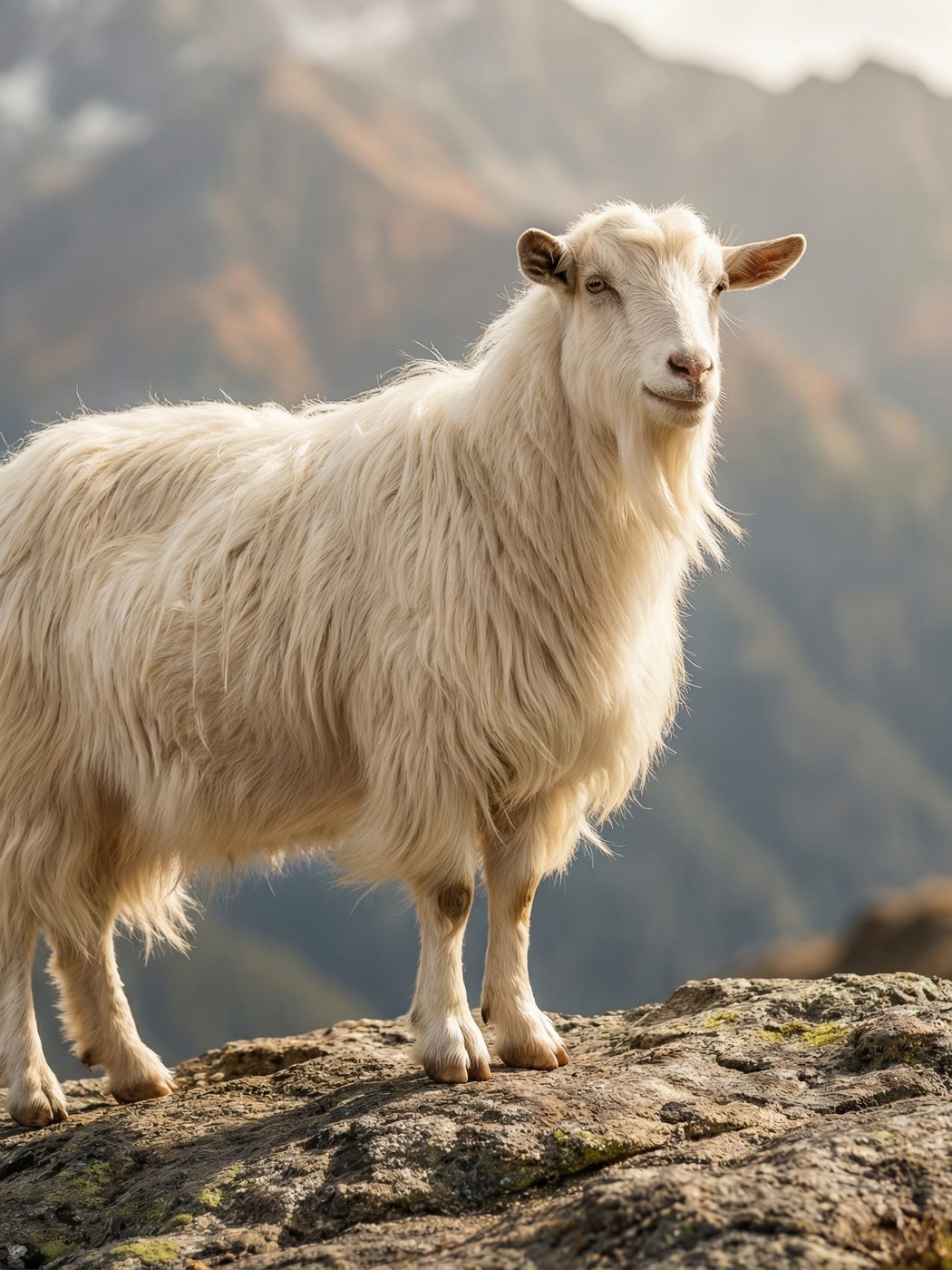
Real silk is reeled from silkworm cocoons. Each cocoon is a single continuous filament, which is softened, unwound and twisted with others into yarn.

Because the filament is smooth and roughly triangular in section, it bends light and gives silk its deep, shifting sheen. Silk is strong for its weight and takes dye in rich, clear colours.
India knows this fibre well from its saris and shawls. Our glossary entry on silk covers the basics in a few lines.
What is Botanical Silk?
Botanical Silk is a plant-based fibre. Cellulose, the material in the cell walls of wood and other plants, is refined into a pulp, drawn through fine openings and set into a smooth, continuous filament. It is sometimes sold elsewhere as art silk.

The smooth filament gives Botanical Silk its soft, quiet sheen. It is soft in the hand, drapes well, takes dye in deep, even colour and is lighter on price than real silk. It asks for a calm room: the pile shows footprints and shading, it is softer to crush than wool, and it is more sensitive to water, so spills are blotted and deep cleaning is left to professionals. Our guide to what Botanical Silk is covers the fibre in full.
Is bamboo silk real silk?
No. Bamboo silk is a plant-based fibre made from bamboo cellulose, so it belongs with Botanical Silk, not with silk from the silkworm.
The bamboo name points to the source plant, but the fibre is still refined and spun in a mill, so the name says more about where the pulp came from than about how the yarn lives on a floor. Plan for bamboo silk as you would for Botanical Silk when you choose its room and its care. See bamboo silk and Botanical Silk in our glossary.
Silk comes from the silkworm. Botanical Silk comes from the plant. The name on the label should tell you which.
How do the three fibres compare in an Indian home?
In an Indian home, real silk is the finest and most costly of the three, while Botanical Silk and bamboo silk bring a similar glow at a lighter price and ask for a calmer room and gentler care. The table sets out the differences.


| Silk | Botanical Silk | Bamboo silk | |
|---|---|---|---|
| Source | Silkworm cocoon | Plant cellulose | Bamboo cellulose |
| Fibre type | Protein | Plant-based | Plant-based |
| Sheen | Deep, shifting | Soft, quiet, shifts with the pile | Soft to bright, varies by yarn |
| When wet | Holds strength, may water mark | Softer while wet, blot spills, no wet washing | Softer while wet, blot spills, no wet washing |
| Best rooms | Formal rooms, heirloom pieces | Bedrooms, sitting rooms, low traffic | Bedrooms, low traffic |
| Price | Highest | Lighter than silk | Lighter than silk |
For a busy living room in monsoon Mumbai or Kochi, choose a rug in New Zealand wool and Botanical Silk, because the wool ground carries the daily wear and spills while the Botanical Silk carries the light. Keep a pure Botanical Silk or real silk rug for a bedroom or a formal sitting room.
What silk rugs does Rugberry offer?
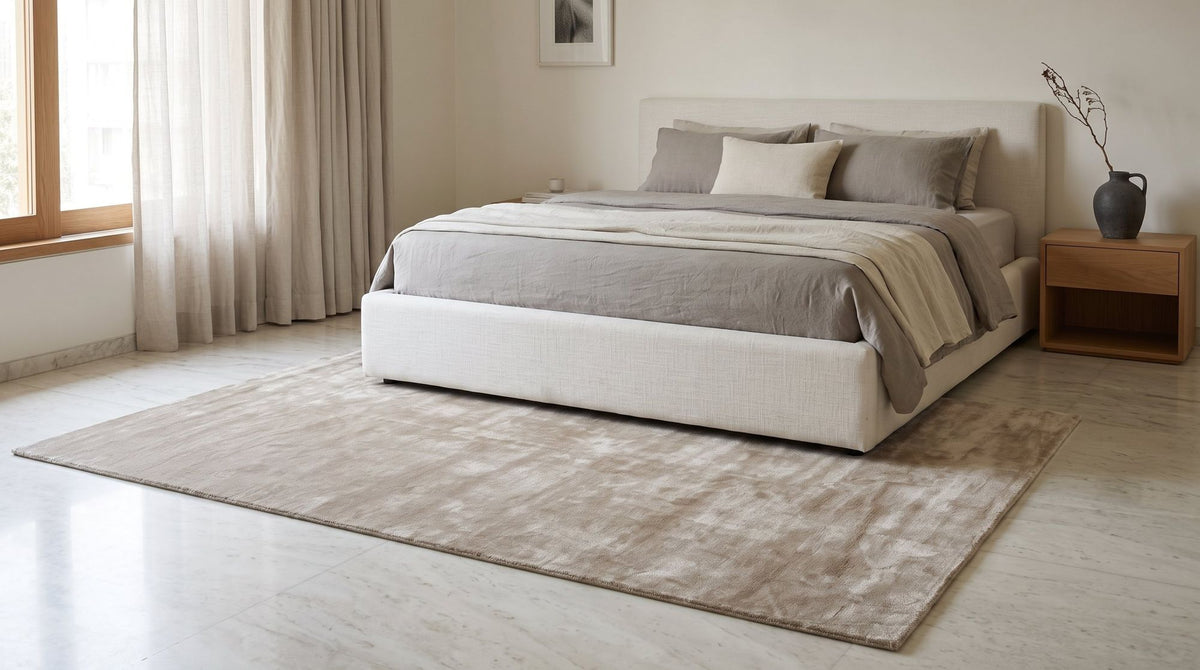
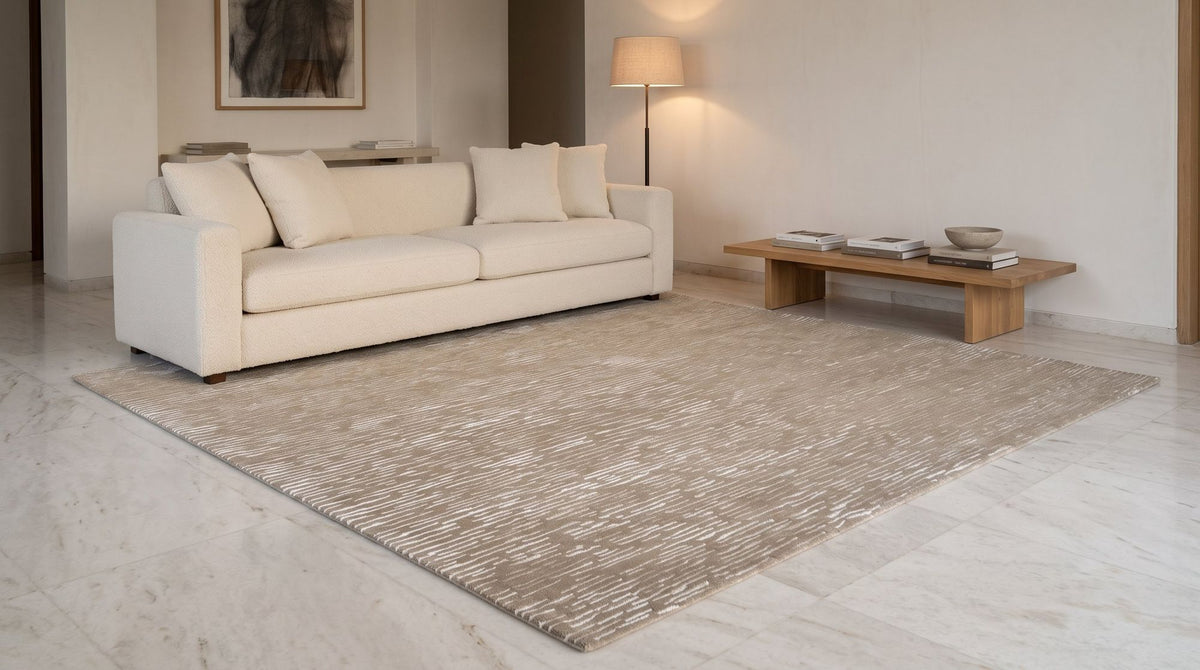
Rugberry lists them in the silk rugs collection. Most are Botanical Silk, on the handloom or hand tufted, and the Couture Silk Rug is hand knotted in real silk. Four show the range:

- Luma Silk Rug in gray: handloom woven in Botanical Silk, cool underfoot, from about ₹40,000 in 5x8 ft.
- Concept Silk Rug: hand tufted in Botanical Silk, in six stock sizes from 5x8 to 12x15 ft, from about ₹37,000.
- Venecia Gold Silk Rug: hand tufted in Botanical Silk, smooth and cool, in 5x8 ft and any size to order, from about ₹41,000.
- Couture Silk Rug: hand knotted in real silk, dense and fine, in 5x8 ft and any size to order.
A rug's name is a design name. The fibre line on each product page is the one to read, and if the exact fibre matters to your project, ask Rugberry to confirm it in writing before you order. It is a fair question to put to any seller.
What should you ask before buying a silk rug?
Ask three questions, and get the answers in writing. The word silk is used loosely in Indian markets, for protein and plant fibres alike, so the bill is your protection.
- What is the fibre, exactly: real silk, a plant-based fibre such as Botanical Silk or bamboo silk, or a blend with wool?
- What is the construction: handloom, hand tufted or hand knotted?
- How should it be cleaned, and is water safe on it?
Our guide on judging a rug's fibre by hand adds tests you can do on a swatch.
Frequently asked questions
Is Botanical Silk real silk?
No. Botanical Silk is a plant-based fibre spun from refined plant cellulose, while real silk is a protein fibre from the silkworm cocoon. Rugberry uses the name Botanical Silk so the fibre line tells you which one you are buying.
Is bamboo silk good for a rug?
Yes, in the right room. Like Botanical Silk, it gives a soft sheen at a lighter price than real silk, and it is softer to crush and more sensitive to water than wool, so it suits a bedroom or quiet sitting room away from meals and muddy paws.
How do I clean a Botanical Silk or bamboo silk rug?
Keep it dry. Vacuum on suction only, blot spills straight away with a clean white cloth and never rub. Do not wash it with water at home; for anything more than a blotted spill, use a professional rug cleaner.
Shine is easy to see. The fibre behind it is what you live with. Our Botanical Silk rug care guide covers the routine. Material first.



Leave a comment
This site is protected by hCaptcha and the hCaptcha Privacy Policy and Terms of Service apply.