



Botanical Silk Rug Care Through the Indian Year
Care for a Botanical Silk rug by keeping it dry, vacuuming gently without a beater bar, blotting spills the moment they happen and turning it every few months. In India the routine shifts with the year: dust and strong sun in summer, damp in the monsoon, spills in the festive months and heaters in winter.
In short
- Botanical Silk is a plant-based fibre that dislikes water, so dry methods and fast blotting do most of the work in caring for it.
- A Botanical Silk rug should be vacuumed with a plain suction head or brush attachment, never a rotating beater bar, which roughs up the smooth yarn.
- In the monsoon, a Botanical Silk rug needs dry feet, a dry floor beneath it and a fan or dehumidifier in a closed room.
- Light and dark patches on a Botanical Silk rug are usually shading from crushed pile, not stains, and a soft brush in one direction evens them out.
What makes Botanical Silk different to care for?
Botanical Silk is a plant-based fibre spun into a smooth yarn with a silk-like sheen, and that smoothness is what changes the care. Our guide to what Botanical Silk is explains the fibre itself. Here the focus is on living with it, month by month.


Three traits shape every step below. The yarn loses strength while it is wet and can leave a ring or a hard patch as it dries. It has no natural grease, unlike the lanolin in wool, so a spill soaks in rather than sitting on top for a few seconds. And its fibres lie down under weight, which makes the rug look lighter from one side and deeper from the other.
Rugberry always names the fibre Botanical Silk on its rugs, so you know which routine applies. None of this makes a Botanical Silk rug fragile in a quiet room. It means the rug rewards a dry, gentle routine, and that the right place for it, a bedroom, a formal sitting room or a study, matters as much as anything you do with a cloth.
What is the weekly routine for a Botanical Silk rug?
Once a week, vacuum the rug slowly with suction only or a soft brush head, working along the direction the pile lies. Twice a week is better in a home near a main road or a building site, where fine grit settles fast.

Grit is the quiet enemy of any smooth yarn. It works down to the base of the pile and cuts at the fibre each time someone walks across, so regular light vacuuming does more for the rug's life than any occasional deep clean. Turn off the beater bar, or use a handheld head, since rotating bristles fray the surface and dull the sheen.
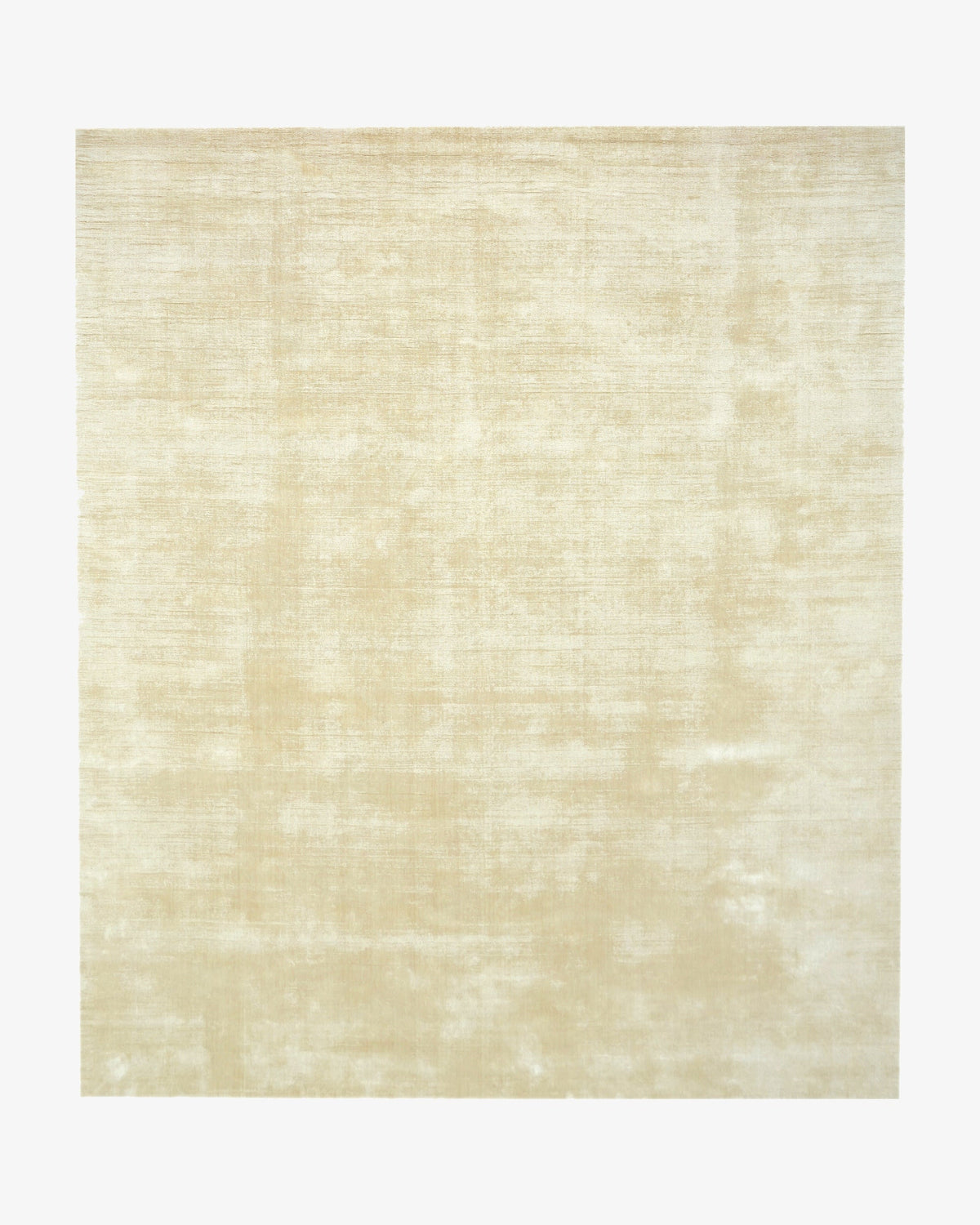
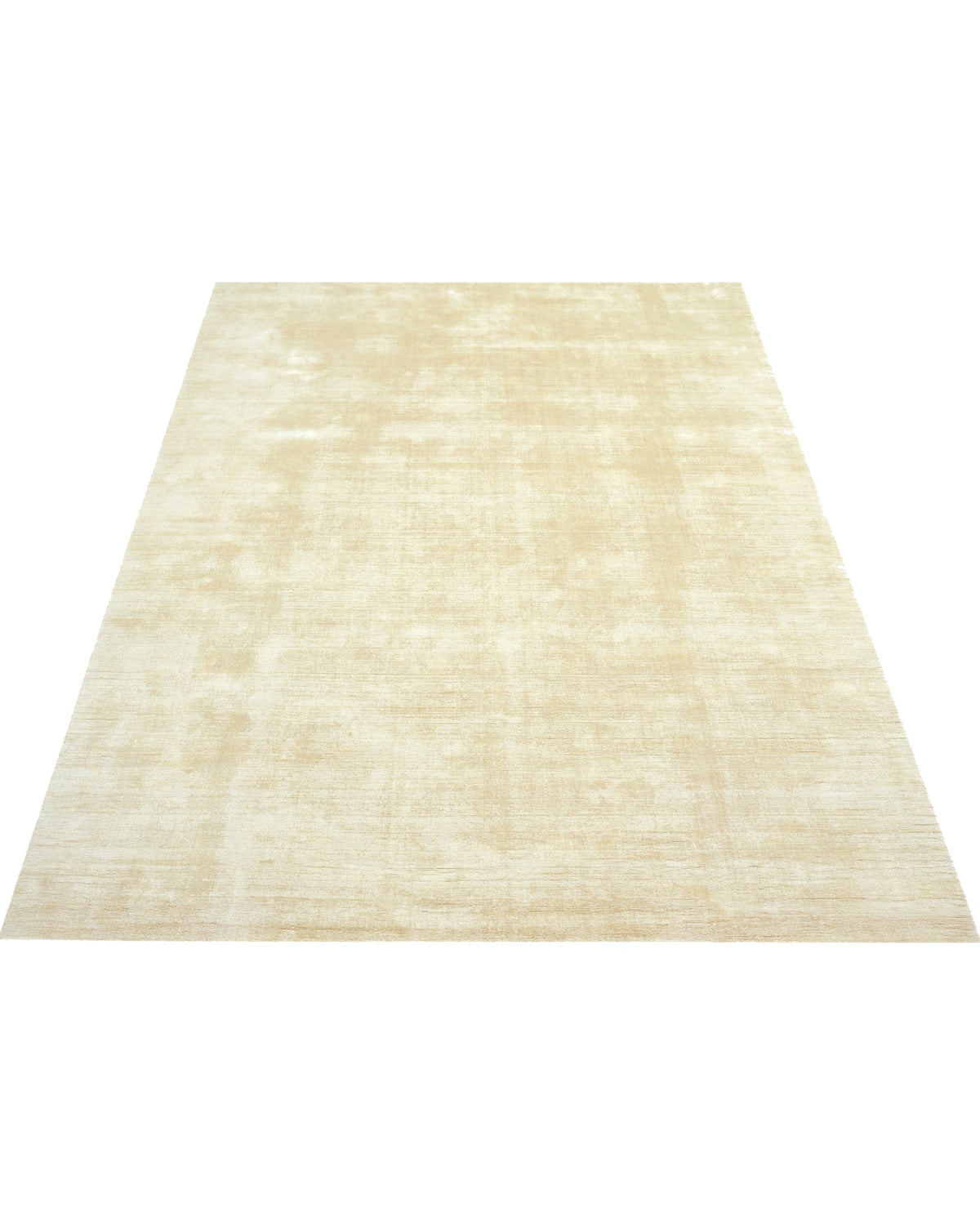
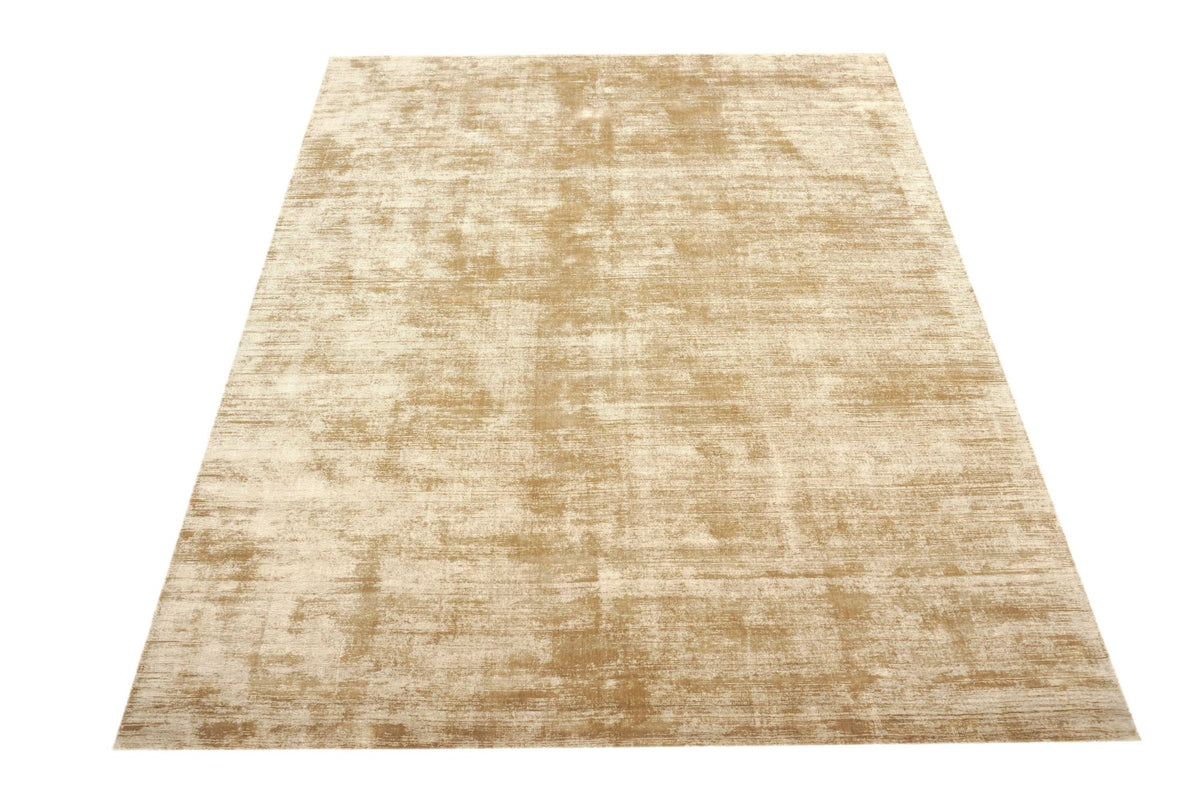
Every two or three months, turn the rug end to end so the same edge does not take the traffic from a door or the light from a window. On a handloom piece such as the Nuva Silk Rug in Beige, woven in Botanical Silk at 10 mm, this keeps both wear and colour even. Its regular price is ₹40,000 for 5x8 ft and ₹79,000 for 8x10 ft, ex GST at the time of writing.
Shoes off on a Rugberry rug, or any smooth pile, helps more than it sounds. Outdoor soles carry oil, dust and moisture that a bare or socked foot does not, and a small basket by the door makes the habit easy for guests too.
How do you look after it through an Indian summer?
In summer, the work is dust and light. Dry heat and open windows bring fine dust into the home every day, and the low, strong sun of April and May reaches further into a room than people expect.
Vacuum more often in these months, but keep each pass light. A quick daily pass with a handheld vacuum near a balcony door saves the rug from the grinding effect of dust walked in over a week.
Sun is slower but less forgiving. Botanical Silk dyes soften in direct sunlight over months, and a rug that sits half in a sunny patch can end up with a lighter band. Sheer curtains or blinds during the harshest hours, and turning the rug regularly, keep the change even. Our guide to rug fading in sunlight covers window films and placement in more detail.
Air conditioning is kind to Botanical Silk. A cool, dry room is close to ideal for the fibre, so a bedroom that runs an AC through summer nights is one of the best homes it can have.
What changes in the monsoon?
The monsoon is the season that matters most for a Botanical Silk rug, because damp is the fibre's main weakness. The aim from June to September is simple: keep water off the rug and keep air moving under and over it.
Wet feet and wet umbrellas are the common culprits. If the rug sits near an entrance or a balcony door, move it a few feet further in for the season, or roll it away and lay a washable cotton mat in its place until the rains ease.
Check the floor beneath as well. Ground floor flats and old houses can push moisture up through the tiles, and a rug traps it. Lift a corner every couple of weeks and feel the back. If it is cool and damp, roll the rug back, run a fan over the floor and the underside, and lay it down again only once both are dry.
In closed rooms on humid coasts, a dehumidifier set to around 50 to 60 percent relative humidity protects the rug, the books and the furniture together. Homes in Mumbai and Kochi face this every year, and our guides to rugs for Mumbai apartments and rugs for Kochi homes look at those climates in full.
With Botanical Silk, dry and gentle beats wet and thorough every time.
How should you handle spills in the festive season?
From Navratri to the New Year, a home sees more guests, more food and more lamps, and Botanical Silk needs a fast, dry response to anything that lands on it. Blot at once with a dry white cloth, pressing straight down and lifting, and never rub.
Rubbing opens the smooth yarn and pushes the spill deeper, and the frayed patch it leaves often shows more than the stain would have. Work from the outside of the spill towards the centre so it does not spread, and change to a clean part of the cloth often.
| What spilled | First step | What to avoid |
|---|---|---|
| Water, juice or chai | Blot with a dry white cloth until no more transfers, then dry with a fan | Pouring more water on to dilute it |
| Ghee, oil or sweets | Lift any solids with a blunt knife, then blot with dry paper towel | Detergent or dish soap on the rug |
| Candle or diya wax | Let it harden, then lift the flakes away by hand | A hot iron through paper, which can mark the fibre |
| Rangoli colour or powder | Vacuum on suction only before touching it | Brushing it in with a damp cloth |
| Wine or dark curry | Blot dry, then call a professional rug cleaner the same week | Home stain removers and bleach |
The FAQ on rugberry.in suggests a dry microfibre cloth and a little lukewarm water for blotting, and with Botanical Silk the stress falls on "a little". A cloth that is barely damp is enough, followed by a fan, because a soaked patch is what leaves a ring.
Lamps deserve their own thought. Keep diyas and candles on a tray or a side table, never on the rug or at its edge. Our guide to diyas near a rug sets out safe distances, and the Diwali rug guide covers the hosting side of the season.
What does winter mean for a Botanical Silk rug?
Winter in North India is dry and, for the rug, mostly calm. The main points are heat sources and the heavier furniture that tends to move around for guests.

Keep oil filled radiators and fan heaters at least a metre from the rug edge. Direct heat dries the yarn and can scorch the surface, and a heater that tips over onto a rug is a fire risk regardless of fibre.
Quilts, floor cushions and extra chairs come out in December, and their weight crushes the pile in new places. Shading, the light and dark patches that follow, is the most common worry people raise about Botanical Silk, and it is not damage. The fibres simply lie in different directions. A soft clothes brush drawn the same way across the patch, or a few weeks of normal use, usually evens it out.
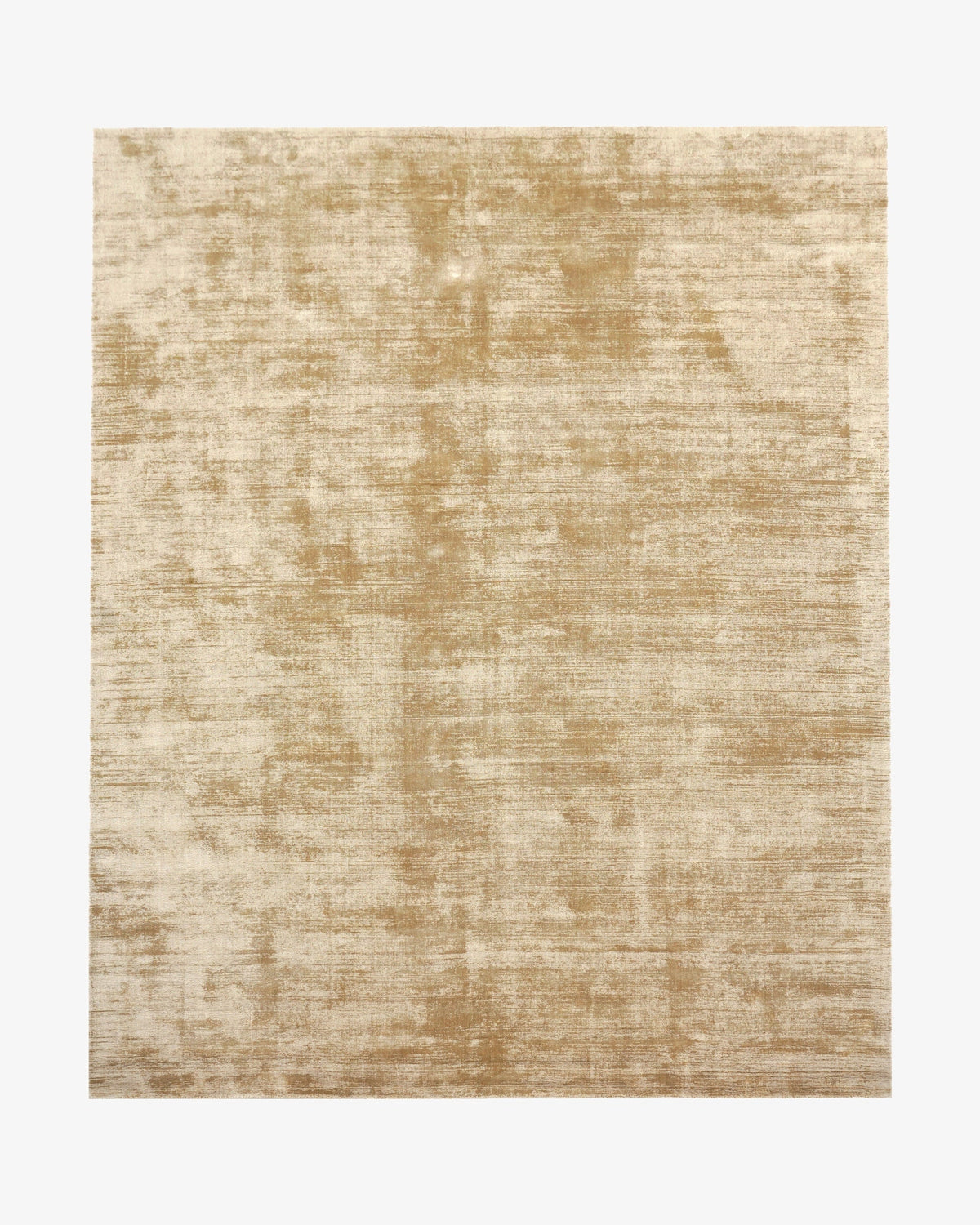
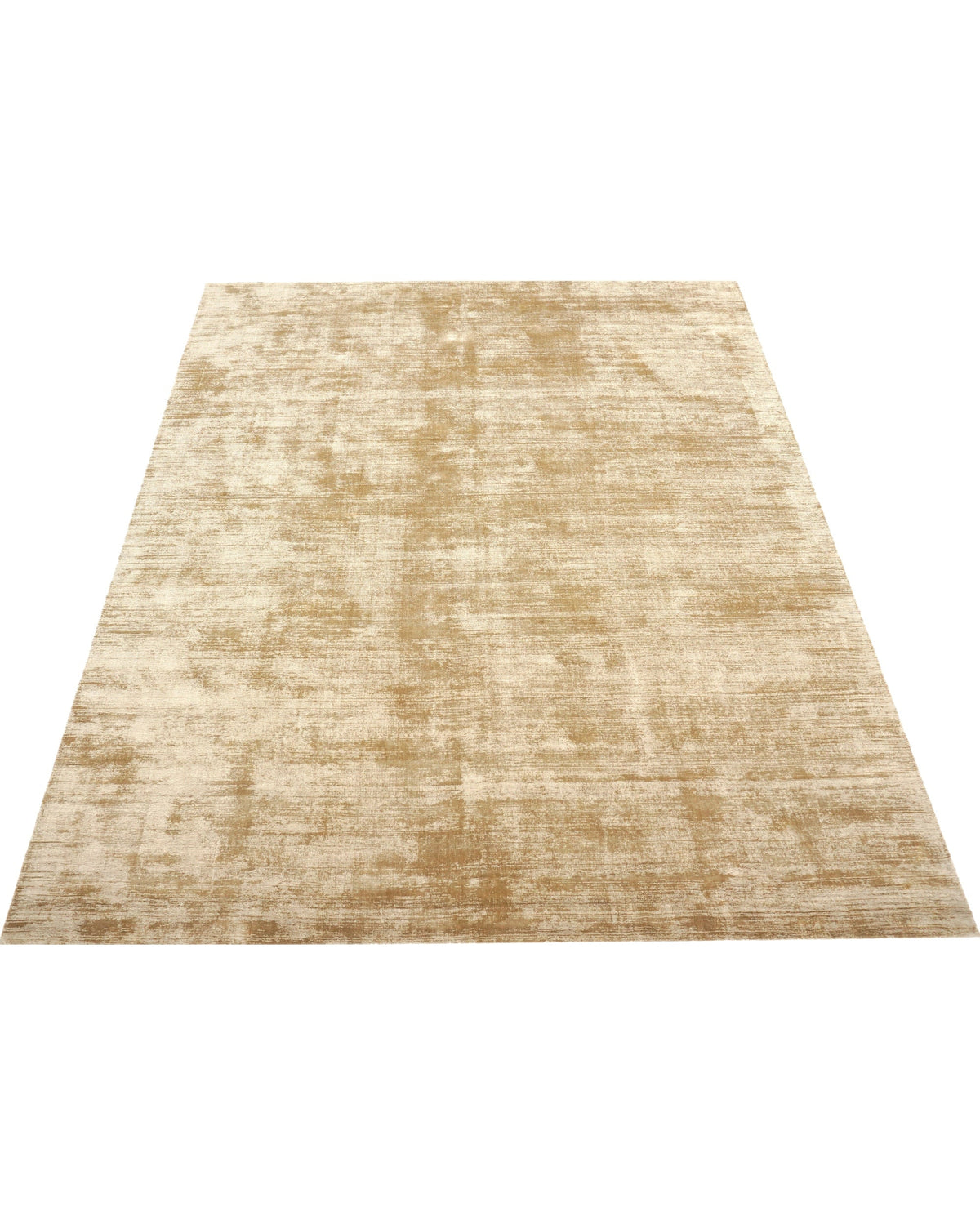
The Nuva Silk Rug in Camel shows this effect clearly, since its sheen is part of the design. Its regular price is ₹40,000 for 5x8 ft, ex GST at the time of writing. Our guide to how light changes a rug's sheen explains why the same rug can look two colours in one room.
Is a wool and Botanical Silk blend cared for differently?
A blend of New Zealand wool and Botanical Silk is easier to live with than pure Botanical Silk, because the wool carries the body of the rug and resists soiling. The Botanical Silk areas still need the same dry, gentle handling.


The Estra Wool & Silk Rug is hand tufted in New Zealand wool and Botanical Silk at 14 to 16 mm, with pale clouds of Botanical Silk drifting across a deep blue ground of wool. Its regular price is ₹72,000 for 8x10 ft, ex GST at the time of writing. In a rug like this, the dark wool hides daily marks, while the paler Botanical Silk strokes are where you will see a spill first.
The Crinkle Wool & Silk Rug, a shaped piece in the same construction at ₹40,000 for 5x8 ft at regular price, ex GST at the time of writing, has Botanical Silk ripples across a sand wool field. On blends, vacuum with the grain of the pattern and treat any spill on the shiny areas as you would on a pure Botanical Silk rug.
For a side by side look at how the two fibres wear, see our guide to wool vs Botanical Silk.
When should a Botanical Silk rug be professionally cleaned?
A Botanical Silk rug in a quiet room usually needs a professional clean every year or two, and sooner after any spill that has left a mark. It should never be washed at home, hosed down on a terrace or sent to a general laundry.

When you choose a cleaner, tell them plainly that the rug is Botanical Silk, a plant-based fibre, and, for a blend, which parts are wool. Ask how they dry rugs and how long it takes, since slow drying is where most problems with this fibre begin. A cleaner who plans a low moisture method and fast, even drying is the one to trust.
Our guide to how a rug is washed professionally walks through what happens to a rug in a cleaning workshop, so you know what to ask before you hand it over.
Frequently asked questions
Can I use a carpet shampoo on a Botanical Silk rug?
No. Shampoos foam, soak the yarn and leave residue that attracts dirt, and Botanical Silk is weakest when wet. For anything beyond blotting and dry vacuuming, a professional rug cleaner is the safe route.
Why does my Botanical Silk rug look darker from the sofa than from the door?
That is pile direction. Looking against the way the fibres lie, you see their shaded sides; looking with it, you see their shiny backs. It is a feature of every smooth, lustrous yarn and does not mean the rug is uneven.
Is a steam cleaner safe for Botanical Silk?
No. Steam pushes heat and water deep into the yarn at once, which is exactly what this fibre handles worst. It can leave hard, flattened areas and rings that are difficult to reverse.
Should I put a Botanical Silk rug away for the monsoon?
Only if it sits near a door, on a damp ground floor or in a room you cannot keep dry. Roll it pile inwards around a tube, wrap it in breathable cotton rather than plastic, and store it off the floor in a dry room.
Does a Botanical Silk rug need an underlay?
A thin felt underlay is a good idea on tile, stone or wood. It stops the rug creeping, cushions the pile so it crushes less, and lifts it slightly clear of any moisture or grit on the floor. See our guide to rug pads on Indian floors.
Keep it dry, keep it gentle, and turn it with the seasons. See the Botanical Silk and silk rugs and the Luma Collection from Rugberry. Material first.




Leave a comment
This site is protected by hCaptcha and the hCaptcha Privacy Policy and Terms of Service apply.