

Sunlight and Rug Fading in Indian Homes
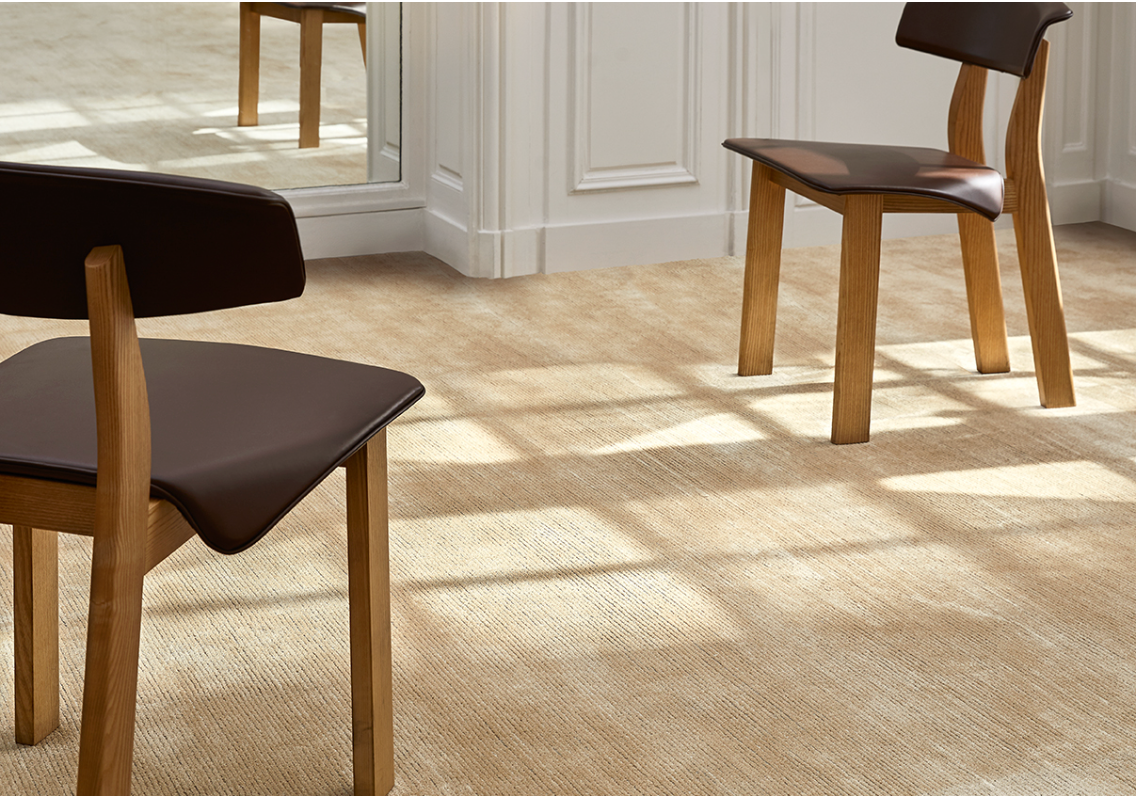
Any rug that sits in direct sun will change colour over time, and the strong afternoon light of a west facing Indian room speeds that up. Turning the rug, filtering the light and choosing the right tone slow it down, but nothing stops it completely.
In short
- All dyed rugs fade in direct sunlight over time, and a rug in a west facing Indian room can show a visible change within a year or two.
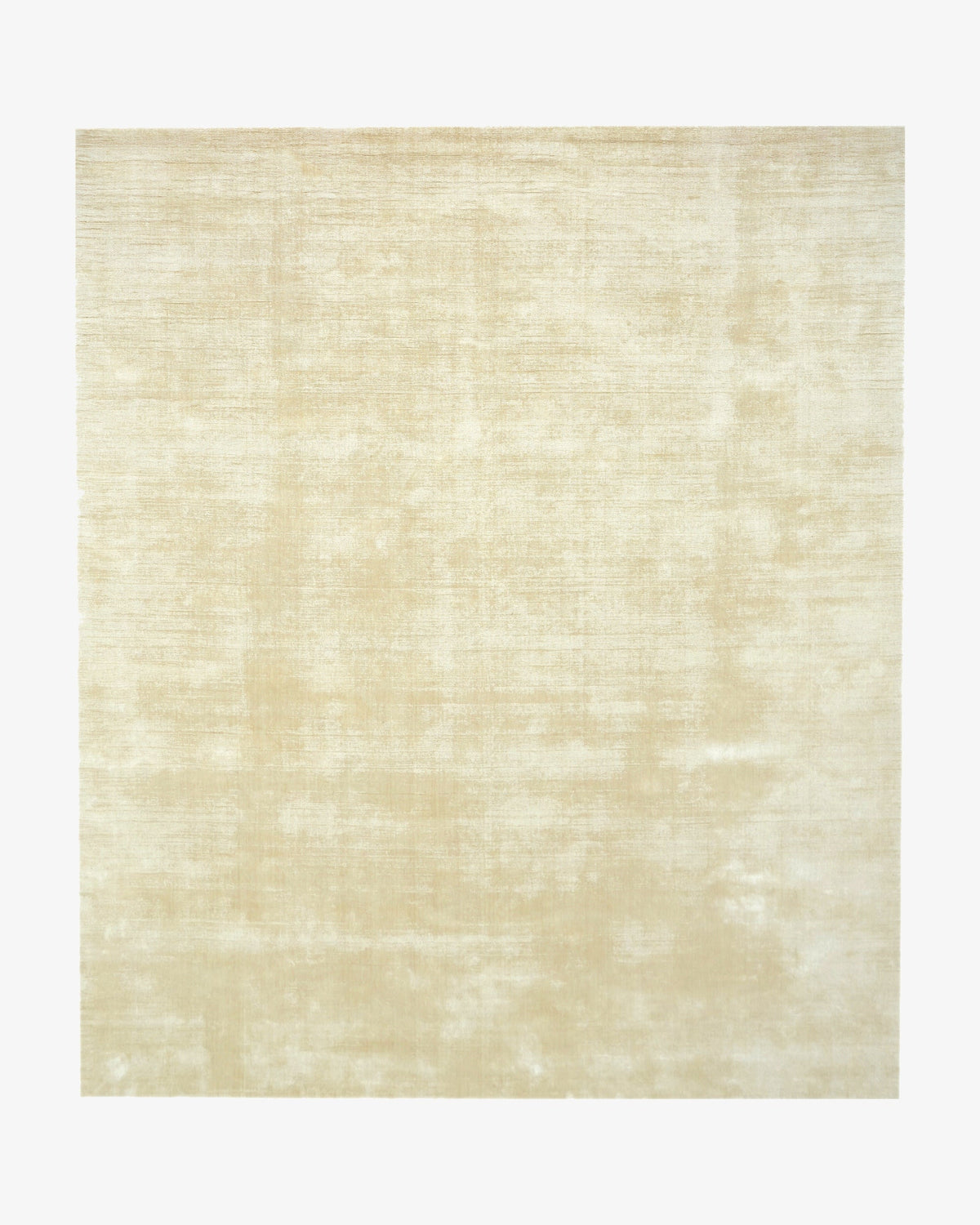
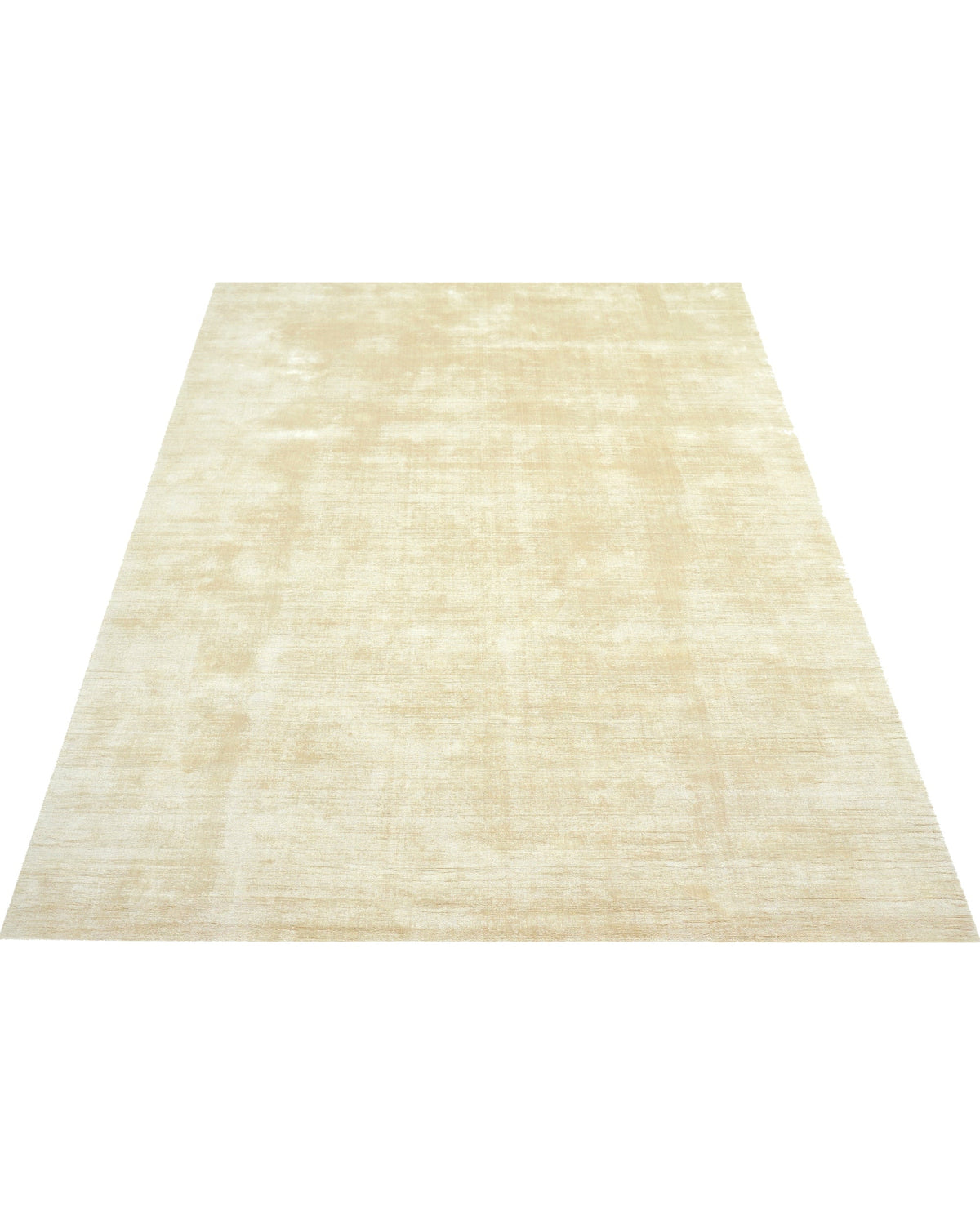
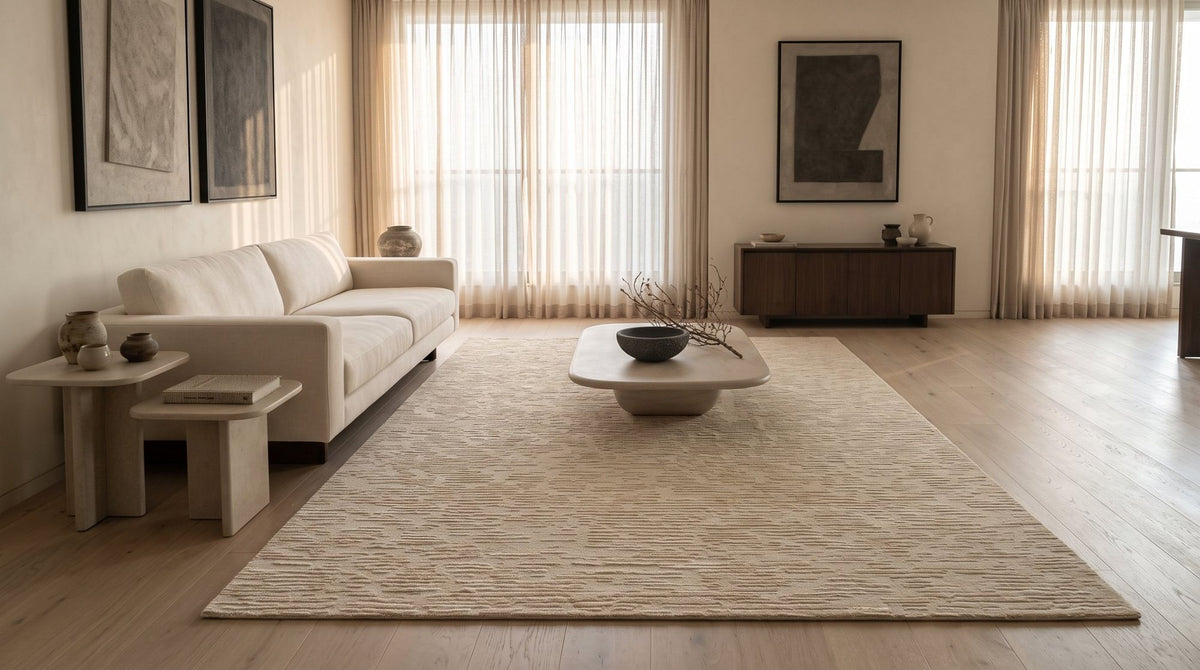
- Silk rugs, such as the Rugberry Nuva Silk Rug in beige, are more sensitive to strong sun than wool rugs and suit rooms with filtered light.
- Turning a rug 180 degrees every two to three months spreads sun exposure evenly, so any change is gradual and uniform rather than patchy.
- Sheer curtains, blinds or UV filtering window film reduce the sun reaching a rug far more than any treatment on the rug itself.
Why do rugs fade in the sun?
Rugs fade because ultraviolet light and heat slowly break down dye molecules in the fibre. The effect builds up quietly, so most people only notice it when they move a sofa and see a brighter patch underneath.

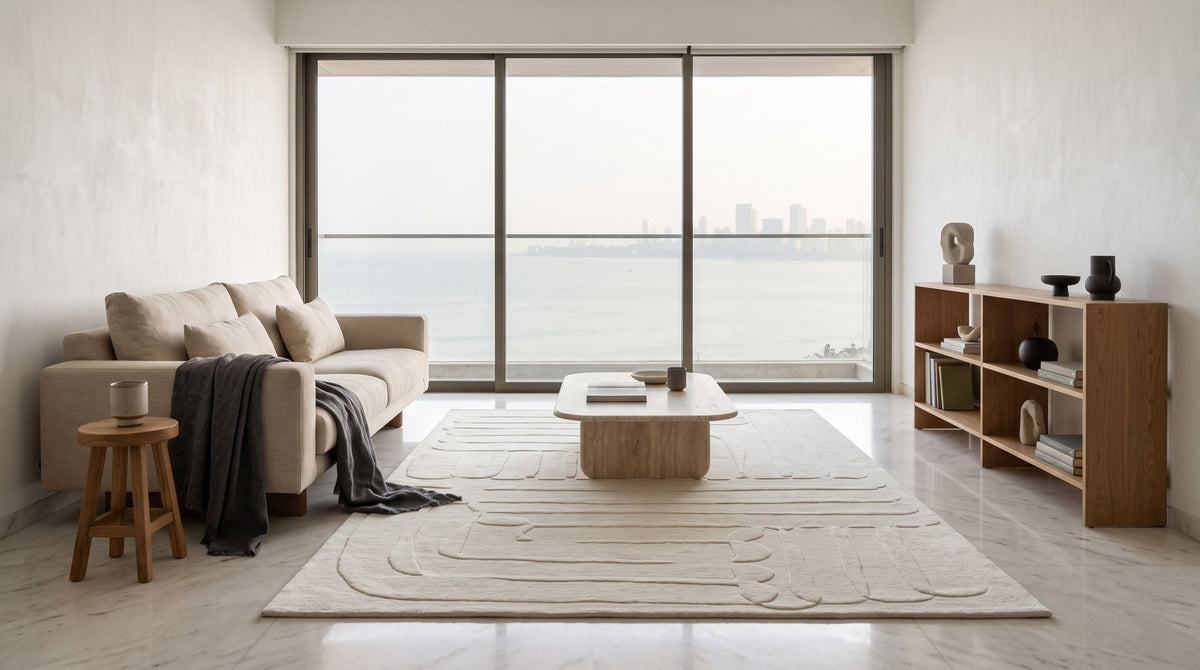
Indian homes face a strong version of this. In cities such as Ahmedabad, Jaipur or Hyderabad, a west facing living room can take four to five hours of low, direct sun on a summer afternoon, often through large sliding windows.
Heat adds to the problem. A rug on a sunlit marble floor can feel warm to the touch by 4 pm, and that warmth dries the fibre as well as lightening it.
Which rooms are most at risk?
West facing rooms with low windows are most at risk, followed by south facing rooms in winter, when the sun sits lower in the sky. North light is the gentlest.
A simple test: on a sunny afternoon, lay a sheet of white paper on the rug every hour from 1 pm to 6 pm and note when it is in full sun. If the rug is lit for more than two hours a day, plan for protection.
Balcony doors, French windows and glass sliding doors to a sit out are the usual culprits. Skylights and double height windows in villas can light the centre of a rug all afternoon.
Do some fibres and colours fade more than others?
Yes. Silk is more sensitive to sunlight than wool, and strong, saturated colours show a change sooner than soft neutrals.


Silk
The Nuva Silk Rug in beige is handloom woven in silk, low and fine, with a sheen that deepens and softens as the light turns. That same light, if harsh and direct for hours, can dull the sheen and soften the colour, so Nuva suits a room with filtered or north light.
Wool
Wool is more forgiving, which is why most of the Rugberry range is wool. The Ivory Wool Rug, hand-tufted in New Zealand wool, starts pale, so any lightening is hard to see, while the Greige Wool Rug sits in a warm grey that hides gradual change well.
For a west facing living room in full afternoon sun, choose a pale or mid neutral wool rug over a silk rug, because wool and light tones show sun change far less.
Sun does not damage a rug in a day. It edits it slowly, one afternoon at a time.
How does rotation help?
Rotation does not stop fading, but it makes the change even across the whole rug, which is what the eye notices. Without rotation, one half lightens while the other half stays under the sofa.


Turn the rug 180 degrees every two to three months, and before each summer. Our glossary note on rotation explains how it also spreads foot traffic.
Move furniture slightly at the same time, so table legs and sofa feet do not leave sharply bright squares. Even a shift of 10 cm helps.
How do you filter the light without darkening the room?
Filter the light at the window, not at the rug. Sheer linen curtains, bamboo blinds and UV filtering window film all reduce sun on the floor while keeping the room bright.

- Sheers: draw them from 1 pm to sunset in a west facing room. They cut glare and soften the light falling on the rug.
- Blinds: tilt horizontal blinds upward, so light bounces to the ceiling rather than the floor.
- Window film: a clear UV film on large glass doors reduces the light that fades textiles, without changing the view.
- Outdoor shade: a chhajja, awning or planter on the balcony blocks the hottest sun before it enters.
Can a faded rug be fixed?
Fading cannot be reversed at home, and dye based sprays rarely match a handmade rug evenly. What you can do is make the change even, by rotating, so the rug ages as one piece.

Many Rugberry owners come to like a softly sun washed rug, which reads as lived in rather than worn. If colour matters most, choose the tone for the room's light from the start, using a swatch laid in the sunniest spot for a week. Browse the silk rugs for north and east facing rooms, and keep wool for the bright ones.
Frequently asked questions
Do wool rugs fade in sunlight?
Yes, wool rugs fade gradually in direct sunlight, as all dyed textiles do. Wool is more forgiving than silk, and pale or neutral tones show the change far less than strong colours.
Is a silk rug a good choice for a sunny room?
A silk rug is better suited to a room with filtered or north light. Strong, direct afternoon sun can dull the sheen of silk and soften its colour over time.
How often should I rotate a rug in a sunny room?
Rotate a rug in a sunny room by 180 degrees every two to three months, and always before summer. This spreads sun exposure so any fading is even across the rug.
Can you stop a rug from fading?
No method stops fading completely, but filtering the light reduces it a great deal. Sheer curtains, angled blinds and UV filtering film on the glass protect a rug more than any treatment applied to it.
Let the light in, softly, and turn the rug with the seasons. Material first.





Leave a comment
This site is protected by hCaptcha and the hCaptcha Privacy Policy and Terms of Service apply.