



How Lighting Changes a Rug: Daylight, Warm LED, Lamps
A rug changes with the light because its colour depends on the colour temperature of the light source, and its sheen depends on the angle of the light against the pile. A Botanical Silk rug changes the most, a matte wool rug the least.
In short
- Colour temperature, measured in Kelvin, shifts a rug's colour: warm 2700 K bulbs push it towards yellow and red, cool 6500 K tube lights push it towards blue and grey.
- Light direction changes a rug's sheen, because a pile looks lighter when you look along the lean of its fibres and darker when you look against it.
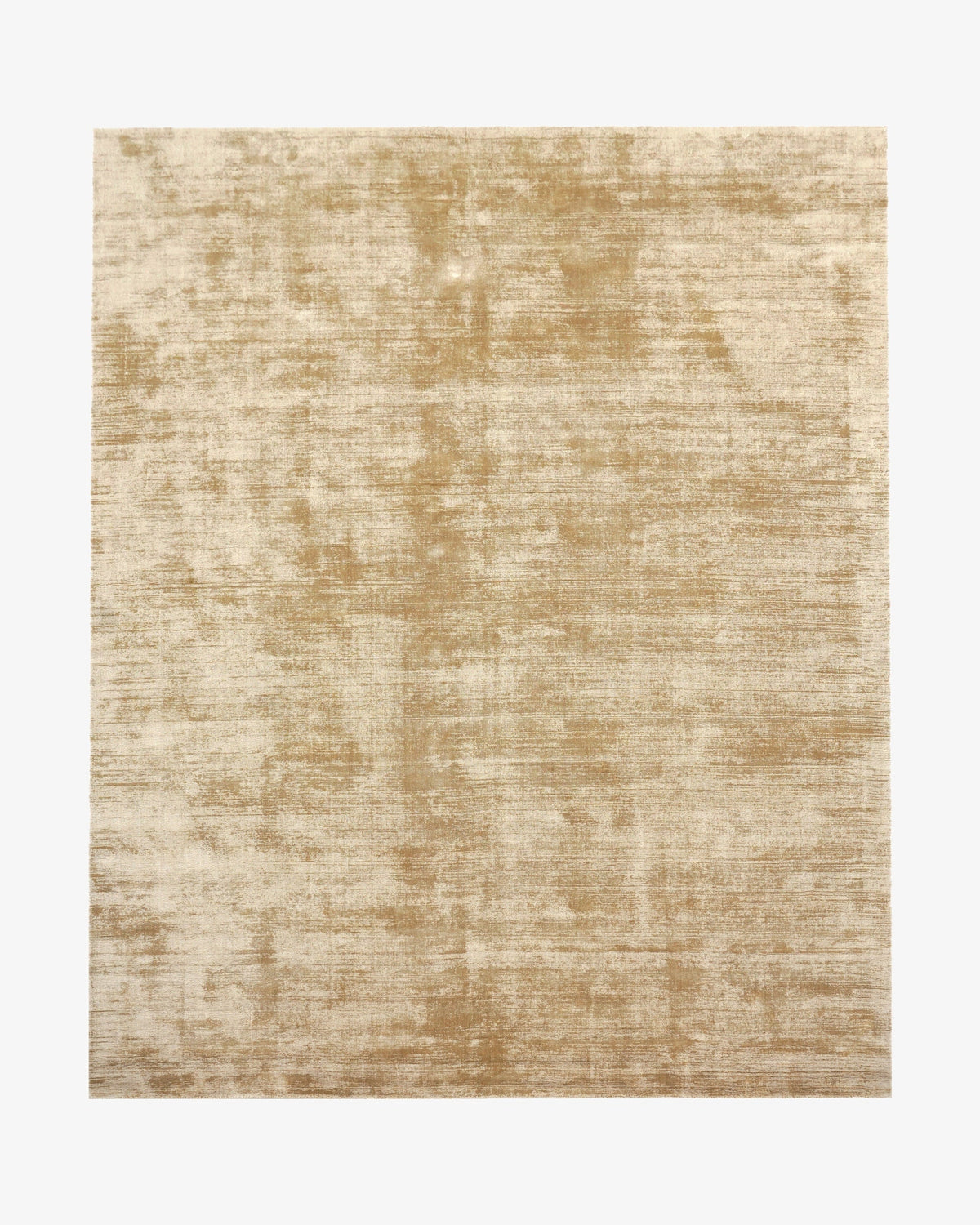
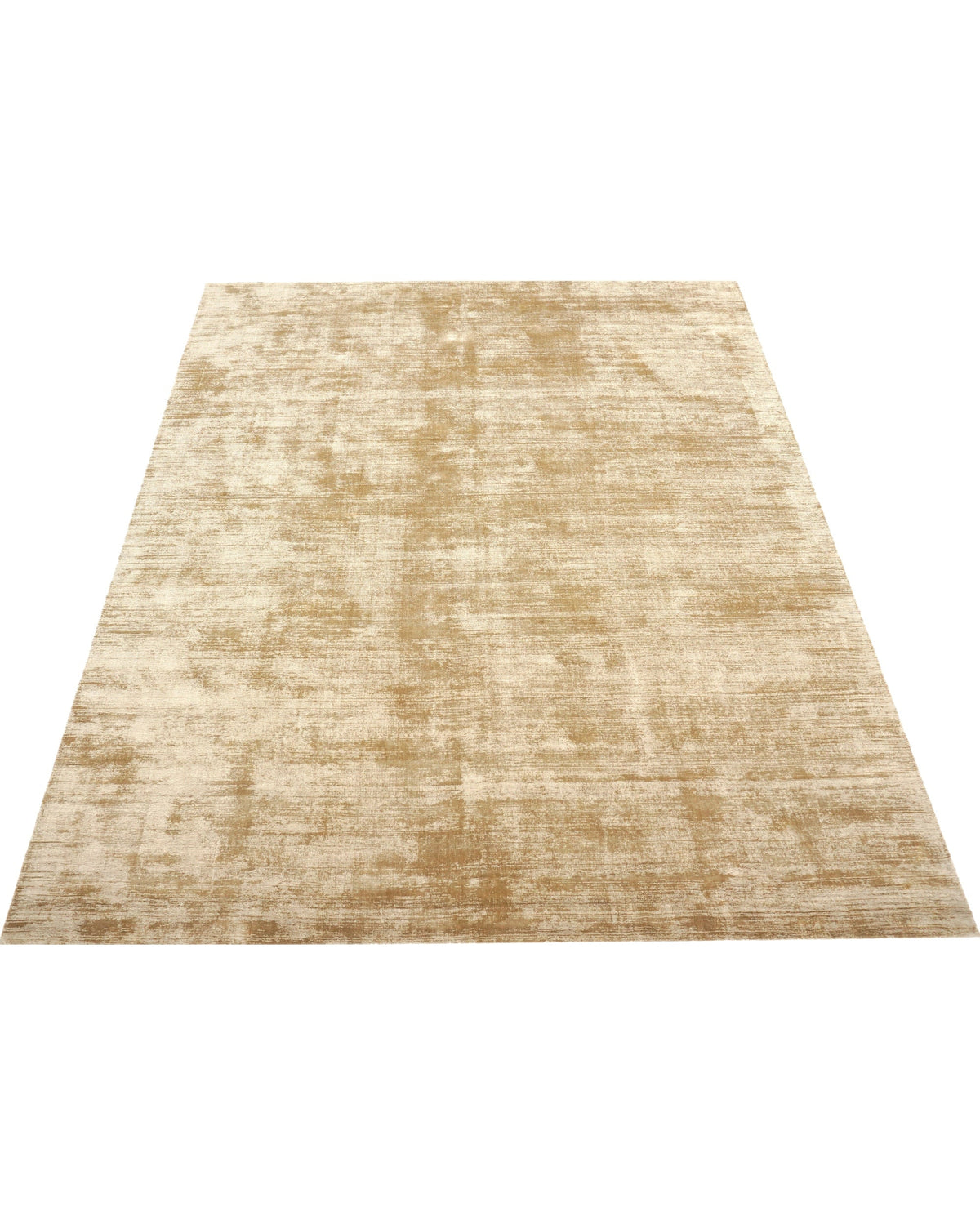
- Rugberry's Luma Silk Rug in Gold and Nuva Silk Rug in Camel are handloom Botanical Silk at 10 mm, regular price ₹40,000 for 5x8 ft ex GST at the time of writing, and change the most from daylight to lamplight.
- The safest way to choose a rug colour is to see a swatch on your own floor in morning daylight, evening lamplight and under the room's main ceiling light.
Why does my rug look different at different times of day?
Your rug looks different through the day because daylight itself changes colour, from cool blue in the morning to warm gold at sunset, and the angle of the sun changes how light hits the pile. The rug has not changed; the light has.
In most Indian homes, the shift is strong. Morning light in a north facing room is cool and even.
Afternoon sun through a west window is hot and low, and pours across the floor at a sharp angle. A rug that looked greige at 9 am can look honey brown at 5 pm.
Then the lights come on. Many Indian homes still use cool white LED panels or tube lights at around 6500 K, which flatten warm colours and turn beige into grey. Warm white bulbs at 2700 to 3000 K do the opposite and make every rug look warmer.
Understanding the three variables, temperature, direction and the rug's own sheen, lets you predict how a rug will behave before it arrives. Our post on rug colour in natural light covers daylight on its own.
How does colour temperature change a rug's colour?
Colour temperature changes a rug's colour by tinting all the light that reflects from it: warm light below 3000 K adds yellow and red, neutral light around 4000 K shows the rug closest to its dyed colour, and cool light above 5000 K adds blue and drains warmth.


| Light source | Colour temperature | Effect on warm rugs | Effect on cool rugs | Where you find it |
|---|---|---|---|---|
| Candle, diya, very warm lamp | About 1900 to 2200 K | Rich, deep, glowing | Greys turn brown | Festive evenings |
| Warm white LED bulb | 2700 to 3000 K | Warm and soft | Greys look warmer | Living rooms, bedrooms |
| Neutral white LED | About 4000 K | Close to true colour | Close to true colour | Kitchens, studies |
| Cool white LED panel or tube | 5000 to 6500 K | Flattened, slightly grey | Crisp, cooler, bluer | Older living rooms, offices |
| Midday sun through glass | About 5500 K | Bright and true, may bleach | Bright and true | South and west facing rooms |
For an Indian living room lit by cool white panels, choose a cooler rug such as greige, grey or charcoal over a warm camel or gold, because cool light flattens warm colours and makes them look muddy. Better still, change the bulbs to warm white.
The quality of light matters as well as its temperature. Cheap LEDs with a low colour rendering index, CRI below 80, make every colour look duller. A bulb rated CRI 90 or above shows a rug, and everything else, closer to its true colour.
How does light direction change a rug's sheen?
Light direction changes a rug's sheen because the fibres of a cut pile lean slightly one way. Looking along the lean, you see the sides of the fibres, which reflect light and look paler. Looking against the lean, you see the cut tips, which absorb light and look darker.

This is called shading, and every cut pile rug has it to some degree. It is not a fault. It is the reason a hand made rug looks alive as you walk around it, and why the same rug photographed from two sides can look like two different rugs.
Shading is stronger in a low pile with a sheen, such as Botanical Silk, and weaker in a matte wool or a loop pile. Our glossary entry on pile direction explains how to find it: brush your hand across the rug, and the smooth direction is the way the pile leans.
- Pile leaning away from the main window: the rug looks lighter and shinier from the sofa.
- Pile leaning towards the main window: the rug looks deeper and darker from the sofa.
- Footpaths across the pile: the pile gets pushed and shows lighter or darker tracks, which brush out with a soft brush or a vacuum.
The rug has not changed between morning and evening. The light has.
Why does a Botanical Silk rug change more than a wool rug?
A Botanical Silk rug changes more than a wool rug because Botanical Silk is a smooth, lustrous plant based fibre that reflects light like a mirror at certain angles, while wool has a scaly, crimped surface that scatters light evenly. The result is a moving sheen on Botanical Silk and a steady matte glow on wool.


Rugberry's Luma and Nuva rugs are handloom Botanical Silk at 10 mm. In daylight, the Luma Silk Rug in Gold holds the light and lets it go as you cross the room.
Under a warm lamp, it deepens to an amber. Under cool white light, it can read as a pale khaki.
The Nuva Silk Rug in Camel moves the same way, with a sheen that deepens and softens as the light turns. That movement is the reason to choose it: it makes a still room feel alive in the evening.
If you want a rug that looks the same at every hour, choose matte wool, such as the handloom Grain range, over Botanical Silk. Rugberry's guide to wool versus Botanical Silk compares the two fibres in use.
Wool behaves more quietly. A New Zealand wool pile scatters light, so its colour shifts with the bulb but its sheen stays steady. Wool and Botanical Silk blends, such as the Cabella range, sit between the two: mostly calm, with a lift of sheen where the Botanical Silk sits.
None of this is a fault in either fibre. It is a choice between a rug that changes with the day and a rug that stays the same, and both have their place.
How should you light a room around a rug?
Light a room around a rug with layers: a warm, dimmable ceiling light for general use, two or three low lamps at seating height for the evening, and daylight controlled by sheer curtains. Low, side light is what shows a rug's texture and sheen at its best.

Overhead light flattens a rug, because it falls straight down onto the pile and hides its texture. Lamps at 1 to 1.5 metres high send light across the rug at an angle, which shows the weave, the carving and the sheen. That is why rugs look richer in the evening.
- Use warm white, 2700 to 3000 K, CRI 90 or above, in living rooms and bedrooms.
- Put a floor lamp at the end of the sofa, so its light crosses the rug at a low angle.
- Use sheer linen or cotton curtains on west windows to soften harsh afternoon sun.
- If you have cove lighting, keep it warm and dimmable; cool cove light turns a warm rug grey.
In a festive season, many homes add diyas and fairy lights. Their very warm glow, around 2000 K, is kind to rugs. Keep open flames well away from the pile; our post on placing a diya near a rug sets out safe distances.
How do you choose a rug colour that works in your light?
Start by noting which way your main windows face. North light is cool and steady all day, east light is warm in the morning, south light is strong at midday and west light is hot and low in the evening. Each favours different rug colours.
Choose a rug colour by testing a swatch in your own room at three times: morning daylight, late afternoon sun and evening with your lamps on. Look at it from the sofa, from the door and from standing height, because each view changes the sheen.
Screens are the least reliable judge. A photograph is taken in one light, edited on one screen and seen on another. Rugberry's guide to judging rug colour online explains the gaps, and a swatch closes them.
Lay the swatch where the rug will lie, not on a table. Turn it through 180 degrees and look again, to see the shading from both directions. Then put a cushion or a fabric sample from your sofa beside it, as the two will always be seen together.
If you are undecided between a warm and a cool shade, live with both swatches for three days. The one you still like at night, under your own lights, is the right one. The Luma Collection shows every Botanical Silk colour, and the Rugberry rug guide links every colour and fibre guide.
Frequently asked questions
Why does my rug look darker from one side?
A rug looks darker from one side because its cut pile leans in one direction. Looking against the lean shows the dark fibre tips, while looking along it shows the paler, reflective sides of the fibres.
What light bulb is best for showing a rug's true colour?
A neutral white LED at about 4000 K with a colour rendering index of 90 or more shows a rug closest to its true colour. For living rooms, warm white at 2700 to 3000 K is more flattering.
Does Botanical Silk look shiny in every light?
Botanical Silk shows a soft sheen that changes with the angle and colour of the light. It looks most lustrous in low side light and calmer under direct overhead light.
Why does my beige rug look grey at night?
A beige rug often looks grey at night under cool white LED or tube lights of 5000 to 6500 K, which drain warm colours. Switching to warm white bulbs brings the beige back.
Which rug changes least with lighting?
A matte wool rug with a textured weave changes least with lighting, because wool scatters light evenly. Rugberry's handloom Grain Wool Rug is a good example.
See the rug in your own light before you decide. Material first.




Leave a comment
This site is protected by hCaptcha and the hCaptcha Privacy Policy and Terms of Service apply.