



Why a New Rug Is Washed Before It Ships
A handmade rug is usually washed once it is finished, to clear the dust and residue of making it and to let the yarn relax into its final shape. That wash is why a good wool rug feels soft on the day it arrives rather than months later.
In short
- A finishing wash on a handmade rug removes loose fibre, dust and spinning residue left from weaving, knotting or tufting.
- Washing lets wool fibres relax and open, which makes a new wool rug feel softer and look more even in colour.
- A wool rug can feel slightly different after its first Indian monsoon, because wool takes up moisture from humid air and the pile relaxes further.
- Jute reacts to humidity more than wool, so a jute rug should be kept off damp floors during the monsoon.
The exact recipe differs from rug to rug and maker to maker, so this Rugberry guide explains what a finishing wash does in general, and what that means for the rug in your home.
What does a finishing wash do to a new rug?
A finishing wash cleans the rug, relaxes the yarn and settles the surface. It is the step that turns a rug that has just been made into a rug ready to live on.

During making, a rug collects fibre dust, loose ends and the light oils used in spinning. A wash carries these away. It also gives the yarn a chance to swell and settle around the knots or the weave, so the surface closes up and looks more uniform.
Why is a handmade rug washed at all?
A handmade rug is washed because the making leaves it dusty, stiff and slightly uneven. Weeks or months of handling on a loom or a frame show in the surface.
Clearing what the making leaves behind
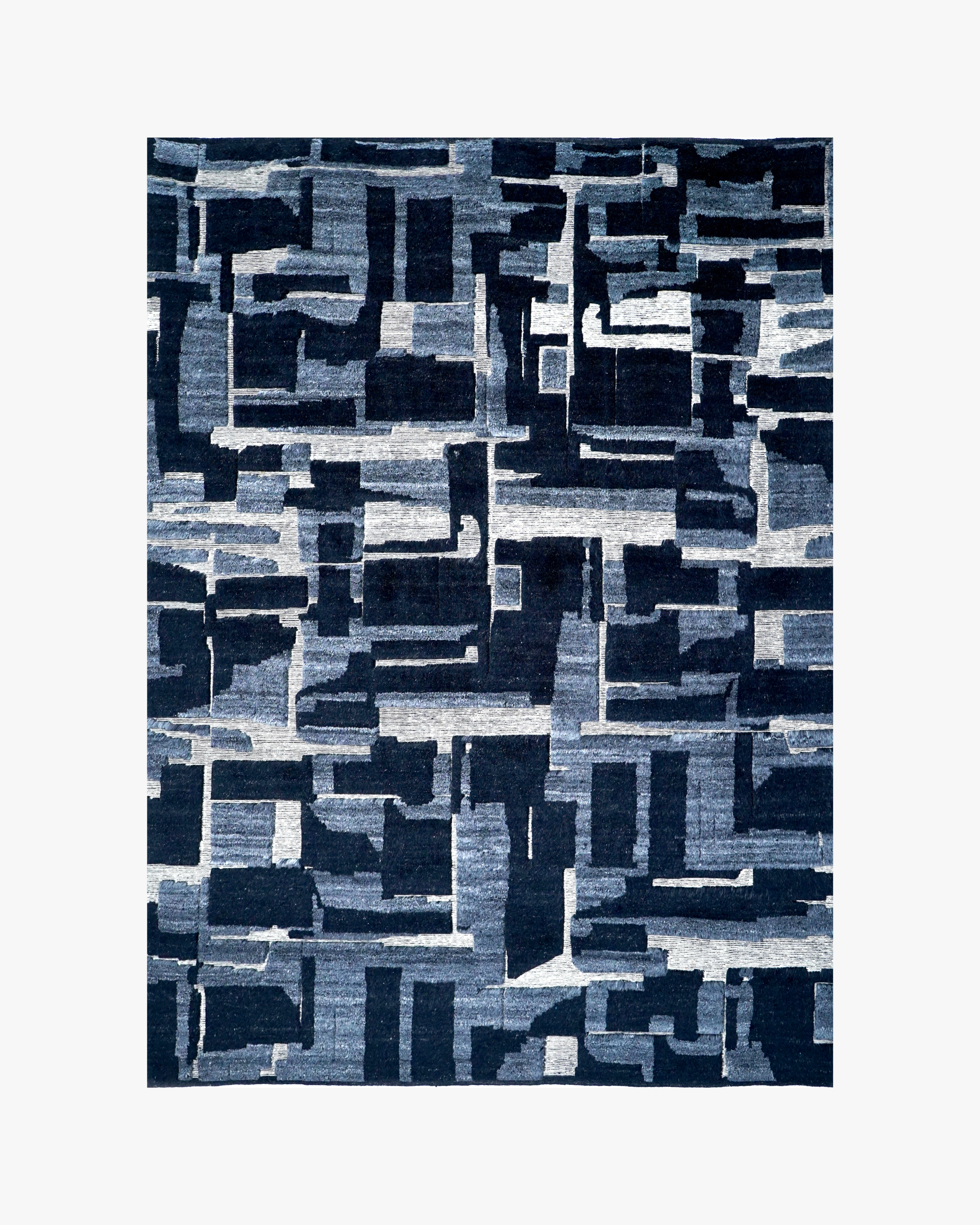
A hand-knotted rug such as the Stratum Knotted Rug in Abyss is tied knot by knot, and each knot is cut, which leaves short clippings caught in the pile. Washing lifts most of them out. What remains comes out over the first few weeks of vacuuming, which is normal shedding rather than a fault.
Letting the rug find its shape
Yarn under tension on a loom does not lie the way it will on a floor. Wetting and drying a rug lets the fibres relax, which is one reason a finished rug lies flatter than one that has never been washed. After drying, the rug is usually shorn and checked again, which our guide to rug shearing explains.
How does a wash change softness and colour?
A wash softens wool and evens out its colour, and it can bring up a quiet sheen. The effect is strongest on wool, which is why wool rugs gain the most from it.


Each wool fibre is covered in fine scales. Water and gentle agitation help them lie down and let the fibre open, so the pile feels fuller under the hand. A little of the natural grease in wool, lanolin, stays behind, which is part of why wool resists dirt.
Colour reads more evenly after a wash because loose dye and dust are gone and the fibres reflect light in the same direction. Some rugs are given stronger washes on purpose to soften or age the colour. That is a design choice, and a product page should say so if it applies.
Why does a rug feel different after its first monsoon?
A wool rug feels different after its first monsoon because wool absorbs moisture from humid air, and that moisture relaxes the pile a little further. Most owners notice a slightly softer, fuller hand by the end of the rains.

In Mumbai, Kochi or Kolkata, indoor humidity can stay high for weeks. Wool can hold a good share of its weight in moisture without feeling wet, then release it again as the air dries. That slow in and out is part of what settles a new rug.
A new wool rug is not finished settling on the day it arrives. The first monsoon completes the job.
The same humidity can wake up the smell of a new rug for a few days, especially in a closed room with the air conditioning off. Open the windows on a dry afternoon and it fades. A smell that grows stronger, or a damp patch, points to a wet floor below rather than the rug itself.
How should you treat a new rug in its first months?
Treat a new rug gently for the first two or three months: vacuum it often, keep it off damp floors and turn it once. Small habits now set how it wears for years.

- Vacuum with suction only. Turn off the rotating brush for the first weeks so loose fibre lifts without pulling at the pile.
- Keep it dry underneath. After mopping a marble or vitrified floor, let it dry fully before the rug goes back down.
- Turn it once. Rotating the rug 180 degrees after a few months evens out wear from a sofa or a doorway. See rotation in the glossary.
- Do not wash it yourself. A rug that has had its finishing wash does not need another at home. Spot clean spills and leave full washes to a specialist.
Which fibres respond most to washing and humidity?
Wool responds most, jute is the most sensitive to damp, and hand-knotted rugs are the most stable. For a humid coastal home, choose wool over jute, because wool tolerates moisture far better.


| Fibre and construction | After washing | In monsoon humidity |
|---|---|---|
| Hand-knotted wool, such as Stratum or the Fern Hand Knotted Wool Rug | Softer, even in colour | Relaxes slightly, stays stable |
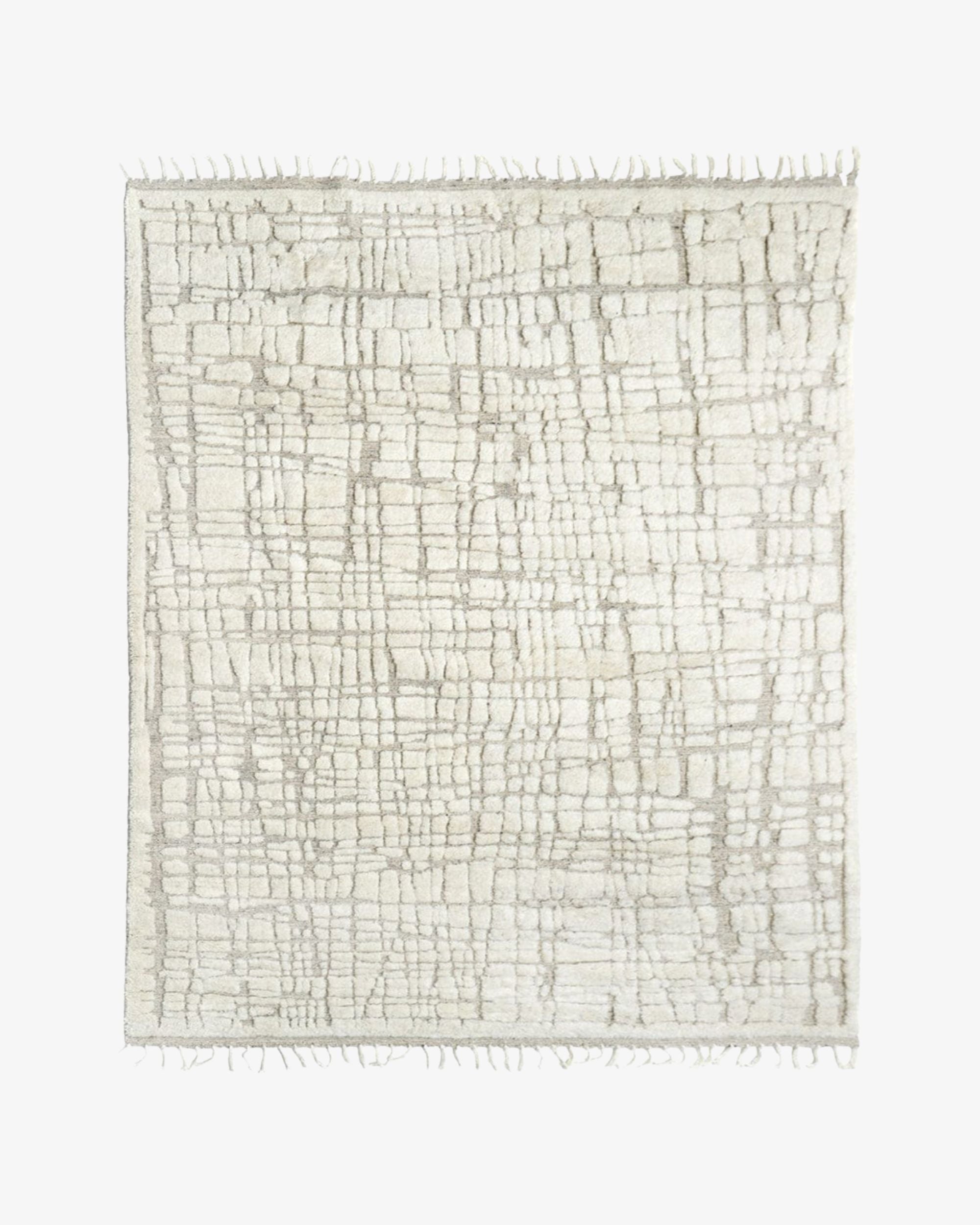
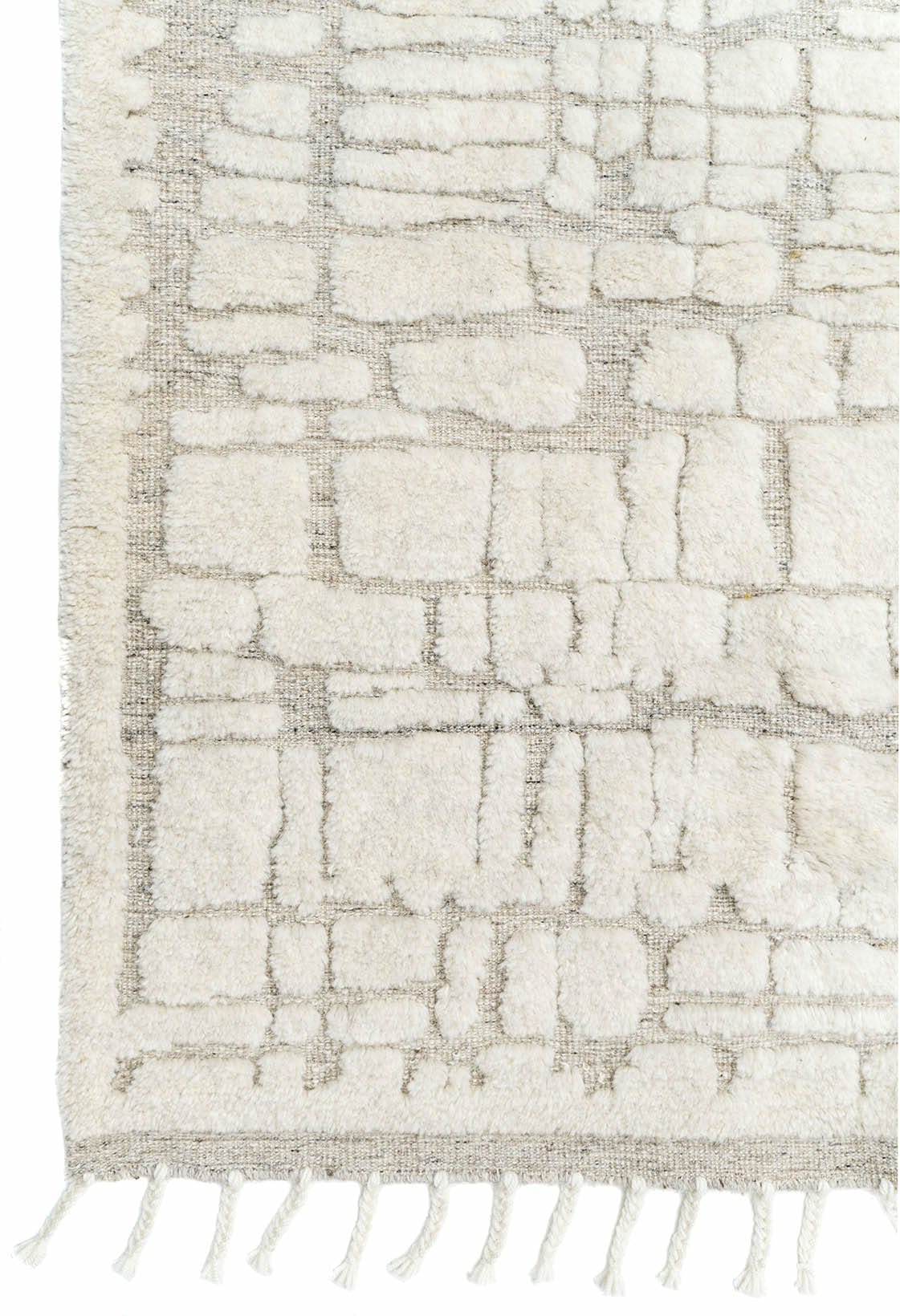
| Handloom wool, such as the Grain Wool Rug in Tan | The weave closes up, surface evens | Can soften a little, holds its shape |
| Jute | Firmer, colour can deepen | Takes up damp, keep off wet floors |
The Rugberry Grain Wool Rug in Tan, handloom New Zealand wool from about ₹37,000, is a sensible choice for a dining room in a humid city. Its low, closely worked surface does not trap moisture the way a deep pile can. For the knotted end of the range, browse the hand-knotted rugs.
Frequently asked questions
Do I need to wash a new rug before using it?
No. A handmade rug has normally been washed and finished before it reaches you. Vacuum it gently with suction only for the first few weeks instead.
Why is my new wool rug shedding if it was washed?
A wash removes most loose fibre, but short clippings stay caught in the pile and work their way up with use. Light shedding in the first weeks of a wool rug is normal and slows down with regular vacuuming.
Can I wash a Rugberry rug at home in the monsoon?
It is best not to. A rug that stays wet in humid weather dries slowly and can develop a musty smell, so spot clean at home and send a full wash to a professional rug cleaner in a dry month.
A good wash is the last quiet step of making a rug. Material first.





Leave a comment
This site is protected by hCaptcha and the hCaptcha Privacy Policy and Terms of Service apply.