



Why a Rug Bleeds Colour and What to Do
A rug bleeds colour when too much water, heat or a harsh cleaner loosens dye and carries it into neighbouring fibres. If you see it, stop adding water, blot firmly with dry white cloths and dry the rug fast with moving air, then call a professional cleaner.
In short
- Rug colour bleeding usually happens when a rug is over wetted, dried too slowly or cleaned with hot water, alkaline detergents or bleach, which loosen dye from the fibre.
- The first response to bleeding is to stop adding water, blot with dry white towels and dry the area quickly with fans, because dye keeps moving for as long as the fibre is wet.
- Rugs with strong contrasts, such as black on ivory or deep rust and teal beside pale grounds, show bleeding most, so they deserve the gentlest cleaning.
- Colour that has already set can often be reduced but not always fully removed, and professional rug cleaners have dye stabilising treatments that are not safe to try at home.
What does colour bleeding look like?
Colour bleeding looks like a soft halo of a dark colour spreading into a lighter one, a pink or brown tint across an ivory area, or a tide mark where a wet patch has dried. It appears after water, not during normal use.
On a patterned rug, it shows first at the edges where two colours meet. A black line on an ivory field may grow a faint grey shadow. A rust motif may leave a pink cast on the pale ground beside it.
Bleeding is different from fading. Fading is colour lost to sunlight over months, evenly across exposed areas. Bleeding is colour moving from one place to another, usually suddenly, after a spill, a flood or an enthusiastic home wash.
It is also different from colour transfer, where dye from something else, such as a wet newspaper, a red cushion or a dyed doormat, stains the rug. The first aid is similar, but the source is outside the rug. Rugberry's note on colour variation in handmade rugs covers the natural differences that are not bleeding at all.
Why does a rug bleed colour?
A rug bleeds colour when its dye is loosened from the fibre and carried by water. The main triggers are too much water, water left too long, heat, and strong or alkaline cleaning products.


| Trigger | What happens | How to avoid it |
|---|---|---|
| Soaking or flooding | Dye migrates while the rug stays wet | Extract water and dry fast |
| Slow drying in humid weather | Moisture wicks colour into the pile tips | Fans, dehumidifier, raise the rug |
| Hot water or steam at home | Heat loosens dye | Use cold water only |
| Alkaline detergents, soda, bleach | Strip and shift dye, weaken wool | Use a mild wool safe detergent, or none |
| Strong stain removers and oxygen powders | Lift dye along with the stain | Test on a hidden corner first |
| Pet urine left to sit | Alkaline urine shifts dye over time | Blot at once and rinse lightly |
Wool and Botanical Silk take dye deeply, and good dyeing practice fixes colour well. Rugberry's guide to how wool takes colour explains the process.
Even so, no dyed fibre is immune to a soaking with hot alkaline water. The verdict: most bleeding is caused by the cleaning, not by the rug.
What should you do the moment you see bleeding?
Stop adding water at once, then blot firmly with dry white towels to pull moisture and loose dye out of the pile. Keep changing the towels until they come away with little or no colour.

The instinct is to rinse more, hoping to wash the colour away, but that usually spreads it. Water is the vehicle; the less there is, the less the dye can move. Blot, do not rub, and press from the clean area toward the coloured one so you do not drag dye outward.
Then dry the area fast. Raise that part of the rug on a stool or a rolled towel so air reaches the back, and point a fan across both sides. In humid weather, a dehumidifier in a closed room speeds this up a great deal.
Dye moves for as long as the fibre is wet. Dry it fast, and the bleeding stops spreading.
Do not lay the rug back on the floor, or put furniture on it, until it is dry right through. Pressing a dry tissue into the base of the pile tells you; if the tissue comes up damp or tinted, keep drying.
What should you never use on a bleeding rug?
Never use bleach, hot water, steam, ammonia, washing soda, harsh stain removers or a pressure washer on a bleeding rug. Each can fix the stray colour permanently or strip colour from the areas around it.
Bleach removes colour, but not selectively. It lightens the bled dye, the rug's original colours and the wool fibre itself, leaving a pale, weakened patch. Household phenyl and floor cleaners carry similar risks.
Heat sets dye. A hot water rinse, a steam cleaner or an iron with a damp cloth can lock a temporary halo into the fibre for good. If you must use water, use it cold and sparingly.
Scrubbing with a brush roughens the pile and pushes colour deeper. On Botanical Silk especially, scrubbing distorts the fibre and leaves a lasting change in sheen. For any rug with Botanical Silk in it, blot and dry only, then call a professional.
What about colour transfer from other things?
Colour transfer from outside the rug is treated the same way: blot, keep water to a minimum and dry fast. Common culprits in Indian homes are wet newspapers, dyed doormats, rangoli powder, new cushion covers and footwear soaked in the monsoon.
Keep anything freshly dyed or damp off a pale rug until it is dry. A new red cushion left on an ivory rug after a rain shower can mark it just as surely as the rug's own dye.
Which rugs show bleeding most?
Rugs with strong contrasts between dark and pale colours show bleeding most clearly, because even a little dark dye is visible on a light ground. Solid deep colours hide it far better.


The Clique Wool Rug in Pitch Black is hand tufted New Zealand wool at 14 to 16 mm, clustered forms on a black ground. Its regular price is ₹50,000 for 6x9 ft and ₹74,000 for 8x10 ft, ex GST at the time of writing. Rugs like this, with pale and dark side by side, deserve the gentlest cleaning.
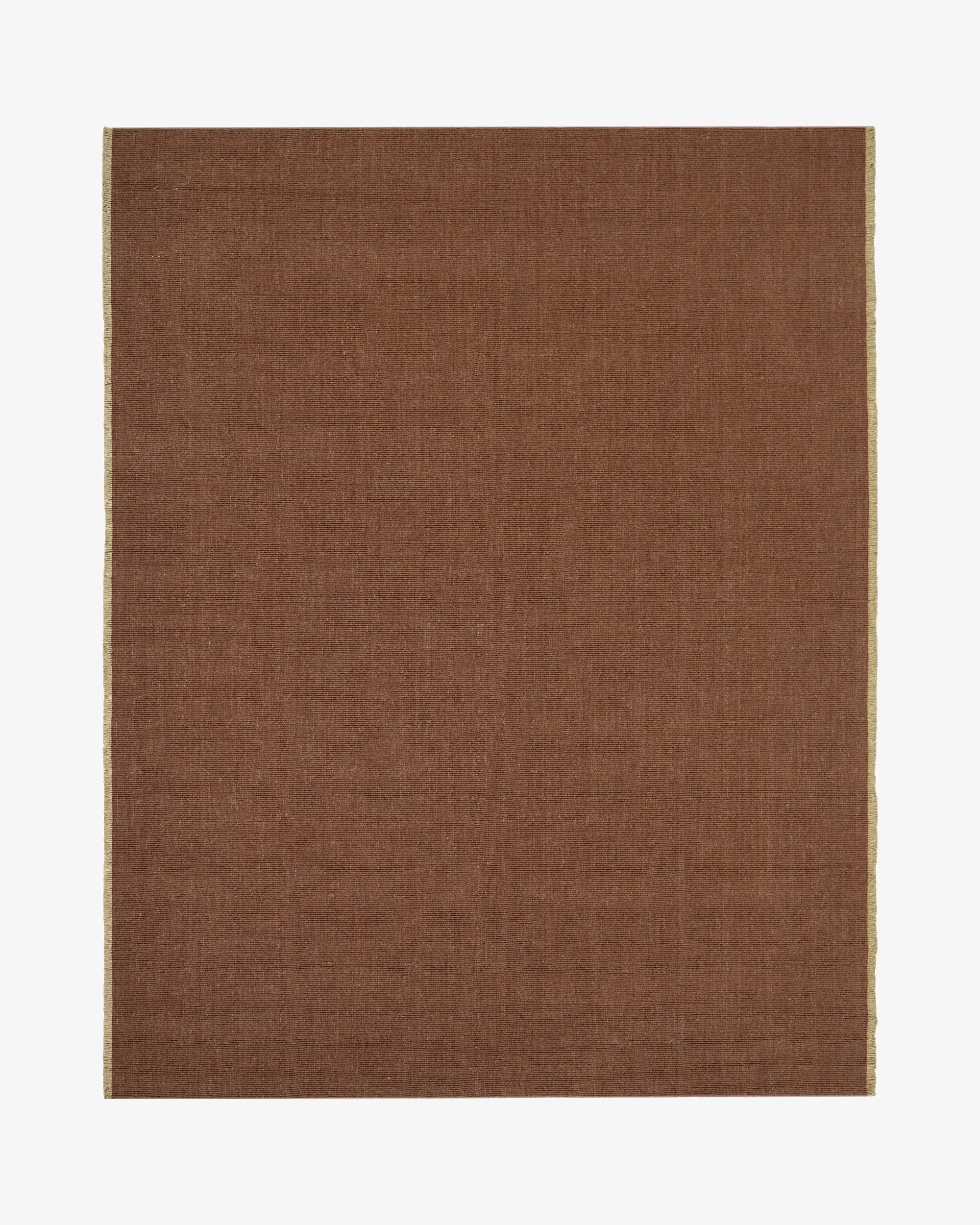
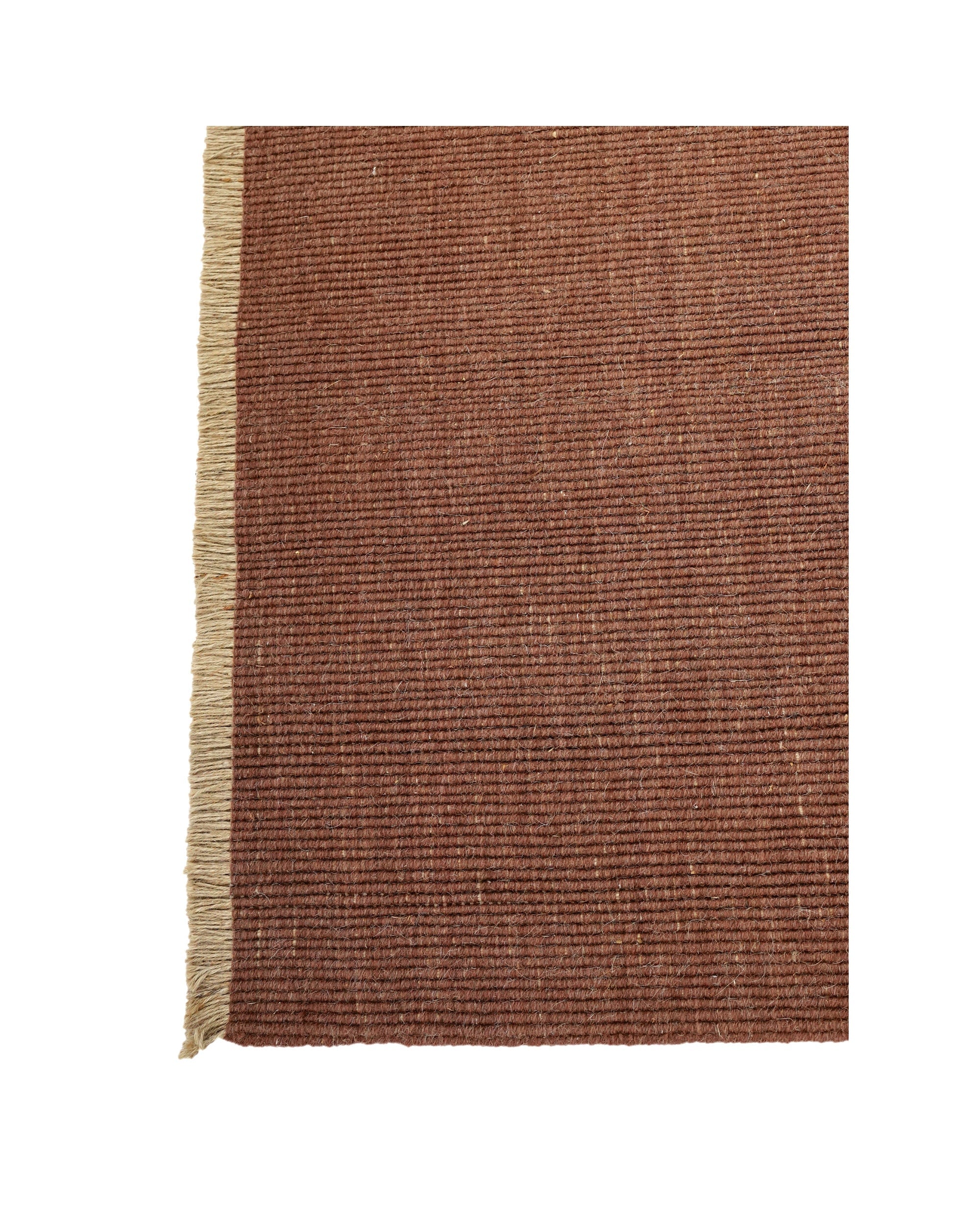
Deep, saturated single colours are more forgiving. The Teal Wool Rug, hand tufted New Zealand wool in a deep teal, is listed at ₹50,000 for 6x9 ft before GST; any slight dye movement within one colour is hard to see. The Cabra Wool & Jute Rug in Rust, handloom wool and jute at 7 to 8 mm, is ₹45,900 for 6x9 ft ex GST.
Jute adds one more caution. It does not like being wet at all and can brown when soaked, which can look like bleeding even when the dye has not moved. For wool and jute rugs, blot spills quickly and keep water to a minimum.
How do you clean a rug without causing bleeding?
Clean a rug without causing bleeding by using as little water as possible, cold water only, a mild wool safe detergent if any, and fast drying. Always test a hidden corner first.


For a spot clean, mix a few drops of a wool safe detergent in a cup of cold water. Dampen a white cloth, not the rug, and dab a hidden corner.
Wait ten minutes and press a dry white tissue on it. If any colour comes up, stop and call a professional.
If the test is clean, dab the stain lightly, blot with a dry cloth, then rinse by dabbing with a cloth dampened in plain cold water. Blot dry and point a fan at it. Never pour liquid directly onto the rug.
For the whole rug, use a professional cleaner who works with handmade wool. A good cleaner tests every colour before washing, controls water temperature and pH, and dries the rug quickly and evenly. Rugberry's guide to flatweave rug care and its daily care notes cover routine cleaning between washes.
Can bleeding be fixed once it has dried?
Bleeding that has dried can often be reduced by a professional cleaner, but it cannot always be fully removed. The earlier a cleaner sees it, the better the result.
Professional rug cleaners use colour stripping and dye stabilising treatments made for wool. These can lift stray dye from pale areas without stripping the original colours, but they need careful control and are not safe to try with home chemicals.
Results vary with the fibre, the dyes and how long the bleed has sat. A faint halo treated within days often clears almost entirely. A heavy bleed left for months may only soften.
It is honest to expect improvement rather than perfection.
If a rug is still in Rugberry's care period or you are unsure what caused the bleeding, contact Rugberry before any treatment, with photographs, so the right advice can be given. The fine wool rugs and the pattern rugs carry care notes on every product page.
Frequently asked questions
Why is my rug bleeding colour?
A rug usually bleeds colour because it has been over wetted, dried too slowly, or cleaned with hot water or a strong detergent. These conditions loosen dye and let water carry it into lighter areas.
How do I stop a rug from bleeding?
Stop adding water, blot firmly with dry white towels, and dry the area quickly with fans and good airflow. The dye stops moving once the fibre is dry.
Can I use bleach on colour bleeding in a rug?
No, bleach strips the rug's original colours and weakens wool along with the stray dye, leaving a pale damaged patch. A professional cleaner has safer treatments for wool.
Will colour bleeding come out of a wool rug?
Colour bleeding can often be reduced by a professional cleaner, especially if treated early. It cannot always be fully removed, so quick drying and early help give the best result.
How can I clean a rug without the colours running?
Use cold water sparingly, a mild wool safe detergent only after testing a hidden corner, and dry fast with fans. Never pour liquid onto the rug, and use a professional for full washes.
Less water, cold water and fast drying are most of it. The fine wool rugs carry care notes on every piece. Material first.




Leave a comment
This site is protected by hCaptcha and the hCaptcha Privacy Policy and Terms of Service apply.