


Rugs for Heavy Traffic: What Holds Up
For heavy traffic, choose a low, tight surface over a deep, soft one, in wool or a wool and jute blend. A flat or closely woven rug has less pile to crush and shows footsteps far less than a plush one.
In short
- A low pile or flatwoven rug holds up better in heavy traffic than a deep pile rug, because there is less height to flatten into paths.
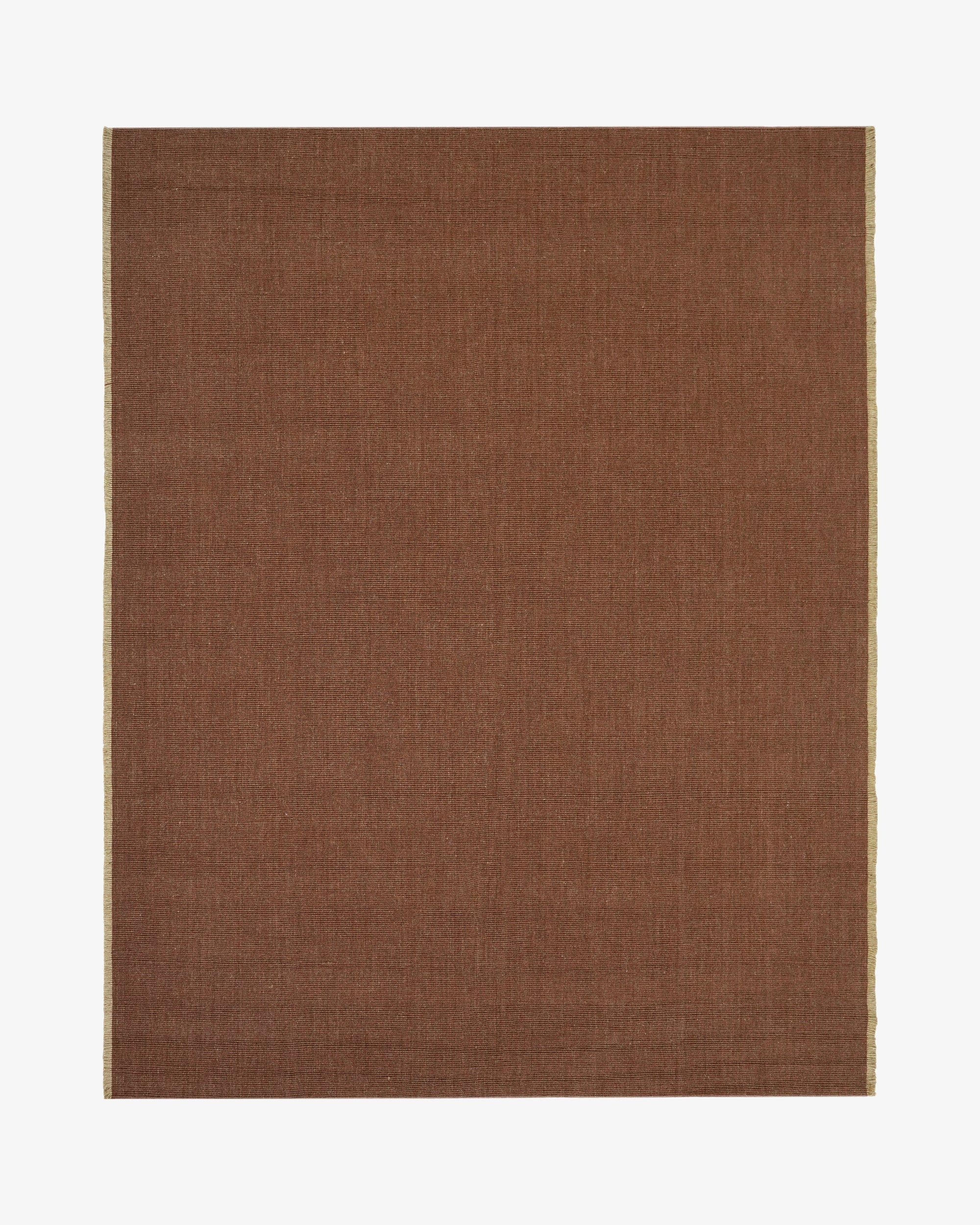
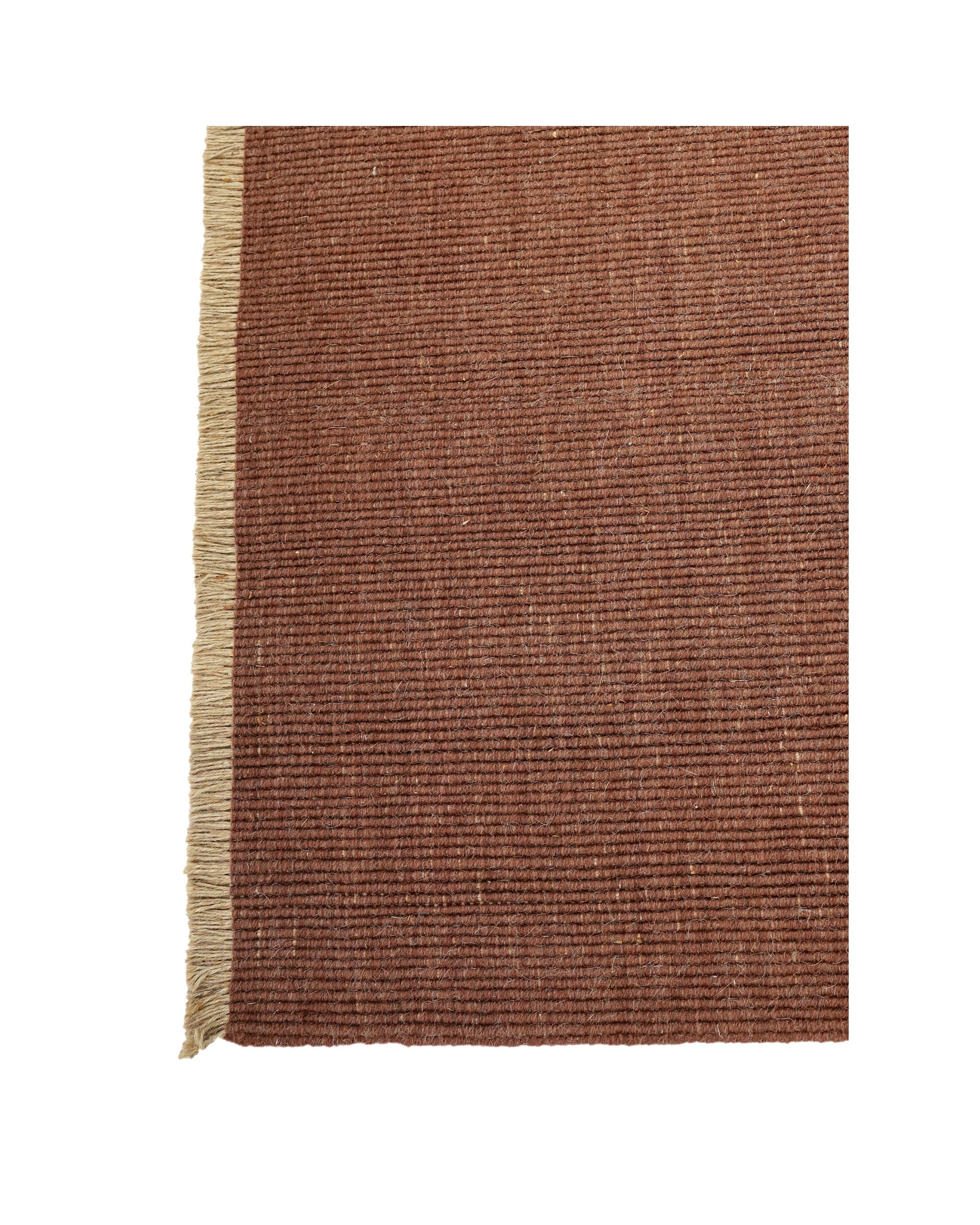
- The Rugberry Cabra Wool and Jute Rug is handloom woven in wool and jute, firm and textured, and tagged for entryways and living rooms.
- Jute handles dry footfall well but dislikes water, so it suits a dry entrance better than a spot near a bathroom or balcony door.
- A non slip rug pad and regular turning do more for a busy rug than any fibre choice alone.
Which rugs hold up best in heavy traffic?
Rugs with a low, dense surface and a resilient fibre hold up best. Wool springs back after pressure, jute is tough and firm, and a weave that is tight leaves little room for grit to work in.

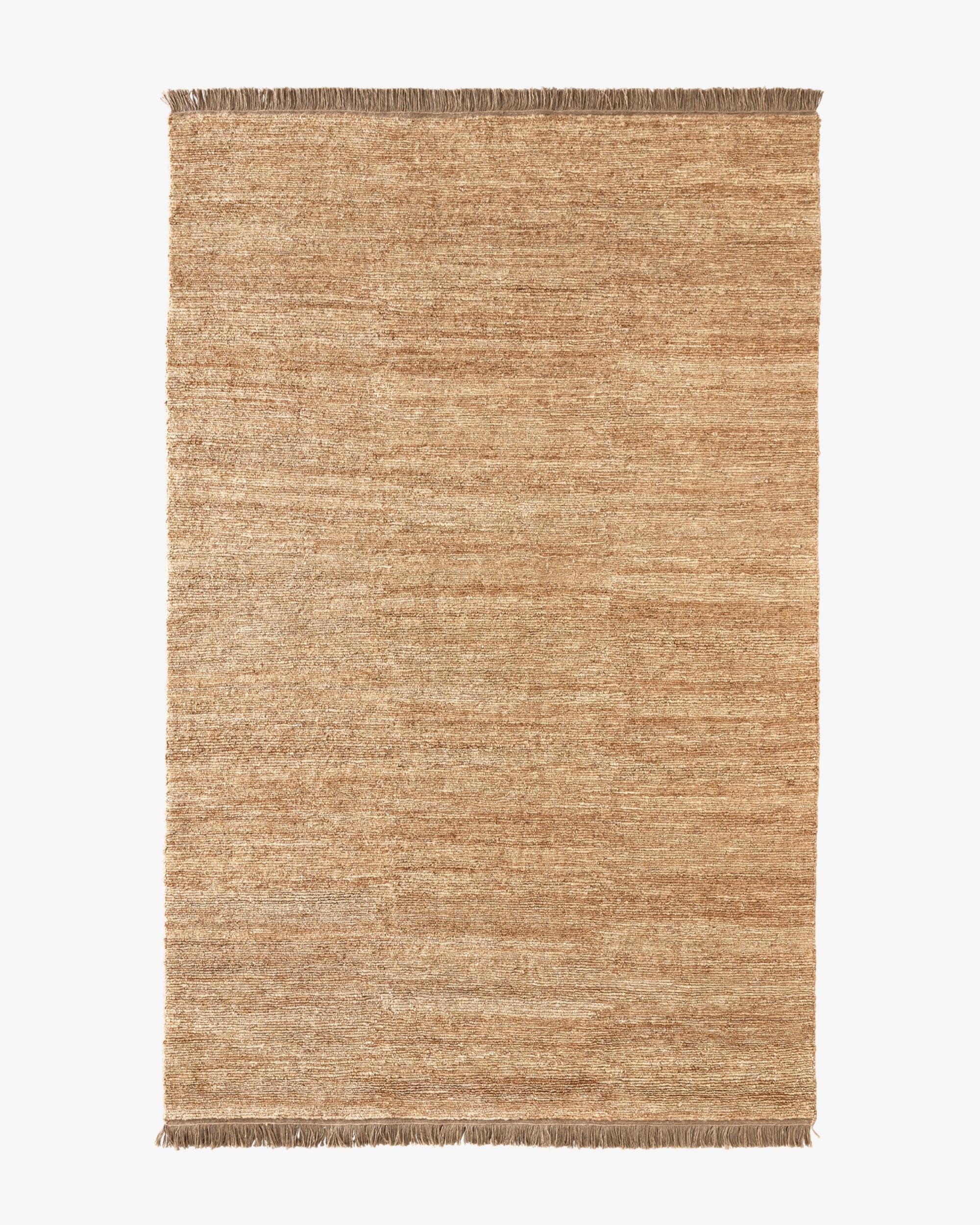
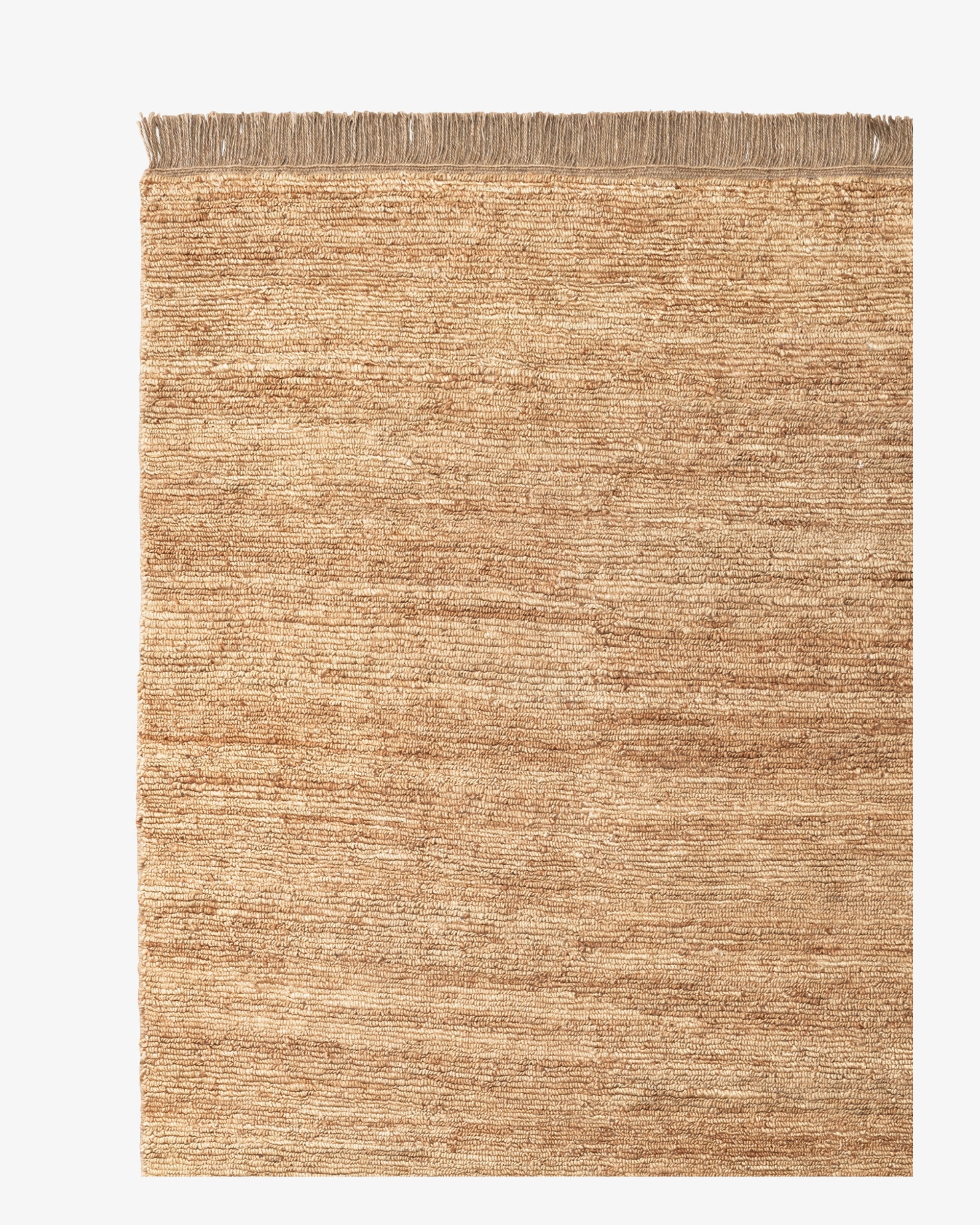
At Rugberry that points to three ranges: the handloom Grain and Cabra rugs, and the jute rugs in the jute collection. Each trades a little softness for a surface that stays even under daily use.
Why does low pile wear better than deep pile?
A deep pile bends under each step, and where people walk the same line every day, the fibres lie down in that direction and form a visible path. A low pile has less height to bend, so the path barely shows.


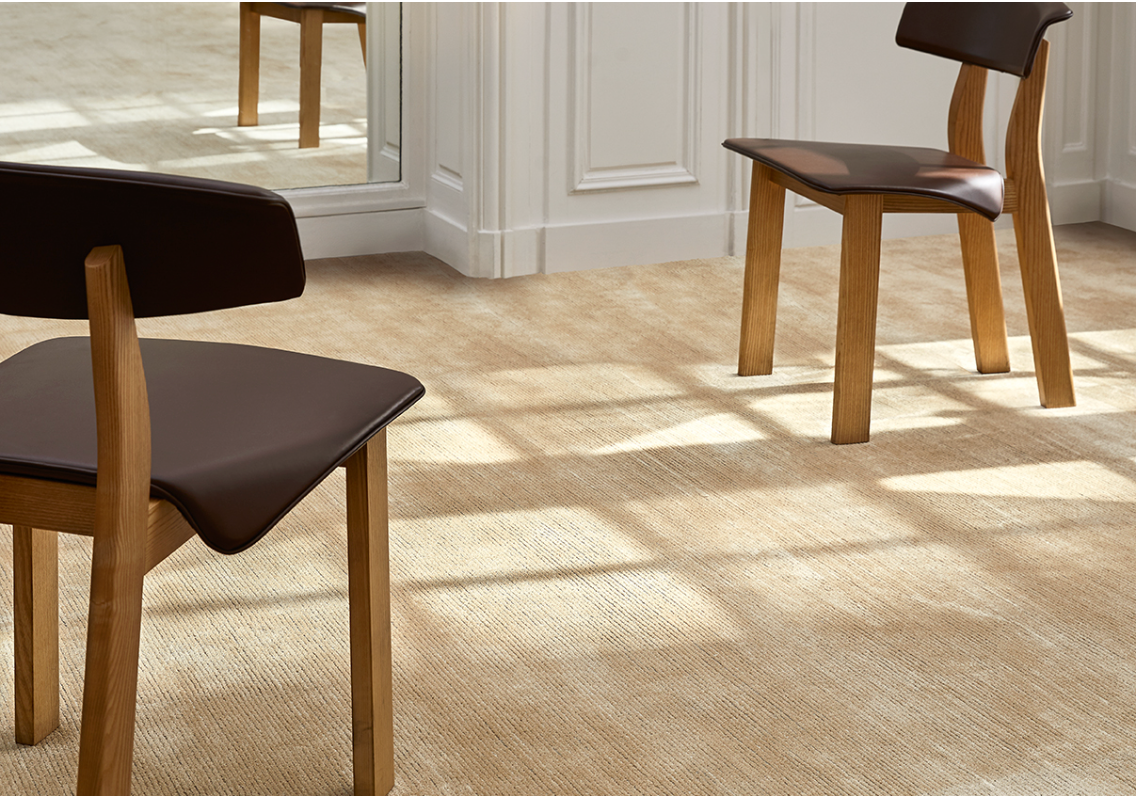
The Grain Wool Rug in tan is handloom woven in New Zealand wool with a low, closely worked surface, and the weave is visible underfoot. That makes it a natural fit for dining rooms, where chairs slide in and out several times a meal, and for the main walkway of a living room.
A quick test for any rug: press your thumb into the surface for five seconds and let go. If the dent stays, that pile will show traffic lanes; if it springs back at once, it will wear more evenly.
Wool or jute near the front door?
Choose by how dry the entrance stays. Jute is a plant fibre, strong and hard wearing, and it takes shoes and dry dust well. It does not like water: a wet umbrella or monsoon footwear can leave a mark that is hard to remove.


The Savannah Jute Rug in natural is hand knotted in jute, firm and textured, and tagged for entryways. It suits a dry foyer in a Bengaluru or Pune flat, or a passage inside the main door where shoes are already off.
Wool forgives more. A blend like the Cabra Wool and Jute Rug in rust, from about ₹34,000, brings jute's firmness with wool's resilience, and the rust colour carries everyday dust without looking grey. For an entrance that sometimes gets wet, a wool or wool blend rug is the calmer choice over pure jute.
In a busy room, a firm surface that stays even will always look better than a soft one that shows every path.
Where does traffic actually hit a rug?
Most wear lands on a few predictable lines, so plan for them before you buy.

- The threshold: the first metre inside the main door takes the most grit. Keep a coir mat outside so the rug sees cleaner shoes.
- The sofa to dining path: in open plan flats, people cross the living room rug on the same diagonal all day. A rug large enough for that path to fall on it evenly wears better than one whose edge sits right where feet land.
- The front edge: where people step on and off, the binding takes knocks. Woven rugs with firm edges cope better here than soft shag.
- Under chairs: dining and desk chairs grind the same spot. A low handloom rug lets castors and chair legs glide.
How do you set up a busy rug to last?
Put a non slip rug pad under it, especially on marble or vitrified tile. The pad stops the rug creeping and rippling, and a rug that does not move does not crease or wear unevenly at the folds.

Turn the rug end to end every few months so the main path falls on a different part of the surface. Vacuum the busiest lanes more often than the rest, with the suction on and the beater bar off for wool, and shake out jute outdoors on a dry day.
In homes with many visitors through festivals, lay a runner over the heaviest path for the season and lift it afterwards. Rotation is explained in the glossary.
Which Rugberry rug suits which busy spot?
| Busy spot | Rugberry rug | Why it suits |
|---|---|---|
| Dry entrance or foyer | Savannah Jute Rug | Hand knotted jute, firm and textured, tagged for entryways |
| Entrance that sometimes gets wet | Cabra Wool and Jute Rug | Wool softens the jute and forgives more than pure jute |
| Dining room | Grain Wool Rug | Low handloom wool surface that chairs slide over |
| Main living room path | Grain or Cabra in 8x10 ft or larger | Big enough that the path falls fully on the rug |
For a home with a steady stream of guests, choose a handloom wool or wool and jute rug over a deep pile one, because it will show far fewer paths.


Frequently asked questions
What is the most hard wearing rug material?
Wool and jute are both hard wearing. Wool recovers from pressure better and handles the odd spill, while jute is very firm under dry footfall but marks if it gets wet.
Is a jute rug good for a busy entrance?
A jute rug is good for a dry entrance where shoes come off. If the entrance gets rain, wet footwear or mopping water, a wool or wool and jute rug is easier to live with.
Should a high traffic rug be dark or light?
A mid tone such as tan, rust or umber hides everyday dust better than ivory or charcoal. Very light rugs show grit, and very dark ones show lint and dust on the surface.
Do I need a rug pad for a busy area?
Yes, especially on stone or tile. A pad keeps the rug from sliding, reduces wear at the back and makes the rug safer for elderly family members and children.
Choose the firm surface for the busy room, and keep the soft one for where you rest. Material first.



Leave a comment
This site is protected by hCaptcha and the hCaptcha Privacy Policy and Terms of Service apply.