

Wool or Jute: Choosing a Rug for Daily Use
Choose jute for dry, busy floors where a firm, textured surface is welcome, and choose wool where bare feet, spills or damp air are part of daily life. If you want some of both, a wool and jute blend sits usefully in between.
In short
- A jute rug is a plant fibre rug: firm, dry to the touch and textured, and it dislikes water and long periods of damp.
- A wool rug is springy and forgiving underfoot, and wool copes better with spills and humid air than jute does, though neither fibre is stain proof.
- Rugberry makes jute rugs such as the Kora Jute Rug from about ₹28,000 and handloom New Zealand wool rugs such as Grain from about ₹37,000, before GST.
- The Cabra Wool & Jute Rug blends New Zealand wool and jute in one handloom weave, softer than plain jute and firmer than plain wool.
What is the real difference between a wool and a jute rug?
The difference starts with the fibre itself. Jute comes from the stem of a plant, so it is stiff, smooth along its length and holds very little moisture before it starts to suffer. Wool is a protein fibre with a natural crimp, which is why a wool rug springs back after you step on it.


That one difference explains most of what follows. Jute feels firm and slightly coarse under a bare foot, and it shows wear as flattening and fraying. Wool feels cushioned, hides footprints and recovers from pressure far better.
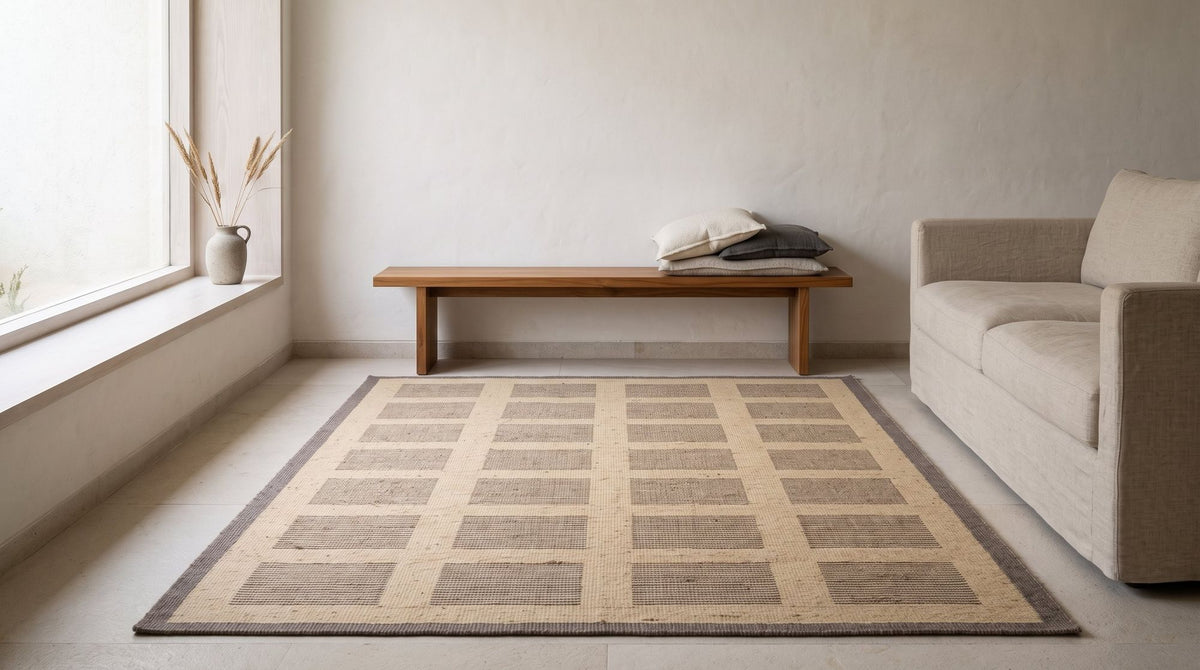
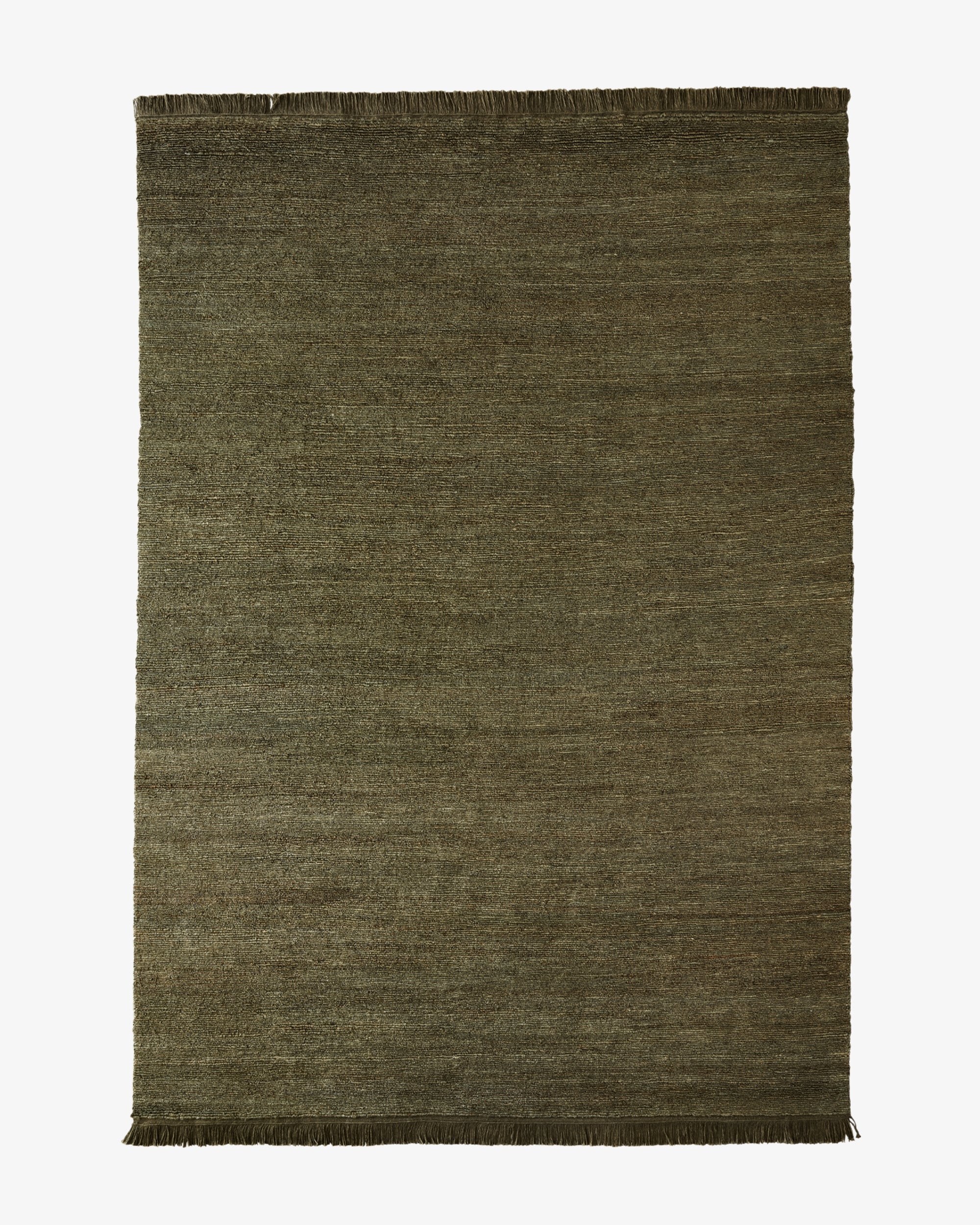
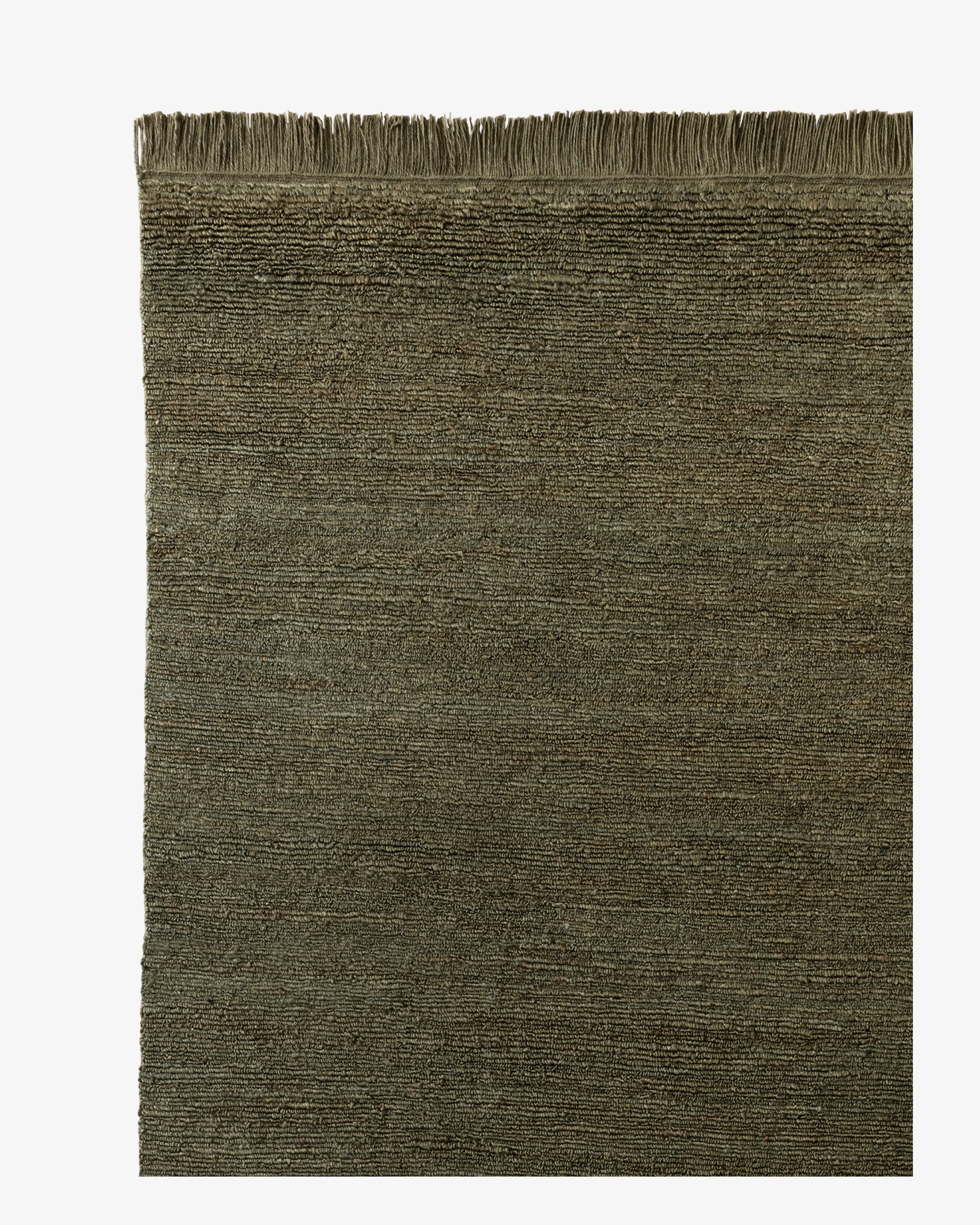
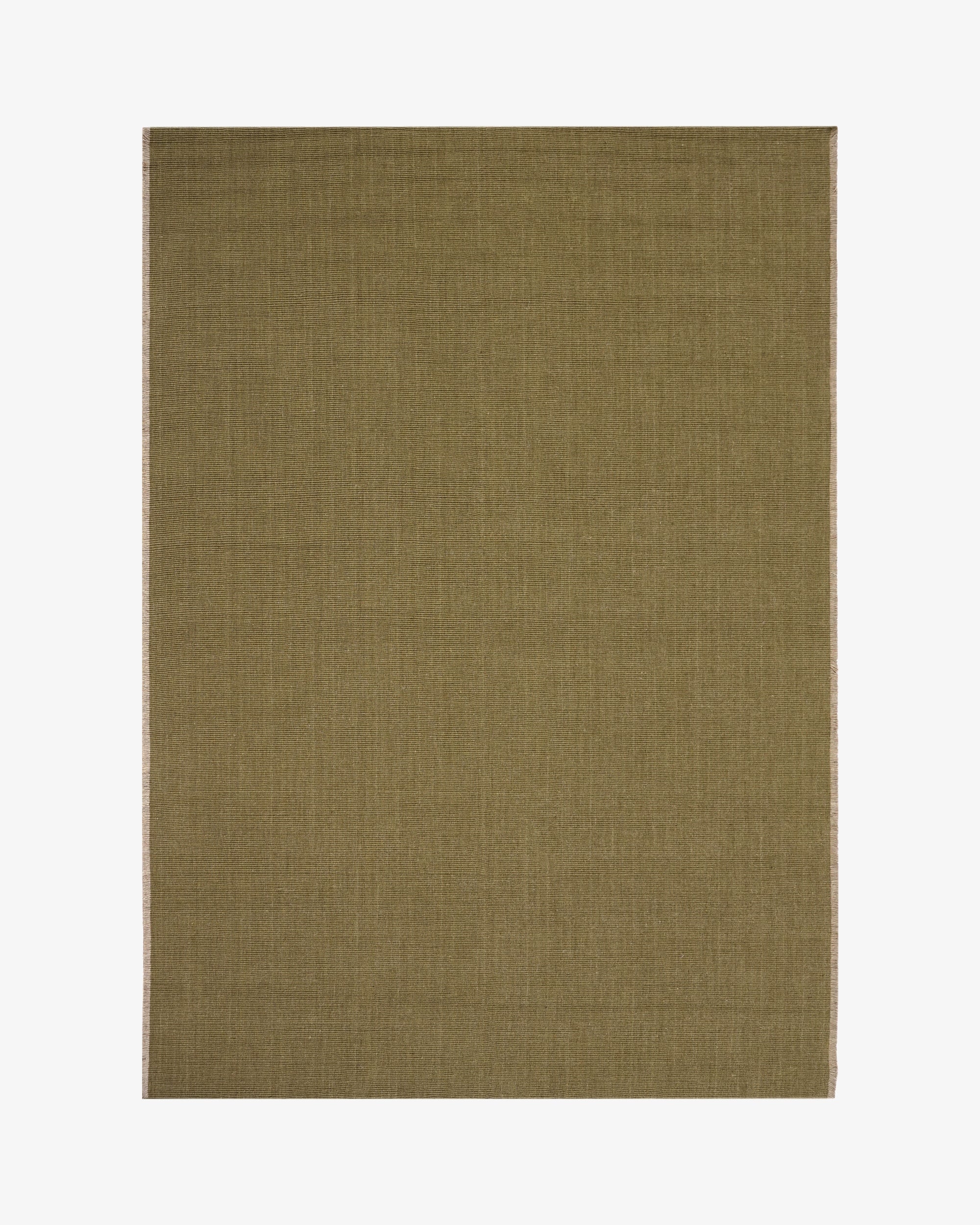
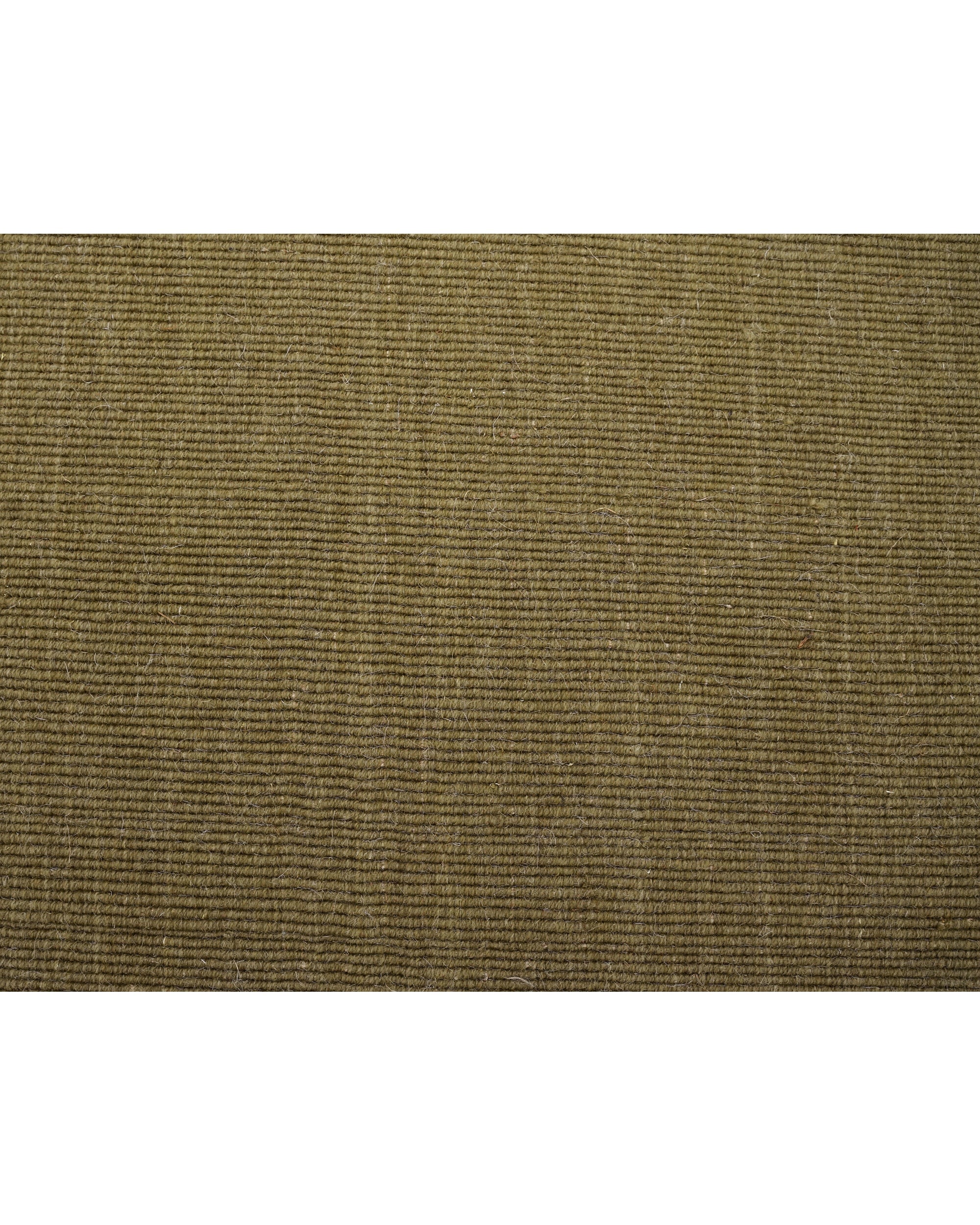
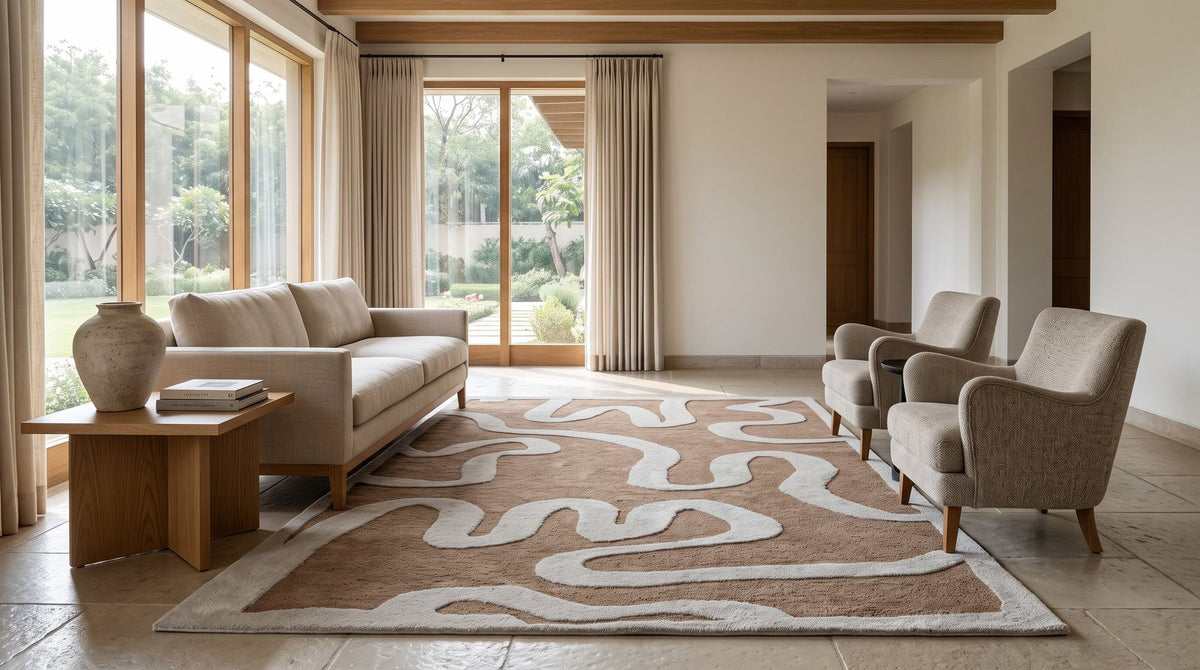
At Rugberry the two are also built differently. The Kora Jute Rug is handwoven and flat, the Savannah Jute Rug in olive is hand-knotted in jute, and the Grain Wool Rug is handloom woven in New Zealand wool with a low, closely worked surface.
How do wool and jute cope with Indian dust?
Both hold dust, but they release it differently. Jute has a ridged, open surface, so fine dust from a Delhi or Ahmedabad summer settles into the grooves and can be shaken or vacuumed out quite easily with suction alone.

Wool takes dust down into the pile, where it is less visible but needs a vacuum without a beater bar to lift it. In a home where the floor is swept with a jhadu every morning, jute will show grit on the surface sooner, and wool will hide it longer.
A simple test before you buy: rub a pinch of talc into a swatch and tap it out. Whichever comes clean faster suits a home that sweeps more than it vacuums.
What happens to wool and jute in monsoon damp?
Jute is the more sensitive of the two in a wet season. Jute fibre can darken, weaken or develop a musty smell if it stays damp, and water spots on jute often leave a brown ring as they dry.

Wool has its own grease, lanolin, which helps it shed a light splash before it soaks in. Wool still needs to dry properly, so in Mumbai or Kochi in July, lift any rug off a floor that sweats and let air move under it.
For a ground floor flat, a room near a bathroom door or a balcony threshold, a wool rug is the steadier choice. Keep jute in dry, upstairs rooms during the monsoon months.
Jute asks for a dry floor. Wool forgives a damp season, but neither fibre is waterproof or stain proof.
Which feels better under bare feet?
Wool feels better for long periods barefoot. Most Indian homes take shoes off at the door, so a rug is touched by skin far more often than in many other countries, and that changes the choice.

Jute is pleasant for a quick walk across, and some people like its massaging texture. Sitting cross-legged on jute for an evening of cards is a different matter, as the fibre can feel scratchy on ankles and knees.
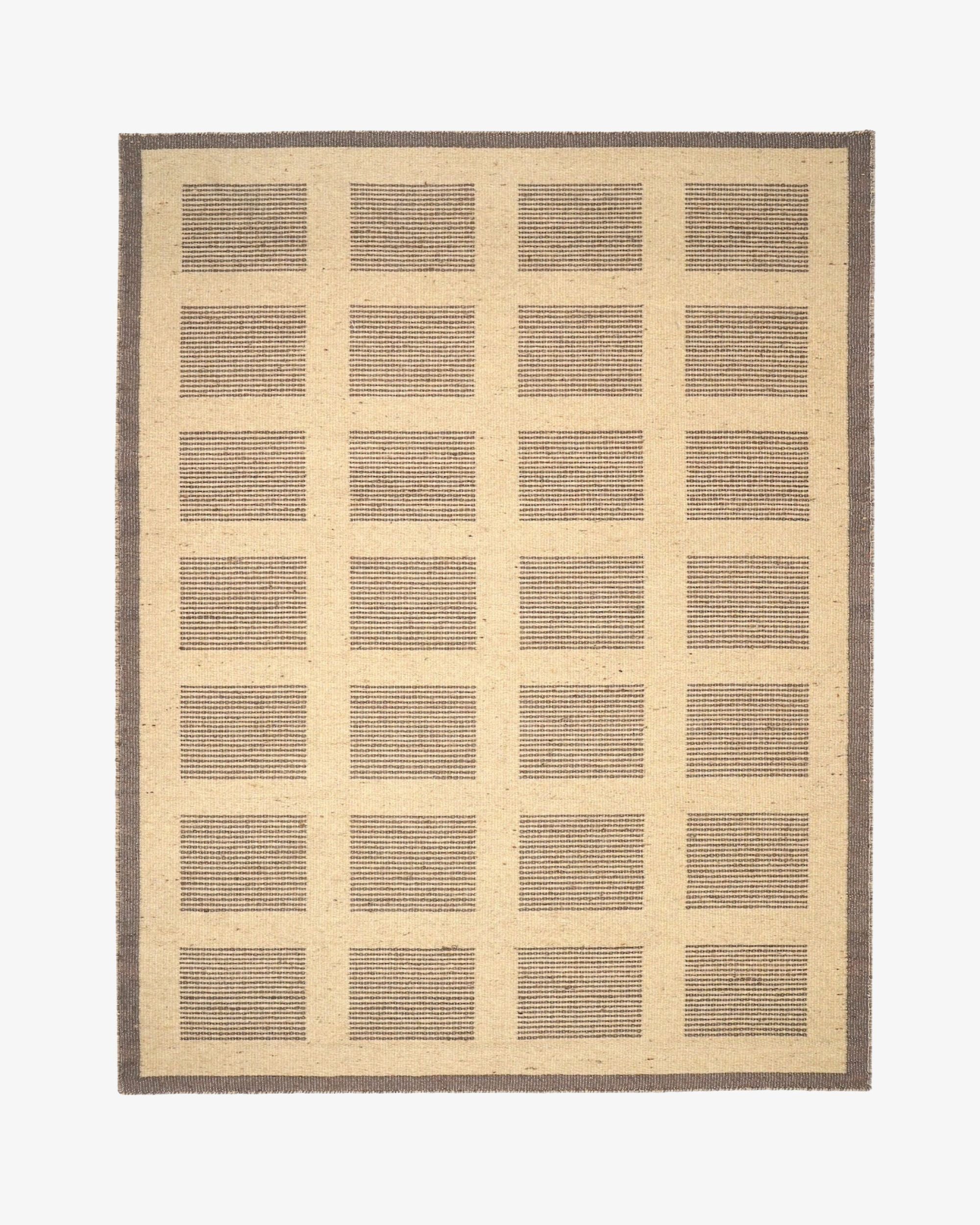
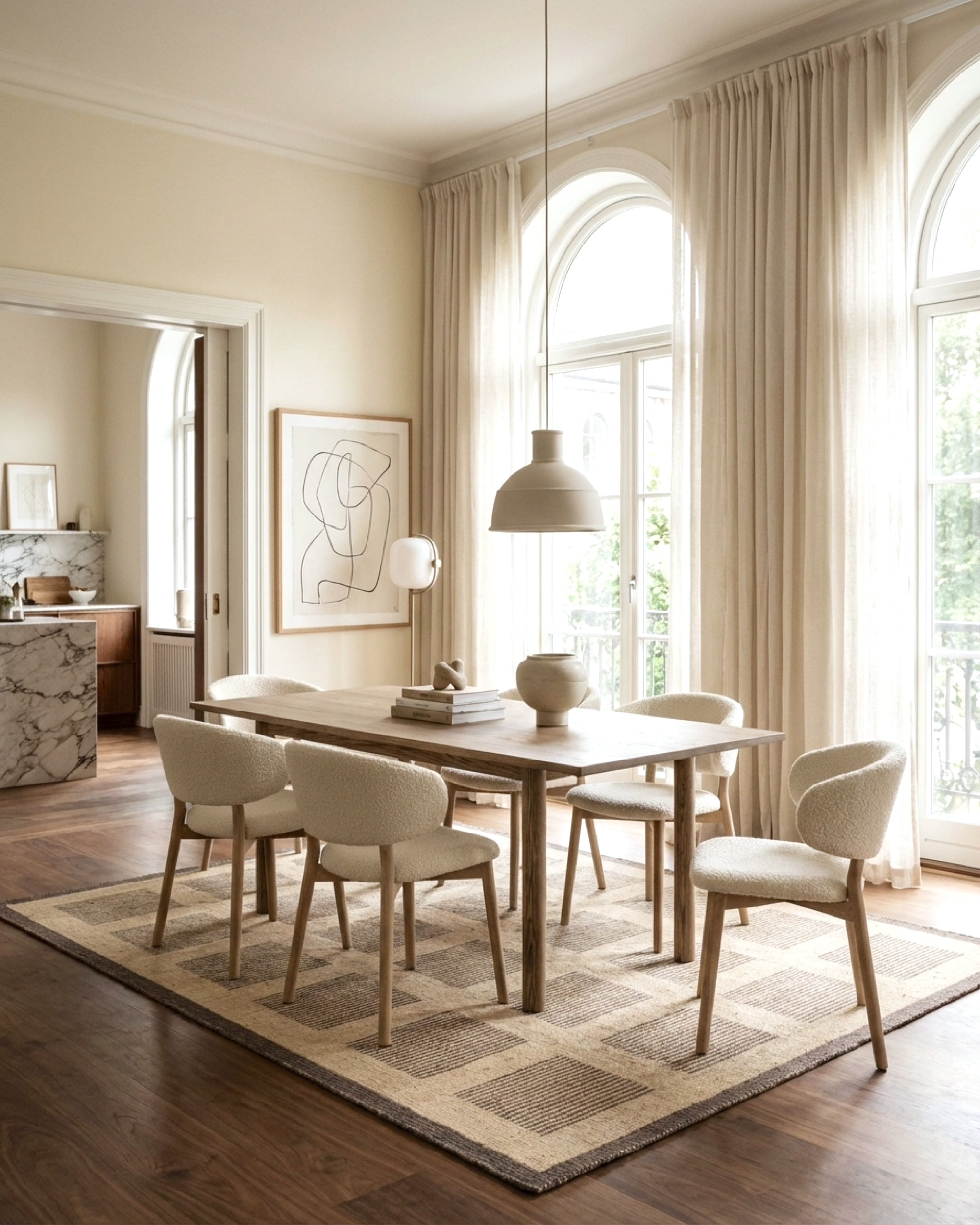
The handloom Grain Wool Rug in umber has a low, textured surface you can feel the weave through, yet it stays soft against skin. For a room where children play on the floor, that difference matters more than the price gap.
Is there a rug between wool and jute?
Yes. A blend of wool and jute gives you some of the firmness and look of jute with some of the softness of wool. The Cabra Wool & Jute Rug in olive is handloom woven in New Zealand wool and jute, firm and textured, with the wool softening the irregularity of the jute.


Cabra starts from about ₹34,000 before GST, between the Kora Jute Rug at about ₹28,000 and Grain at about ₹37,000. It suits a living room that sees shoes near the door and bare feet near the sofa.
Treat a blend with the care of its more delicate fibre. The jute in Cabra still prefers a dry floor, so blot spills quickly and avoid wet cleaning.
Wool or jute: which should you choose for each room?
Choose by what the floor faces each day, not by looks alone. This table sets out the trade-off room by room.

| Room or situation | Better choice | Why |
|---|---|---|
| Entrance where shoes come off | Jute or wool and jute | Firm, textured, hides grit |
| Living room with floor seating | Wool | Soft on skin for long sitting |
| Ground floor flat in the monsoon | Wool | Copes better with humid air |
| Dining room with frequent spills | Wool | Lanolin slows liquid soaking in |
| Dry upstairs study | Jute | Hard-wearing, texture adds interest |
For a home with small children or pets, choose wool over jute because it is softer to fall on and more forgiving of accidents. For a dry, busy entrance, choose jute because it handles traffic and costs less for the same size. Browse the Rugberry jute rugs and fine wool rugs side by side before you decide.
Frequently asked questions
Can a jute rug be washed with water?
A jute rug should not be soaked or scrubbed with water, because jute weakens and stains when wet. Vacuum it, blot spills straight away with a dry cloth, and leave deeper cleaning to a specialist.
Does a wool rug shed more than a jute rug?
A new wool rug releases loose fibres for the first weeks of use, which is normal and settles with regular vacuuming. Jute sheds less as fluff but can drop small fibre fragments as it wears.
Is jute or wool better for a home with pets?
Wool is usually better for pets because it is softer, easier to clean after an accident and less likely to be scratched loose. Jute can hold odour if it gets wet and does not dry quickly.
Which lasts longer, wool or jute?
With similar care, a well made wool rug usually outlasts a jute rug because wool fibre recovers from pressure and jute flattens over time. Placement matters just as much, so keep jute out of damp corners.
Dry floor, choose jute. Bare feet and damp air, choose wool. Material first.



Leave a comment
This site is protected by hCaptcha and the hCaptcha Privacy Policy and Terms of Service apply.