In Praise of a Worn Stool: Artek 2nd Cycle
Images are credited where they are not from the Rugberry house.
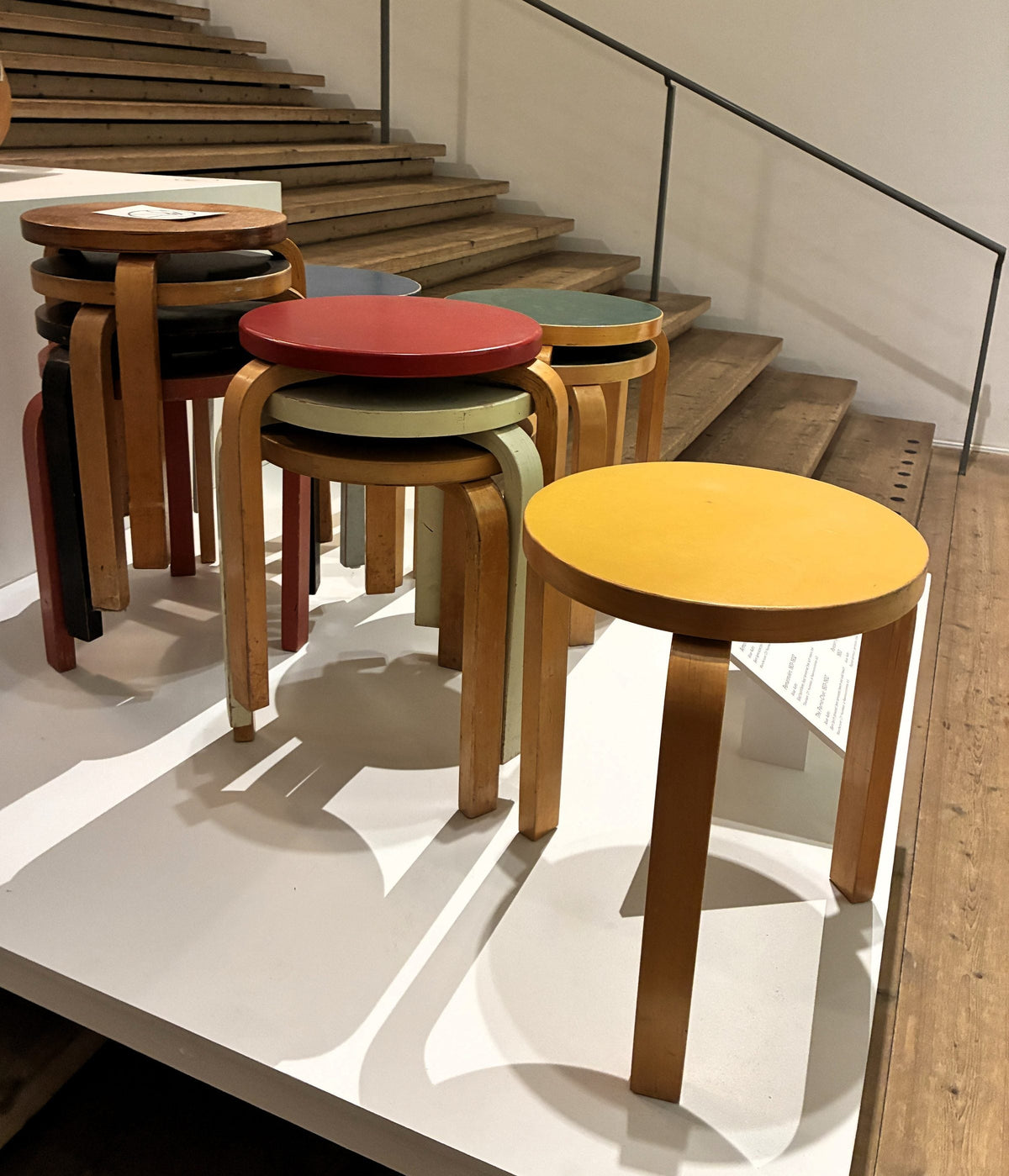
Stool 60, designed by Alvar Aalto in 1933, stacked with the marks of long use. Photo: Gotogo, CC0, via Wikimedia Commons, licence
A school stool keeps its diary in scratches. A long pale scrape along the edge of the seat, where a satchel was dragged across it every morning for twenty years. A ring where a glass of water stood. A small dent where someone kicked a leg in frustration during an exam. Most makers would sand those marks away before selling the stool again. Artek decided to sell them.
In 2006 Artek began collecting used Aalto chairs and stools, pieces it had made itself. It searched for them in flea markets and in old factories, schools and shipyards, the kinds of places where furniture is used hard and rarely replaced. The project became known as 2nd Cycle, and its premise was simple: these pieces were made to last, they had lasted, and their wear was evidence of it.
Buying back the past
Few makers would do this. Most have no interest in the second life of what they sell. A used chair on the market is, in strict commercial terms, a competitor to a new one. Artek chose to go and find those used chairs, bring them back and offer them alongside its new production, which is a little like a winemaker buying back old vintages from cellars across the country and selling them in the shop beside this year's bottles.
The choice says something about confidence. Only a maker sure of its own durability could do this. A chair that fell apart after a decade could never be the basis of a second cycle. A stool that has survived decades in a shipyard canteen, scratched and stained but structurally sound, is the best advertisement its maker could ask for. The scratches are not damage. They are a record of use, and proof that the thing worked.

In 2011 the 2nd Cycle store opened in Helsinki, at Pieni Roobertinkatu 4 to 6, as a meeting point for collectors, customers and designers. It keeps short hours, open on Thursdays and Fridays and by appointment, which suits its character. This is not a shop for impulse buying. It is a place to come and look carefully at objects that have already had one long life.
The scratches are not damage. They are a record of use, and proof that the thing worked.
What patina proves
There is an old idea in design that the true quality of an object can only be judged after years of use. A new chair can look good in a photograph and on a shop floor. Whether it is good only becomes clear later, when its joints have been tested by thousands of sittings, its finish by spills and cleaning, its proportions by years of living with it in a room. Patina is what that test leaves behind.
Good patina and bad wear are different things. Bad wear weakens an object: a loose joint, a cracked seat, a surface that has flaked away. Good patina adds to it: a timber that has darkened evenly with light and handling, an edge softened by hands, a surface that has taken on a gentle sheen. The difference lies largely in the materials and the making. Solid wood, honest joints and finishes that can be renewed tend to age well. Veneers over particle board, weak fixings and thick plastic coatings tend not to.
2nd Cycle sells pre loved pieces, repaired where needed. That phrase, repaired where needed, carries a whole philosophy. It does not say restored to new. It says the piece has been made sound again, and that its history has otherwise been left alone. A scratch stays a scratch. A replaced part is a repair, not a disguise.
That restraint is honest, and it is also a kind of respect. The person who wore that pale scrape into the seat, the canteen that put the ring on its surface, the shipyard where it stood for years, are all part of the object now. Sanding them away would make the stool look newer and tell a lie about it. Leaving them tells the truth, and the truth turns out to be the more attractive story.
Ten years of second lives
For its tenth anniversary the store held an exhibition called Ten, showing pieces from its collection. Among them were Alvar Aalto's Stool 60, Ilmari Tapiovaara's Domus chair and Aino Aalto's Bölgeblick glasses. The selection reads like a short history of Finnish design for everyday life, and every piece in it has the same quality: it was designed to be used, by ordinary people, for a long time.
The stool in particular has become a kind of symbol. It is plain, light and almost endlessly useful, the kind of seat that ends up in classrooms, kitchens and offices. A used one, with its edges softened and its seat marked, tells a story that a new one cannot. That story is exactly what 2nd Cycle set out to sell.
Over the years the store has expanded beyond furniture into lighting, ceramics, tableware and fine art prints. The principle remains the same in each category. An object that has lasted is worth more than its price tag, because it has already shown what a new object can only promise.
The logic of a long life
The lesson of 2nd Cycle reaches well beyond Finnish furniture. It asks any buyer to think about the twentieth year of an object rather than its first day. Will this look better or worse with use? Can it be repaired, or only replaced? Will its marks add character, or only damage?
Those questions apply with particular force to the things in a home that take the most daily wear. A dining chair is pulled out and pushed back thousands of times. A table is wiped, knocked and leaned on. A floor covering is walked on, sat on, played on and cleaned more than almost anything else in the room. These are the objects where making shows most clearly over time, and where the difference between a thing built to last and a thing built to look good in a photograph becomes obvious within a few years.
The most sustainable object, in the end, is the one that does not need replacing. Artek's 2nd Cycle makes that argument with old stools and old glasses. It is an argument worth carrying into every room: buy things that can earn their scratches, and then let them.
Follow @artekglobal on Instagram for their own work, in their own words.
Rugberry notes
From the Rugberry house
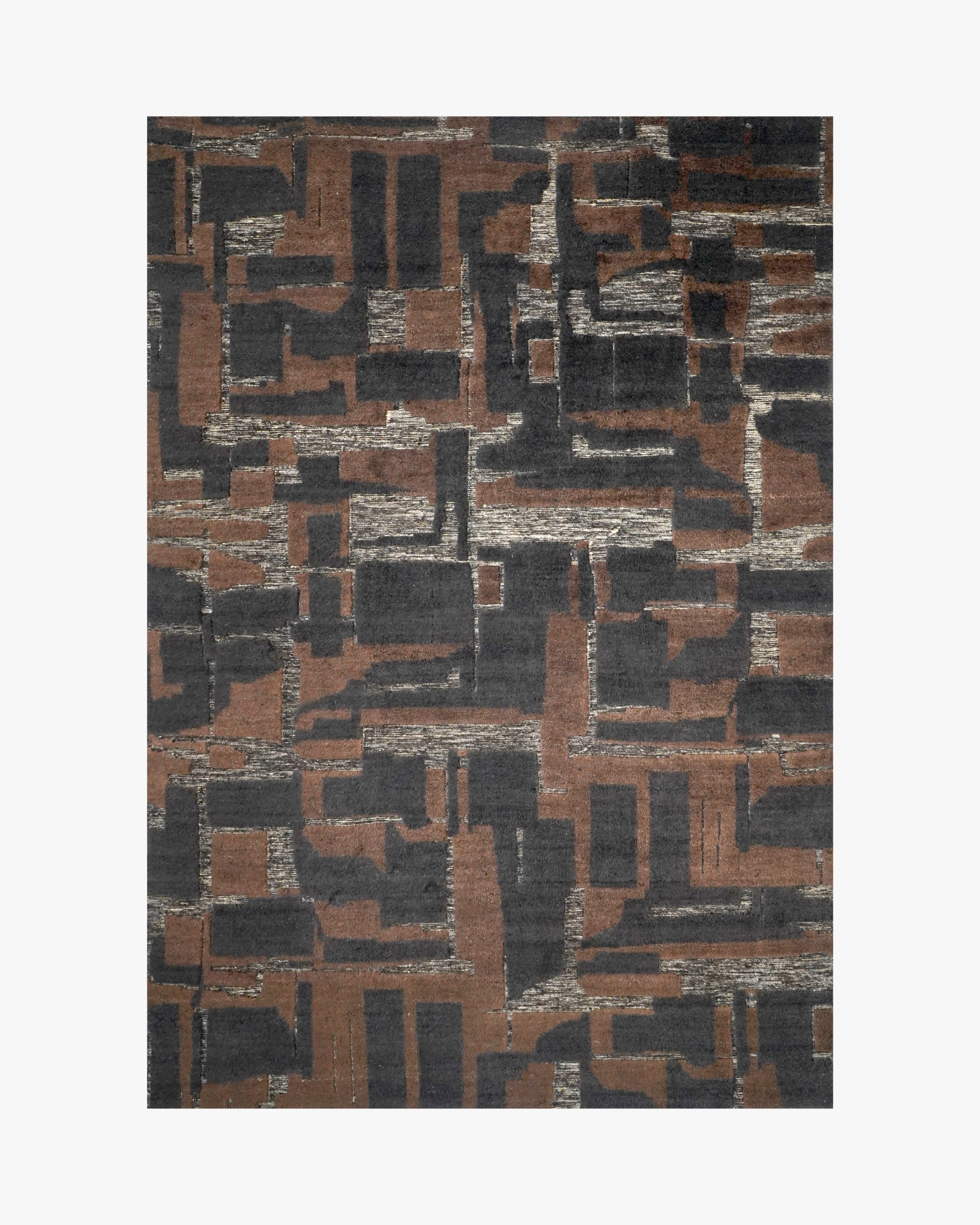
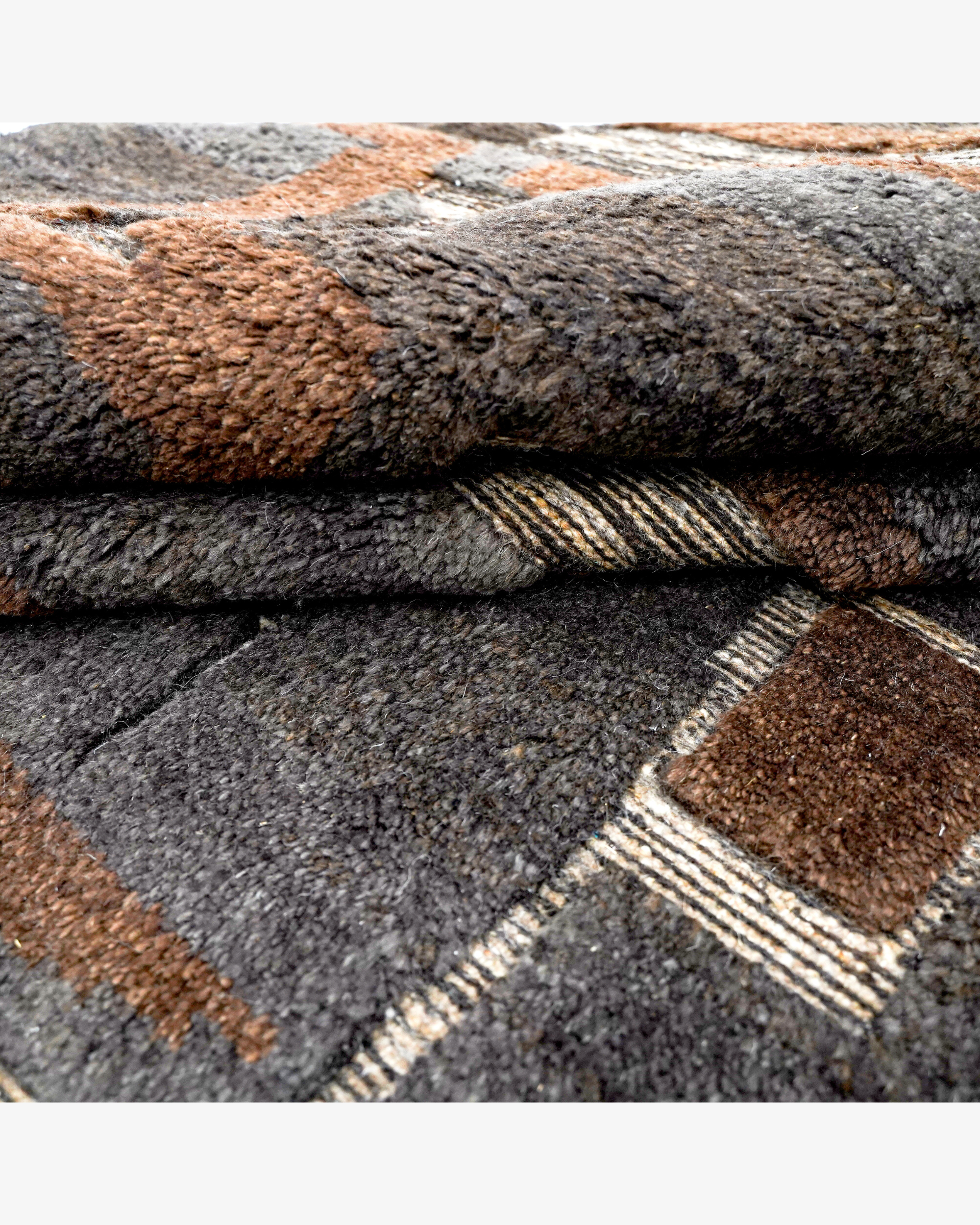
A well made rug should follow the same logic as a 2nd Cycle stool: looking better at twenty than on the day it arrives. Construction decides most of that. The Stratum Knotted Rug is hand knotted in New Zealand wool, which Rugberry describes as the most durable way a rug can be made, and our hand knotted rugs are built for exactly that kind of long life.


In the Rugberry house
- Sustainable rugsNatural fibres, made to last.
- Hand knotted rugsThe longest lived rug construction.
- The art of makingHow a Rugberry rug is made by hand.
Rugberry has no affiliation with the studios featured. Images are from the Rugberry house unless credited.