Flurys at Park Street: A Tea Room as Civic Memory
Images are credited where they are not from the Rugberry house.
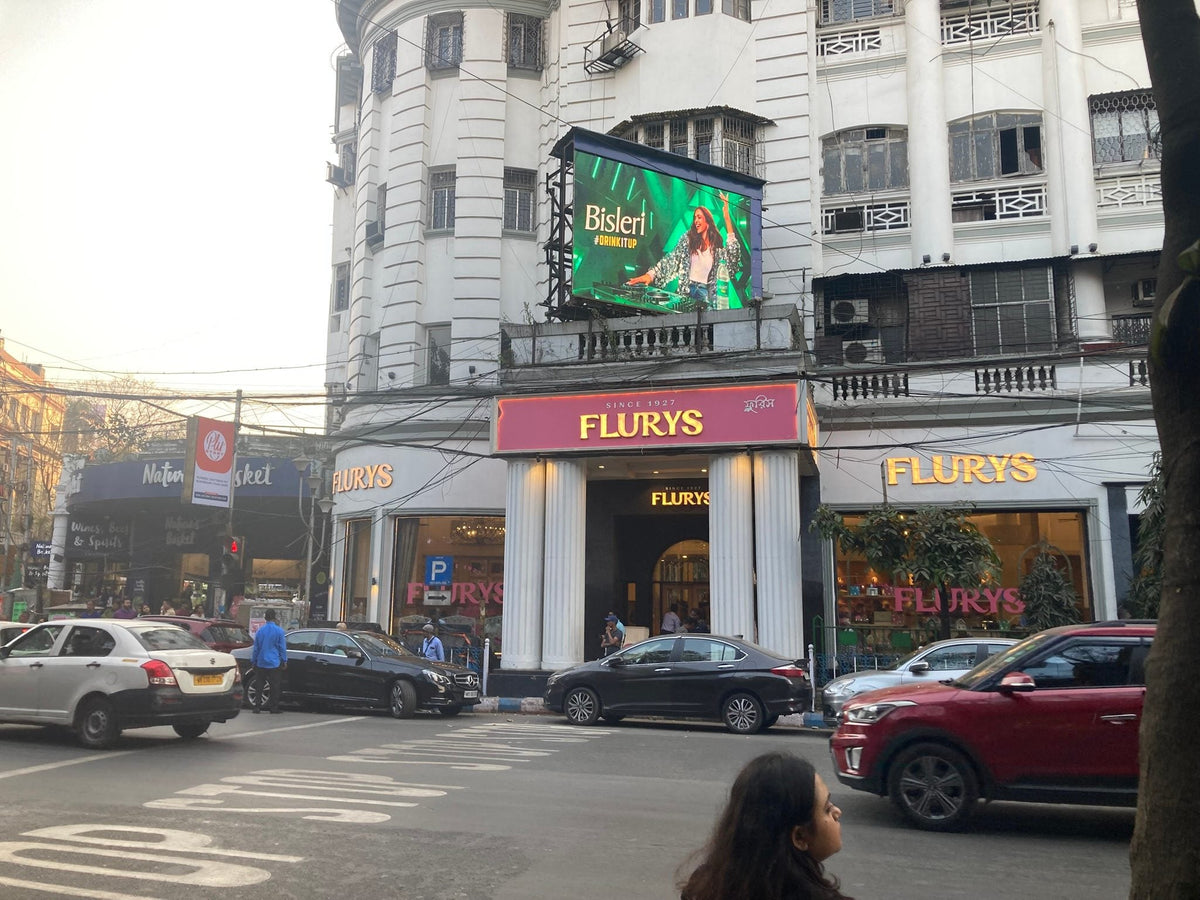
Flurys on Park Street, Kolkata. Photo: Pechristener, CC BY-SA 4.0, via Wikimedia Commons, licence
Every city has one room that people mean when they say they will meet at the usual place. In Kolkata, for a very long time, one of those rooms has been on Park Street, a tea room behind a pink facade where the tables have held several generations of the same families, and people who simply come to sit. It is a tea room, and it is also something harder to name: a piece of the city's memory that happens to serve breakfast.
Flurys opened at 18 Park Street in 1927. Its founders were a Swiss couple, Mr and Mrs J Flury, and the room they made became a favourite of both British residents and affluent Indians in the city of that era. In 1965 Joseph Flury sold the business to Jit Paul, and it passed into the hands of the group that owns it still. The address has not changed. That, more than any recipe, is the point.
A room on a famous street
Park Street is Kolkata's great street of restaurants and evenings out, and it guards its institutions jealously. In July 2023 the Kolkata chapter of INTACH, the heritage trust, gave Flurys a culinary heritage plaque, placing it alongside Mocambo, Kwality and Trincas, its neighbours on the same street. It is a striking kind of recognition. Heritage plaques are usually given to buildings. This one was given to a habit: the habit of a city returning, generation after generation, to the same tables.
The tea room has also been part of the city's imagination in another way. Satyajit Ray filmed scenes for Jana Aranya and Pratidwandi at Flurys. To watch those films now is to see the room as a witness, a familiar backdrop caught on film at a particular moment in the life of the city. Places like this do not just host a city's stories. They become part of how those stories are told.
The plaque was not given to a building. It was given to a habit, the habit of a city returning to the same tables.
The question of the franchise
Flurys is no longer only one room. As of 31 March 2023, the brand reported 68 outlets across Kolkata, New Delhi and Mumbai. In 2026 it opened its first standalone cafe in North India, a 16 seat room at Galleria Market in Gurugram, hung with archival photographs of Park Street, as the brand approaches its centenary in 2027.
Here the story turns a little uncomfortable. Can a room be franchised? The pastries can travel. The name can travel. The pink can be repeated on a new wall. But the thing that made the original matter was never quite the menu. It was the accumulation of years in one place, of people who remember a grandparent at a particular table, of a street that grew up around the room and a room that grew up with its street.
The archival photographs on the walls in Gurugram are an honest acknowledgement of that. They point back to Park Street, as if to say that the real room is somewhere else and this one is its echo. A reviewer of the new cafe put the dilemma plainly, arguing that a century old cafe cannot survive on nostalgia alone. That is true. It is also true that nostalgia cannot be manufactured. It can only be earned, slowly, by staying put.
What staying put does to a room
There is a lesson in this for anyone making a home, which is also a room people return to. Interiors are often treated as projects with a finish date: the room is designed, photographed and then considered done. The rooms people love most rarely work like that. They become meaningful through repetition, through the same chair by the same window over many years, through small marks of use that nobody planned.

A tea room on Park Street does not stay beloved because it was perfectly designed in 1927. It stays beloved because it has been allowed to remain itself while the city changed around it. Its colours are familiar. Its arrangement is familiar. A visitor who has not been for twenty years can walk in and know where to sit.

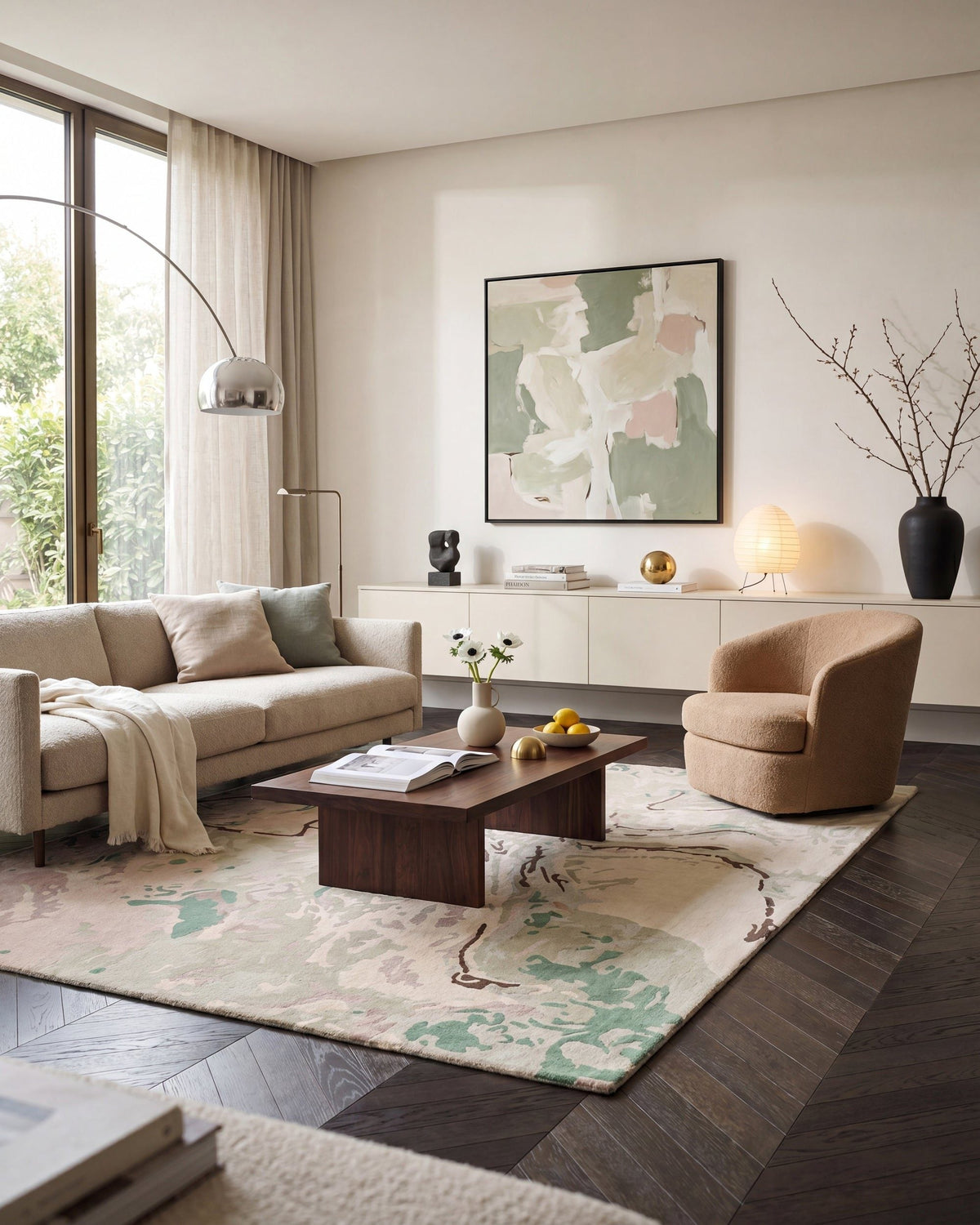
That kind of familiarity is a design quality, even though it cannot be drawn. It asks for materials and furnishings that age well rather than date quickly, that can be cleaned and mended and lived with, that look better for being used. Soft, pale wool on a floor, for instance, will show the paths people take across a room, and those paths become part of its character rather than a flaw.
Small rooms, long memories
The new cafe is small. Sixteen seats is a modest number for a brand of that reach, and the modesty may be its best decision. A small room cannot pretend to be the original. It can only offer a corner of it, a few tables and a wall of photographs, and ask the people of a new city to begin their own habit there. If they do, in thirty or forty years that room may carry memories of its own, unrelated to Park Street, belonging entirely to the families of Gurugram.
That is the hopeful reading of the franchise question. A room cannot be copied, but a way of hosting can be. The original earned its place by being reliable, welcoming and unchanged in the ways that mattered. Any room that keeps those promises, at any scale, gives itself a chance to become somebody's usual place.
Approaching a hundred
The centenary will be a celebration, and rightly so. Few rooms in India can claim to have served the same city from the same address for so long. The more interesting question is what the next decades bring. The brand will keep opening small cafes, carrying photographs of Park Street to new cities. The original will keep doing what it has always done: opening its doors in the morning and waiting for the city to come in.
If there is a rule here, it is a gentle one. A room earns its meaning by being there, again and again, for the people who need it. Everything else, including the pastries, follows from that.
Rugberry notes
From the Rugberry house
What a tea room like that teaches a maker is patience: the best floor is one that can carry years of the same footsteps and look settled rather than worn out.
Pale, close wool does that well, and it suits rooms built for lingering, at home or in hospitality. If that appeals, our ivory rugs keep to the soft end of the palette, and Rugberry projects covers rugs made for cafes, hotels and other rooms people return to.


In the Rugberry house
- Rugberry projectsRugs for cafes, hotels and hospitality rooms.
- Fine wool rugsSoft, close wool for rooms built for lingering.
- Ivory rugsThe pale end of the palette.
Rugberry has no affiliation with the studios featured. Images are from the Rugberry house unless credited.