


Which Rug Fibres Are Easiest to Clean
For cleaning at home in India, a low, closely woven wool rug in a mid tone is the easiest of the natural fibres, followed by flat reversible weaves, then wool and jute, then jute, with silk the hardest. Fibre sets how a spill behaves, but construction and colour decide how much of it you will ever see.
In short
- Wool is the easiest natural rug fibre to clean at home, because its surface sheds water for a short time and lets you blot a spill before it sinks in.
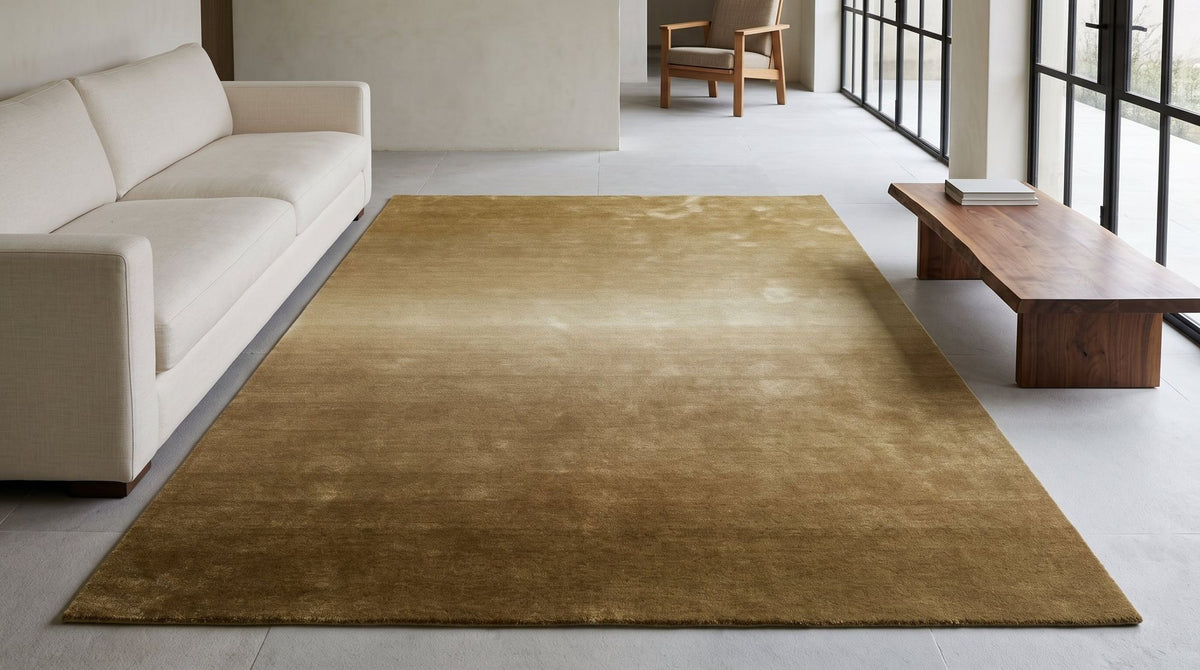
- A low, closely woven pile such as the Rugberry Grain Wool Rug is easier to vacuum and spot clean than a deep pile, since dust and crumbs sit near the surface.
- Jute stains and browns with water, so it suits dry, hard working spots rather than dining rooms.
- Silk is the hardest fibre to clean at home and should go to a specialist for anything beyond a fresh blot.
Which rug fibre is easiest to clean?
Wool is the easiest rug fibre to clean at home, and a low wool weave in a mid tone is the easiest rug of all.


| Rank | Fibre and build | Spills | Dust | Damp |
|---|---|---|---|---|
| 1 | Low handloom wool | Blot well if caught fast | Vacuums easily | Tolerates humid air, dry fully after cleaning |
| 2 | Reversible flatweave, recycled and natural fibres | Can be flipped while a mark is treated | Shakes out | Light, dries quickly |
| 3 | Wool and jute weave | Wool helps, jute marks with water | Vacuums well | Keep off damp floors |
| 4 | Jute | Water can leave brown marks | Dust falls through, vacuum often | Poor, can mildew |
| 5 | Silk | Water rings, dull patches | Gentle suction only | Keep dry |
For a family home with children and regular guests, choose a low wool weave over jute or silk, because wool gives you time to blot and recovers after cleaning.
Why is wool easier to clean than it looks?
Wool is easy to clean because its outer layer resists water for a short time, giving you a window to blot a spill before it soaks in.
Wool fibres carry a fine natural wax and a scaly surface. A drop of water or chai beads briefly instead of sinking straight in. Blot at once with a dry white cloth, press, lift, repeat.
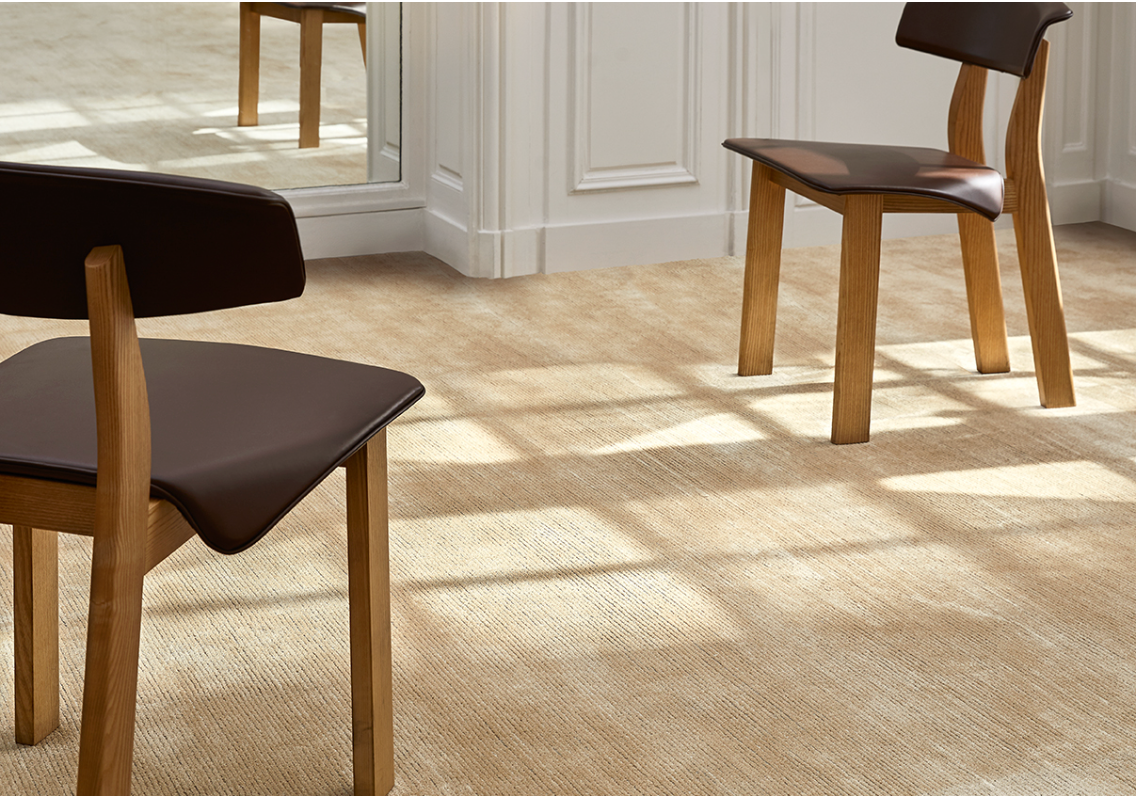
Wool also hides dust well in a mid tone and recovers its pile after being cleaned. The Grain Wool Rug in mochaccino is handloom woven in New Zealand wool with a low, closely worked surface, from about ₹37,000. Low and close means crumbs sit on top, and a warm brown hides daily traffic.
How do jute and wool and jute weaves behave with spills?
Jute marks easily with water, while a wool and jute weave is more forgiving because the wool takes part of the load.


Jute
Jute is a plant fibre that soaks up water and can turn brown where it dries, a mark that is hard to remove. It also does not like long periods of damp, so in the monsoon it needs a dry floor and moving air. Clean jute dry where you can: vacuum, then blot any spill with as little water as possible.
Wool and jute
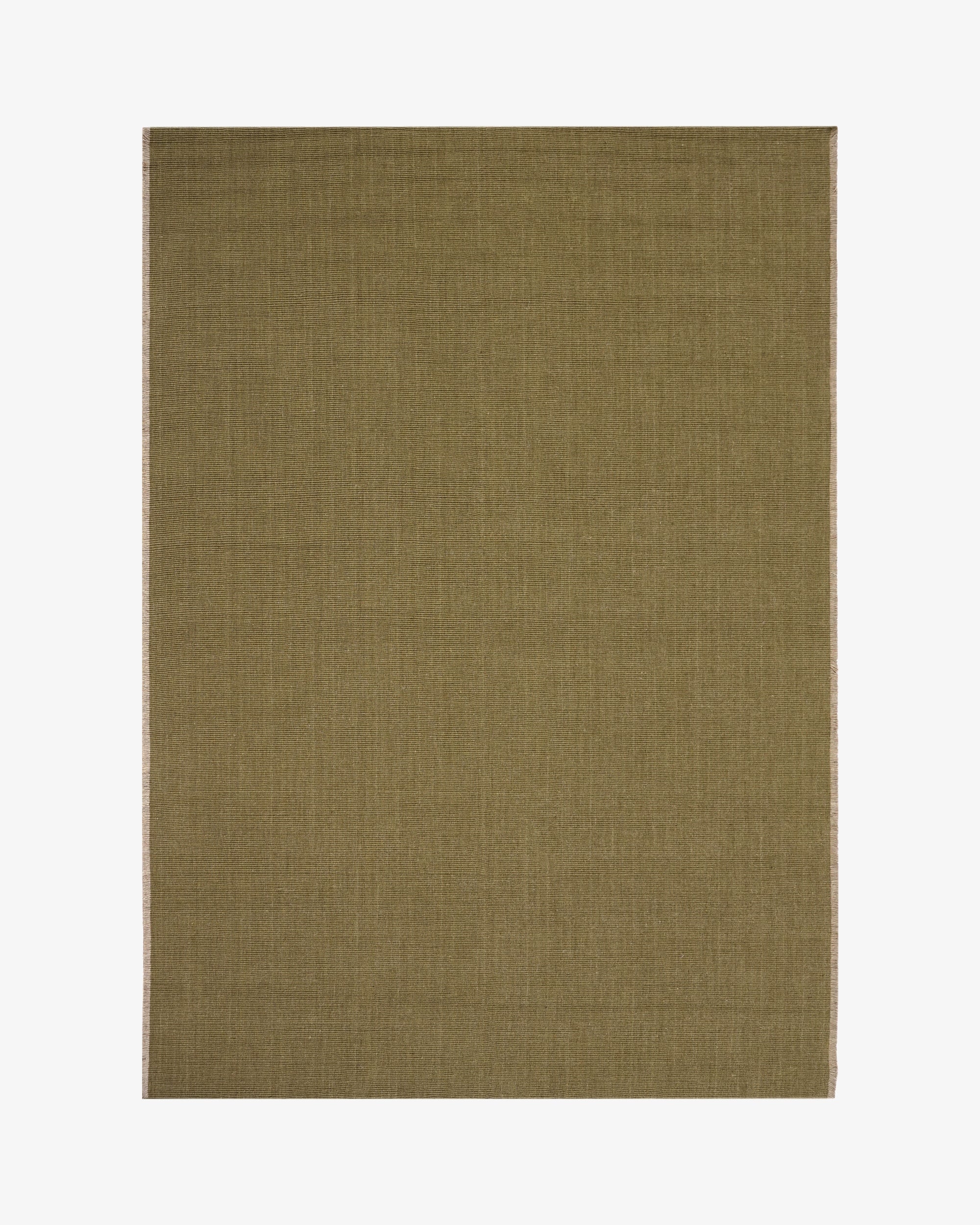
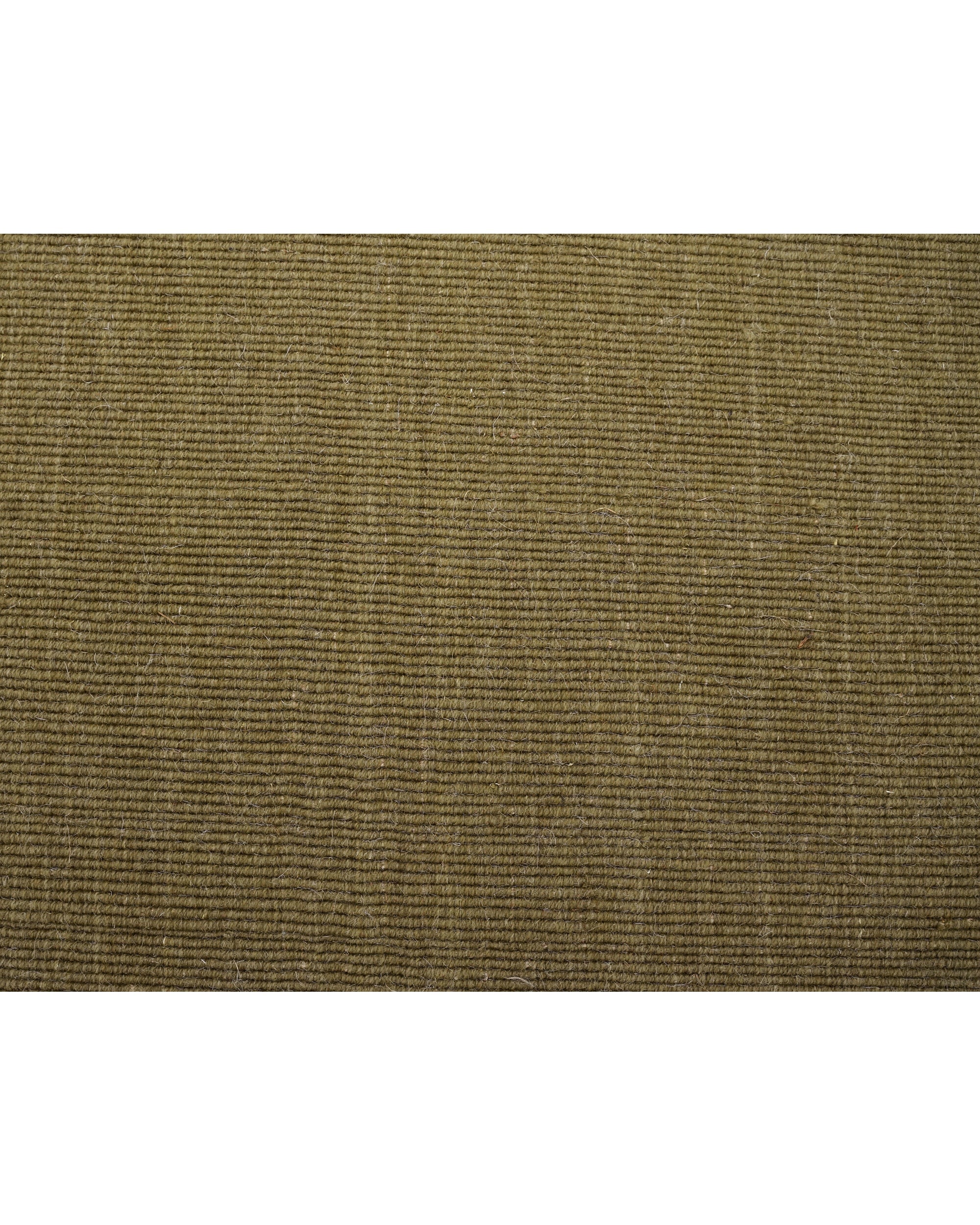
The Cabra Wool and Jute Rug in olive is handloom woven in New Zealand wool and jute, firm and textured, from about ₹34,000. The wool softens the jute and gives spills a little more time, and the olive tone is kind to dust. It suits an entrance or a passage better than a dining room.
The easiest rug to clean is the one whose surface keeps dirt near the top and whose colour forgives the rest.
What about recycled fibres and reversible flatweaves?
A flat, light reversible rug is easy to keep clean because it can be shaken out, flipped and handled by one person.


The Sandstorm Reversible Rug is handwoven in recycled and natural fibres, flat and light, with two usable faces, from about ₹24,000. If one face takes a mark, you can turn it over while you deal with the stain, and a flat surface has nowhere for crumbs to hide.
The trade-off is feel. A flatweave is firm rather than soft, so it suits a study, a kids' room or a covered verandah more than a bedroom. Our post on Rugberry reversible rugs explains the two faced build.
Where does silk sit for cleaning?
Silk is the hardest rug fibre to clean at home and needs gentle, mostly professional care.

Water can leave a ring or dull the sheen, rubbing can distort the fine pile, and many household cleaners are too harsh. At home, blot a fresh spill with a dry cloth and stop there. For anything set, call a specialist. That is why silk belongs in bedrooms and formal rooms, away from food.
Does construction matter as much as fibre?
Yes. A low, tight surface is easier to clean than a deep pile in any fibre.

- Low handloom and flatweave: dirt sits near the top and vacuums off.
- Medium cut pile: holds more dust, but a weekly vacuum keeps it fresh.
- Deep pile: lovely underfoot, but crumbs and pet hair sink in, so it suits bedrooms.
Colour matters too. Mid browns, olives, taupes and mixed tones hide daily dust far better than ivory or black. For step by step methods, read keeping your rug spotlessly clean and the glossary entry on spot cleaning.
Frequently asked questions
What is the most low maintenance rug fibre?
Wool is the most low maintenance natural rug fibre, especially in a low, closely woven build and a mid tone. It gives time to blot spills and recovers well after cleaning.
Are jute rugs easy to clean?
Jute rugs are easy to vacuum, but water can leave brown marks that are hard to remove. Clean them dry where possible and keep them away from spills.
Can I wash a wool rug at home?
A full wash at home is not advised, since a wet rug is heavy and slow to dry, especially in the monsoon. Spot clean at home and use a professional for a full wash.
Which rug is best near a dining table?
A low handloom wool rug in a mid tone suits a dining area best. Chairs slide over the low surface and crumbs stay near the top for easy vacuuming.
Choose a fibre that forgives, and cleaning becomes a habit, not a project. See the Rugberry handloom rugs.





Leave a comment
This site is protected by hCaptcha and the hCaptcha Privacy Policy and Terms of Service apply.