



A Rug Soaked by a Leak or Flood: What to Do
If a rug is soaked by a leak or flood, lift it off the wet floor as soon as it is safe, press out as much water as you can, and dry it flat with plenty of air movement. Clean tap water is easier to recover from than flood water, which usually needs a professional cleaner.
In short
- A rug soaked with clean water from a pipe, AC drain or overflowing tank can often be saved if it is lifted and dried thoroughly within the first day or two.
- A rug soaked by monsoon flood water or drain water should go to a professional rug cleaner, because that water carries dirt and bacteria that home drying will not remove.
- Wool rugs dry best flat or over a support with fans and good airflow, while jute and Botanical Silk are more sensitive to water and benefit from professional help sooner.
- Never dry a soaked rug with a heater, a hair dryer or harsh direct sun, and never fold it wet, because heat and trapped moisture cause shrinking, colour change and mildew.
What should you do in the first hour?
In the first hour, make the area safe, stop the water, then lift the rug off the wet floor. Every hour a rug sits in water lets more moisture soak into the foundation and the floor beneath.
Safety comes first. If water has reached sockets or extension boards, switch off the power at the mains before you step in. Shut the valve on a burst pipe, unplug a leaking AC, or close the window letting rain in.
Then get the rug off the floor. Roll it loosely, pile side in, and carry it to a dry floor, a terrace or a balcony out of the rain. If it is too heavy when wet, which a soaked 8x10 ft rug often is, slide a towel or plastic sheet under one end and lift that end onto chairs to start draining.
Photograph the rug, the water and the source. If the leak came from a neighbour's flat, the building's plumbing or a society tank, those photos help with any later claim. Note the time, too, as cleaners will ask how long the rug was wet.
Is the rug soaked by clean or dirty water?
The kind of water decides what happens next. Clean tap or rain water can usually be handled at home, while flood, drain or sewage water means the rug needs professional cleaning.


| Source of water | Type | What to do |
|---|---|---|
| Burst pipe, overflowing tank, AC drain | Usually clean | Extract water and dry at home, watch for smell |
| Rain through a window or balcony door | Usually clean, may carry dust | Dry at home, clean the marked area once dry |
| Washing machine or RO overflow | Grey water | Dry quickly, consider a professional clean |
| Street flooding in the monsoon | Dirty, silt and bacteria | Professional cleaning, do not just dry |
| Drain or sewage backflow | Contaminated | Professional cleaning only, wear gloves |
The verdict: clean water is a drying problem; dirty water is a cleaning problem. Drying a flood soaked rug at home leaves the silt and bacteria inside the pile, and the smell usually returns with the next humid week.
Mumbai, Chennai, Kolkata and Guwahati homes see street flooding most years. If water has come in from outside, treat it as dirty even if it looks clear.
How do you get the water out of a wet rug?
Press water out rather than wringing or twisting. Lay the rug flat, cover it with thick towels and walk on them, changing the towels as they soak through.
Wringing stretches the foundation and can distort a rug permanently. Pressing is slower but safe. Start at one end and work across, then turn the rug over and repeat on the back, which often holds more water than the face.
A wet and dry vacuum is the most useful tool if you have one. Run it slowly over the pile in the direction of the nap, then over the back. It pulls far more water out than towels alone and shortens drying time.
Check the floor beneath too. Wooden floors and the grout of tiled floors hold water; wipe and dry them before the rug goes back, or you will simply soak it again. Rugberry's guide to rug pads covers replacing a pad that has absorbed water, which usually should not be reused.
How should you dry a wool rug?
Dry a wool rug flat or over a support in a shaded, airy place, with fans moving air across both the face and the back. Turn it every few hours and expect a soaked rug to take one to three days.

Airflow matters more than heat. Raise the rug on a few plastic chairs or a clean drying rack so air reaches the back, point a pedestal fan or two across it, and open windows if the air outside is drier than inside. In the monsoon, a dehumidifier in a closed room works better than open windows.
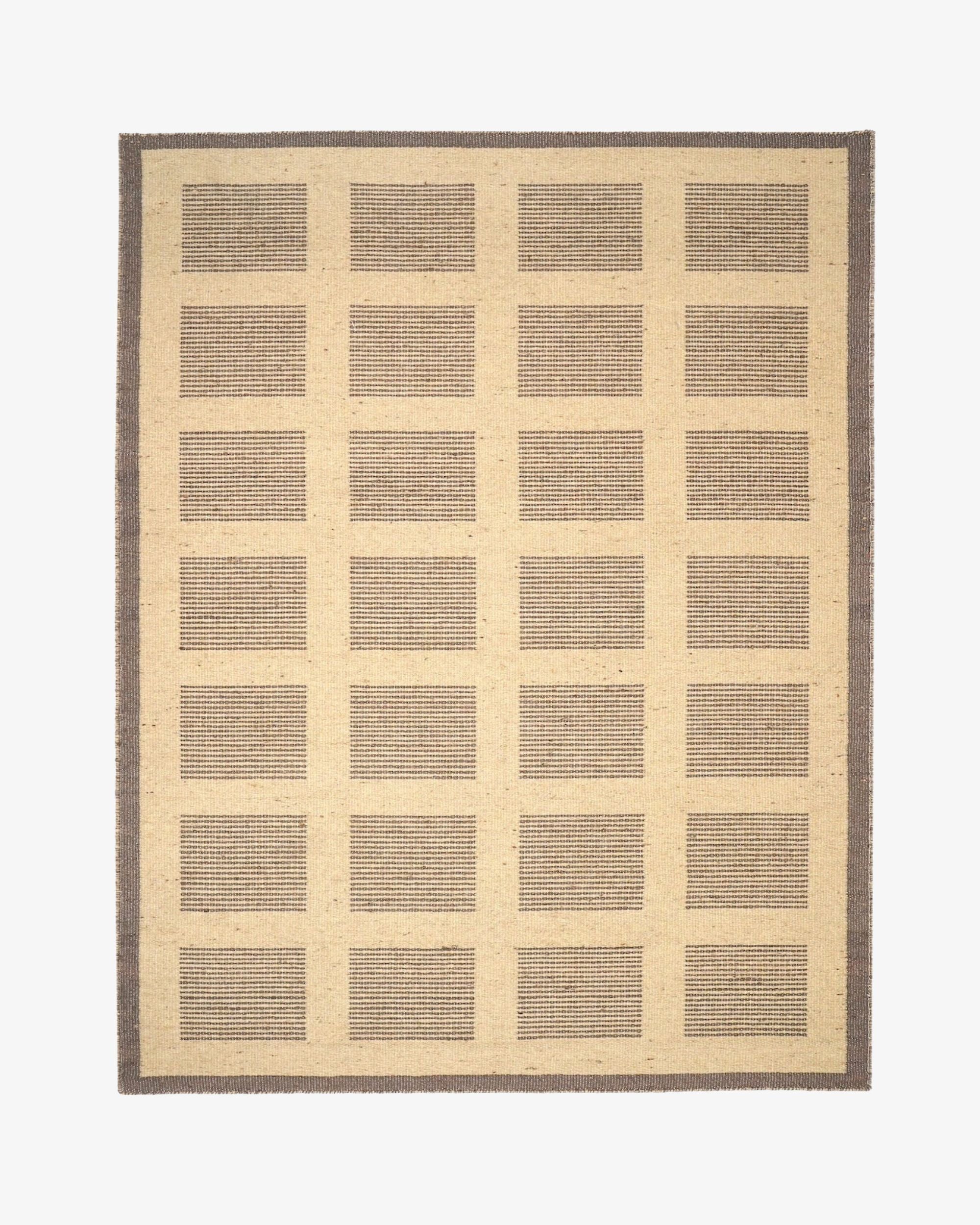
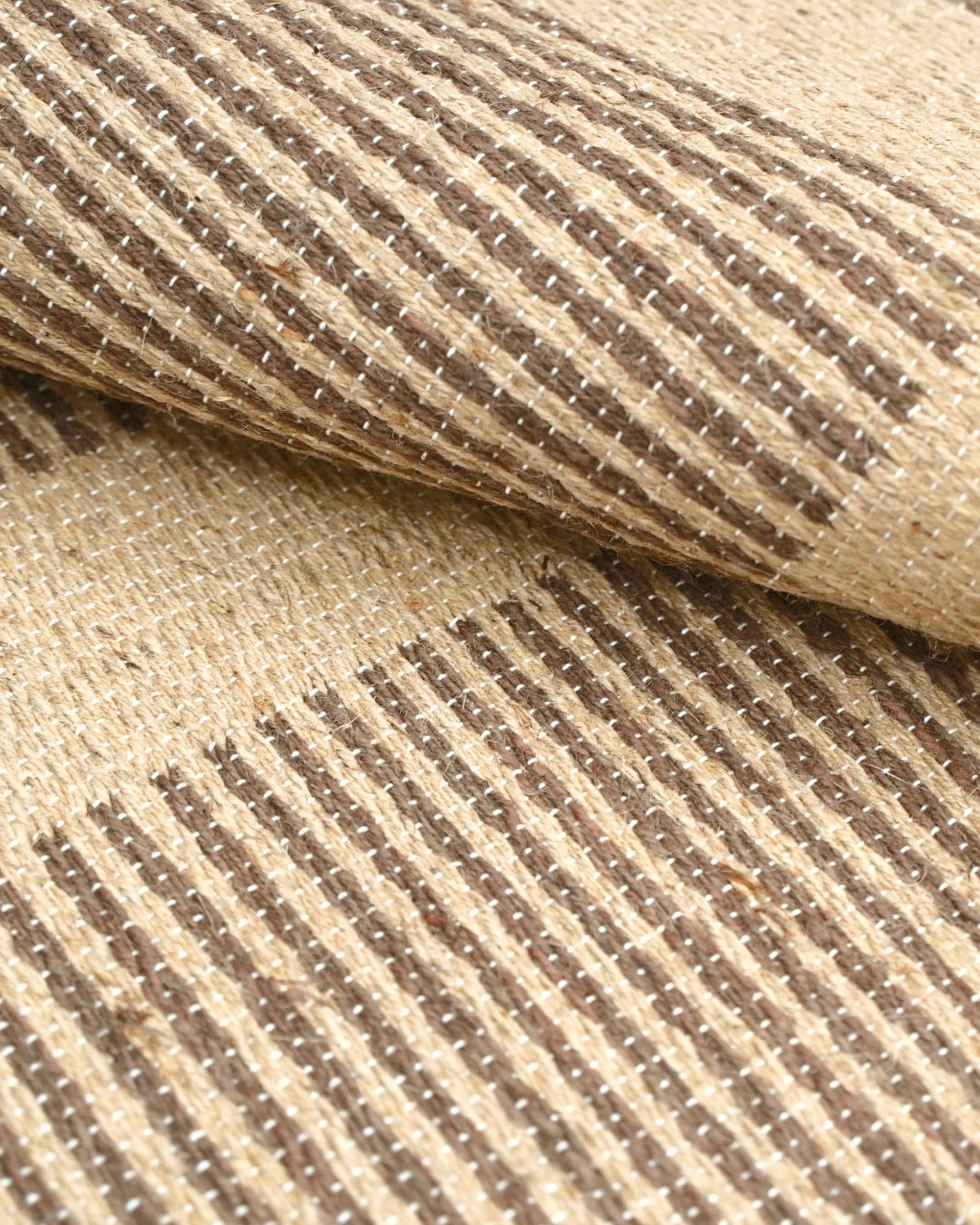
A low handloom rug such as the Grain Wool Rug in Sage, New Zealand wool at 12 to 14 mm, dries faster than a deep pile because there is less fibre to hold water. Its regular price is ₹51,000 for 6x9 ft, ex GST at the time of writing, and the fine wool rugs share the same care.
Wool's natural lanolin helps it shed water at first, but once soaked, the fibre holds a lot of moisture. Check that the rug is dry right through by pressing a dry tissue into the base of the pile; if it comes away damp, keep drying.
What about jute and Botanical Silk rugs?
Jute and Botanical Silk are both more sensitive to water than wool. Dry them quickly and gently, and call a professional cleaner sooner, especially if they have been wet for more than a few hours.


Jute is a plant fibre that swells, weakens and can brown when soaked. The Kora Jute Rug is handwoven natural jute at 10 mm, listed at ₹38,000 for 6x9 ft before GST. A small spill on jute dries fine; a soaking can leave water marks and a slight shrinkage that a home cannot reverse.
Botanical Silk is a plant based fibre that loses strength when wet and can show water marks as changes in sheen. The Luma Silk Rug in Gray, handloom Botanical Silk at 10 mm, should be blotted, lifted and passed to a professional cleaner if it has been soaked. Do not scrub it, as rubbing wet Botanical Silk crushes and distorts the pile.
Wool forgives a soaking better than most fibres. Jute and Botanical Silk need a professional sooner.
Rugs that blend fibres, such as wool and jute or jute and Botanical Silk, should be treated like their most delicate fibre. When in doubt, dry gently and ask a cleaner.
What should you never do with a soaked rug?
Never dry a soaked rug with direct heat, never fold or roll it away wet, and never lay it back on the floor until it is dry right through. Each of these turns a recoverable rug into a damaged one.
Heaters, hair dryers and an iron all overheat wool, which can shrink and felt the fibre and push dye unevenly. Hours of harsh midday sun do similar harm and fade colour. Gentle shade with moving air is slower but far safer.
Folding a wet rug traps moisture in the folds, where mildew starts within days in Indian humidity. Storing it rolled in a plastic sheet is worse. Leave it open until completely dry.
Do not use bleach, phenyl or strong floor cleaners to deal with a smell, as they strip colour and weaken wool. If a dried rug smells musty, it needs a proper wash by a professional, not a stronger chemical. Rugberry's guide to preventing mould in rugs explains the warning signs.
When should a professional rug cleaner take over?
Call a professional rug cleaner when the water was dirty, when the rug is jute or Botanical Silk, when colours have started to run, or when it still smells after drying. Cleaners have wash floors and drying rooms a home does not.

A professional can wash the rug fully, rinse out silt and residue, and dry it in a controlled way that protects dyes and backing. For a large rug soaked through, this is often the only way to remove every trace of the water.
Ask the cleaner which fibres they work with and how they dry rugs. A cleaner used to handmade wool will know to dry slowly and evenly; one used only to synthetic floor coverings may not. Share the photographs you took and tell them how long the rug was wet.
Some damage cannot be fully reversed. Colour that has bled, shrinkage in jute and watermarks on Botanical Silk may remain softened rather than gone. That is honest to expect, and still far better than losing the rug.
The natural jute rugs and Rugberry's other collections list care notes on each product.
Frequently asked questions
Can a rug be saved after a flood?
A rug soaked by clean water can often be saved by quick extraction and thorough drying. A rug soaked by flood or drain water should be professionally washed, because drying alone leaves dirt and bacteria inside.
How long does a wet wool rug take to dry?
A soaked wool rug usually takes one to three days to dry with good airflow, depending on its size, pile height and the humidity. A low pile dries faster than a deep one.
Can I dry a wet rug in the sun?
Gentle shade with moving air is better than strong midday sun, which can fade colours and overheat wool. A short time in mild morning sun is fine once most water has been removed.
Why does my rug smell after getting wet?
A musty smell after a rug gets wet usually means it was not dried right through, or that the water was dirty. It needs a full professional wash rather than air fresheners or strong chemicals.
Should I reuse a rug pad that got soaked?
It is usually better to replace a soaked rug pad, because pads hold water and can trap smell and mildew. A new pad is inexpensive compared with the rug it protects.
Lift, press, air and wait, and when in doubt, call a cleaner. The fine wool rugs carry care notes on every piece. Material first.




Leave a comment
This site is protected by hCaptcha and the hCaptcha Privacy Policy and Terms of Service apply.