



Preventing Mould Under Rugs in Coastal Cities
Mould forms under a rug when moisture is trapped between the rug and the floor and has no way to dry. In coastal cities the cure is a routine rather than a product: keep air moving, lift the rug to check its underside every few weeks in the monsoon, and never lay a rug on a floor that is still damp.
In short
- Mould under a rug starts where moisture is trapped, usually on a floor that was mopped and covered before it dried, or against a wall that stays cool and damp.
- In Mumbai, Chennai and Kochi, lift each rug and check its underside and the floor beneath every two to three weeks from June to October.
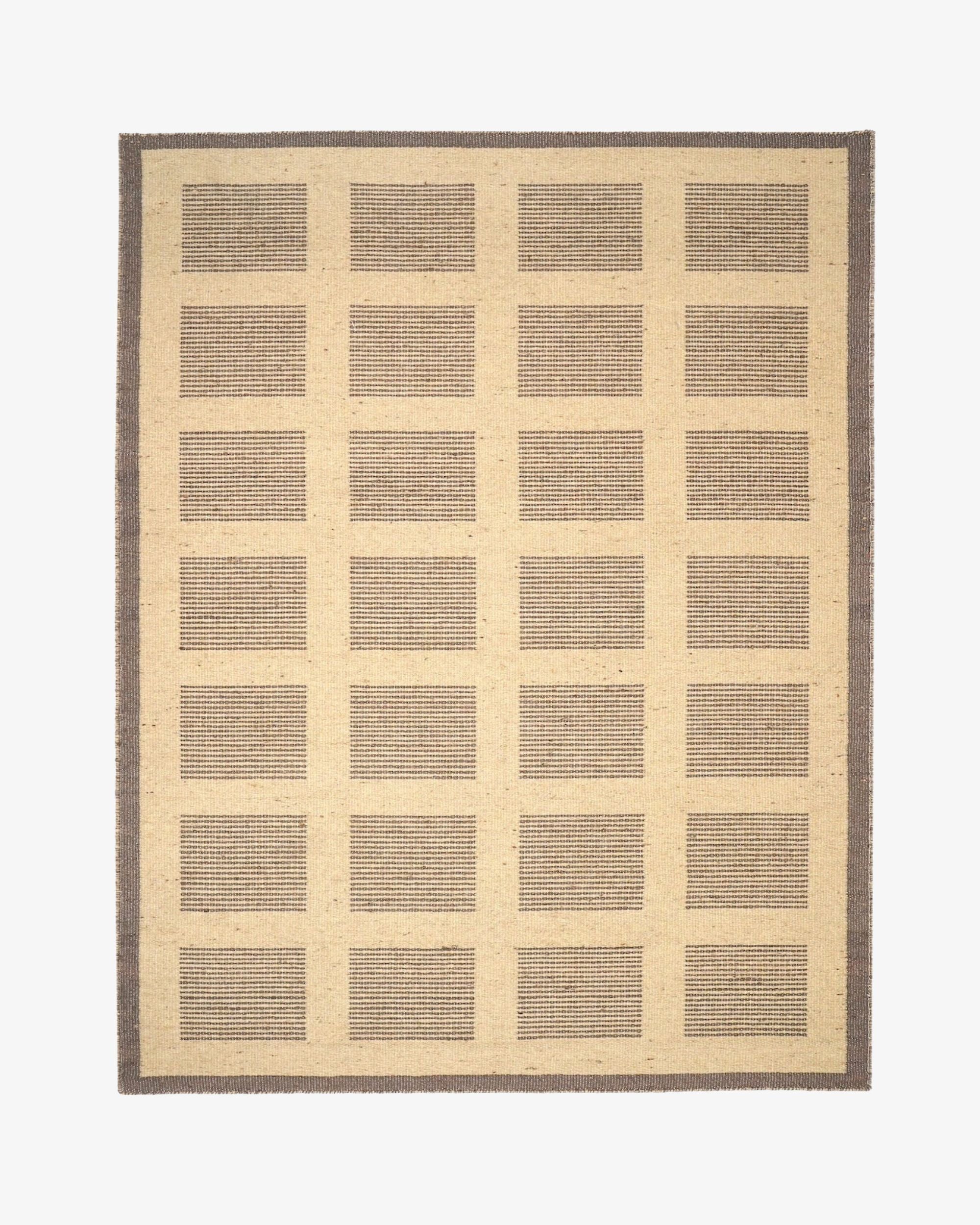
- Rugberry's jute rugs, such as the Kora Jute Rug, should be kept dry, so in coastal homes they suit air conditioned or well ventilated rooms through the monsoon.
- A musty smell, a dark tidemark on the floor or white bloom on the back of a rug is an early sign, and the rug should be lifted and dried at once.
Why does mould form under rugs in coastal cities?
Mould forms under rugs in coastal cities because the air holds so much moisture for so long that a covered floor never gets the chance to dry. In Mumbai, Chennai and Kochi the relative humidity stays high for months, and a rug laid flat on stone or tile slows evaporation from the floor beneath it.


Three conditions have to meet. There must be moisture, there must be still air, and there must be something organic for mould to feed on, which includes household dust trapped in the pile and under the rug.
Take away any one of the three and mould struggles to start. That is why this guide is about routine: drying the floor, moving the air and keeping dust low, rather than any treatment poured onto the rug.
The floor matters as much as the rug. Ground floor flats, homes near the sea and rooms with an outside wall that takes the rain are where Rugberry clients most often find damp under a rug. Rooms on higher floors with good cross ventilation rarely see it.
Which rooms and floors are most at risk?
The rooms most at risk are ground floor rooms, rooms with an outside wall facing the monsoon rain, and rooms that are kept closed for long periods. Bedrooms in a holiday home, a guest room that is opened twice a year and a living room shut up while the family travels are classic cases.
Floors behave differently too. Use this table to judge how often a rug needs lifting in a coastal monsoon.
| Floor and room | Risk under a rug | Check the underside | What helps most |
|---|---|---|---|
| Vitrified tile, upper floor, cross ventilation | Low | Once a month | Fan on after mopping, mop sparingly |
| Marble or granite, upper floor, closed windows | Moderate | Every three weeks | Air the room daily, run the air conditioner on dry mode |
| Any stone floor, ground floor | High | Every two weeks | Lift a corner after every mop, keep a gap from outside walls |
| Wooden or laminate floor | Moderate to high | Every two to three weeks | Never lay the rug on a damp board, watch the edges |
| Athangudi or oxide floor | Moderate | Every three weeks | Let the floor dry fully, these floors breathe slowly |
Rugberry's guide to rugs for Chennai homes covers Athangudi tiles and coastal heat in more detail. The guide to rugs for Mumbai apartments deals with smaller rooms and long monsoons.
How do you keep the floor under a rug dry?
You keep the floor under a rug dry by never covering a wet floor, by moving air across the room every day and by keeping the rug a little away from damp walls. These three habits do more than anything bought in a shop.

The most common cause of damp under a rug in Indian homes is the daily mop. The floor around the rug is mopped, a little water runs under the edge, and the rug is put straight back on top.
- Mop with a well wrung mop: a damp mop, not a wet one, leaves less water to creep under the rug's edges.
- Dry before you cover: if the rug was lifted to mop beneath it, run the fan and wait until the floor feels dry to the back of your hand before laying it again.
- Move the air: a ceiling fan on low for an hour in the morning and evening keeps air passing over the rug and the floor.
- Use dry mode: where there is an air conditioner, its dry or dehumidify setting is the simplest way to take moisture out of a closed room.
- Leave a gap at outside walls: keep the rug 6 to 12 inches from any wall that feels cool or shows damp in the rains.
A dehumidifier helps in a room that stays closed, such as a store room or a guest room. Empty it daily, and keep the door shut while it runs so it works on that room alone.
How often should you lift a rug and check underneath?
You should lift a rug and check underneath every two to three weeks during the monsoon in a coastal city, and once a month for the rest of the year. The check takes five minutes and catches damp long before it becomes a stain or a smell.
Fold the rug back halfway, from one short end, rather than dragging it. Look at three things: the floor, the back of the rug and the edges.
- The floor: run your palm across it. It should feel as dry and as warm as the bare floor beside the rug.
- The back of the rug: look for darker patches, a fine white or grey bloom, or a powdery film along the weave.
- The edges: the binding along the sides holds moisture longest, so check where it meets the floor.
- The smell: put your face close to the back of the rug. Clean wool smells faintly of wool, and anything sour or earthy is a warning.
Leave the rug folded back for an hour with the fan on before laying it down again. On a dry, bright day, fold it the other way and air the second half.
Five minutes with the rug folded back each fortnight is worth more than any spray.
What are the early signs of mould or mildew?
The early signs of mould or mildew are a musty smell when you walk into a closed room, a dark tidemark on the floor that matches the outline of the rug, and a white or grey bloom on the back of the rug. Any one of them means the rug should be lifted and dried the same day.


A musty smell usually comes first. Rugberry's guide to dust and rugs in India explains why a rug full of fine dust also holds more moisture, which is one reason regular vacuuming matters even more in the monsoon.
A tidemark on the floor is the second sign. On marble and some limestone it can leave a faint shadow even after the floor dries, so act early.
Spots on the face of the rug come last, and by then the problem has usually been building underneath for some time. Do not scrub them or wet them with home remedies.
If you find a sign, take the rug out of the room if you can, lay it pile side down on a dry clean sheet in a ventilated space, and run a fan over its back. Dry the floor fully, wipe it with a dry cloth and leave it uncovered. If the bloom or the smell remains once the rug is dry, send it for professional cleaning, which is also what every Rugberry product page recommends.
Rugberry's post on how a rug is washed explains what a professional wash involves.
Which fibres cope best with coastal humidity?
New Zealand wool copes best with coastal humidity, because it can take up moisture from the air and release it again as the room dries, and its lanolin helps it shrug off light spills. Jute is handsome in coastal homes but must be kept dry, so it suits rooms that are air conditioned or well aired through the monsoon.

The fibre is only half of it. The pile height and the construction decide how quickly a rug dries once it has been lifted and aired.
- Grain Wool Rug: handloom New Zealand wool at 12 to 14 mm. The low, closely worked surface airs quickly and is easy to fold back for a check. Regular price ₹37,000 for 5x8 ft ex GST at the time of writing. See the Grain Collection.
- Plush Wool Rug: handloom New Zealand wool at 18 to 20 mm. The Plush Wool Rug in Copper gives a deep, soft pile in a bedroom, but a deep pile holds more moisture, so it suits an upper floor room with good air. Regular price ₹40,000 for 5x8 ft ex GST at the time of writing.
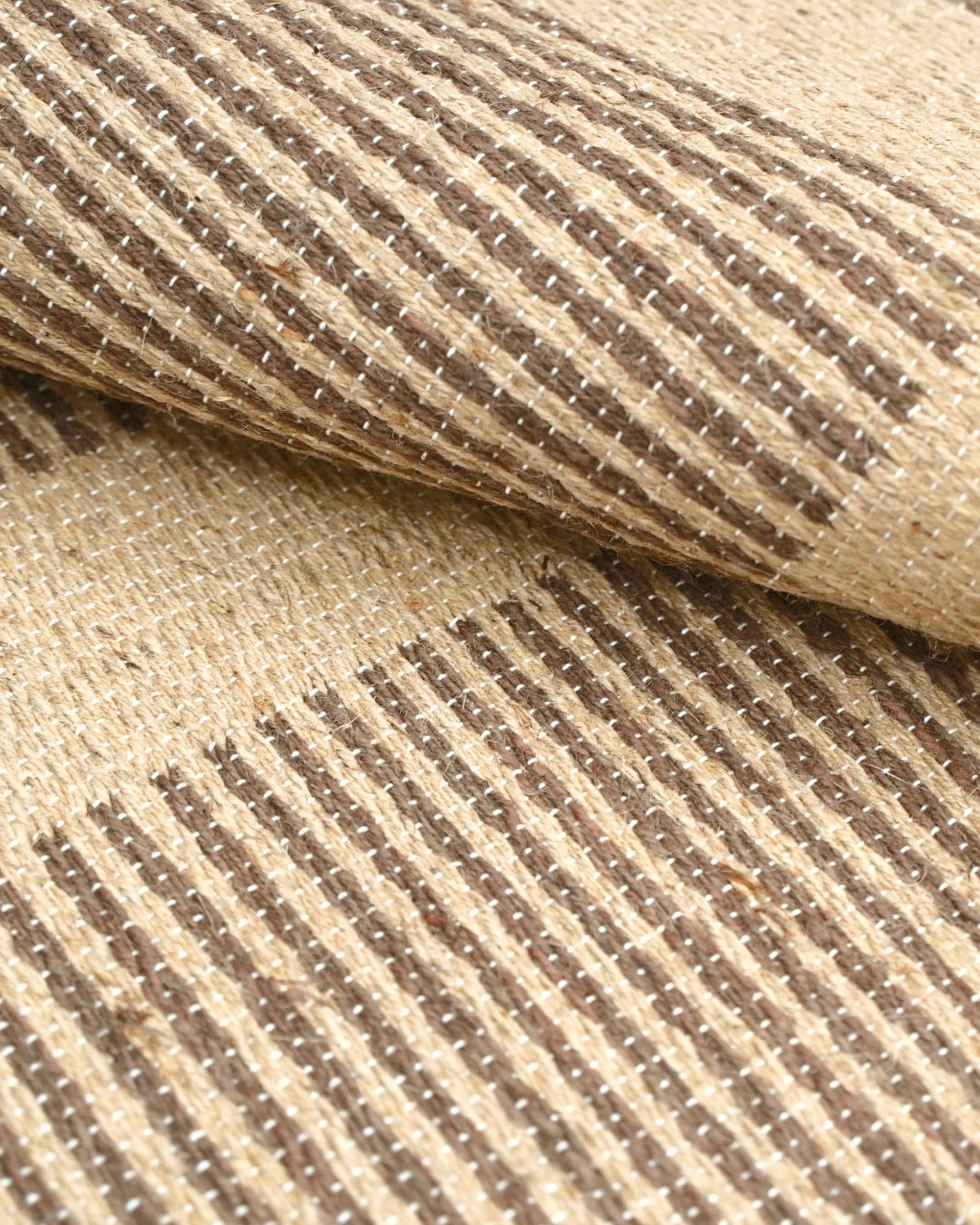
- Kora Jute Rug: handwoven natural jute at 10 mm. The Kora Jute Rug care note reads: vacuum regularly, blot spills at once and keep dry. Regular price ₹28,000 for 5x8 ft ex GST at the time of writing.
Prices in this post are regular prices from the product pages, ex GST, at the time of writing. A seasonal sale may show lower figures on the product page.
Rugberry's guide to what a jute rug is explains why jute darkens and weakens when it stays wet, and the natural jute rugs collection shows the full range. A practical coastal plan is wool in the rooms that stay open to the sea air and jute in the rooms that are air conditioned.
The underlay matters as well. A breathable underlay that lets air pass is better in a humid city than a solid rubber sheet that seals the floor, so ask the Rugberry team about a suitable underlay for your floor. The sibling post on rug pads on Indian floors goes into grip and cushioning.
What should you do with rugs when you travel in the monsoon?
When you travel in the monsoon, roll the rugs in rooms that will stay closed, raise them off the floor and leave a gap at the windows or a dehumidifier running if that is safe in your home. A rug left flat in a sealed room for a month in Kochi or Mumbai is the most common way mould starts.
Vacuum the rug well before rolling it, because dust holds moisture. Roll it pile side in, around a cardboard tube if you have one, and wrap it in a cotton sheet rather than plastic, which traps damp.
Rest the roll on a shelf, a bed frame or two wooden battens, never directly on a ground floor. When you return, unroll it in an aired room, check the back and let it lie flat for a day before furniture goes back on.
For a second home in Goa or Kochi that is opened a few times a year, many families simply store the main rugs rolled through the rains and lay them again in October. Rugberry's guide to rugs for Goa homes covers salt air and slow living in that kind of house.
The steady daily routine is in Rugberry's daily rug care routine. In a coastal city, add one line to it: in the monsoon, fold the rug back and look.
Frequently asked questions
Can a rug cause mould on a tiled floor?
A rug does not cause mould by itself, but it can trap moisture against a tiled floor that was mopped and covered before it dried. Drying the floor fully, keeping air moving and lifting the rug to check every few weeks in the monsoon prevents it.
How do I know if there is mould under my rug?
The usual signs are a musty smell in a closed room, a dark outline on the floor matching the rug, and a white or grey bloom on the back of the rug. If you notice any of them, lift the rug, dry it pile side down with a fan and dry the floor before relaying it.
Are jute rugs a good idea in Mumbai or Chennai?
Jute rugs work in Mumbai and Chennai in rooms that are air conditioned or well ventilated, because jute must be kept dry. In a ground floor room or a closed room through the monsoon, a low wool rug such as the Rugberry Grain Wool Rug is the safer choice.
Should I put a rubber underlay under a rug in a humid city?
A solid rubber sheet can seal moisture against the floor in a humid city, so a breathable underlay that lets air pass is usually better. Rugberry's team can advise on a suitable underlay for marble, tile or wood.
Can I wash a musty rug at home?
A musty handmade rug should not be soaked or scrubbed at home, because wool and jute both need careful, even drying. Air it pile side down with a fan first, and if the smell remains once it is fully dry, send it for professional cleaning.
Keep the air moving, keep the floor dry, and the rug will see out many monsoons.


Leave a comment
This site is protected by hCaptcha and the hCaptcha Privacy Policy and Terms of Service apply.