

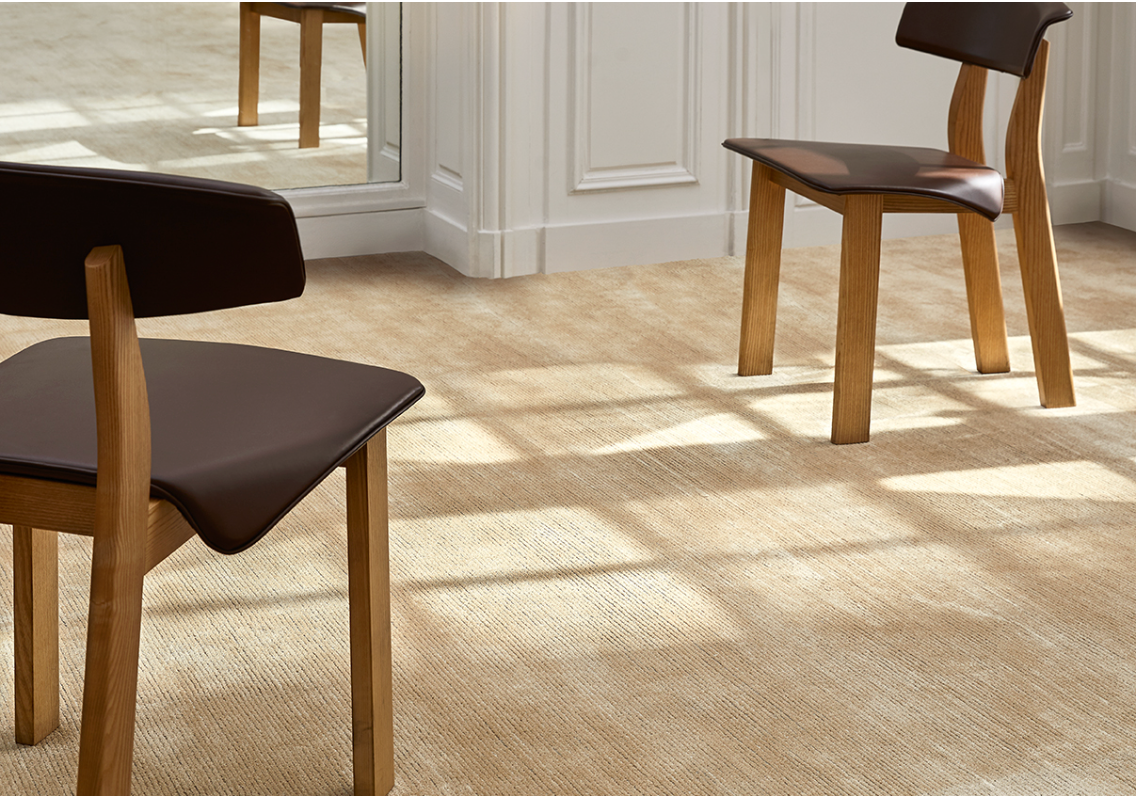

Rugs and Dust in Indian Cities
In a dusty Indian city, choose a low, closely woven rug in a mid tone and vacuum it twice a week. Dust that is removed often never gets the chance to grind into the fibre.
In short
- Fine road and construction dust settles into rugs daily in Indian cities, and grit at the base of the pile wears fibre over time.
- Low, closely woven rugs in mid tones, such as the Rugberry Grain Wool Rug in mochaccino, show dust least and release it most easily to a vacuum.
- A rug should be vacuumed twice a week in a dusty city, and turned over to vacuum the back once a month.
- A jhadu can lift loose surface dust from a flatweave, but it should never replace a vacuum on a pile rug.
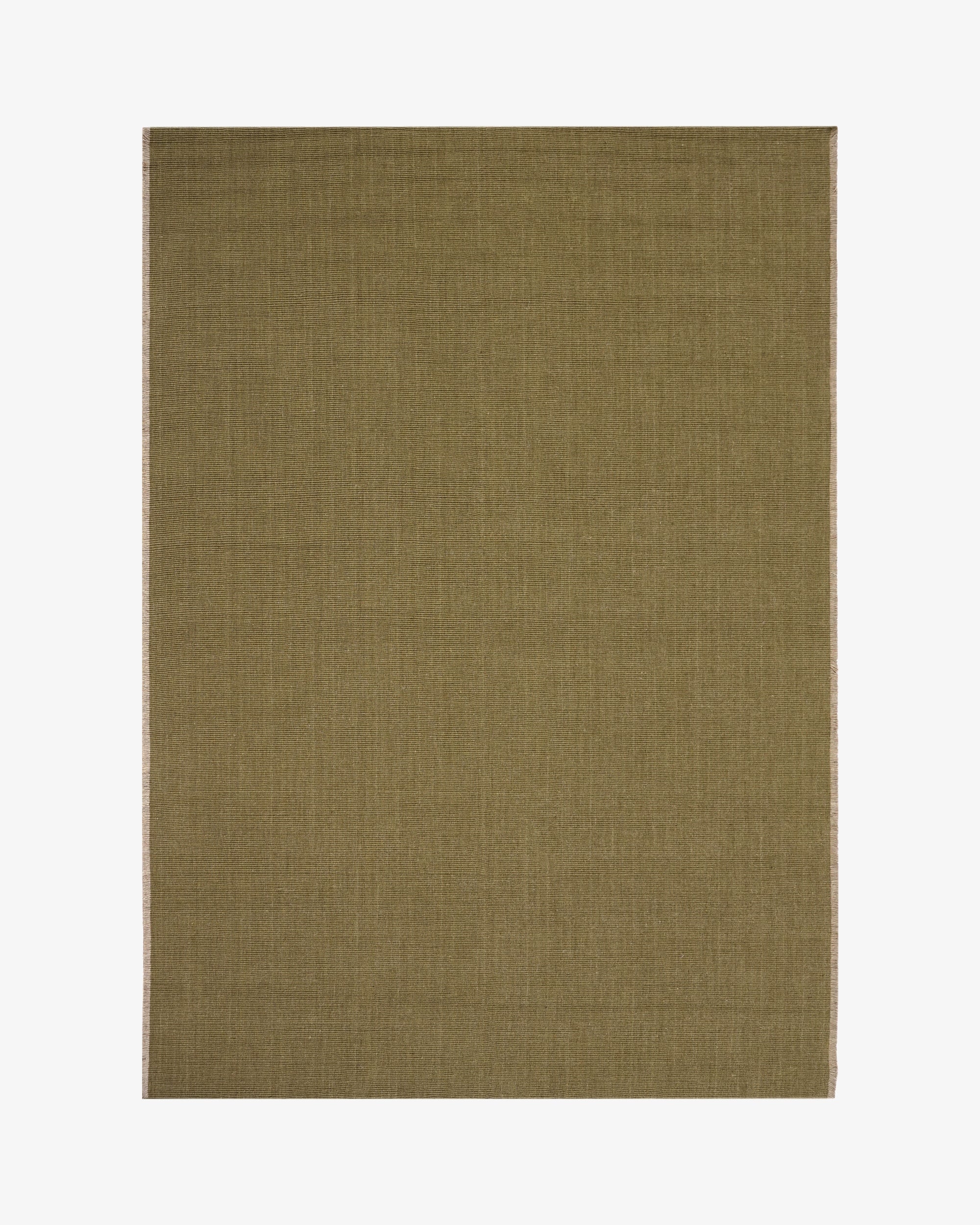
This guide is about the dust itself: where it comes from, what it does to a rug and how to keep ahead of it, shown through the Rugberry Grain Wool Rug in mochaccino and the Cabra Wool and Jute Rug in olive.
Why do rugs in Indian cities get so dusty?
Rugs in Indian cities gather dust from three sources: fine road dust through windows, construction dust from nearby sites, and grit carried in on footwear. A floor in Delhi or Pune can collect a visible film within a day.

Hard floors show this dust, so it gets swept away. A rug hides it, letting fine particles sink between the yarns where a quick sweep cannot reach.
That is the real issue. Dust at the base of the pile acts like fine sandpaper, and every footstep rubs it against the fibre.
Which rug surfaces show dust least and release it most easily?
Low, tightly woven surfaces in mid tones show dust least and give it up most easily. Long, loose pile in very pale or very dark colours shows and holds the most.


| Surface | How dust behaves | Verdict for a dusty city |
|---|---|---|
| Low handloom wool, mid tone | Sits near the surface, lifts with suction | The best balance |
| Wool and jute weave | Firm surface, dust shakes out readily | Good for entrances |
| Hand-tufted cut pile | Settles deeper, needs a brush head | Fine with a steady routine |
| Deep or shag pile, pale | Sinks deep and shows on the surface | Hardest to keep clean |
For a home near a busy road, choose a low handloom wool rug in a mid tone over a pale deep pile, because it hides daily dust and releases it to the vacuum.
The Grain Wool Rug in mochaccino, from about ₹37,000 in 5x8 ft, is handloom woven in New Zealand wool with a low, closely worked surface. Its brown mid tone is forgiving of the grey film that city dust leaves.
How should you vacuum a rug in a dusty city?
Vacuum a rug twice a week, slowly, in overlapping passes, and turn it over once a month to vacuum the back. The back is where fine dust collects without anyone seeing it.
- Use suction only, or a gentle brush setting, never a beater bar on a handmade rug.
- Go slowly. One slow pass removes more grit than three quick ones.
- Once a month, flip the rug and vacuum the back, then vacuum the floor where it lay.
Our older guide on how to vacuum a fine rug covers technique in detail.
Dust you remove twice a week never gets the chance to grind into the fibre.
Can a jhadu be used on a rug?
A soft jhadu can be used to flick loose dust off a flatweave or a firm wool and jute rug, but it should not be the main tool on a pile rug. Bristles push fine dust down rather than lifting it.
The daily jhadu matters for another reason. When the floor around a rug is swept, dust is often pushed against the rug's edge, where it builds up in a grey line along the binding.
Ask whoever sweeps to brush away from the rug, not towards it, and to wipe the floor under the edge with a damp cloth once a week.
What should you do when there is construction next door?
When building work starts nearby, roll up pale rugs in the rooms facing the site and keep a firm, easy rug in the rest of the house. Cement dust is fine, grey and alkaline, and it clings to wool.


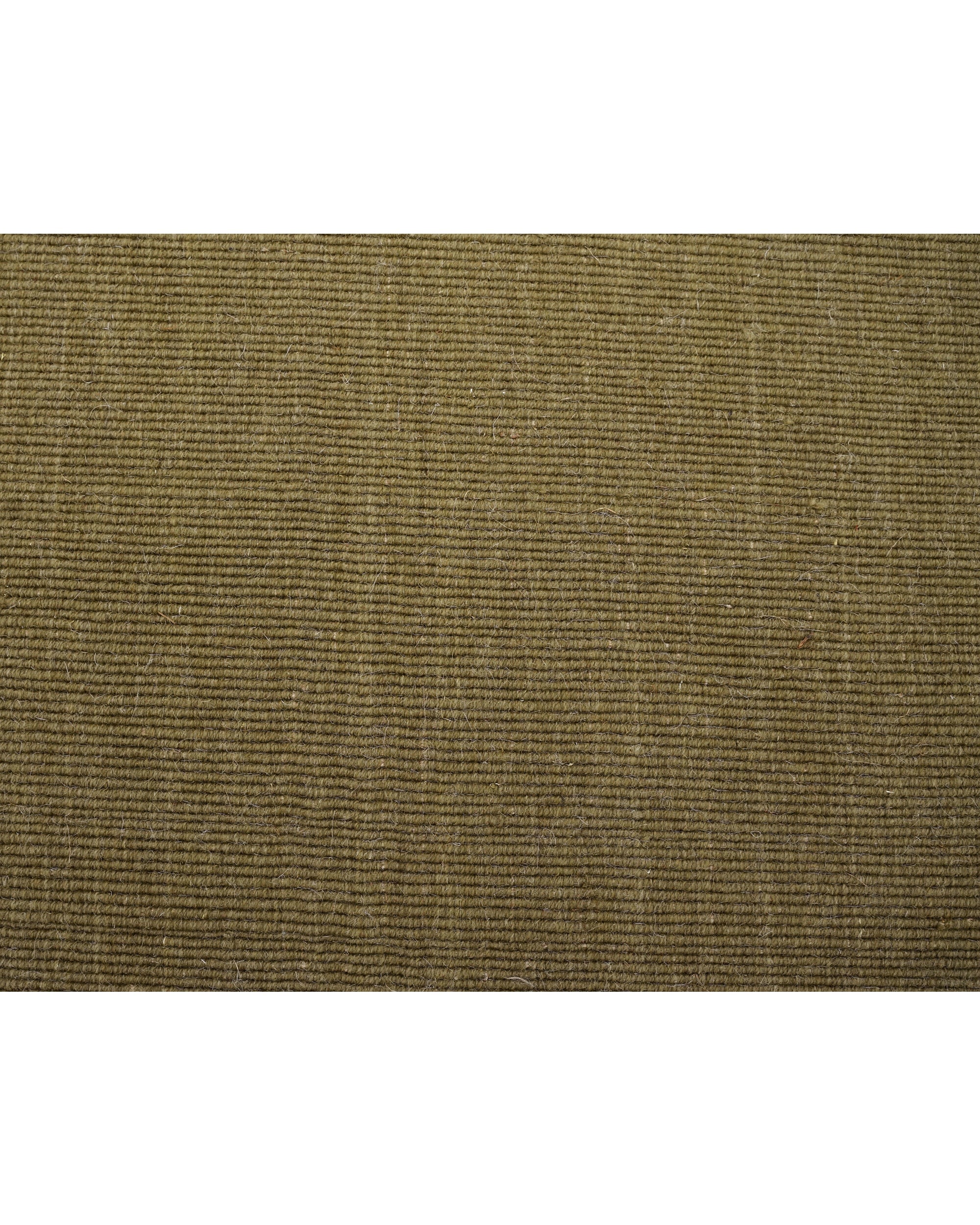
A wool and jute rug such as the Cabra Wool and Jute Rug in olive, from about ₹34,000 in 5x8 ft, has a firm surface that sheds dust when shaken or vacuumed. It is a sensible rug to leave down during months of work next door.
Keep windows on the site side shut during working hours, and lay a washable mat at the main door so grit stops there.
How often should a rug be deep cleaned?
In a dusty city, a rug in daily use benefits from a professional wash every 12 to 18 months, on top of regular vacuuming. A wash removes the fine dust that suction leaves behind.

A hand-tufted rug such as the Greige Wool Rug has a dense pile that holds its shape, and a wash also lifts the pile and refreshes the colour. Choose a cleaner who washes handmade rugs, not one who steam cleans fitted floor coverings.
See our older note on keeping your rug clean and browse Rugberry's handloom rugs for low, easy surfaces.
Frequently asked questions
Does a rug make a home dustier?
A rug holds dust that would otherwise sit on the floor, so the dust is less visible. Regular vacuuming removes it, so the home is not dustier as long as the rug is cleaned twice a week.
What colour rug hides dust best?
Mid tones such as brown, olive, greige and taupe hide dust best. Very pale and very dark rugs both show the grey film that city dust leaves behind.
Can I beat a rug to remove dust?
Gentle shaking of a small flatweave outdoors is fine. Beating a large pile rug hard can break fibres and stress the backing, so a vacuum and an occasional professional wash are safer.
Keep the dust moving out, and the rug keeps its colour and its pile. Material first.




Leave a comment
This site is protected by hCaptcha and the hCaptcha Privacy Policy and Terms of Service apply.