

Pile Direction: Why a Rug Looks Two Colours
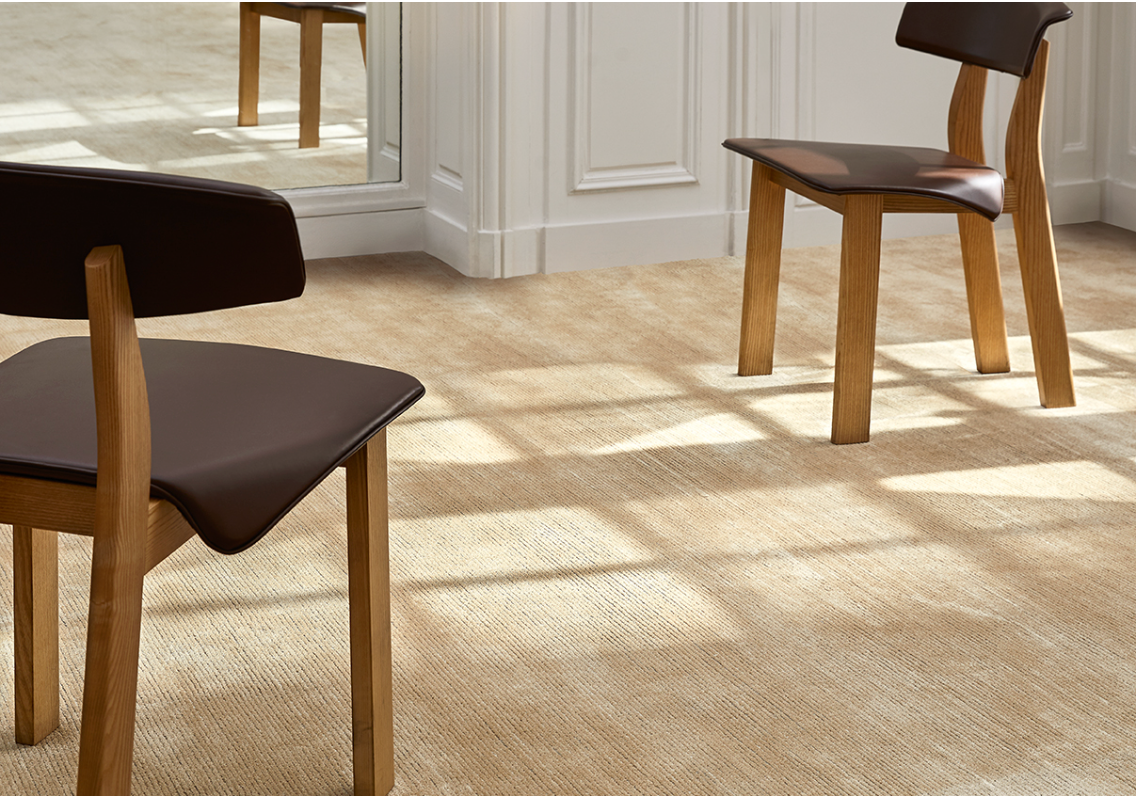
A rug looks two colours because its pile leans one way, so from one end you see the shiny sides of the fibres and from the other you look into their darker tips. This is called shading, and on Rugberry silk and deep pile rugs it is part of how the surface behaves.
In short
- Pile direction is the way the yarn ends of a rug lean after weaving and shearing, and it makes the same rug look lighter from one end and darker from the other.
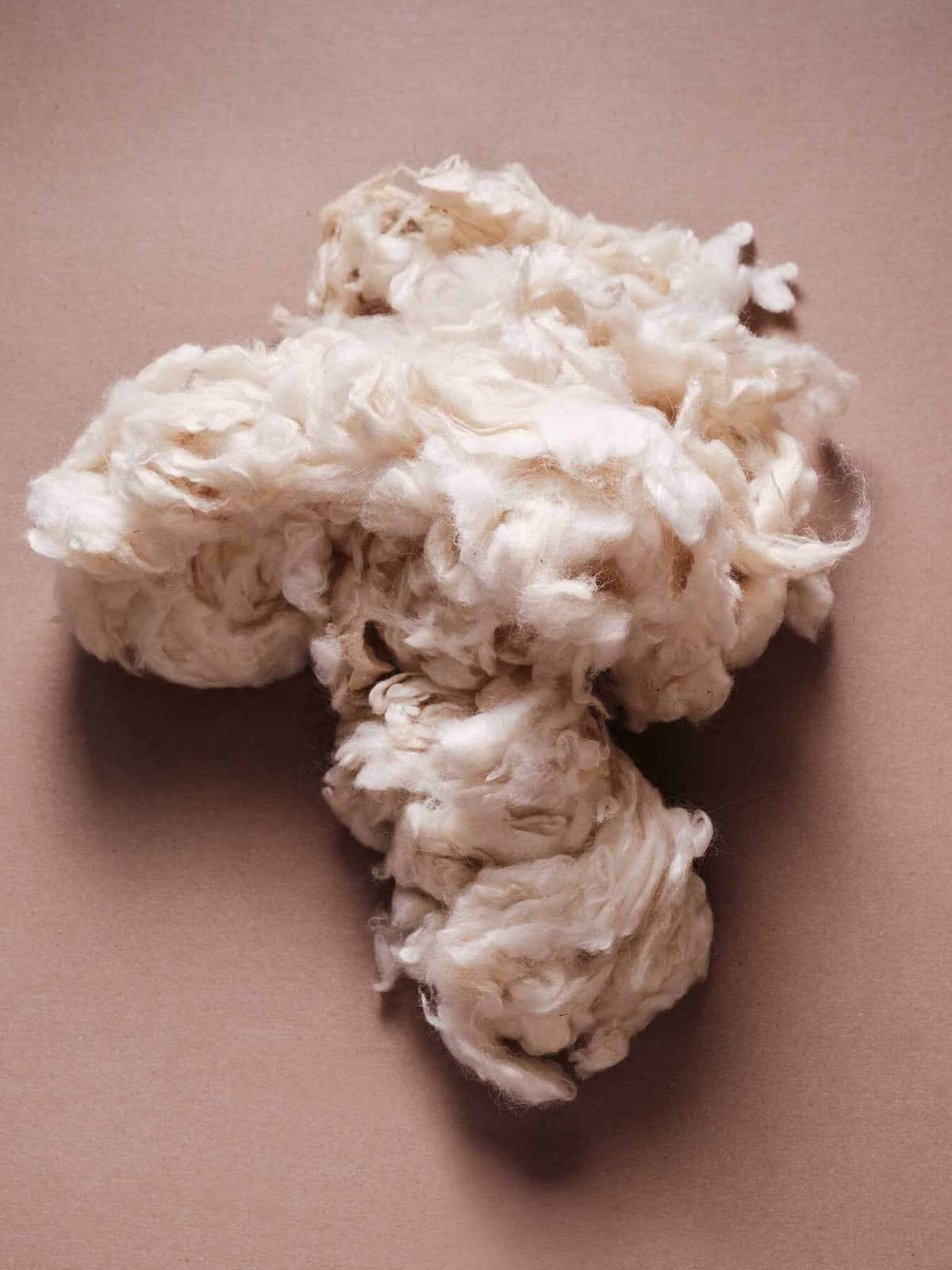
- Shading is strongest in Botanical Silk and wool and silk rugs such as the Rugberry Luma Silk Rug, because Botanical Silk reflects light like a mirror when you look along its lean.
- Shading changes when you brush the pile with your hand or walk around the rug, while a real colour fault stays put from every angle.
- In Indian homes, a single white tube light or low evening sun through a balcony door makes shading look much stronger than it does in a catalogue photo.
What is pile direction in a rug?
Pile direction is the angle at which the yarn ends lean, usually toward one end of the rug. No pile stands perfectly upright, because weaving, tufting, shearing and washing all lay the fibres over slightly in the same direction.


Run your palm along the length of the rug. One way feels smooth, like stroking a cat from head to tail, and the other feels rougher and lifts the pile. The smooth way is the direction the pile lies, the idea behind the glossary entry for pile direction.
Why does a rug look lighter from one side?
A rug looks lighter when the pile leans away from you, because you see the long sides of the fibres, which reflect light. Walk to the other end and the pile leans toward you, so you look into the cut tips, which absorb light and read darker.

On a matte wool the difference may be one shade. On silk it can look like two different rugs, which is why rug makers speak of a light end and a dark end.
The same effect explains a rug that looks patchy after guests leave. Where feet brushed the pile against its lean it stands up and darkens, while the rest of the surface stays light.
Which rugs show shading the most?
Silk, wool and silk blends and deep pile rugs show shading the most, while low, tight wool and flatweaves show it the least.


| Rug type | How much shading | Rugberry example |
|---|---|---|
| Handloom silk | Strong, the sheen flips with the light | Luma Silk Rug / Gray |
| Hand tufted wool and silk | Moderate, the silk shifts while the wool stays matte | Cabella Wool & Silk Rug / Frost |
| Handloom deep pile wool | Moderate, mostly where the pile is pressed | Plush Wool Rug / Copper |
| Low handloom wool | Slight | Grain Wool Rug |
| Handwoven jute | Very little | Kora Jute Rug |
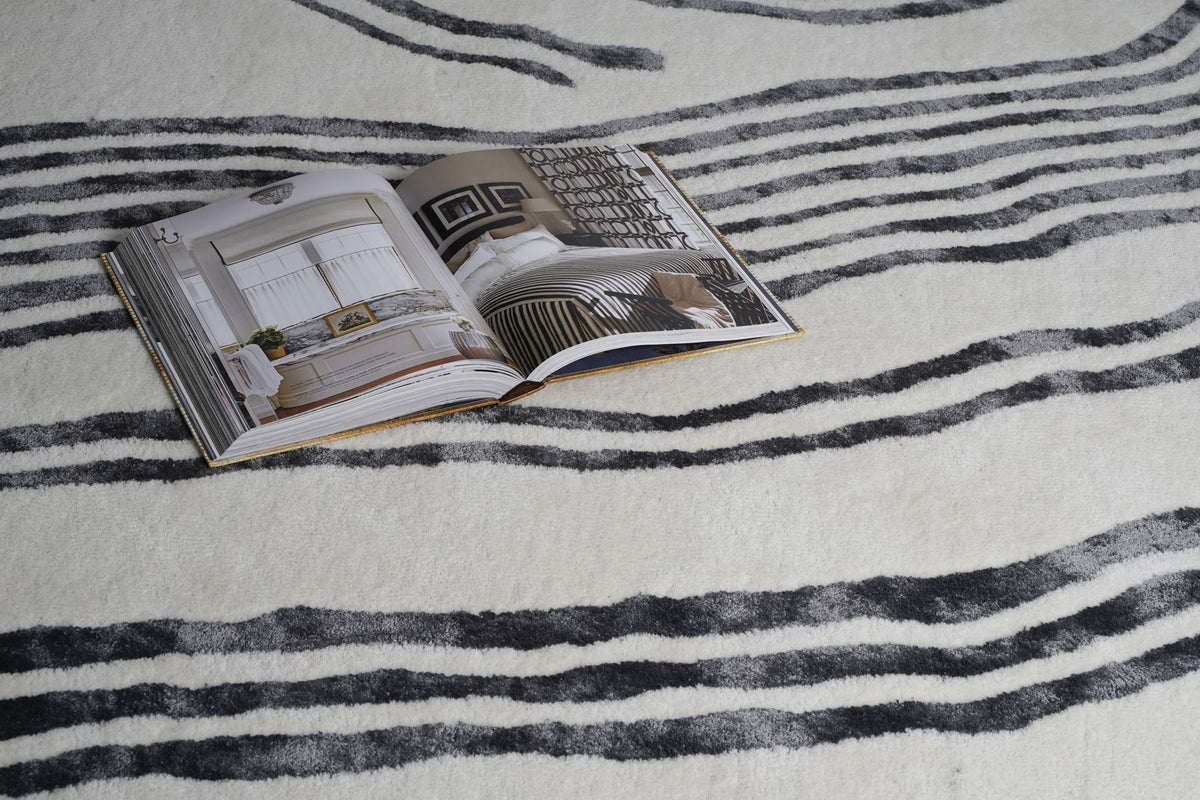
The Luma Silk Rug in gray is handloom woven in Botanical Silk, and its product note says the sheen changes as the light moves. A plain grey Botanical Silk is the clearest example of shading, because there is no pattern to distract the eye.
The Cabella Wool & Silk Rug in frost is hand tufted in New Zealand wool and Botanical Silk. The wool holds a steady tone and the Botanical Silk catches the light, so shading shows as a soft shimmer rather than a full change of colour.
Why does shading look stronger in Indian homes?
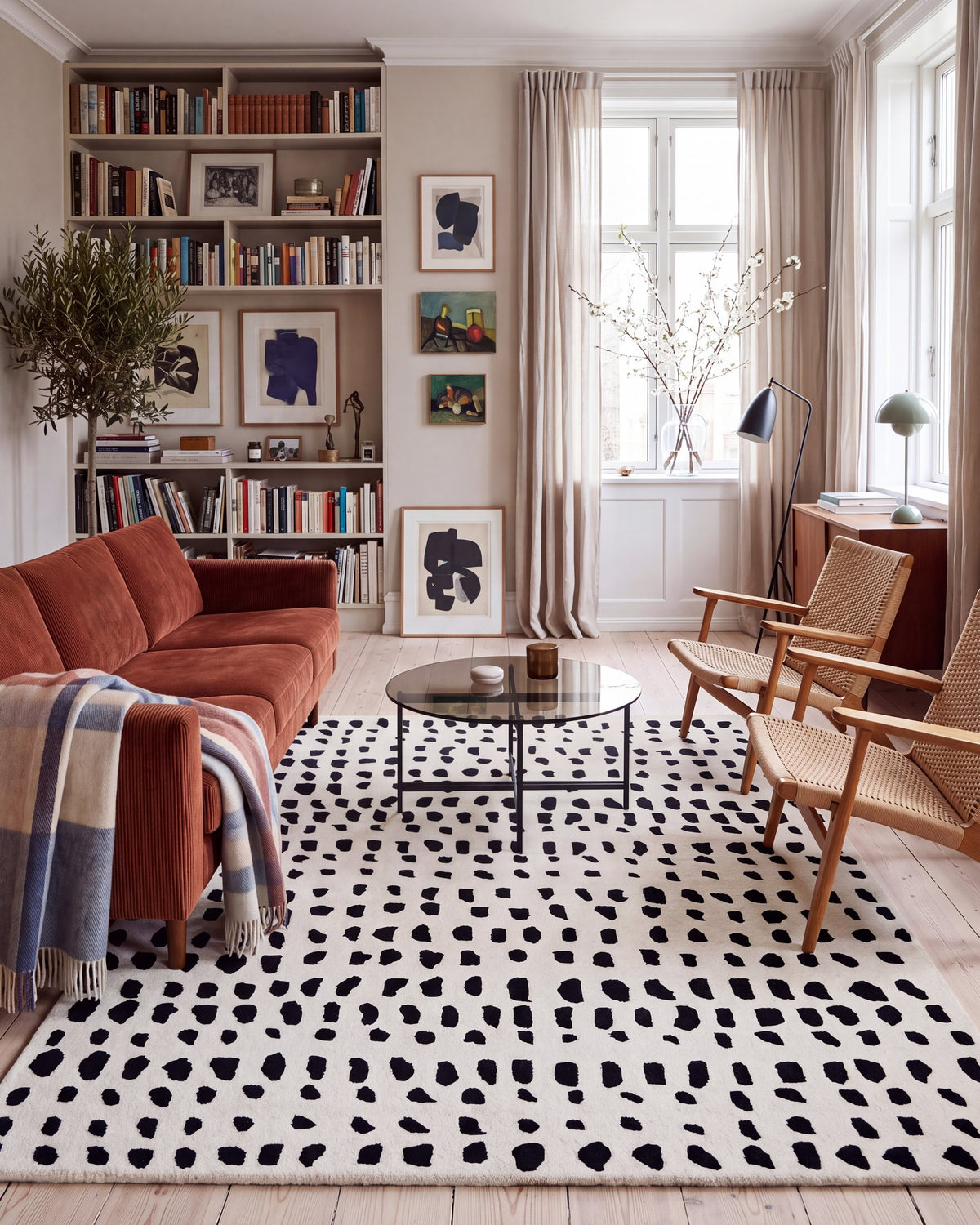
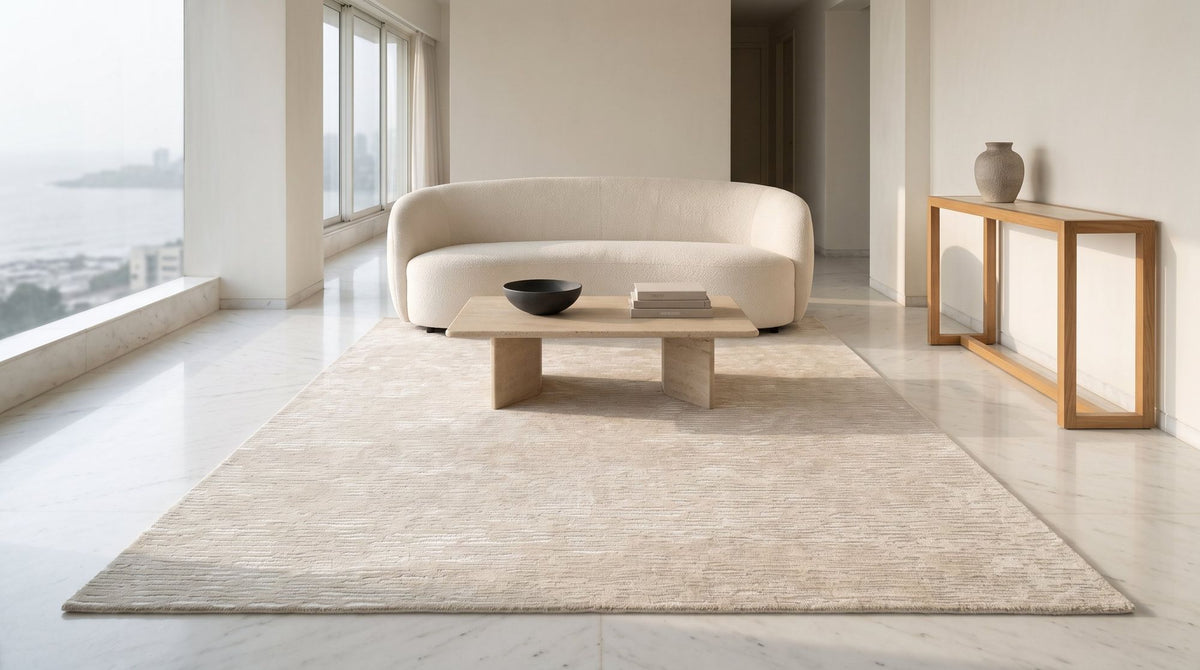
Shading looks stronger under one strong light source, and many Indian rooms have exactly that: a white LED tube on one wall, or low sun through a balcony door in the late afternoon. Light from one side rakes across the pile and exaggerates the light end and the dark end.

Product photos are lit softly from several directions, which flattens shading. That is why a rug can look even in a photo and two toned at home on the first evening.
Polished marble and vitrified tiles add to the effect, because they bounce extra light up into the pile near windows. The same rug in a bedroom lit by warm, shaded lamps will show far less shading than in a bright living room.
How can you tell shading from a real colour fault?
Shading moves and a colour fault does not. Use these four checks before deciding anything is wrong.
- Walk around the rug. If a patch is dark from one end and light from the other, it is shading.
- Brush the patch with your palm in both directions. If the colour changes as the pile flips, it is shading.
- Look straight down with a phone torch held directly overhead. Shading nearly disappears, while a dye fault stays visible.
- Turn the rug end to end for a day. Shading follows the pile, while a fault stays in the same spot on the rug.
If a band or patch stays a different colour from every angle and under every light, it is not shading. It may be a dye lot difference or abrash, and it deserves a photo and a message to Rugberry rather than a guess either way. Our note on colour variation in rugs explains what counts as normal.
Shading moves when the pile moves. A real colour fault stays in the same place from every angle.
How should you place a rug with strong shading?
Place a shaded rug so the main seat looks at the end you like best, which for most people is the darker, richer end.

- Choose your end. Stand at each end in the evening light you actually live with, then lay the rug so the sofa faces the end you preferred.
- Match the lean in pairs. Two rugs in one room, or a rug and a runner in a passage, should have their pile leaning the same way, or one will always look lighter.
- Brush it back after hosting. After a festive evening, a soft brush or a slow vacuum pass along the pile lays footprints flat again.
- Rotate with the lean in mind. A half turn every few months evens out wear, but the view from the sofa flips with it, so check both ends after turning.
Deep pile rugs such as the Plush Wool Rug in copper, handloom woven in New Zealand wool, show footprints and vacuum stripes for the same reason. That is the pile working, not wearing out.
Does shading go away over time?
Shading does not go away, because it comes from the structure of the pile, but it settles into an even pattern after the first weeks of use. A new rug often shows sharp marks from rolling and packing, and those relax as the pile is walked on in one general direction.
Silk keeps its play of light for life, which is the reason to choose it. Our piece on how silk sheen works goes deeper into that quality.
Frequently asked questions
Is shading a defect in a silk rug?
No. Shading is how silk and wool and silk rugs behave, because the fibres reflect light differently depending on which way they lean. A defect stays the same colour from every angle and under every light.
Why does a new rug have light and dark stripes?
Light and dark stripes on a new rug usually come from rolling, packing or vacuuming, which press the pile in different directions. Brushing the pile one way along the length of the rug evens them out.
Which way should the pile face in a living room?
Most people prefer the pile to lean away from the main seat, so the sofa looks into the darker, richer side of the rug. Check both ends in your own evening light before deciding.
Do flatweave rugs show shading?
Flatweaves such as jute rugs have no standing pile, so they show very little shading. For a rug that looks the same from every side, a flatweave or a low, tight wool is the steadier choice.
Look at a rug from both ends before judging its colour, and see the silk rugs in your own light. Material first.



Leave a comment
This site is protected by hCaptcha and the hCaptcha Privacy Policy and Terms of Service apply.