



Building a Rug Schedule for a Villa Project
A rug schedule is a single table that lists every rug in a villa, room by room, with its size, construction, fibre, pile, colour reference, budget and approval status. Build it at the furniture layout stage, not after the sofas arrive, and the rugs stop being the last line of the project.
In short
- A villa rug schedule should be started once the furniture layout is fixed, because every rug size is drawn from the furniture plan rather than from the room walls.
- A typical five bedroom villa in India needs 10 to 16 rugs, so a schedule with one numbered line per rug prevents duplicated or forgotten rooms.
- Rugberry's Grain Wool Rug, handloom New Zealand wool at 12 to 14 mm, is a practical schedule default for living and dining rooms, with a regular price of ₹1,02,000 for 9x12 ft ex GST at the time of writing.
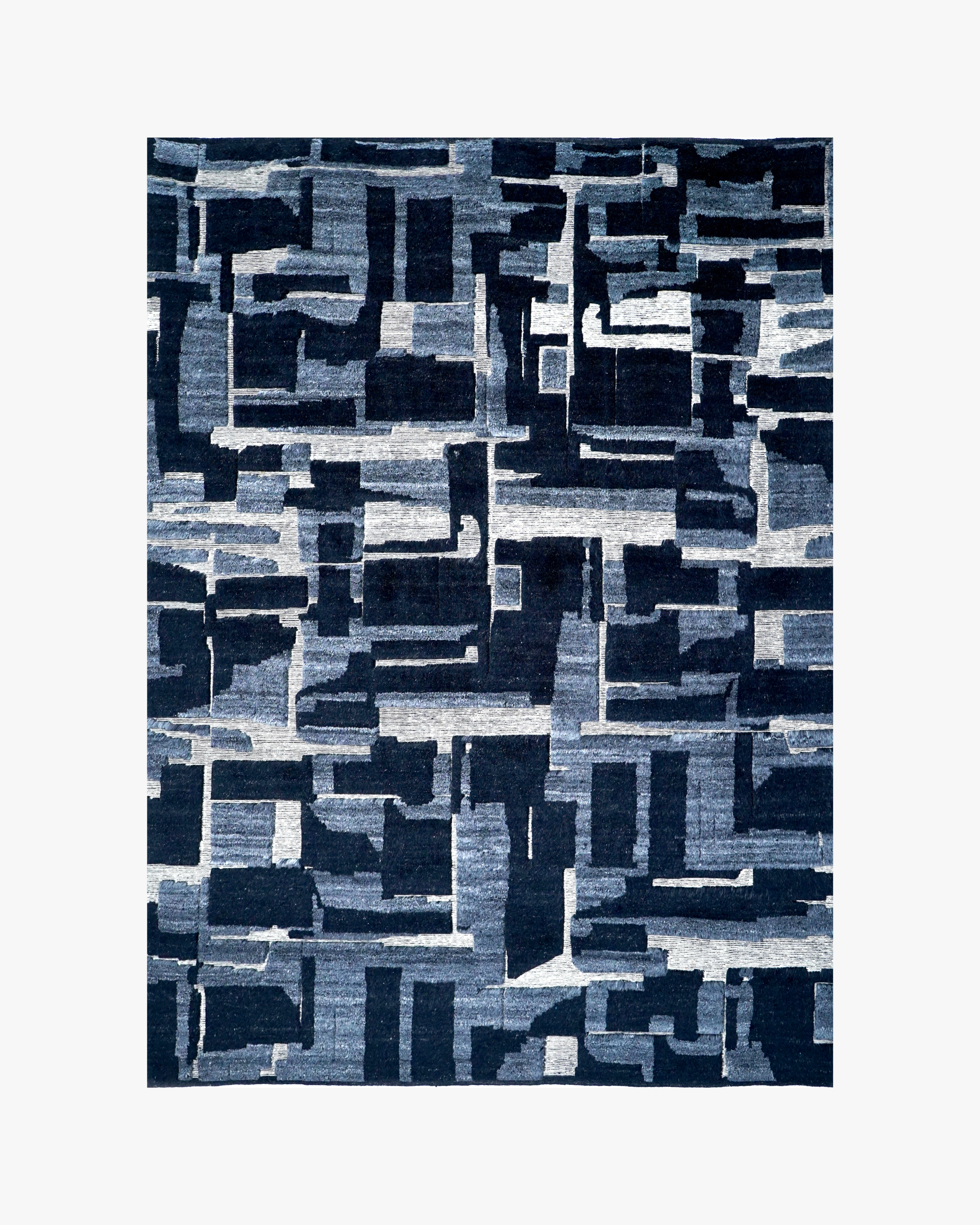
- Hand knotted pieces such as the Rugberry Stratum Knotted Rug take the longest to make, so they should be approved first in any villa schedule.
What is a rug schedule, and why does a villa need one?
A rug schedule is the rug equivalent of a lighting or sanitaryware schedule: a numbered list that the designer, the client and the rug maker all read from. A villa needs one because it holds far more rugs than an apartment, spread over several floors and often over several approval meetings.
Without a schedule, rugs get chosen room by room as each room is finished. The result is usually three different whites, two rugs of the same design in rooms that face each other, and a family room that was simply forgotten.
A schedule also protects the budget. When every rug is a line with a figure beside it, the client sees the whole package once, and trade offs between rooms happen on paper rather than at the last site visit.
What columns should a villa rug schedule have?
A villa rug schedule should have one row per rug and around twelve columns, from a rug code to an approval date. Keep it in a spreadsheet the whole team can read, and freeze the first two columns so the code and room stay visible.


- Rug code: a short reference such as GF-LIV-01, so a rug can be discussed without describing it.
- Room and zone: the room name and, in large rooms, the seating group or table it serves.
- Drawing reference: the furniture layout sheet the size was taken from.
- Size and shape: in feet and in cm, with any cut outs or a round or oval shape noted.
- Construction and fibre: for example handloom New Zealand wool or hand knotted wool.
- Pile height: in mm, checked against door clearances.
- Colour reference: a product colourway or a pom number, never a word like beige alone.
- Product or custom: whether the rug is a catalogue size or made to measure.
- Budget and quote: the allowance, then the quoted figure ex GST.
- Status: proposed, sampled, approved, ordered, delivered, laid.
Two optional columns save trouble later: underlay yes or no, and the floor finish under the rug. A rug on Italian marble behaves differently from one on engineered wood, and the schedule is the right place to record it.
How do you size every rug in the schedule?
You size every rug from the furniture layout, by drawing the rug on the plan around the furniture it anchors, then rounding to a standard size where the difference is under 6 inches. Only rooms where the standard size misses by more than that go to made to measure.

In a villa, the rooms are often large enough that the walls are irrelevant to the rug. A 22 x 26 ft formal living room may hold two seating groups, each with its own rug, rather than one huge piece. The schedule should show each group as its own line.
| Code | Room | Size | Construction and fibre | Pile | Regular price, ex GST |
|---|---|---|---|---|---|
| GF-FOY-01 | Foyer | 6x9 ft | Cabra, handloom New Zealand wool and jute | 7 to 8 mm | ₹45,900 |
| GF-LIV-01 | Formal living, main group | 12x15 ft | Stratum, hand knotted New Zealand wool, made to measure | Dense, hand knotted | On quotation, 9x12 ft listed at ₹1,75,000 |
| GF-FAM-01 | Family lounge | 10x14 ft | Grain, handloom New Zealand wool | 12 to 14 mm | ₹1,29,000 |
| GF-DIN-01 | Dining, ten seater | 9x12 ft | Grain, handloom New Zealand wool | 12 to 14 mm | ₹1,02,000 |
| FF-MBR-01 | Master bedroom | 9x12 ft | Cashmere Blend, handloom wool and cashmere | 16 mm | ₹1,46,000 |
| FF-BR2-01 | Bedroom two | 8x10 ft | Grain, handloom New Zealand wool | 12 to 14 mm | ₹74,000 |
Prices are Rugberry regular prices from the product pages, ex GST, at the time of writing; a seasonal sale may show lower figures. The table is an illustration of a schedule's shape, not a recommendation for every villa.
How should fibres and constructions be spread across the villa?
Fibres and constructions should follow how each room is used: firm, low weaves where shoes and traffic are heavy, deeper or finer fibres where feet are bare. A schedule makes this visible, because you can read down the fibre column and see whether the house is balanced.


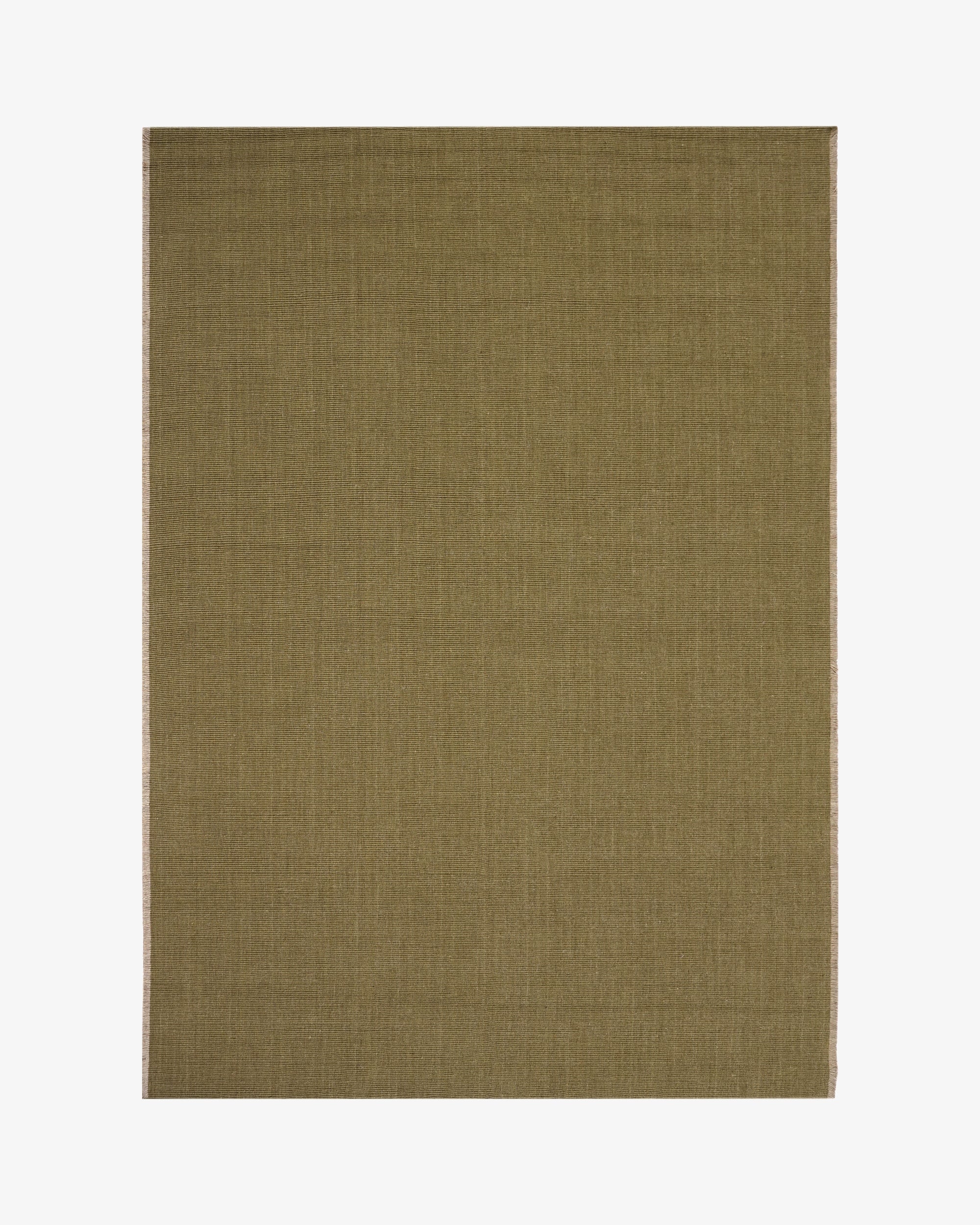
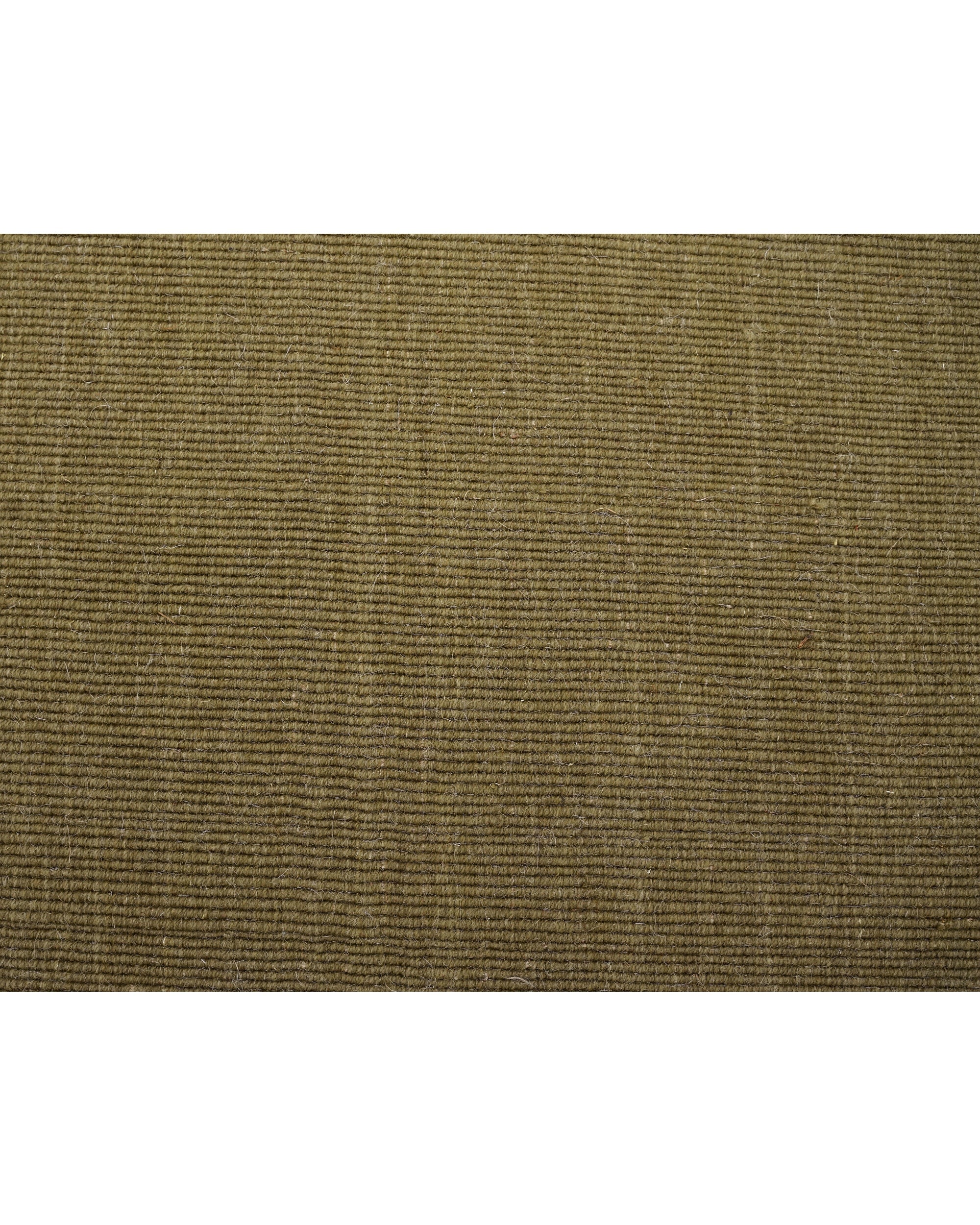
A sensible villa pattern has three tiers. The hard working tier covers foyers, corridors and family lounges, where a low handloom wool or a wool and jute weave such as the Cabra Wool & Jute Rug in Olive earns its place.
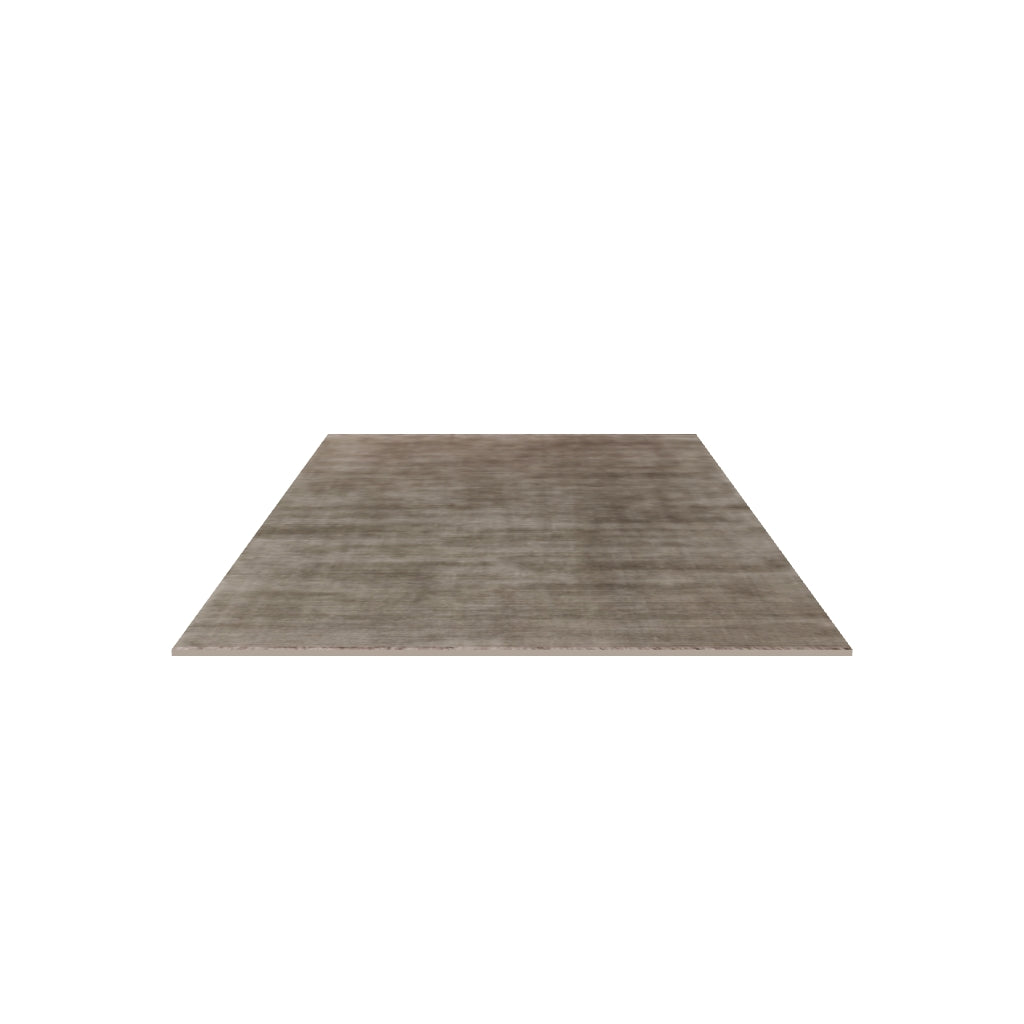
The everyday tier covers living, dining and children's rooms, where a handloom wool such as the Grain Wool Rug in Umber is calm and easy to keep. The quiet tier covers the master bedroom and a reading room, where the Cashmere Blend Rug in Taupe, a 16 mm handloom wool and cashmere blend, is felt under bare feet every morning.
Hand knotted work belongs in the room that carries the house. The Stratum Knotted Rug in Abyss is listed at 9x12 ft and made to any size, so in a schedule it usually sits as a custom line with a quotation rather than a catalogue price.
In what order should rugs in the schedule be approved?
Rugs should be approved in the order of their making time, longest first, so the hand knotted and made to measure lines are signed off before anything that can come from a catalogue size. Rugberry product pages list around 60 days of making for hand knotted rugs and around 35 days for handloom rugs made to order.
Approve the rug that takes longest to make first. Everything else in the schedule can follow the furniture.
A workable sequence runs in four rounds. Round one approves the hand knotted and custom size rugs from samples and a colour reference. Round two approves living and dining rugs once sofa fabrics are fixed.
Round three covers the bedrooms, usually from catalogue colourways. Round four is the small pieces: bathroom runners, a dressing room rug, the puja room, a terrace sit out.
Record each approval in the schedule with a date and who approved it. On a villa with a family of decision makers, this one column settles more arguments than any drawing.
How do samples and colour references fit into the schedule?
Samples fit into the schedule as a status between proposed and approved: no rug should move to approved until its fibre and colour have been seen in the actual room light. A swatch on the floor at site, at the hour the room is most used, is the test that matters.
Give each sample the same code as the schedule line it belongs to. Write the code on the back of the swatch in pencil, and photograph it on the floor at site with the code visible.
For made to measure colours, the reference should be a pom or a named colourway, recorded in the schedule. Rugberry's guide to rug samples for designers explains how to run a sample round without losing track of what was approved.
How does a rug schedule work with the Rugberry Trade Program?
A rug schedule maps almost line for line onto a project in the Rugberry Trade Program, which organises rugs by room, with sizes, notes and quantities on every line and a running total. Designers can turn that project into an itemised quotation and share a client link at the price they choose.

The trade account also lets each line carry an underlay and a stain resistant coating, and a tearsheet for the client file. Custom rugs can be added to a project with a photo, so made to measure lines sit beside catalogue pieces.
Keep your own spreadsheet as the master all the same. It holds the columns a trade account does not need, such as drawing references, floor finish and approval dates. Rugberry's notes on a rug specification for architects and on building a rug budget for an interior project fill in the detail behind each column.
What do villa rug schedules usually forget?
Villa rug schedules usually forget the small rooms: the staff entrance, the lift lobby on each floor, the gym, the home theatre and the covered terrace. They are not glamorous, but each one is used daily and each one changes the total.
Walk every floor plan with a highlighter and mark any room with a door that someone will walk through barefoot or in house slippers. Then decide, room by room, rug or no rug, and record the answer even when it is no.
A schedule line marked no rug is still useful. It shows the client the decision was made, not missed, and stops the question coming back at handover.
Frequently asked questions
When should a rug schedule be started on a villa project?
A rug schedule should be started as soon as the furniture layout is fixed, because rug sizes come from the furniture plan. Starting at that point leaves time for hand knotted and made to measure rugs, which take the longest to make.
How many rugs does a typical villa need?
A five bedroom villa in India usually needs 10 to 16 rugs once foyers, family lounges, dressing rooms and terraces are counted. Large living rooms with two seating groups often need two rugs rather than one.
Should every rug in a villa be custom made?
Not every rug in a villa needs to be custom made. Most rooms can take a standard size such as 8x10, 9x12 or 10x14 ft, and only rooms where the standard size misses by more than 6 inches need a made to measure rug.
What colour reference should go in a rug schedule?
A rug schedule should record a named colourway or a pom number, never a general word such as beige or grey. The reference should match a swatch that has been approved in the room's own light.
Can a rug schedule be shared with the client online?
A Rugberry trade account lets a designer build a project room by room and share a private client link at the designer's chosen price. The client can review the selection and approve it from a phone.
One table, one line per rug, one date per approval. The villa reads as one house. Material first.





Leave a comment
This site is protected by hCaptcha and the hCaptcha Privacy Policy and Terms of Service apply.