


Why Not All Wool Rugs Feel the Same
Wool rugs feel different because wool itself varies: in how long each fibre is, how fine it is, and how tightly it is spun. Construction then decides how much of that wool you actually feel underfoot.
In short
- Wool quality in a rug comes down to staple length, fibre fineness, spinning and how densely the yarn is built into the rug.
- Longer wool staple sheds less and wears better, because each fibre is held at more points in the twist.
- Finer wool feels softer against the skin, which is why a wool and cashmere blend feels finer than wool alone.
- A pinch, rub and bend test in the hand tells you more about a wool rug than its price does.
At Rugberry, a New Zealand wool rug starts from about ₹36,000 and a wool and cashmere blend from about ₹54,000 in 5x8 ft. Here is where that difference in feel comes from.
What is staple length and why does it matter?
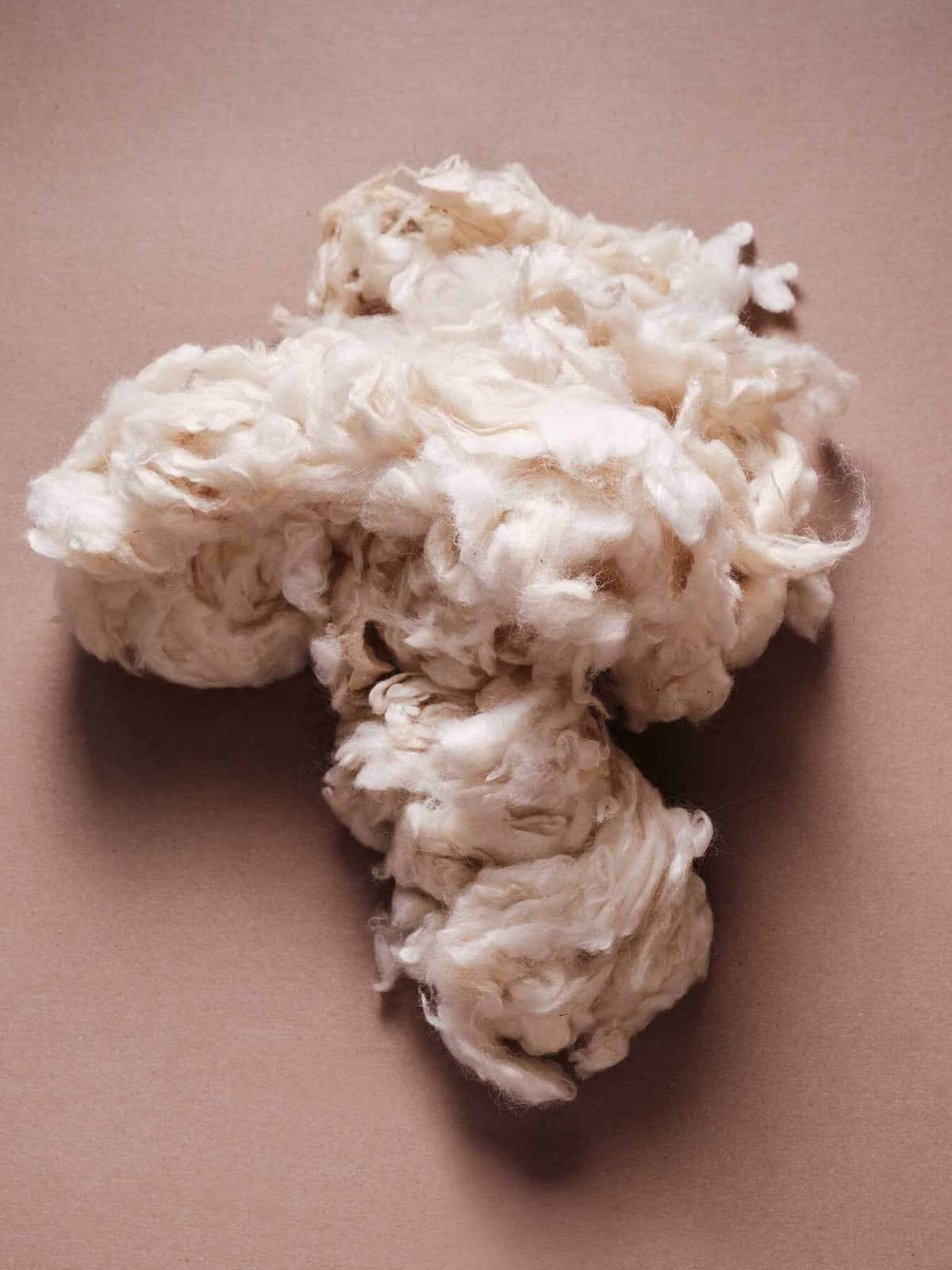
Staple length is the length of an individual wool fibre, and longer staple generally makes a stronger, smoother yarn. Each fibre is caught at more points along the twist, so fewer loose ends work free.


Short staple wool makes a yarn with more fibre ends sticking out. It can feel fuzzier when new, it sheds more and it pills more easily. Long staple wool makes a yarn that looks cleaner and stays that way.
You cannot measure staple length at home, but you can see its effects. Rub the pile firmly with a dark cloth: a little fluff is normal, but a cloth covered in fibre suggests short staple.
Why does finer wool feel softer?
Finer wool feels softer because thin fibres bend easily against the skin, while thick fibres press back and feel prickly. Fibre fineness is measured in microns, and lower numbers mean finer wool.


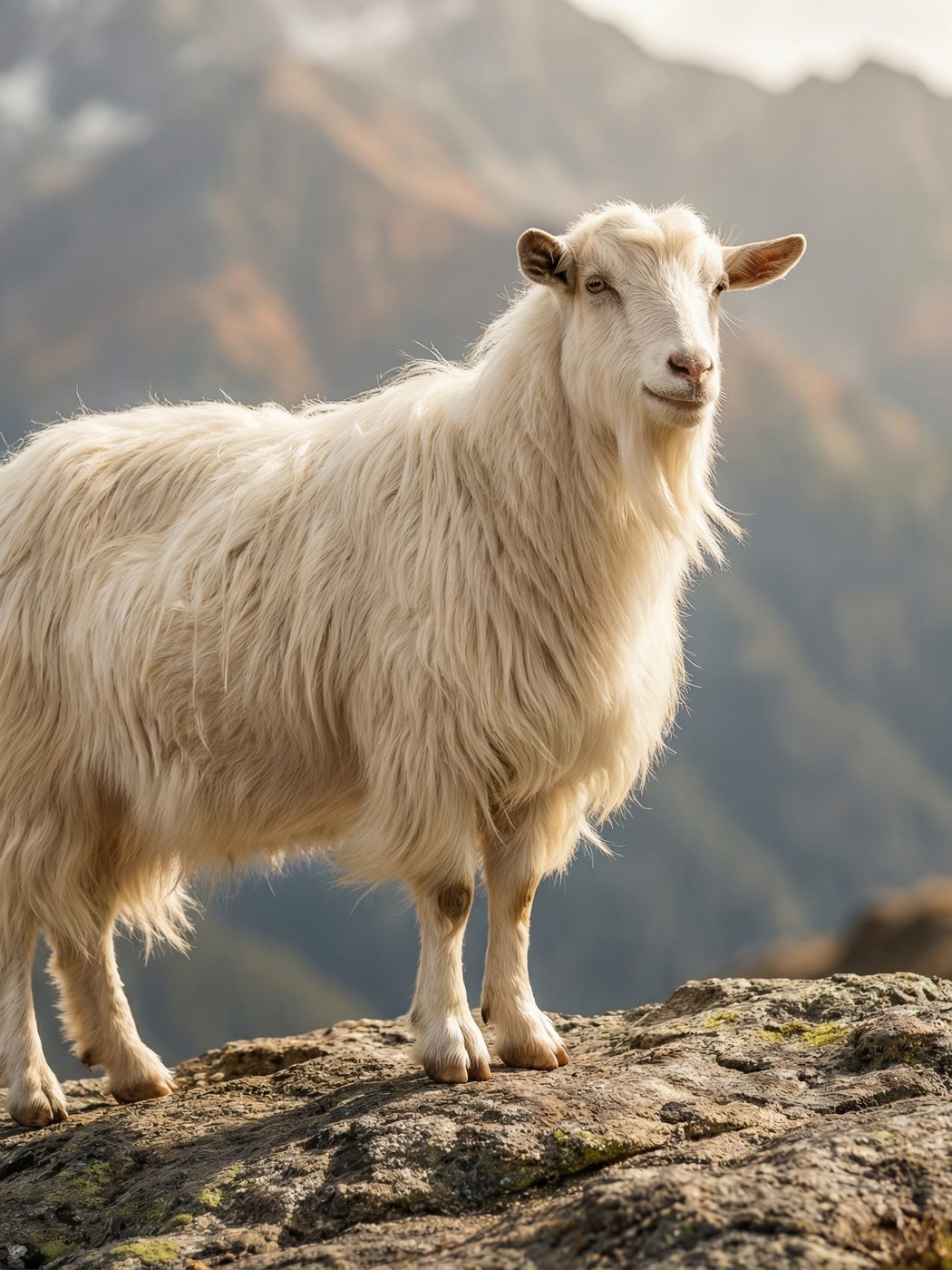
Rug wool is usually a sturdier grade than the wool in a sweater, because a rug needs spring and strength more than silkiness. Finer fibres such as cashmere are blended in when softness matters most. Our post on wool micron goes further into the numbers.
Where cashmere fits
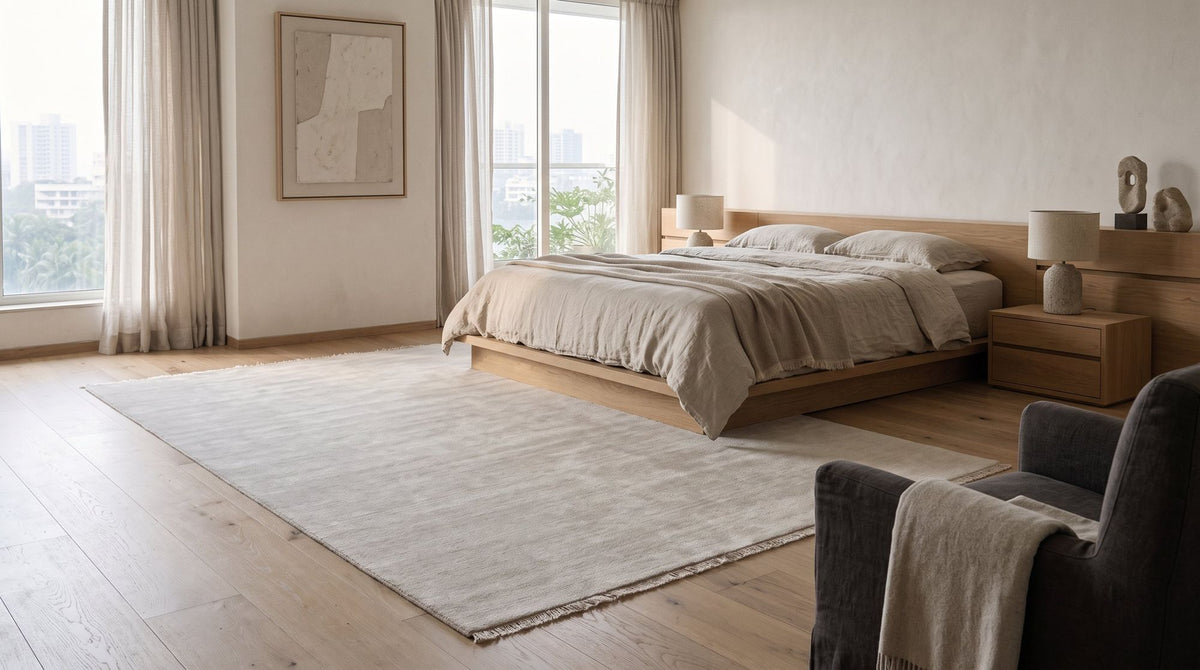
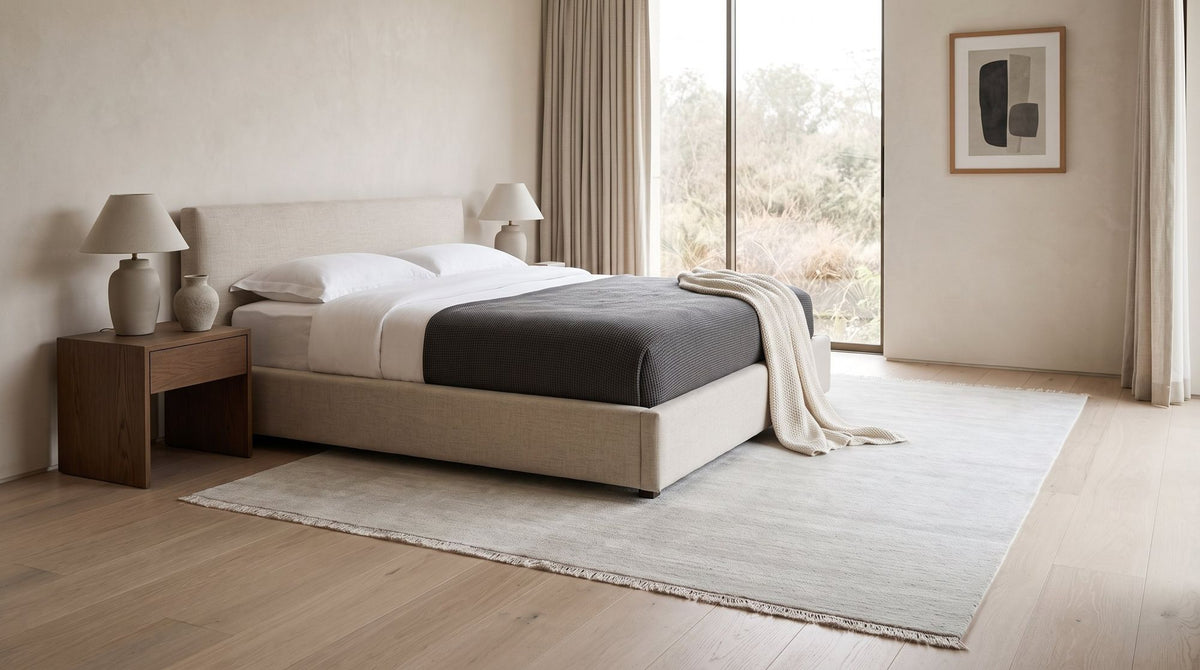
The Cashmere Blend Rug in natural is handloom woven in a wool and cashmere blend, and it feels fine, dense and very soft underfoot. You pay for that fineness: about ₹54,000 in 5x8 ft, against about ₹37,000 for a handloom wool rug of the same size.
How does spinning change a wool rug?
Spinning decides how the fibres hold together. A tighter twist makes a firmer, more defined yarn that resists crushing. A softer twist makes a loftier, fuller yarn that feels plush but flattens sooner.


Plied yarn, two or more strands twisted together, is stronger and more even than a single strand. In a cut pile rug you can sometimes see this: look closely at the tip of a tuft and you may see the plies separating slightly.
Wool quality is not one thing. It is length, fineness, twist and density, felt together.
Why does construction matter as much as the wool?
Construction matters because the same wool can be woven low and close or tufted deep and soft, and each feels different. Density, how much yarn is packed into each square inch, is often what you notice first.


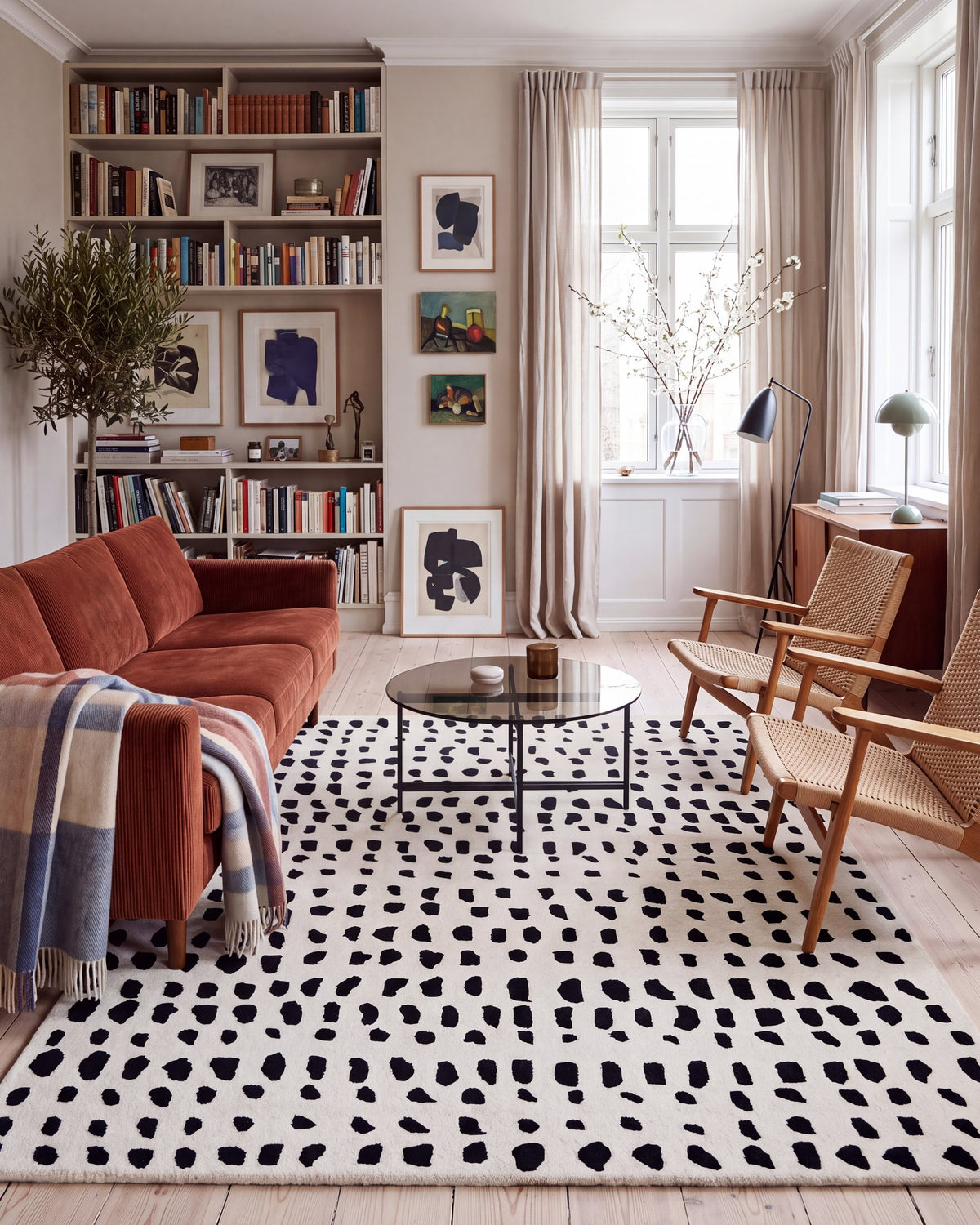
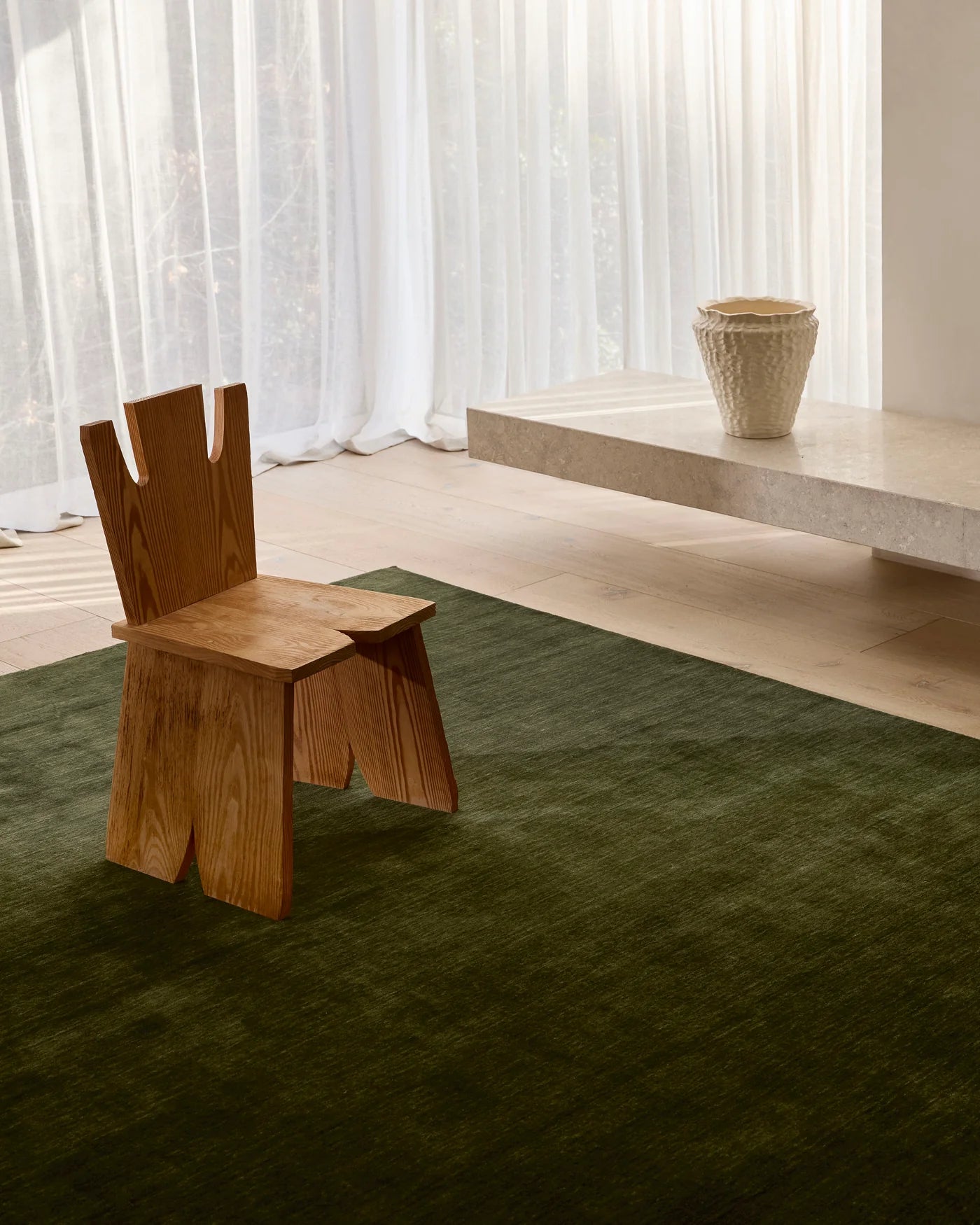
The Rugberry Grain Wool Rug in sage is handloom woven in New Zealand wool with a low, closely worked surface, so you feel the weave and the firmness of the wool. A deep pile rug in similar wool would feel cushioned and soft. Neither is better quality. They are different uses of the same fibre.
A contrast from jute
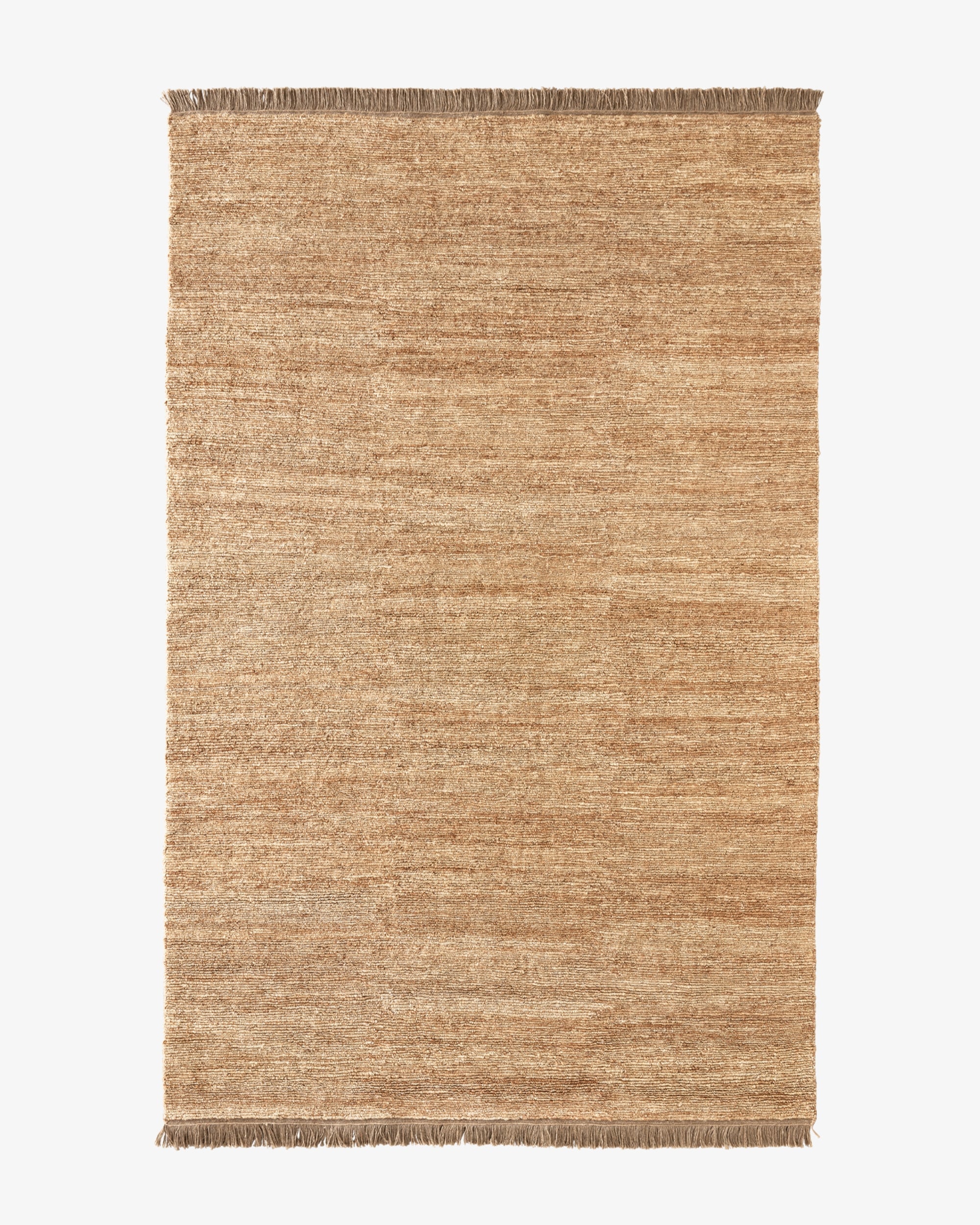
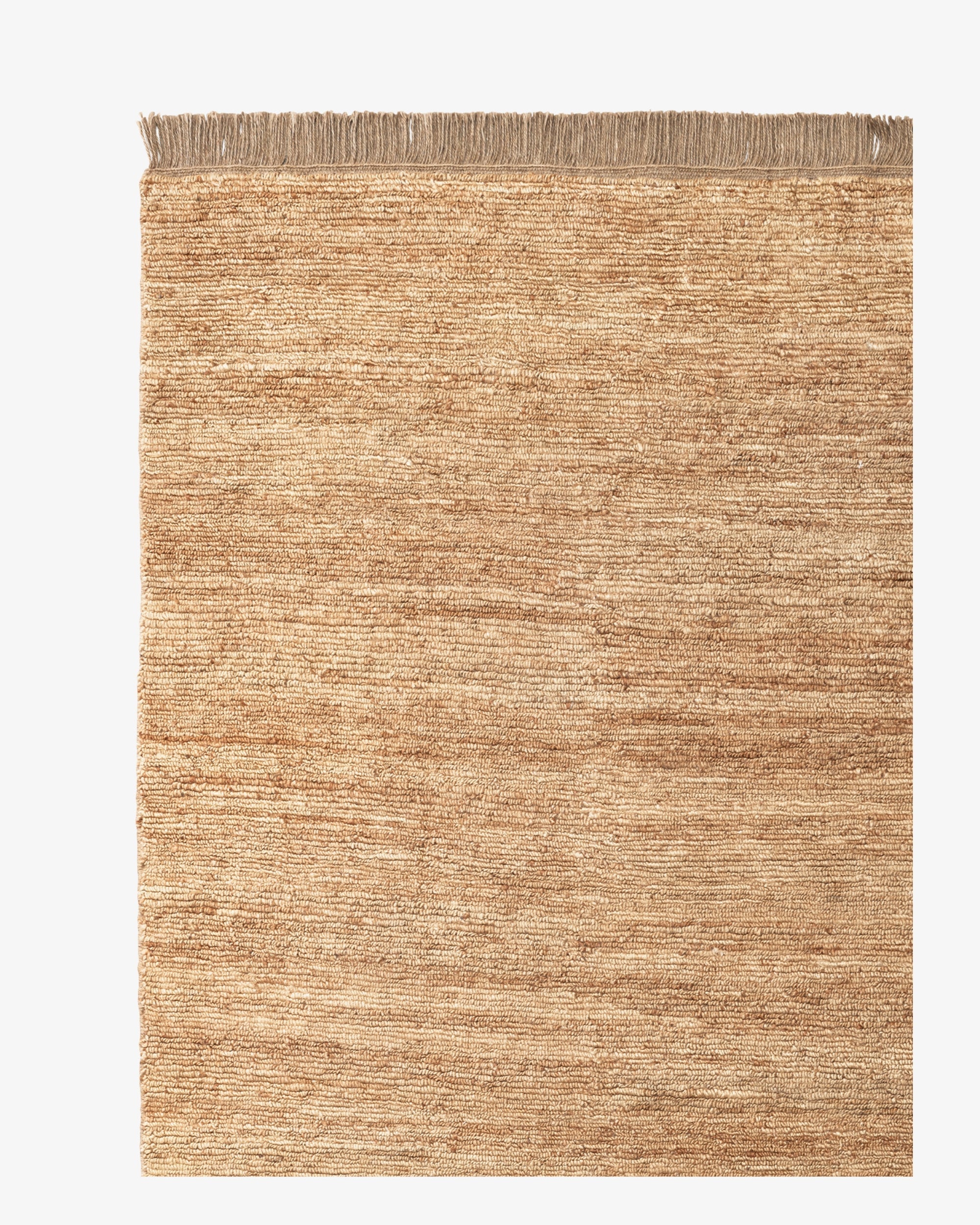
The Savannah Jute Rug in natural is hand knotted, the most durable construction there is, yet it feels firm and textured because jute is a stiff plant fibre. It shows that softness and quality are not the same thing.
How can you test wool quality with your hands?
You can test wool quality in a minute with four simple checks on a rug or a swatch.

- Pinch. Press the pile between finger and thumb and let go. Good wool springs back quickly.
- Rub. Rub a dark cloth across the surface ten times. Some fluff is normal, a heavy coat of fibre is not.
- Bend. Fold a corner back on itself. In a dense rug you see little or no backing between the rows.
- Feel. Run the back of your hand across it. Fine wool feels smooth, coarse wool feels slightly scratchy.
Ordering a swatch from Rugberry lets you do all four at home before deciding.
Why do wool rugs at very different prices both say wool?
Because wool is a family of fibres, not a single grade. A label that says wool tells you the fibre, not its staple, fineness or how it was spun and built.
Compare like with like: the fibre line word for word, the construction, the pile, and the price for the size you need. A cheaper rug is not always worse, but a much cheaper rug in the same construction usually means shorter, coarser wool or less of it per square foot. Our guide to New Zealand wool rugs explains why that wool is chosen, and the fine wool rugs collection gathers the Rugberry range.
Frequently asked questions
Does a softer wool rug last longer?
Not necessarily. Very fine, soft wool can wear faster than a sturdier rug grade under heavy traffic, which is why the softest blends suit bedrooms rather than hallways.
Is New Zealand wool always better?
New Zealand wool is widely used in rugs because it is white, strong and takes dye evenly. Quality still depends on staple, spinning and construction, so judge the whole rug and not the origin alone.
Why does my new wool rug feel slightly oily?
Wool naturally carries lanolin, a wax from the sheep's coat, and a little can remain after scouring. It gives wool some resistance to water based spills and fades with use.
Feel the rug before you trust the label. Material first.




Leave a comment
This site is protected by hCaptcha and the hCaptcha Privacy Policy and Terms of Service apply.