


Wool vs Cotton Rugs: A Practical Comparison
A cotton rug is light, flat and washable, while a wool rug is heavier, springier and slower to show dirt. For a main living room, wool lasts and looks better for longer, and cotton works best as a small rug you wash often.
In short
- Cotton rugs, such as the traditional Indian dhurrie, are flat, light and machine washable in small sizes.
- Wool rugs resist soiling and spring back from foot traffic, while cotton absorbs stains quickly and flattens.
- For a main living room in an Indian family home, choose wool over cotton, because wool keeps its look for years with only vacuuming.
- Rugberry makes wool rugs and flat reversible rugs in recycled and natural fibres, not cotton rugs.
What is a cotton dhurrie?
A cotton dhurrie is a flatwoven cotton rug with no pile, woven on a loom from cotton warp and cotton weft. It is the rug many Indian homes grew up with: laid out for guests, rolled away after, washed at the start of every season.
Dhurries are cheap, light and practical. They are also thin, so they slide on marble and give little cushion. Our post comparing dhurries and pile rugs covers the history in more detail.
How do wool and cotton feel underfoot?
Wool feels springy and warm to the hand, while cotton feels flat, dry and cool. The difference comes from the fibre: wool is crimped and bounces back, cotton is smooth and packs down.


The Ivory Wool Rug, hand tufted in New Zealand wool, has a dense pile that holds its shape. Stand on it and then on a cotton dhurrie and the difference is immediate. Wool gives you something to sink into. Cotton gives you a cloth on the floor.
Which handles spills and stains better?
Wool handles spills better, because its lanolin and scaly surface slow absorption and give you time to blot. Cotton is thirsty and pulls liquid straight into the fibre.


- Tea, coffee, dal. On wool, blot at once and most lifts away. On cotton, a stain often sets before you reach it.
- Oily food. Both need prompt care, but cotton wicks oil outward and the mark spreads.
- Dust. Wool holds dry soil near the surface for the vacuum. Cotton holds it in the weave until it is washed.
Cotton is the rug you wash. Wool is the rug you keep.
Is a washable rug better than a wool rug?
A washable rug is better only where a rug will be soiled often, such as a kitchen, a puppy corner or a child's play area. For most rooms, regular vacuuming of a wool rug keeps it cleaner for longer than repeated washing keeps a cotton one.
Each wash also takes something from cotton: colour fades, edges loosen and the weave shrinks a little. A large cotton rug cannot go in a home machine at all. Wool asks for vacuuming, prompt blotting and a professional clean every year or two.
Which lasts longer in an Indian home?
A wool rug lasts far longer. Cotton fibres break and flatten with traffic, so a dhurrie in a busy room looks tired within a few years, while a well made wool rug can serve a family for decades.


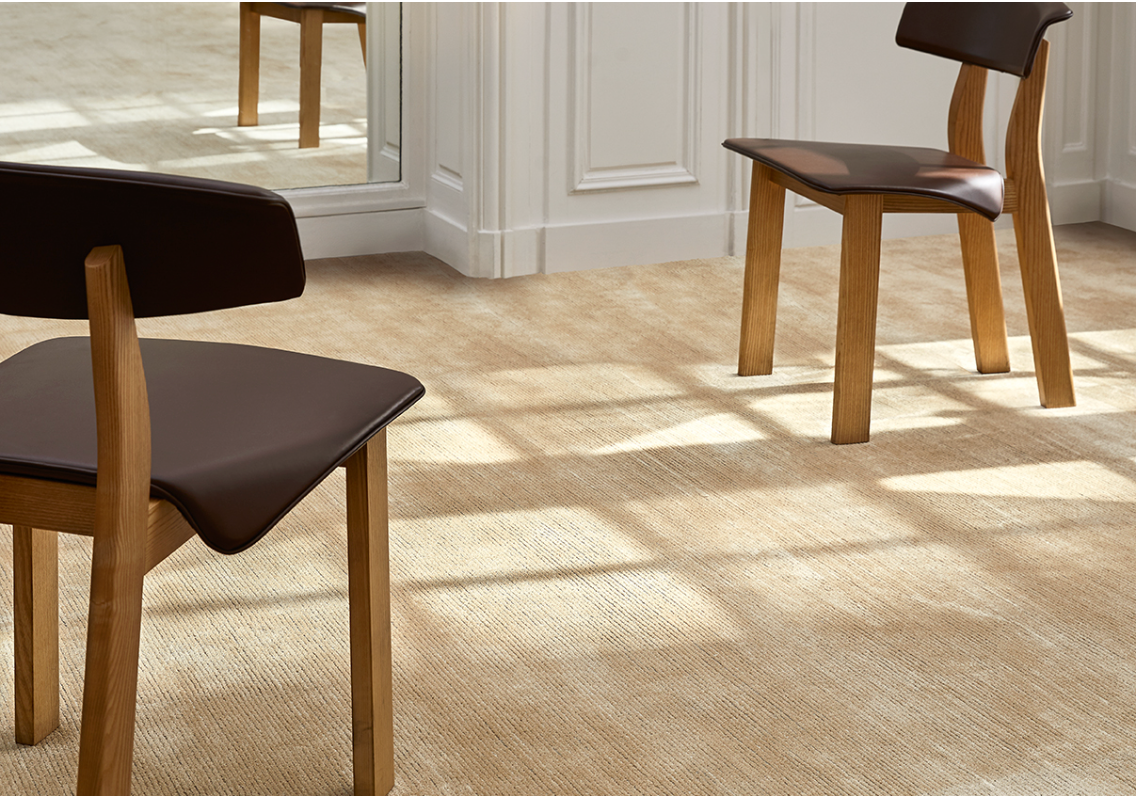
The Rugberry Grain Wool Rug in flax shows how a low wool surface can take the place of a dhurrie in a dining room or living room. It is handloom woven in New Zealand wool, low and closely worked, and chairs slide over it. It starts from about ₹37,000 in 5x8 ft, where a large dhurrie may cost a fraction of that but need replacing several times over.
What if you love the flat feel of a dhurrie?
If you love the flat feel of a dhurrie, look at a flat reversible rug rather than cotton. You keep the low, light profile and gain two faces to wear.


The Sandstorm Reversible Rug at Rugberry is handwoven in recycled and natural fibres, flat and light, with two usable faces, from about ₹24,000 in 5x8 ft. Our comparison of flatweave and pile rugs explains the trade-off, and more options sit in handwoven rugs.
Wool or cotton: which should you choose?
Choose by room. The table gives a quick verdict.

| Room | Better choice | Why |
|---|---|---|
| Main living room | Wool | Holds its look with traffic and spills |
| Bedroom | Wool | Soft and springy underfoot |
| Dining room | Low pile wool or flat reversible | Chairs slide, spills blot |
| Kitchen or utility | Small cotton rug | Washable in a home machine |
| Puja room or guest floor seating | Cotton dhurrie | Light to roll, easy to wash |
Frequently asked questions
Is a cotton rug cooler than a wool rug in summer?
A cotton dhurrie is flat and thin, so it feels lighter underfoot than a deep pile rug. A low pile wool rug feels similarly flat and dry, while handling spills and traffic far better.
Can a wool rug be washed like a cotton dhurrie?
No. Soaking a wool rug at home can shrink it, loosen the backing and cause colours to run. Spot clean spills and use a professional rug cleaner when the whole rug needs washing.
Why is a wool rug so much more expensive than a cotton one?
Wool is a costlier fibre, and a pile rug uses far more yarn per square foot than a thin flatweave. You pay more at the start and replace it far less often.
Keep the dhurrie for the puja room. Give the living room wool. Material first.


Leave a comment
This site is protected by hCaptcha and the hCaptcha Privacy Policy and Terms of Service apply.