


Rugberry Journal

Budgeting Rugs in a Residential Project
A rug budget built room by room avoids a cheap rug in the main room. Here is a method using Rugberry from prices before GST and cost per sq ft.
Read more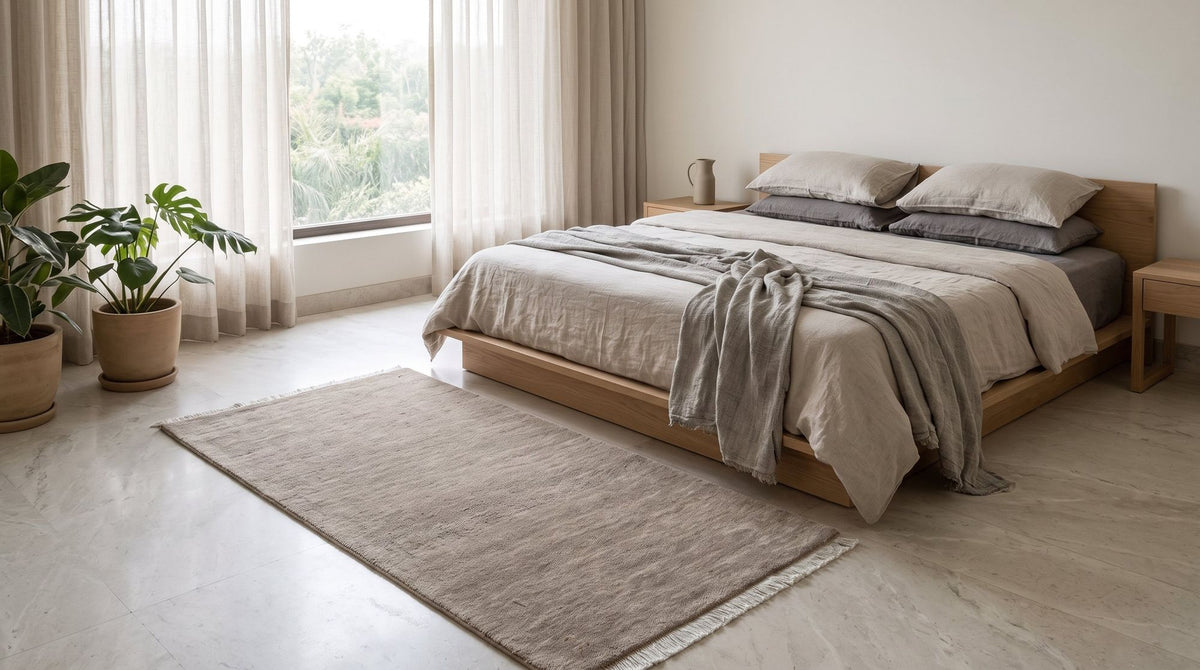
Low Pile or High Pile: Choosing by Room and Use
Pile depth decides how a rug feels, how chairs move over it and how it copes with a daily jhadu. Here is how to choose by room.
Read more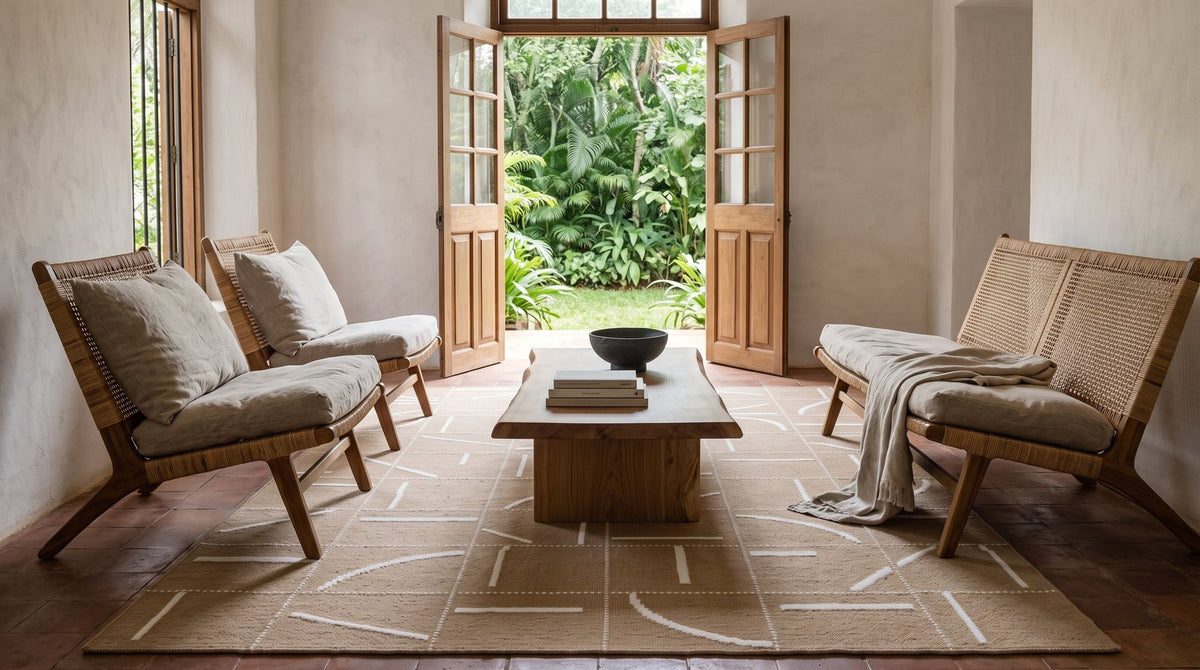
Caring for Flatweave and Reversible Rugs
A reversible flatweave has two faces to share the wear. Flip it on a schedule, spot clean with care, and keep it out of the washing machine.
Read more
Kilim and Flatweave: How They Relate
Every kilim is a flatweave, but most flatweaves are not kilims. Here is the weave that makes a kilim, and how to tell one from a dhurrie.
Read more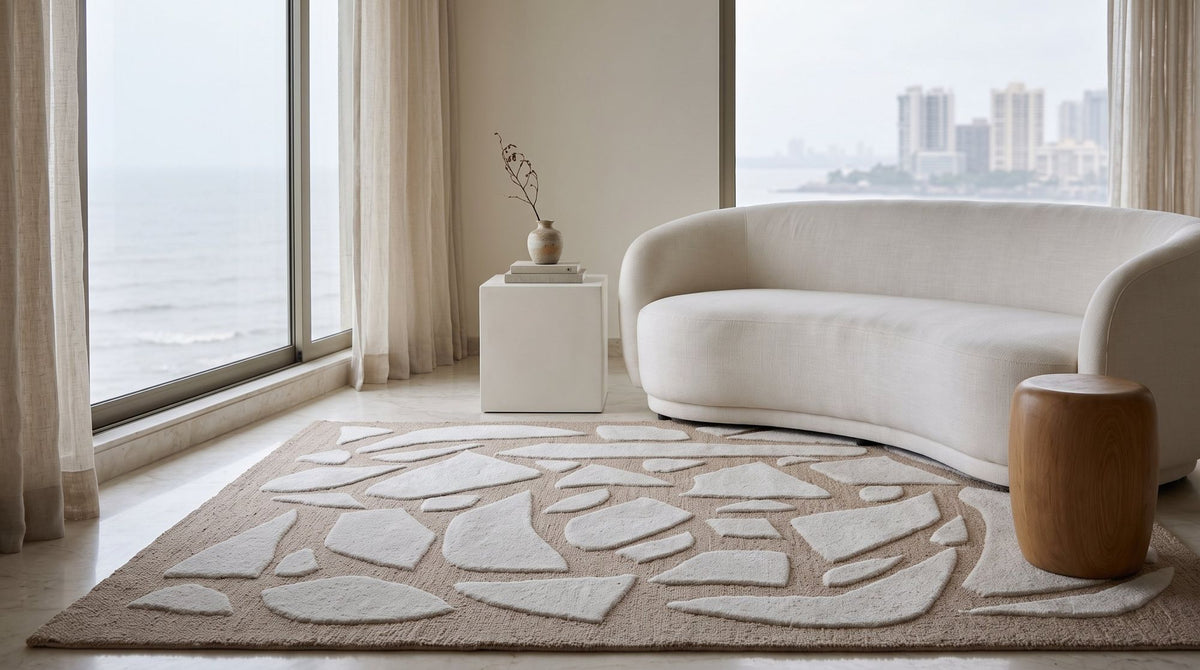
From Drawing to Rug: The Design Process
A rug begins as a drawing, then becomes a graph, a colour card and a sample. Here is each step, and how to brief a custom pattern for an Indian project.
Read more
Rugs for Show Flats and Sample Apartments
A show flat rug has to photograph well, survive hundreds of visitors and make rooms look larger. This is how to choose one for a sample apartment.
Read more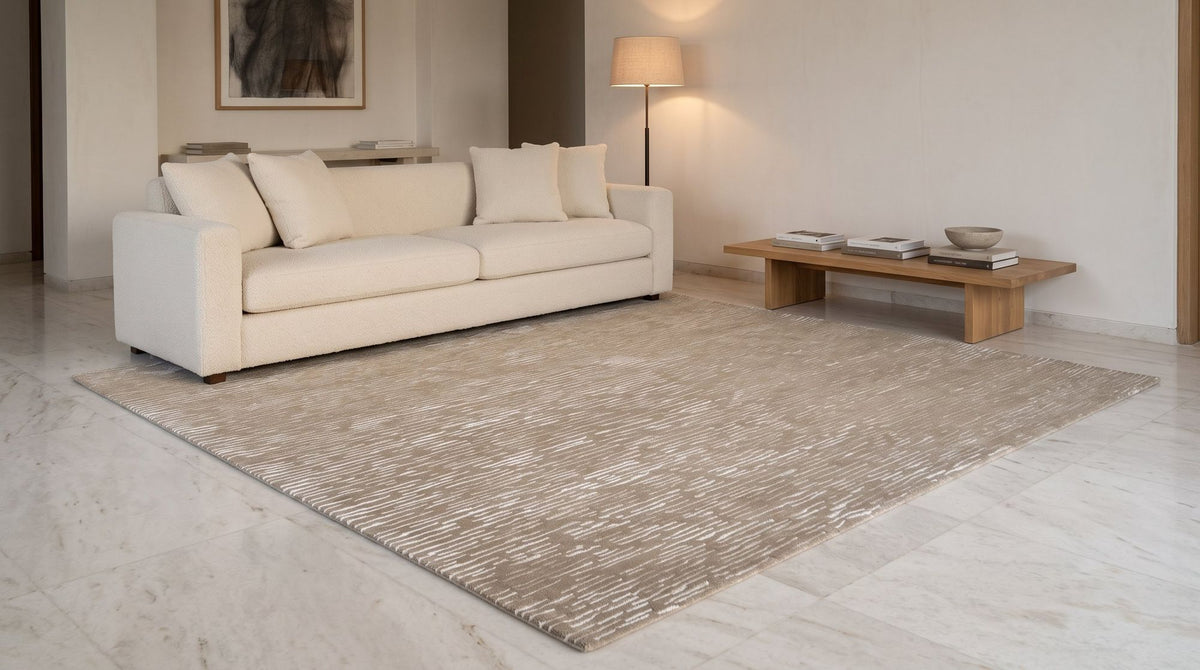
Rug Samples and Swatches for Client Presentations
A rug swatch on a material board settles fibre, colour and hand in one move. Here is how to choose, label and present Rugberry swatches to clients.
Read more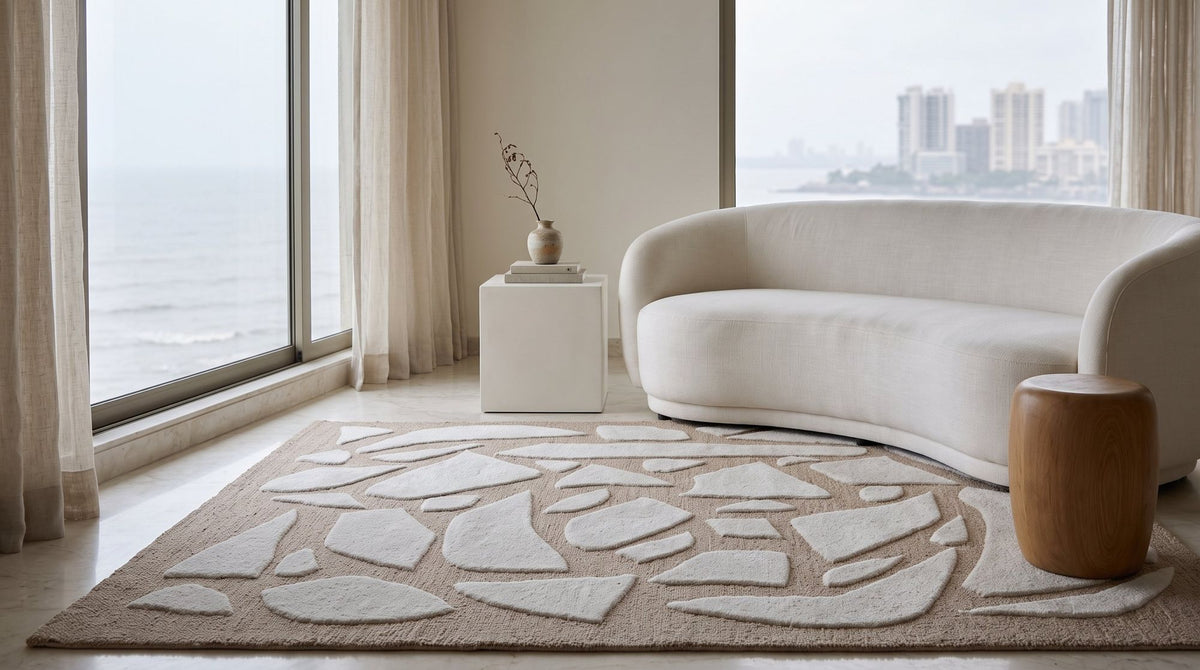
What to Send Us: Drawings, CAD and References
A custom rug starts with five files: a plan, an outline in mm, the artwork, colour references and room photos. Here is what each should contain.
Read more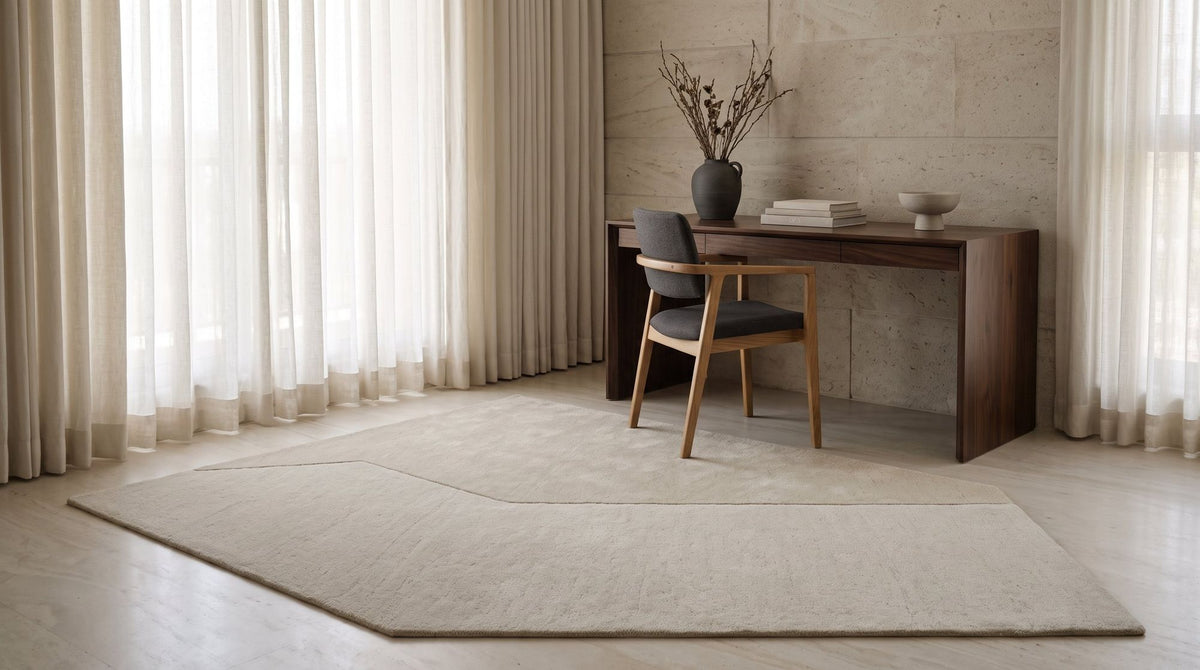
How to Specify a Rug in a Project Brief
A rug spec needs six lines: size in mm, fibre, construction, pile, colour reference and edge. Here is a template Indian architects can paste into a schedule.
Read more
Rugs for Mid Century Furniture
Mid century teak pieces want a rug with clean geometry and a warm palette. Here is how to choose one that suits splayed legs, low profiles and old rosewood.
Read more