



Are Wool Rugs Itchy Underfoot
Most wool rugs do not feel itchy underfoot, because the soles of the feet are far less sensitive than the neck or arms. A rug can feel prickly when its fibre is coarse, its pile is short and stiff, or loose fibres are still shedding in the first weeks, and each of these can be checked before you buy.
In short
- Wool rugs rarely itch underfoot, because the skin on the soles of the feet is thick and much less sensitive to fibre ends than the skin on the neck or inner arm.
- The prickle some people feel comes from coarse fibre ends pressing into skin, so finer wool, a denser pile and a soft finish all reduce it.
- A new wool rug often sheds loose fibres for the first few weeks, which can feel faintly scratchy on bare legs until regular vacuuming removes them.
- For sensitive skin, babies who crawl or people who lie on the floor, a deep, dense wool pile or a wool and cashmere blend such as the Rugberry Cashmere Blend Rug feels softest.
Why do wool sweaters itch but wool rugs usually do not?
Wool sweaters itch because thin, sensitive skin on the neck and arms feels the stiff ends of fibres pressing in. Feet have thick skin with fewer nerve endings, so the same fibre ends that bother a collar are barely noticed underfoot.
The itch from wool is not usually an allergy. It is a mechanical sensation: fibres above a certain thickness do not bend when they meet the skin, and the skin reads the pressure as prickle. Finer fibres bend easily and feel soft.
Rug wool is deliberately sturdier than sweater wool. It needs to spring back after being walked on for years, so it is spun from stronger fibre. That would be uncomfortable as a scarf, but on the floor, under feet, it reads as springy and warm rather than scratchy.
Where people do notice prickle on a rug is with the more sensitive parts of the body: bare knees while playing with children, the backs of legs when sitting on the floor, or a cheek during a nap on the rug. Those are the situations this guide focuses on.
What makes some wool rugs feel prickly?
Three things make a wool rug feel prickly: coarse fibre, a short and stiff pile, and loose fibres left from manufacture. A rug with fine fibre, a dense deeper pile and a good finish rarely feels scratchy even on bare skin.


- Fibre fineness: thicker fibres resist bending and press into skin; finer wool and blends with cashmere feel softer. The micron measure describes this.
- Pile height and density: a short, sparse pile presents fibre ends to the skin, while a dense deeper pile presents the soft sides of the fibre.
- Finish: washing and shearing after weaving remove loose ends and soften the surface.
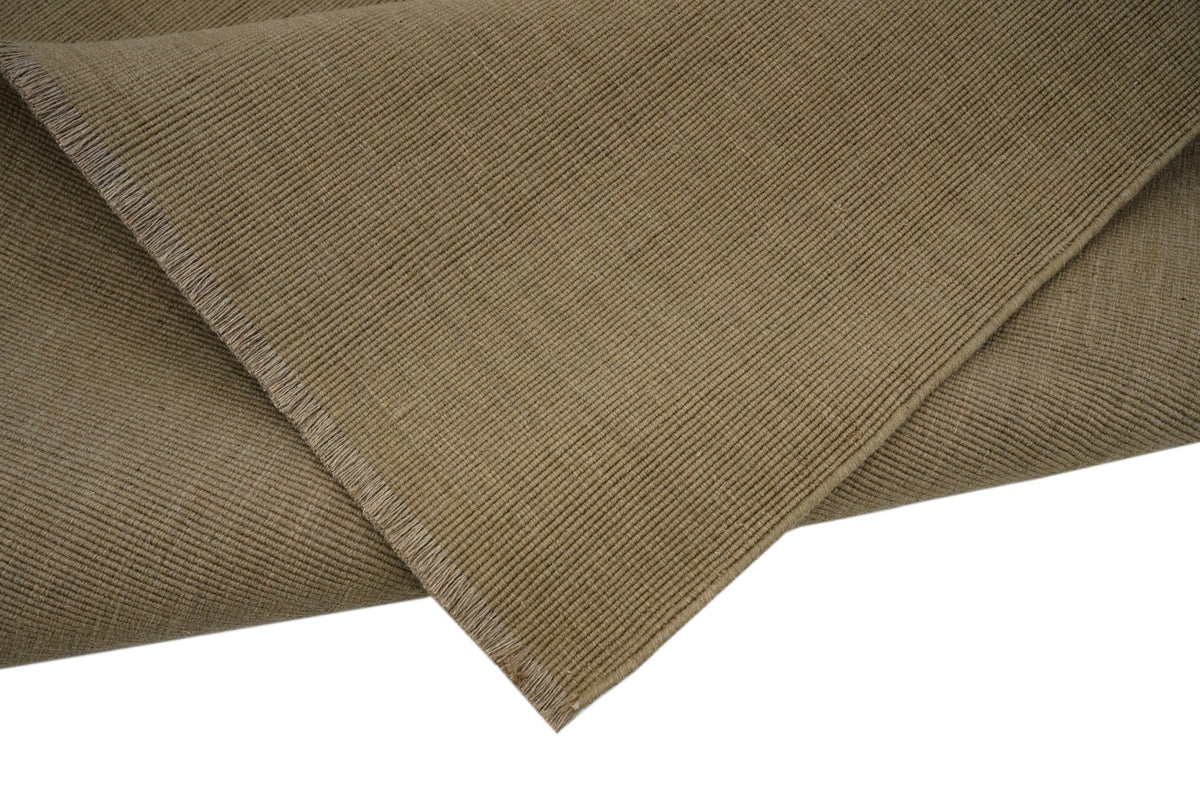
- Fibre mix: jute and other plant fibres are firm and can feel rough to bare skin, which is a fibre trait rather than a flaw.
The same wool can feel very different in two constructions. A handloom deep pile in New Zealand wool feels plush, while the same wool woven flat feels firm and textured. Neither is itchy for most people, but they are not the same experience on bare legs.
Which wool rugs feel softest on bare skin?
A deep, dense wool pile or a wool and cashmere blend feels softest on bare skin. Both present the smooth sides of fibres to the skin rather than their ends, and the density stops the pile from parting.

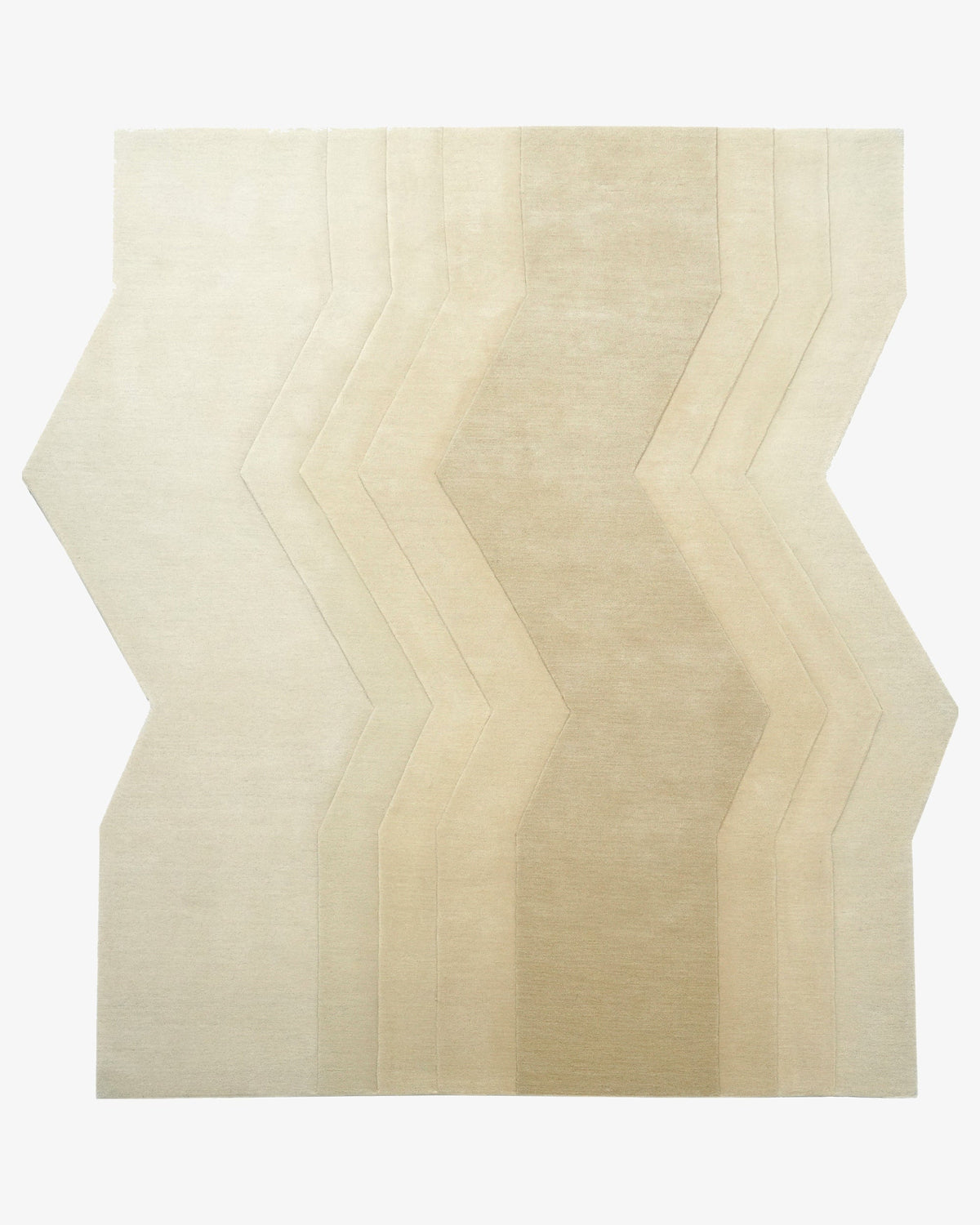
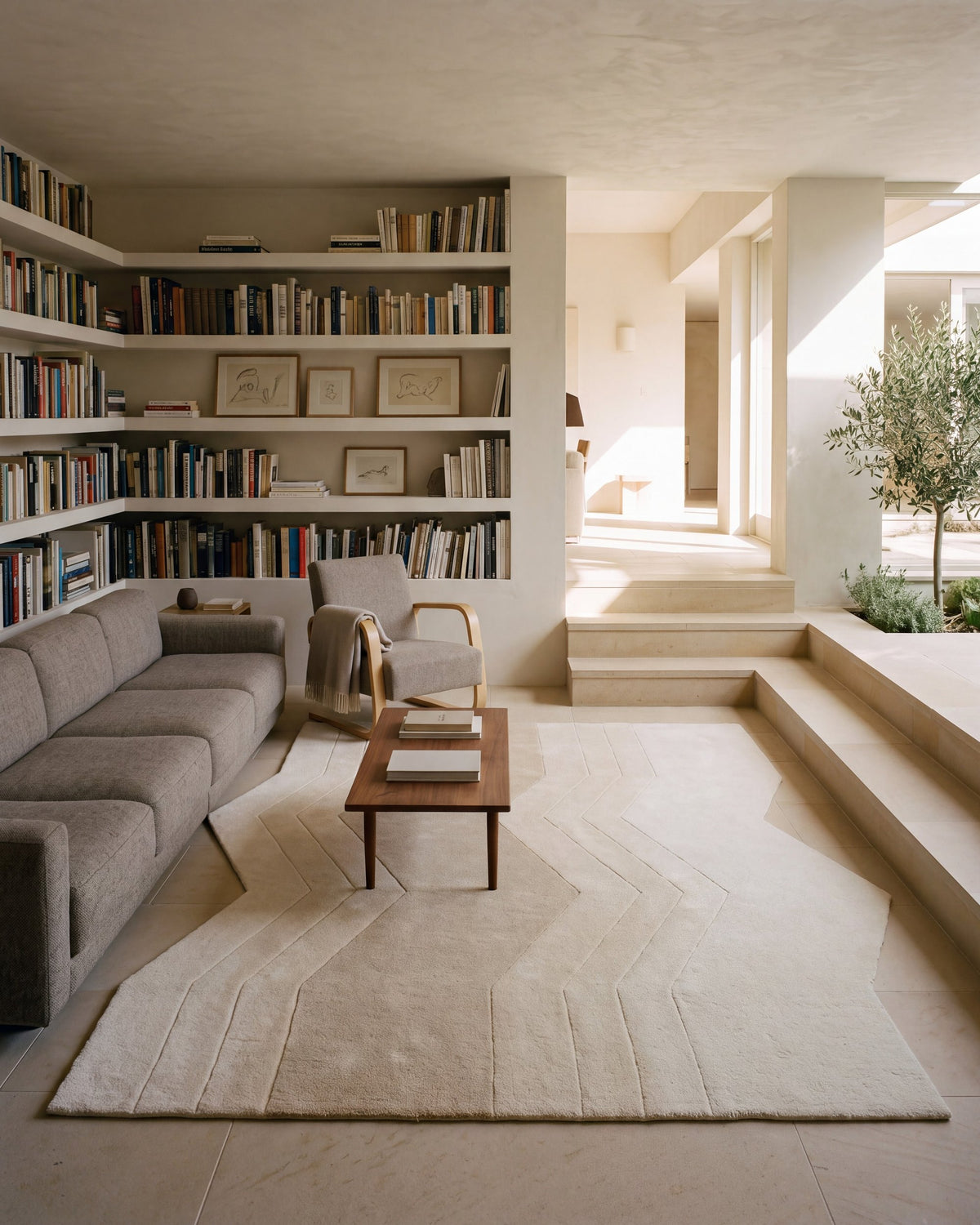
The Cashmere Blend Rug in Natural is handloom woven in a wool and cashmere blend, 16 mm, described as fine, dense and very soft underfoot. It is the Rugberry rug to choose when softness on skin matters most. Its regular price is ₹54,000 for 5x8 ft, ₹73,000 for 6x9 ft and ₹1,08,000 for 8x10 ft, ex GST at the time of writing.
The Plush Wool Rug in Sand is handloom woven in New Zealand wool with a deep, quiet pile of 18 to 20 mm. Its depth makes it comfortable for sitting on the floor and for children playing. Its regular price is ₹40,000 for 5x8 ft, ₹53,000 for 6x9 ft and ₹79,000 for 8x10 ft, ex GST at the time of writing.
A wool and Botanical Silk blend feels different again. The Cabella Wool & Silk Rug in Flax is hand tufted in New Zealand wool and Botanical Silk at 14 to 16 mm, soft with a low sheen.
The Botanical Silk portions feel smooth and cool against skin. Its regular price is ₹41,000 for 5x8 ft and ₹82,000 for 8x10 ft, ex GST at the time of writing.
Is a new wool rug itchier than an old one?
A new wool rug can feel slightly scratchier than it will in a few months, because loose fibres from finishing sit on the surface. Regular vacuuming removes them, and the rug settles into its true feel.
This loose fibre is called shedding, and it is normal in cut pile wool rugs. The loose ends can cling to bare legs or socks and feel faintly prickly.
They are not the rug wearing out. Our guide to wool rug shedding explains how long it lasts.
Vacuum a new wool rug two or three times a week for the first month, using suction only or a gentle setting rather than an aggressive beater bar. After that, weekly vacuuming is enough, and most of the fluff will be gone.
Wool also softens with use. Natural lanolin remains in the fibre and foot traffic gently polishes the surface, so a well kept wool rug often feels softer in its second year than in its first week.
Feet rarely feel what a collar does. Judge a wool rug with your hand and knee.
How can you test a wool rug for itchiness before buying?
Test a wool rug with the inside of your wrist and your bare knee, not your hand alone. The wrist and knee are close to the sensitivity of the places that will touch the rug, while the palm is too tough to notice prickle.

- Wrist test: press the inside of your wrist into the pile and move it slowly; a soft rug feels smooth, a prickly one tingles.
- Knee test: kneel on the rug for thirty seconds in shorts; this mimics sitting on the floor.
- Bend test: fold a corner back and look at the base of the pile; dense rugs show little backing.
- Rub test: rub the surface with your palm; a little fluff is normal, a lot suggests heavy early shedding.
If you cannot visit a store, order a swatch and do the same tests at home. Rugberry sells swatches for most rugs, and the Noida Experiential Centre and partner stores let you kneel on full pieces.
| Rug type | Feel on bare skin | Rugberry example | Best for |
|---|---|---|---|
| Wool and cashmere blend, 16 mm | Very soft, dense | Cashmere Blend Rug, Natural | Bedrooms, nurseries, sensitive skin |
| Deep handloom wool, 18 to 20 mm | Soft, springy | Plush Wool Rug, Sand | Floor sitting, family rooms |
| Hand tufted wool, 14 to 16 mm | Soft, even | Cadence Wool Rug | Living rooms, bedrooms |
| Wool and Botanical Silk | Soft with smooth, cool areas | Cabella Wool & Silk Rug, Flax | Quiet living rooms, bedrooms |
| Wool and jute, 7 to 8 mm | Firm, textured | Cabra Wool & Jute Rug | Dining, entrances, feet in slippers |
For a bedroom where bare skin meets the rug every day, choose a wool and cashmere blend or a deep wool pile over a firm wool and jute weave, because density and depth decide how soft a rug feels.
What should people with sensitive skin or eczema choose?
People with sensitive skin or eczema should choose a dense, deep pile in fine wool or a wool and cashmere blend, and wash or vacuum it well before regular skin contact. A firm jute or wool and jute rug is better kept for rooms where feet stay covered.
True wool allergy is uncommon, but people with eczema can find any rough texture irritating, and some react to the lanolin in wool. If you are unsure, test a swatch against the inside of the arm for an evening before buying a full rug, and speak to a doctor if a reaction persists.
For babies who crawl, density matters most. The Cadence Wool Rug is hand tufted in New Zealand wool at 14 to 16 mm, soft and even underfoot with a dense pile that holds its shape.
Its regular price is ₹40,000 for 5x8 ft and ₹80,000 for 8x10 ft, ex GST at the time of writing. Dust and allergies are covered in our guide rugs and allergies.
Does Indian weather change how a wool rug feels?
Yes, a wool rug feels slightly different across Indian seasons. In dry winter air it can build a little static and feel crisper, while in humid months the fibre absorbs moisture and feels softer and heavier.


In a Delhi or Lucknow winter, with room heaters running and humidity low, a wool rug may crackle against socks. A humidifier or simply a bowl of water near the heater helps. In Mumbai or Chennai through the monsoon, wool takes up moisture from the air, which softens its feel but means the room needs airing so the rug does not stay damp.
None of this makes wool itchy. Wool's ability to absorb and release moisture is the reason it stays comfortable on the floor across such a wide range of climates, from AC bedrooms to open verandas. Our guide the softest rugs underfoot compares fibres side by side.
Frequently asked questions
Are wool rugs itchy to walk on barefoot?
Wool rugs are rarely itchy to walk on barefoot, because the soles of the feet have thick skin that does not register fibre ends the way the neck does. Most people describe a good wool rug as springy and warm underfoot.
Why does my new wool rug feel scratchy?
A new wool rug can feel scratchy because loose fibres from finishing sit on the surface for the first weeks. Vacuuming two or three times a week removes them, and the rug soon settles to its true, softer feel.
Is a wool rug safe for a baby to crawl on?
A dense, deep wool rug is comfortable for a crawling baby once early shedding has been vacuumed away. Choose a tightly made pile so small hands do not pull fibres, and keep the rug clean with regular vacuuming.
Which is softer, wool or a wool and cashmere blend?
A wool and cashmere blend is softer than most wool, because cashmere fibres are very fine. The Rugberry Cashmere Blend Rug is handloom woven at 16 mm and is described as fine, dense and very soft underfoot.
Are jute rugs itchier than wool rugs?
Jute rugs feel firmer and rougher than wool rugs, which some people find scratchy on bare skin. Jute suits dining areas and entrances well, while wool suits bedrooms and places where people sit on the floor.
Soft is a matter of fibre, depth and density. Explore the Cashmere Blend collection and fine wool rugs. Material first.





Leave a comment
This site is protected by hCaptcha and the hCaptcha Privacy Policy and Terms of Service apply.