


Shoes On or Off: Rugs in Indian Homes
Taking outdoor shoes off before stepping on a rug is the single best thing you can do for its life and for indoor hygiene. Street shoes carry fine grit that cuts fibres like sandpaper, plus road dust and dirt from outside, and in most Indian homes the shoe rack by the door already does half the work.
In short
- Outdoor shoes carry fine sand and grit that grind against rug fibres with every step, which wears paths into a rug far faster than bare feet or clean slippers do.
- Leaving outdoor shoes at the door also keeps road dust and outside dirt off the rug, which matters in Indian cities where footpaths and roads are dusty for much of the year.
- Clean indoor slippers are kind to a rug, provided they never go outside; slippers worn to the balcony or the lobby pick up grit like shoes.
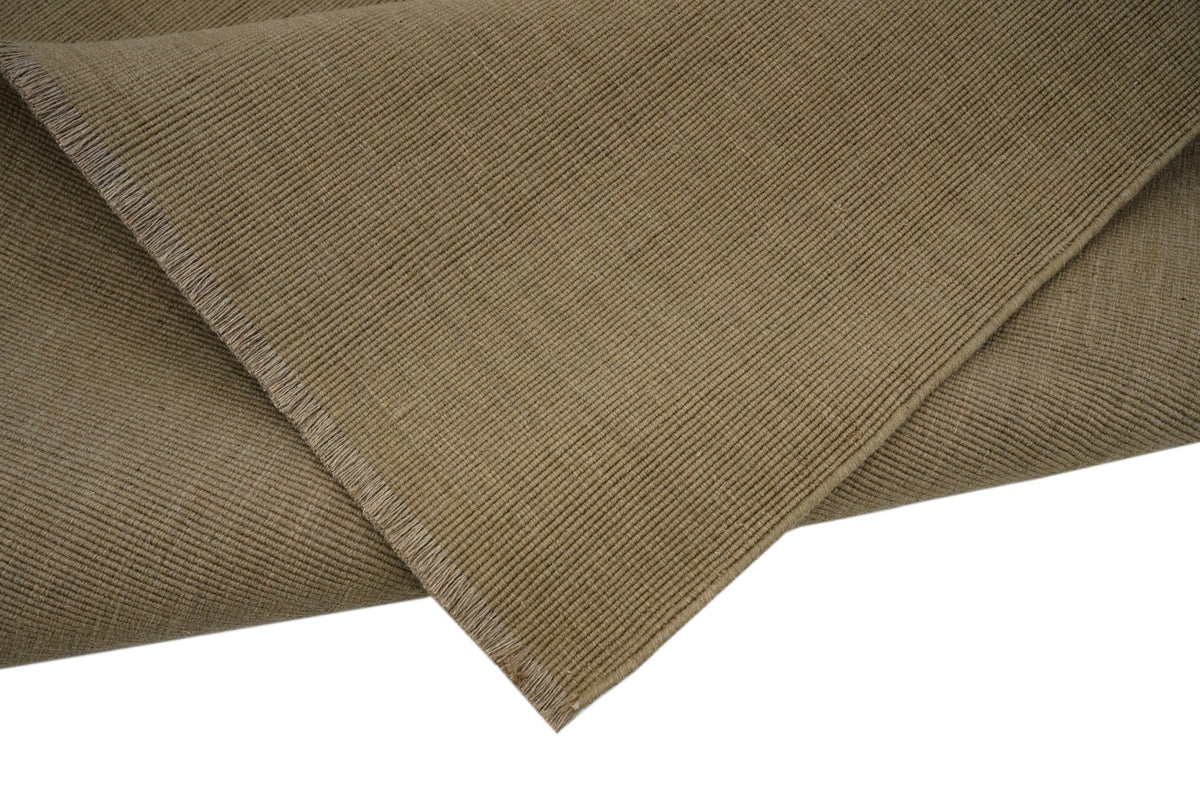
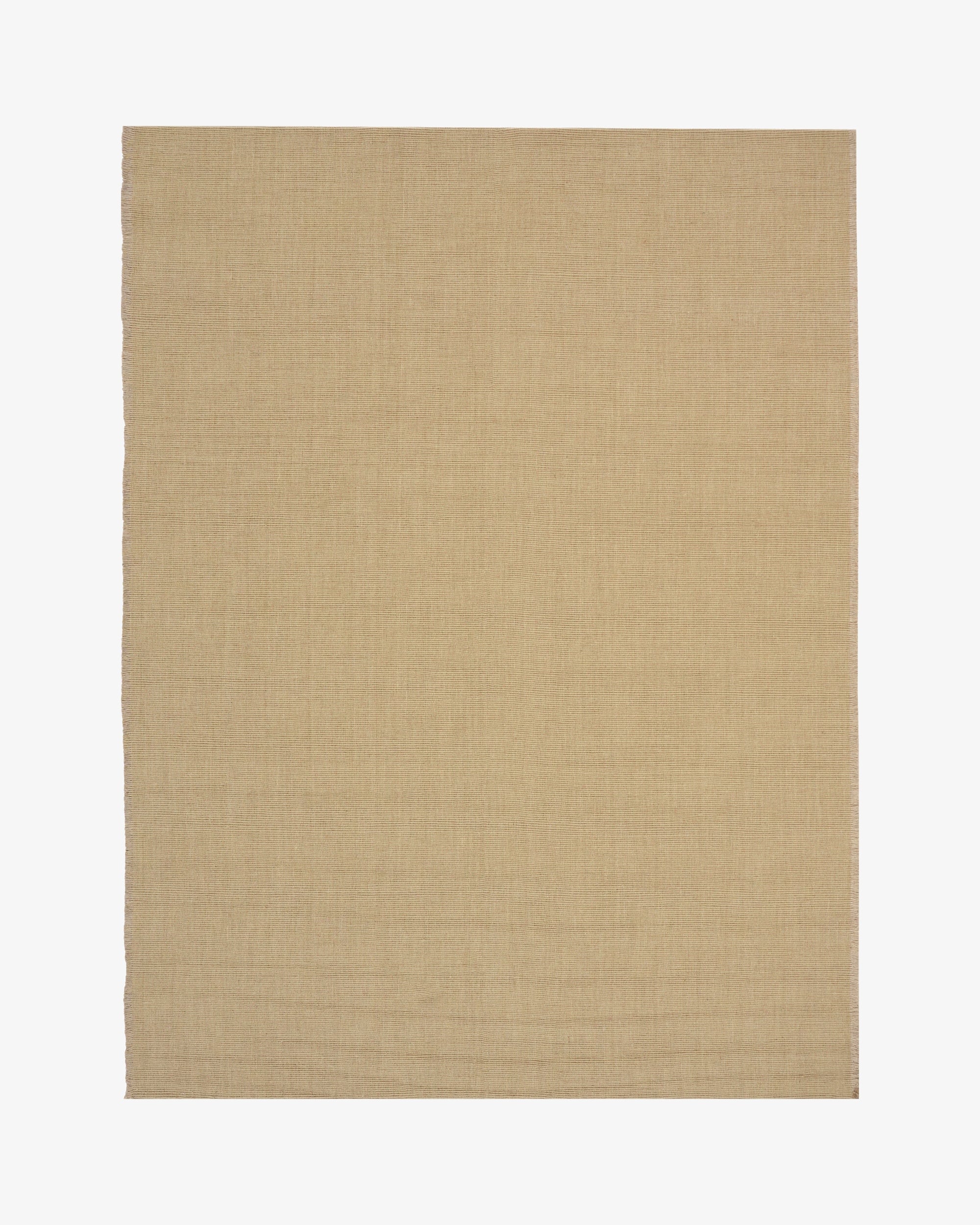
- Where shoes cannot be avoided, such as at parties or near the entrance, a firm, low weave such as the Rugberry Cabra Wool & Jute Rug copes better than a deep pile.
Why do outdoor shoes wear a rug out faster?
Outdoor shoes wear a rug faster because they carry fine grit in their treads, and every step presses that grit down into the pile and rubs it against the fibres. Over months, the grit cuts fibre ends and dulls the surface along the paths people walk most.


The damage is slow and easy to miss. A rug walked on daily in outdoor shoes first loses its sheen along the route from the door to the sofa, then the pile in that path flattens and thins. Bare feet and socks put the same weight on the rug, but without the abrasive layer.
Hard soles add another problem. Heels and stiff rubber soles press harder on a small area than a bare foot, and in a deep pile they can crush and twist fibres. A firm, low surface spreads that load better.
Indian city grit is especially fine. Dust from construction, roads and dry seasons settles as a powder that reaches deep into a pile, which is why a rug in a shoe wearing home looks tired years before its fibres should.
Is it more hygienic to keep shoes off rugs?
Yes, keeping shoes off rugs is more hygienic. Shoe soles pick up whatever is on roads, footpaths, lifts and parking areas, and a rug holds some of that in its pile until it is vacuumed or cleaned.
This matters most where people sit or play on the floor, which in Indian homes is common. Children crawl on the living room rug, families sit on it for festivals and meals, and elders rest on it in the afternoon. A rug kept free of outdoor shoes is simply a cleaner place to be.
The practical answer is not anxiety but routine. A shoe rack by the door, a doormat outside and another just inside, and a weekly vacuum do most of the work. Our guide rugs and dust in Indian cities covers the vacuuming side.
The shoe rack by the door is the cheapest rug care you will ever buy.
Are indoor slippers fine on a rug?
Clean indoor slippers are fine on a rug, as long as they never leave the house. Soft soled chappals or house slippers spread weight gently and carry very little grit.

The problem is slippers that drift outdoors. Many households wear the same chappals to the balcony, the terrace, the building lobby or to fetch milk at the gate. Those slippers pick up the same grit as shoes, and then bring it straight onto the rug.
A simple rule works: one pair for inside only, one pair for outside only, swapped at the door. For the balcony, keep a separate pair there. It sounds fussy, but it is the habit that most separates a rug that looks new after five years from one that looks tired after two.
Hard plastic or wooden soled slippers are worth avoiding on deep piles, because they can flatten and fray fibre tips over time. Soft rubber or fabric soles are kinder.
What about guests, parties and house help?
Most guests in India expect to remove shoes at the door, and there is no need to apologise for asking. For parties where shoes stay on, roll back the best rug or accept a professional clean afterwards.
Festive gatherings and weddings at home often bring many guests who keep their shoes on, sometimes for practical reasons such as elderly relatives who cannot easily bend. Plan for it. Move a delicate or pale rug to a bedroom for the evening, or lay the event in a room with a firm, darker rug that will cope.
House help usually work barefoot or in indoor slippers, which suits a rug well. The bigger risk from daily cleaning is wet mopping around the rug and the jhadu brushing grit onto its edge. Our guide to a daily rug routine for busy households covers how to brief the household.
Delivery staff, plumbers and electricians will usually keep shoes on. Lay a sheet or an old dhurrie over the route they will walk, especially across a pale rug.
Which rugs cope best where shoes are worn?
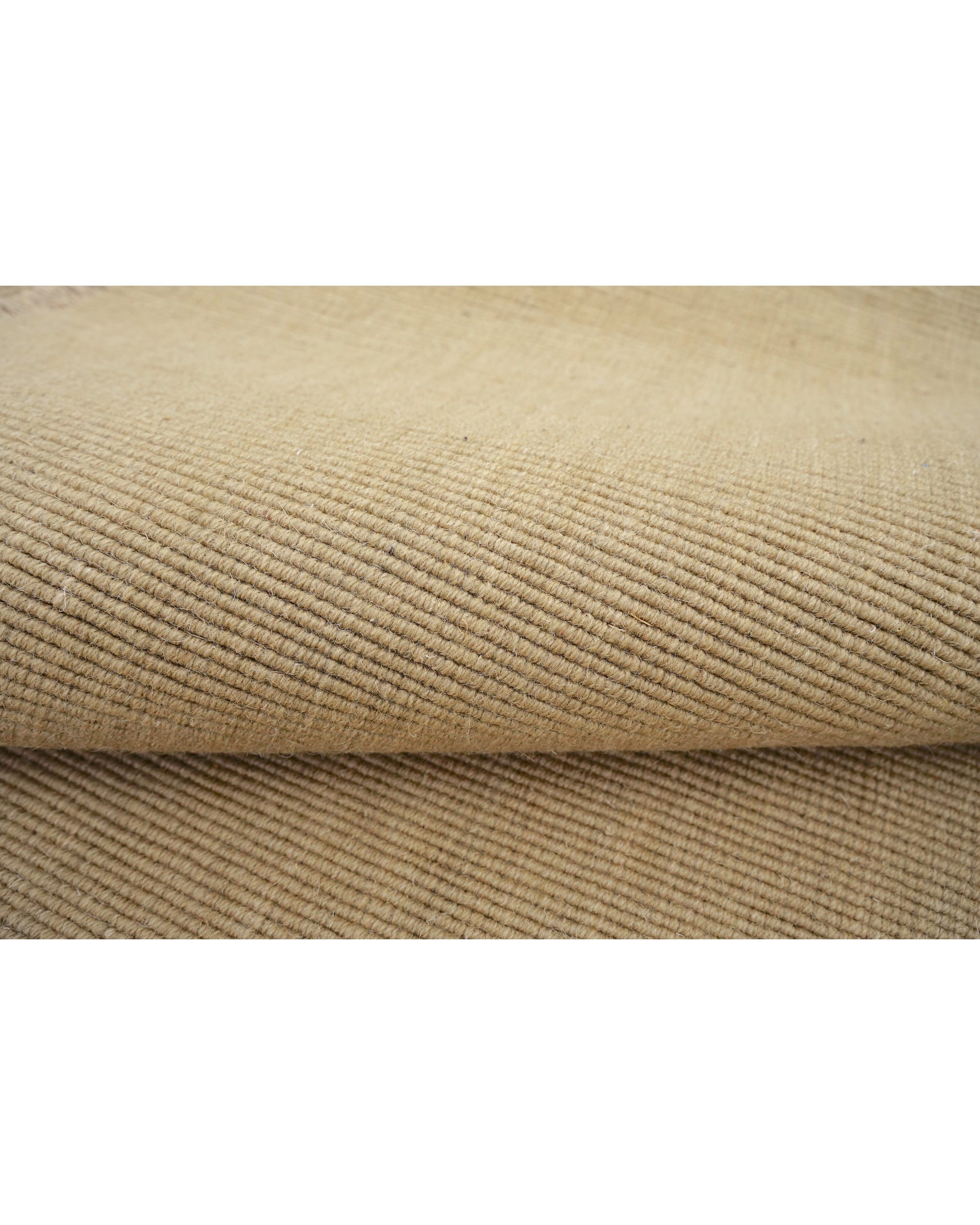
Firm, low weaves cope best where shoes are worn: wool and jute flatweaves, low handloom wool and jute. They resist crushing, release grit easily when vacuumed and hide dirt better than deep or pale piles.


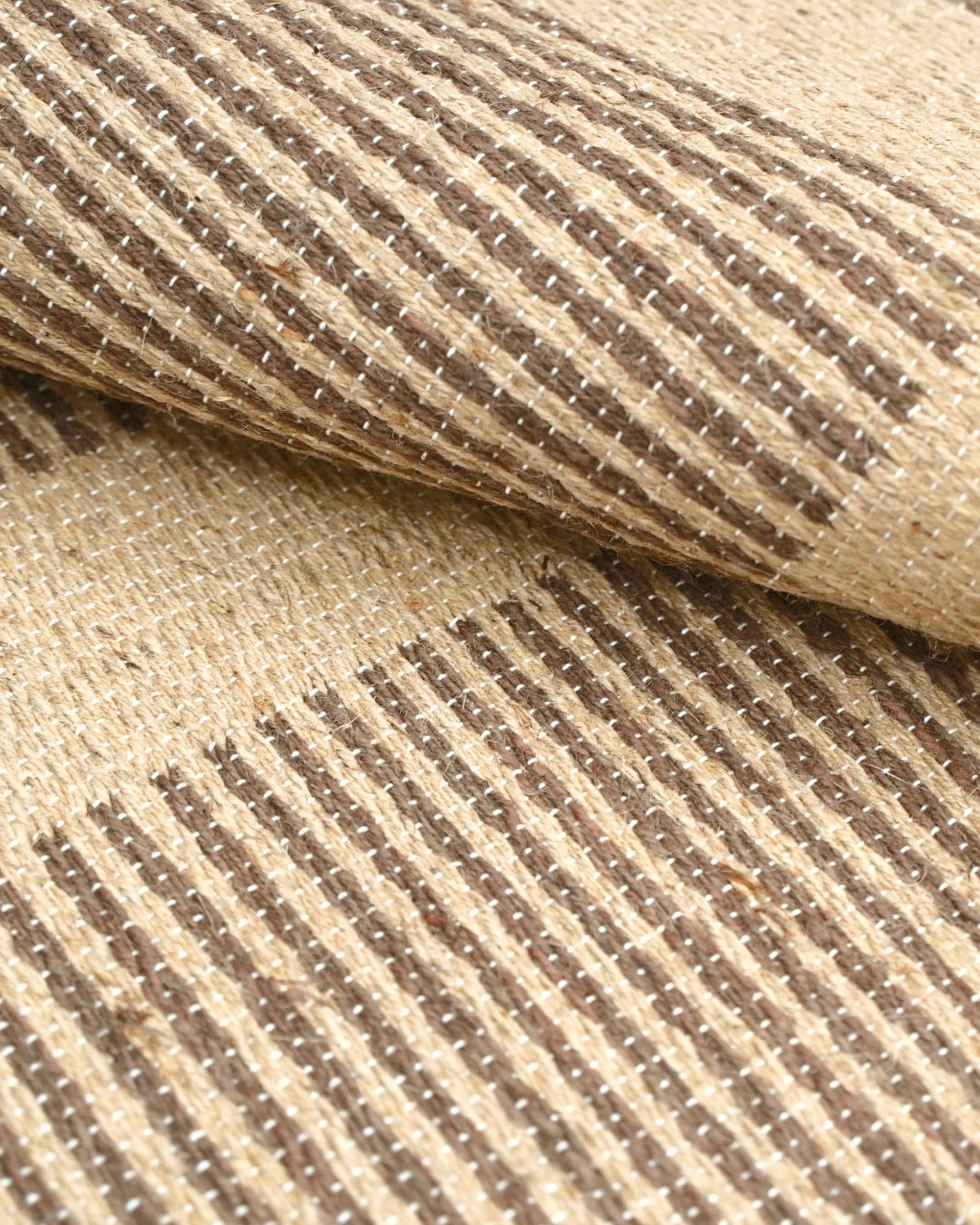
The Cabra Wool & Jute Rug in Sand is handloom woven in New Zealand wool and jute, 7 to 8 mm, firm and textured. Grit sits on its firm, low surface rather than burrowing deep, and its warm sand tone hides dust. Its regular price is ₹34,000 for 5x8 ft, ₹45,900 for 6x9 ft and ₹68,000 for 8x10 ft, ex GST at the time of writing.
The Rugberry Grain Wool Rug in Mochaccino is handloom woven in New Zealand wool with a low, closely worked surface of 12 to 14 mm. Its mid brown tone and tight weave make it a practical living room rug for homes where shoes are not always removed. Its regular price is ₹37,000 for 5x8 ft, ₹51,000 for 6x9 ft and ₹74,000 for 8x10 ft, ex GST at the time of writing.
The Rugberry Kora Jute Rug is handwoven in natural jute, 10 mm, firm and hard wearing. Jute handles foot traffic well when kept dry, though it should stay away from wet shoes in the monsoon. Its regular price is ₹28,000 for 5x8 ft, ₹38,000 for 6x9 ft and ₹56,000 for 8x10 ft, ex GST at the time of writing.
| Household habit | Effect on the rug | Rug to choose | Care rhythm |
|---|---|---|---|
| Shoes always off, indoor slippers | Very slow wear | Any, including deep pile and Botanical Silk | Vacuum weekly |
| Shoes off, slippers go outdoors too | Grit paths over time | Low handloom wool | Vacuum twice a week |
| Shoes sometimes on, guests often | Moderate wear, dust | Grain Wool Rug, Mochaccino | Vacuum twice a week, clean yearly |
| Shoes usually on | Faster wear, grit | Cabra Wool & Jute Rug, Sand | Vacuum every other day |
| Entrance, shoes come and go | Highest wear | Firm flatweave or jute | Shake out or vacuum daily |
For a home where shoes are sometimes worn inside, choose a firm, low wool and jute weave over a deep pile, because a firm surface releases grit and resists crushing where a deep pile traps both.
How do you set up the entrance so shoes stay off the rug?
Set up the entrance with a coir or rubber mat outside, a firm washable mat just inside, a shoe rack within one step of the door and a place to sit. People keep shoes off when taking them off is easy.

A small bench or a low stool beside the shoe rack makes the habit stick, especially for elders and children. Keep a basket of clean indoor slippers for family and guests if you like, and leave the first few feet of floor bare so shoes come off on stone or tile, not on the rug.
The main rug should start beyond that zone. In a typical 2BHK, where the door opens almost directly into the living room, a gap of about 3 ft between the door and the rug's edge is enough. Our guide to designing the foyer covers rugs for the entrance itself.
How should a rug be cleaned in a home where shoes are worn?
In a home where shoes are worn indoors, vacuum the rug two to three times a week, turn it every few months so wear spreads evenly, and plan a professional clean once a year. Grit does its damage between cleans, so frequency matters more than intensity.


Vacuum slowly, in overlapping passes, and from both directions of the pile. Grit sits at the base of the fibres, and one quick pass lifts only the surface. For flatweaves and jute, turning the rug over and vacuuming the back once a month shakes out the deepest dust.
Rotate the rug by 180 degrees every three to six months so the path from the door does not always cross the same strip. A rug pad under it also reduces wear, because the rug flexes less under each step. For heavy traffic areas, see rugs for high traffic areas.
Frequently asked questions
Is it bad to wear shoes on a rug?
Wearing outdoor shoes on a rug wears it faster, because grit in the soles grinds against the fibres. It also brings outside dirt indoors, so taking shoes off at the door keeps a rug cleaner and helps it last longer.
Can I wear slippers on a wool rug?
Clean indoor slippers are fine on a wool rug and spread weight gently. Keep them for indoor use only, because slippers worn outside pick up the same grit as shoes.
How do I ask guests to take off their shoes?
In most Indian homes guests expect to remove shoes, so a shoe rack and a bench by the door are usually enough of a signal. For parties where shoes stay on, move delicate rugs away for the evening.
Which rug is best for a home where people wear shoes?
A firm, low weave such as a wool and jute flatweave or a low handloom wool rug is best where shoes are worn. The Rugberry Cabra Wool & Jute Rug and the Grain Wool Rug in Mochaccino both suit that kind of home.
How often should I vacuum a rug if shoes are worn indoors?
Vacuum a rug two to three times a week if shoes are worn indoors, slowly and from both directions. Grit damages fibres between cleans, so regular vacuuming matters more than occasional deep cleaning.
Leave the road at the door, and the rug keeps its surface. See jute rugs and wool rugs. Material first.




Leave a comment
This site is protected by hCaptcha and the hCaptcha Privacy Policy and Terms of Service apply.