







Rugs and Allergies: Dust Mites, Wool and Clean Air
For an allergy prone home, the most useful rug is a low, dense one that can be vacuumed thoroughly, paired with a steady cleaning routine. No rug can promise to be hypoallergenic, so choose a short pile, a fibre you have tested against your skin, and a size you can lift and clean.
In short
- No rug is hypoallergenic in a medical sense; anyone with asthma or a diagnosed allergy should ask their doctor before adding any textile to a bedroom.
- A low pile of 10 to 14 mm is easier to vacuum thoroughly than a deep pile of 18 mm or more, because dust has less depth to settle into.
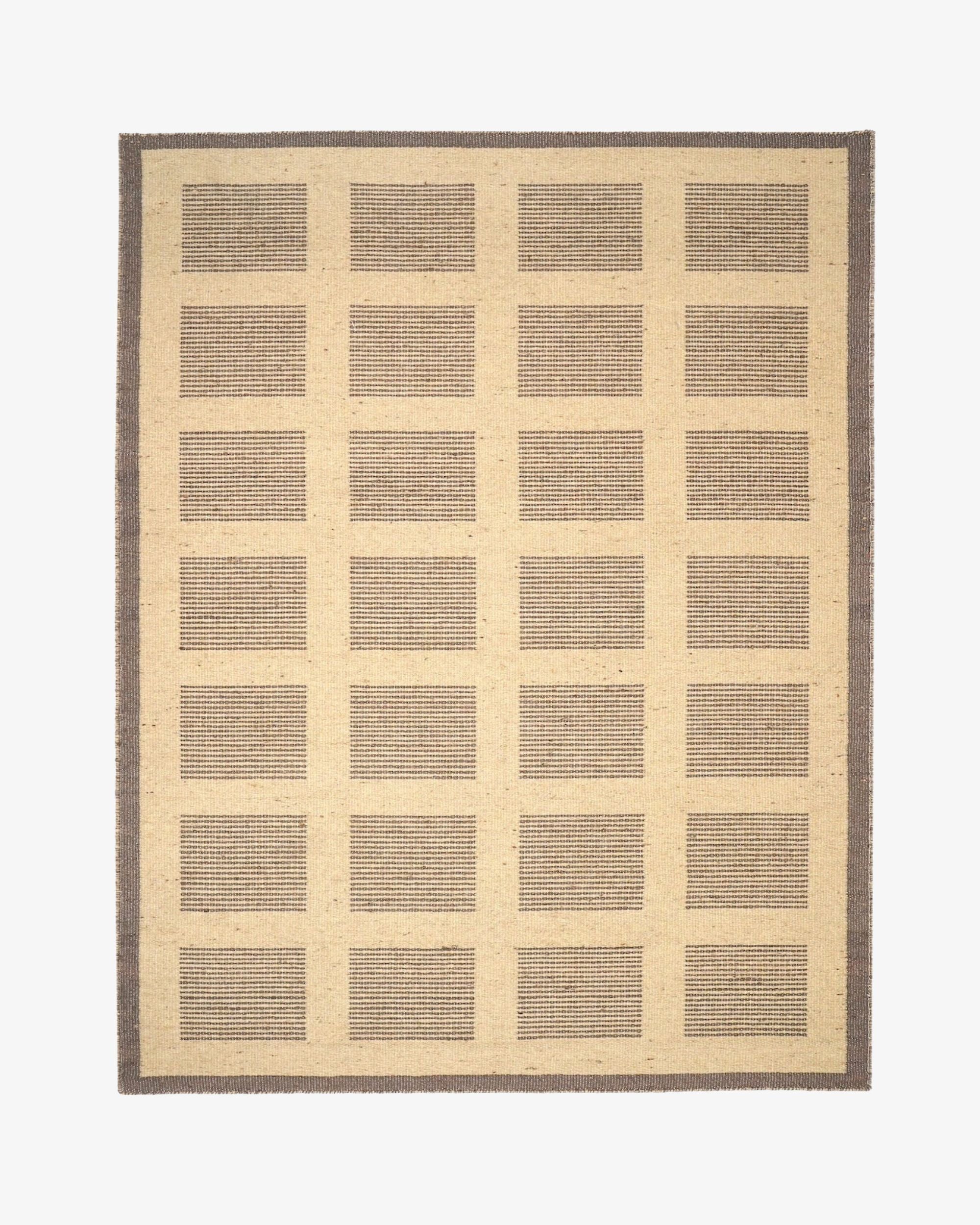
- Rugberry's Grain Wool Rug, handloom New Zealand wool at 12 to 14 mm, has a regular price of ₹37,000 for 5x8 ft ex GST at the time of writing.
- A weekly vacuum with a sealed, filtered machine and one professional clean a year do more for an allergy prone home than the choice of fibre alone.
Do rugs make allergies worse?
A rug does not create allergens, but like curtains, cushions and mattresses it collects the dust, pollen and pet dander that settle in every home. Whether it helps or hinders depends almost entirely on how often and how well it is cleaned.
Indian homes have their own dust story. Delhi NCR brings fine, dry construction and road dust through the winter. Mumbai and Kolkata bring humid air through the monsoon, and humidity is what dust mites need to thrive in any soft furnishing.
So the honest answer is about habits, not fibres. A rug that is vacuumed weekly and cleaned professionally once a year is easier to live with than a neglected one. Rugberry's guide to dust and rugs in India explains how dust moves from the air into the pile and down to its base.
This post is general home care advice, not medical advice. If anyone in the home has asthma or a diagnosed allergy, ask their doctor what they recommend for the bedroom before choosing any rug.
Which pile height is easiest to keep free of dust?
A low, dense pile of 10 to 14 mm is easiest to keep free of dust, because a vacuum can reach the base of the yarn in one pass. Deep piles and shags hold far more dust between cleans.


Think of a rug as a brush lying face up. The longer and looser the bristles, the more room there is for fine particles to drop down out of reach. A short, tight pile keeps most of what lands on it near the surface, where suction can lift it.
| Rug | Fibre and construction | Height | How dust behaves | Verdict for an allergy prone home |
|---|---|---|---|---|
| Luma Silk Rug | Botanical Silk, handloom | 10 mm | Sits on a smooth, tight surface | Very easy to vacuum; test the feel first |
| Kora Jute Rug | Jute, handwoven | 10 mm | Fine grit drops into the weave, lifts easily | Good in dry rooms, needs dry air |
| Grain Wool Rug | New Zealand wool, handloom | 12 to 14 mm | Stays near the surface of a close texture | The best all round choice |
| Plush Wool Rug | New Zealand wool, handloom | 18 to 20 mm | Works deeper into a soft pile | Fine with a strict routine |
| Shag | Various | 30 mm and above | Holds dust deep and out of reach | Avoid |
For an allergy prone bedroom, choose a low wool pile such as Grain over a deep pile such as Plush, because a vacuum reaches the base of 12 to 14 mm far more easily than 18 to 20 mm. Rugberry's guide to low pile and high pile compares the two in other rooms too.
Prices in this post are regular prices from the product pages, ex GST, at the time of writing. A seasonal sale may show lower figures on the product page.
Is a wool rug a good idea if someone has allergies?
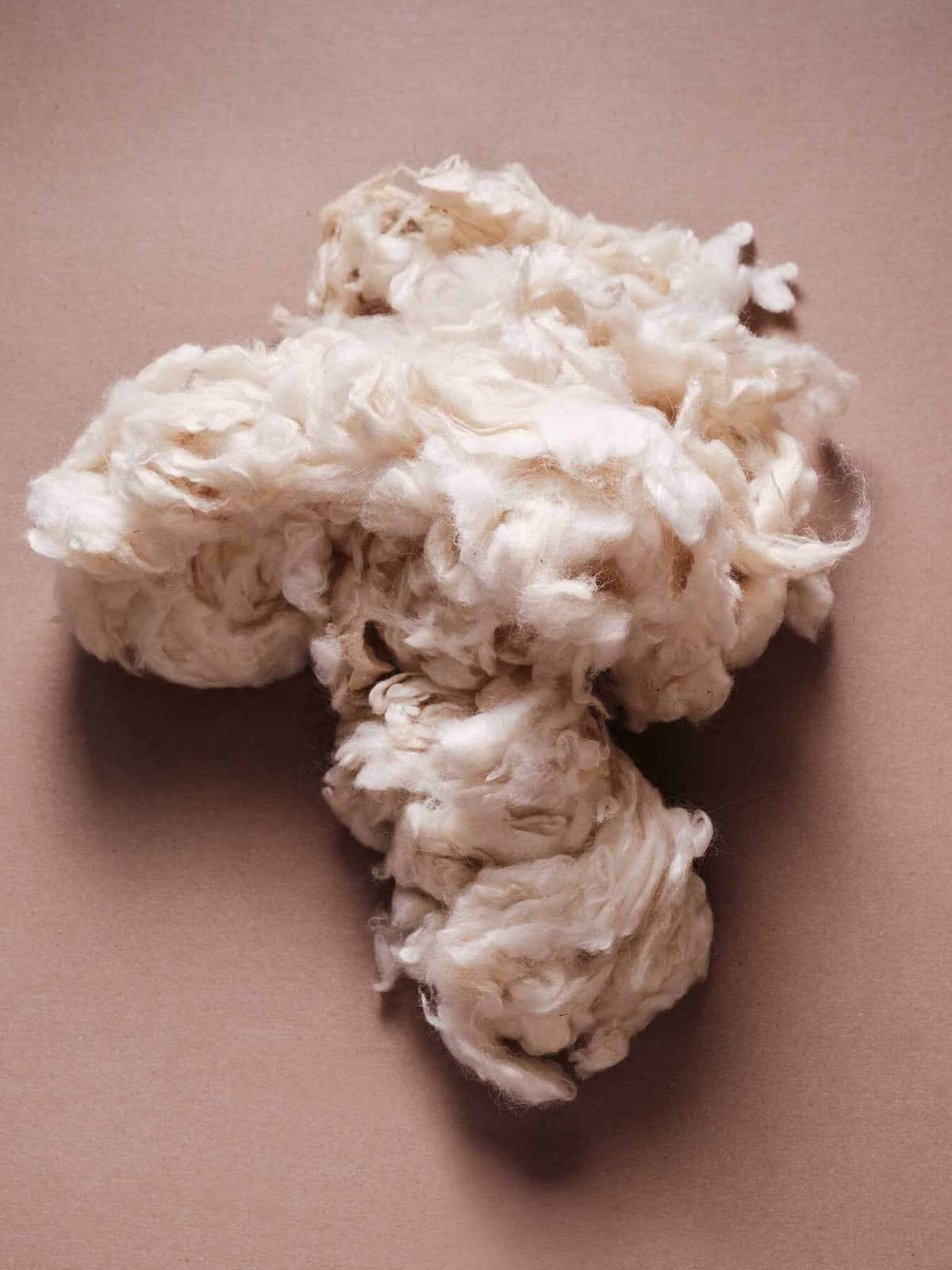
A wool rug suits many allergy prone homes, because wool is a dense, resilient fibre that holds its shape and is easy to vacuum. A small number of people are sensitive to wool itself, so test it against the skin before you commit.

New Zealand wool carries a little natural lanolin, the wax that helps the fibre shrug off light spills. Some people with sensitive skin find wool itches, while others notice nothing at all. There is only one way to know for your household.
Order a swatch, leave it by the bed for a week, and let the household decide before the rug arrives.
Rugberry sells swatches for most of its rugs. Rugberry's post on ordering a swatch before you buy explains how to test colour, texture and feel at home, and the same swatch answers the skin question.
The Grain Wool Rug in Flax is a calm choice for a bedroom. Its pale natural tone makes it easy to see when the rug needs a vacuum, which sounds minor but keeps the routine honest.
New wool also sheds loose fibres for the first months. That is spinning fluff, not the rug wearing out, and it settles with regular vacuuming. Rugberry's guide to wool rug shedding explains what to expect.
Are jute or Botanical Silk better choices than wool?
Jute and Botanical Silk are good alternatives to wool for anyone who finds wool scratchy, as long as the room suits them. Jute needs dry air, and Botanical Silk needs a quiet room with gentle traffic.


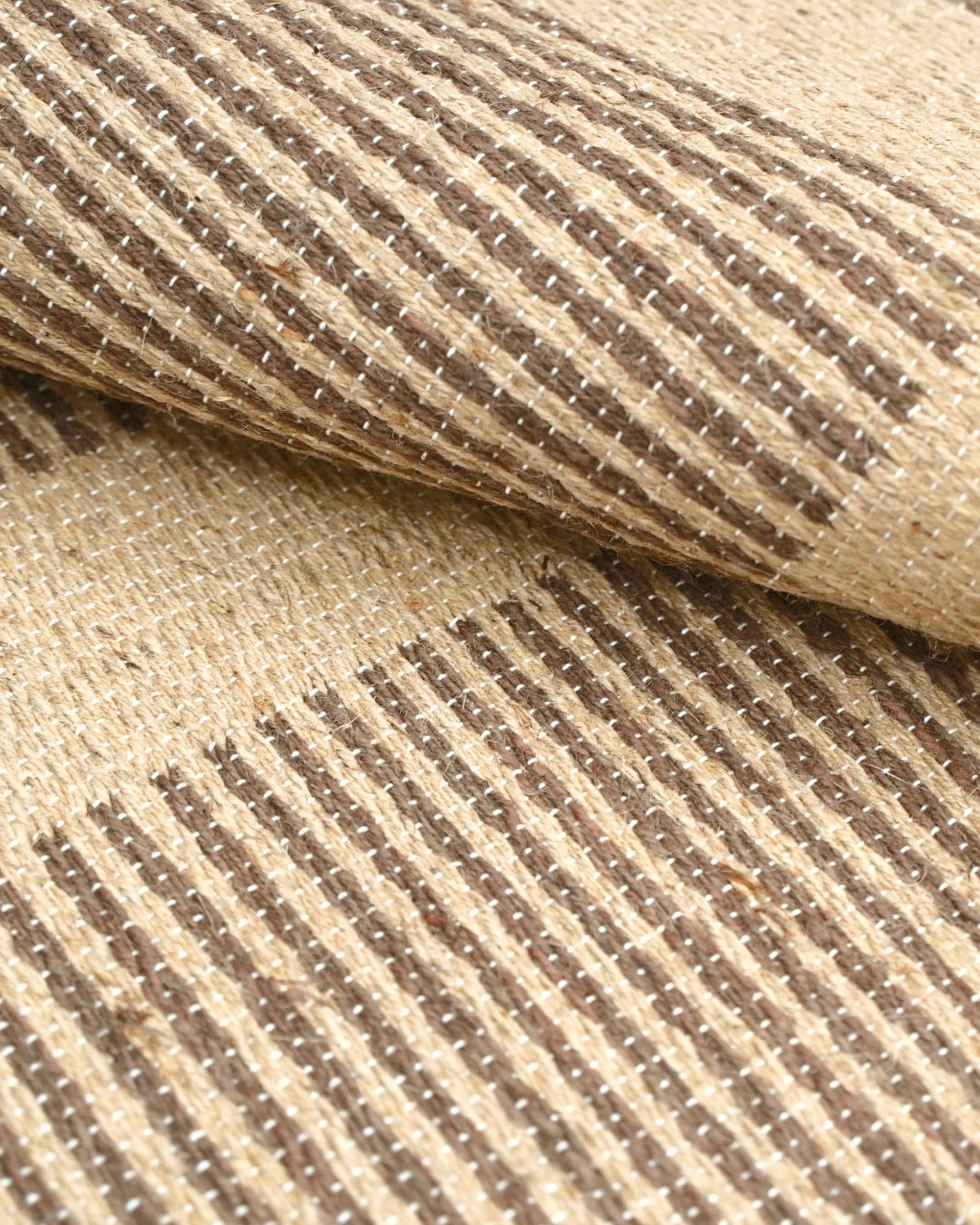
The Kora Jute Rug is handwoven natural jute at 10 mm, firm and textured. It is quick to vacuum and a plant fibre, which some households prefer. The product care says keep it dry, so it suits dry cities such as Delhi and air conditioned rooms better than a Mumbai bedroom in August.
The Luma Silk Rug in Gray is handloom Botanical Silk at 10 mm, cool underfoot with a sheen that moves with the light. Its smooth, tight surface releases dust easily under a vacuum. It is best in a bedroom or study rather than a busy family room.
- Wool: the most resilient and the warmest underfoot. Test against skin first.
- Jute: firm, plant based and very easy to vacuum. Keep dry and away from damp floors.
- Botanical Silk: smooth, cool and low. Blot spills at once and keep traffic gentle.
Whichever fibre you choose, the Kora is regular priced at ₹28,000 for 5x8 ft and the Luma at ₹40,000 for 5x8 ft, ex GST at the time of writing.
What cleaning routine helps an allergy prone home?
A weekly vacuum of both sides of the rug, a monthly airing and one professional clean a year make up the routine that helps most. Consistency matters more than intensity.
- Weekly: vacuum the face of the rug slowly, in overlapping passes, with suction only and no beater bar. A vacuum with a sealed body and a fine filter keeps fine dust from blowing back into the room.
- Monthly: fold the rug back and vacuum the underside and the floor beneath it. A lot of fine dust collects under a rug, not on it.
- Every three months: turn the rug end to end so traffic and light are spread evenly.
- Each dry season: on a dry, breezy day, air the rug in shade on a balcony rail or over chairs for an hour. Avoid strong direct sun, which fades colour.
- Once a year: book a professional rug cleaner. The product care for every rug named here says professional cleaning only.
Rugberry's daily rug care routine covers the small daily habits, and the guide to vacuuming a fine rug shows the technique.
In humid months, keep the room dry. An air conditioner or a dehumidifier in Mumbai, Chennai or Kolkata through the monsoon helps every soft furnishing in the room, not only the rug. Rugberry's guide to preventing mould under rugs covers damp floors in coastal cities.
What else makes a bedroom rug easier to live with?
A smaller rug that you can lift, shoes left at the door, and bedding washed often make the biggest difference beyond the rug itself. The rug is one part of a room, and the room is cleaned as a whole.

Size matters for cleaning. A 5x8 ft rug beside or under the lower half of the bed can be folded back, vacuumed underneath and aired by one person.
A wall to wall 9x12 ft rug cannot. Rugberry's bedroom rug size guide shows which layouts leave the rug easy to lift.
Shoes are the other big source of dust. A shoes off habit at the front door keeps most outdoor grit out of the bedroom. A firm mat outside and a rug inside the foyer catch most of what remains.
Finally, a new rug can carry a faint smell from its fibres and finishing. Unroll it in a well ventilated room for a few days before laying it in a bedroom. You can browse every low, closely textured wool rug in Rugberry's Grain Collection, or every jute piece in the natural jute rugs collection.
Frequently asked questions
Are wool rugs good for people with dust allergies?
Wool rugs suit many homes with dust allergies when they have a low, dense pile and are vacuumed weekly. A few people are sensitive to wool itself, so test a swatch against the skin and ask a doctor about any diagnosed allergy.
Is there such a thing as a hypoallergenic rug?
No rug is hypoallergenic in a medical sense, because every textile collects the dust and pollen that settle in a home. A low pile rug that is cleaned on a steady routine is the practical answer for an allergy prone home.
Which is better for allergies, a low pile or a high pile rug?
A low pile rug of 10 to 14 mm is better for an allergy prone home than a high pile rug, because a vacuum reaches the base of the yarn in one pass. Deep piles and shags hold far more fine dust between cleans.
How often should a rug be cleaned in a home with allergies?
A rug in a home with allergies should be vacuumed weekly on the face, monthly on the underside, and cleaned by a professional once a year. Turning the rug every three months spreads wear and lets you check the floor beneath.
Is a jute rug good for allergies?
A jute rug is a good choice for an allergy prone home in a dry room, because its firm, flat weave is quick to vacuum. Jute dislikes damp, so it is less suited to humid coastal bedrooms in the monsoon.
Low pile, a steady routine, and a fibre you have tested. Material first.




Leave a comment
This site is protected by hCaptcha and the hCaptcha Privacy Policy and Terms of Service apply.