




Chatai Mat or Rug: What Belongs on Your Floor?
Choose a chatai for the hottest months, for short sits on the floor and for rooms that see water, and choose a rug for comfort, quiet and a floor you sit on for hours. Many homes use both: a chatai from April to June, a low jute or wool and jute rug the rest of the year.
In short
- A chatai is a flat mat woven from grass, reed, palm leaf or split bamboo, with no pile, so it stays cooler to the touch than any rug in an Indian summer.
- A rug is softer, quieter and warmer than a chatai, which makes it the better surface for long hours of sitting, children playing and rooms with air conditioning.
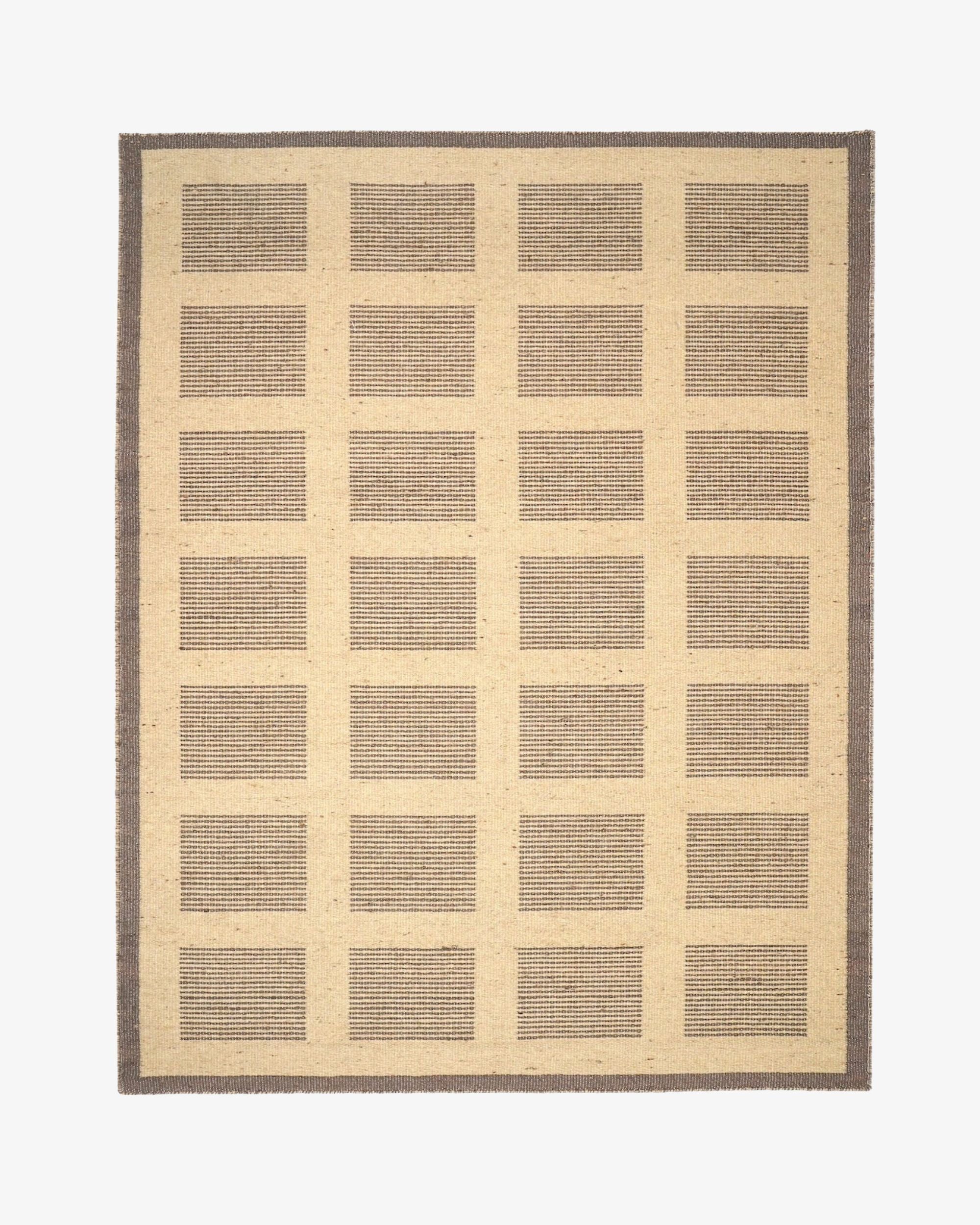
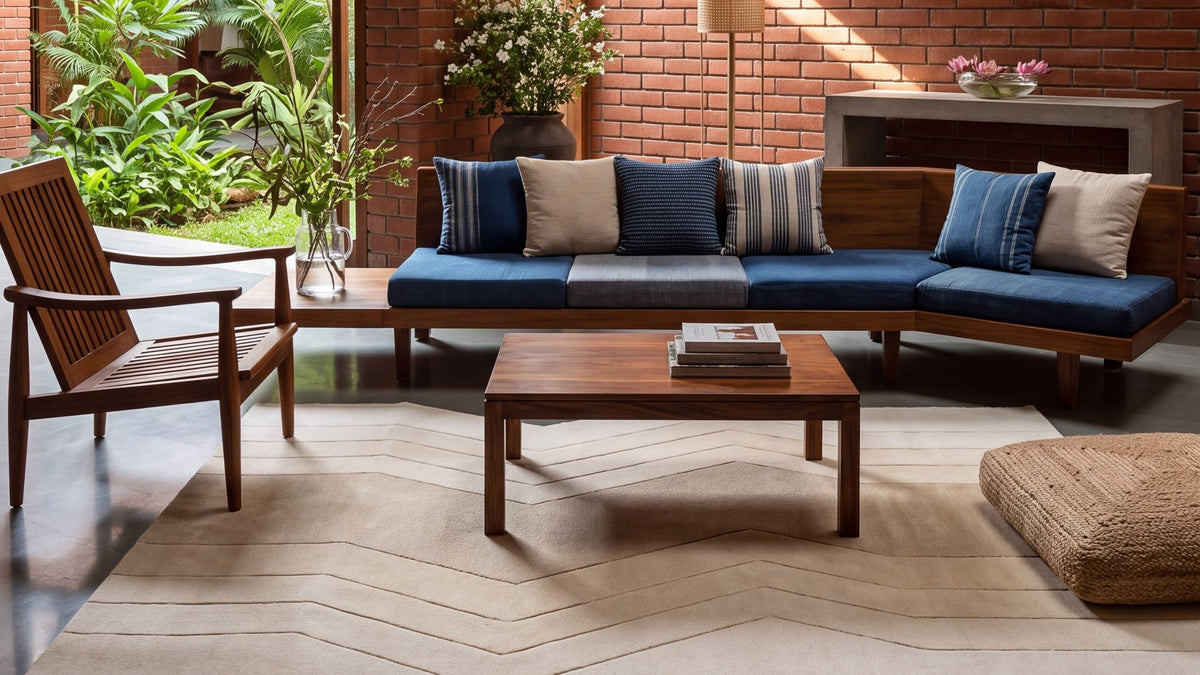
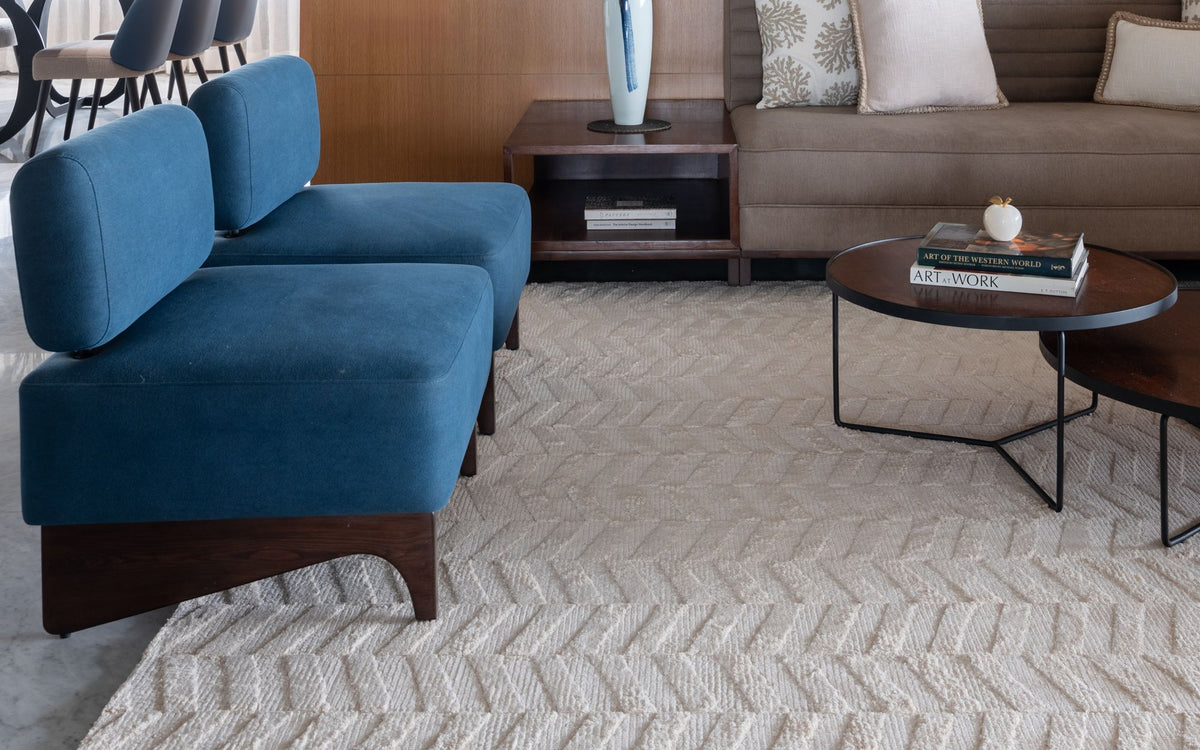
- A low jute or wool and jute rug, such as Rugberry's Kora or Cabra, sits between the two: firm and airy like a mat, but with the weight, size range and finish of a rug.
- Chatai mats are inexpensive and easy to replace, while a handwoven or handloom rug is bought to last for many years with regular care.
What is a chatai, and how is it different from a rug?
A chatai is a flat mat woven from stiff plant stems or strips, such as grass, reed, palm leaf or split bamboo, with no yarn standing up from its surface. A rug is a woven or tufted textile made from spun yarn, either flat or with a pile, and it is usually heavier, denser and softer.


The difference starts with the raw material. A chatai keeps the stem almost as it grew, flattened and interlaced, so the mat behaves like a sheet of thin, springy cane. A rug begins with fibre that has been spun into yarn, so it bends, drapes and cushions in a way a stem never can.
Many regions have their own mat tradition, from the fine korai grass mats of Tamil Nadu to bamboo and palm leaf mats used across the country. These are not lesser rugs. They are a different answer to heat, floor living and cleanliness, and they have earned their place in Indian homes over generations.
Which feels cooler underfoot in an Indian summer?
A chatai feels cooler than any rug, because its hard, smooth stems touch your skin at fewer points and trap almost no warm air. A low, flat jute rug comes next, then a wool and jute flatweave, and a deep wool pile feels warmest of all.

Coolness underfoot comes down to two things: how much air the surface holds and how quickly it takes heat away from your skin. Pile holds a layer of still air, which is exactly why a wool rug is welcome in a Delhi January and less so on a 42 degree afternoon. Smooth grass and cane hold very little air and stay close to the temperature of the room.
You can test this at home in ten minutes. Lay your palm flat on the chatai, then on the rug, then on the bare floor, and hold each for a slow count of thirty. The surface that still feels cool at the end of the count is the one you will want to sit on in May.
Our guide to the best rug for Indian summers compares rug fibres in heat. This post looks at the step before that: whether you need a rug at all in the hottest weeks, or a mat.
Which is better for sitting on the floor?
For short sits, meals on the floor and prayer, a chatai is the better surface, because it is clean, cool and easy to roll away. For long hours of sitting, children playing and gatherings that run late, a rug is better, because it cushions the knees, ankles and hips that a hard mat presses on.
A chatai has almost no give. After an hour, a grass mat can leave a ribbed print on the skin and a dull ache at the ankle bone, which is why many families add a thin gadda or cushions on top. A rug of 7 to 16 mm spreads that pressure, and a deeper pile spreads it further.
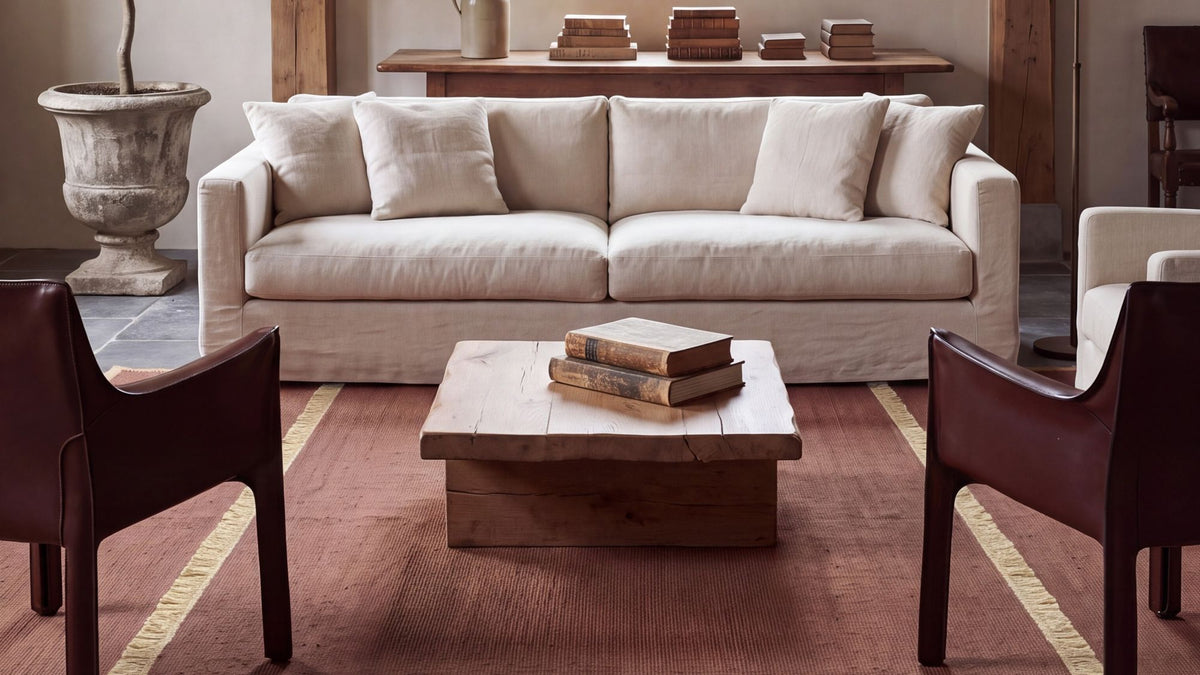
A rug also quietens a room. In flats with hard vitrified tile and bare walls, voices and footsteps bounce, and a rug absorbs part of that sound, while a chatai barely changes it. If the room is a baithak where people sit for hours, our guide to floor seating rugs covers sizing for gaddas and bolsters.
A chatai answers the heat. A rug answers the hours you spend sitting on it.
How do cleaning and monsoon damp compare?
A chatai is the easier of the two to clean day to day: shake it, wipe it with a damp cloth and let it dry in the shade. A rug needs regular vacuuming and quick blotting of spills, and a jute rug in particular must be kept dry, because water marks jute and can make it shrink or stain.


The monsoon is the hard season for both. Grass and bamboo mats left on a damp floor can grow grey spots of mould on the underside within a few humid weeks, so lift and air them whenever the sun comes out. Store them rolled, never folded, in a dry cupboard with air around them.
Rugs face the same damp from below. Lift a corner of any rug every couple of weeks between June and September and feel the floor with your palm; if it feels cool and clammy, open the room to air or run a fan across it. Wool forgives humidity better than jute, and a blend of the two sits in between.
Spills are where the rug needs more care. Blot with a dry white cloth at once, work from the edge inward and never scrub, then dry the spot with a fan. For jute, avoid water based home cleaners entirely and ask a professional cleaner for anything larger than a cup of tea.
How long does each last, and what does each cost?
A chatai is inexpensive and expected to be replaced every few seasons, while a well made jute or wool rug is bought to last many years. The table below sets out the trade offs side by side, with budget bands rather than exact prices for mats, which vary widely by region and maker.
| Chatai mat | Handwoven jute rug | Wool and jute handloom rug | Wool pile rug | |
|---|---|---|---|---|
| Feel underfoot | Hard, smooth, springy | Firm, textured | Firm, with a softer hand from the wool | Soft, cushioned |
| Summer coolness | Coolest | Cool | Fairly cool | Warmest |
| Long floor sitting | Uncomfortable after an hour | Fair | Good | Best |
| Daily cleaning | Shake and wipe | Vacuum, keep dry | Vacuum, blot spills | Vacuum, blot spills |
| Monsoon risk | Mould underneath if left on damp floors | Water marks and shrinking | Moderate, wool tolerates humidity better | Damp from below, slow drying |
| Expected life | A few seasons | Many years | Many years | Many years, longest with rotation |
| Typical spend | A few hundred to a few thousand rupees | Tens of thousands for a room size rug | Tens of thousands for a room size rug | Tens of thousands upward |
Verdict: for a verandah, a puja corner or a room used mainly in the hottest months, choose a chatai over a rug, because it is cooler and cheaper to replace; for a living room where the family sits on the floor for hours, choose a low wool and jute rug, because it is far kinder to the body and lasts for years.
When is a low jute or wool and jute rug the better choice?
A low jute or wool and jute rug is the better choice when you want a mat's firmness and airiness in a room that also needs a defined size, a finished edge and some softness. It is the middle path for living rooms, dining rooms and bedrooms that stay in use all year.


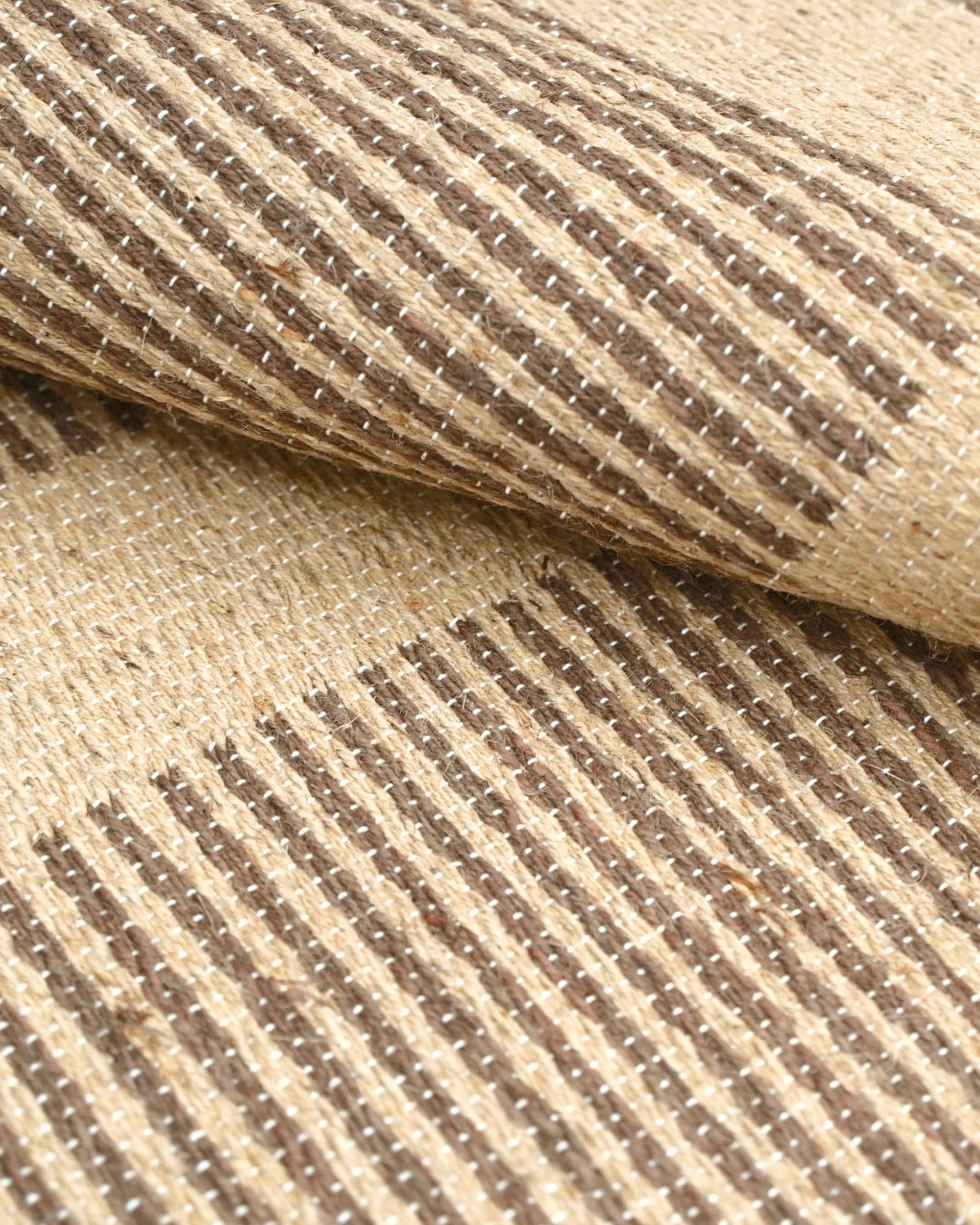
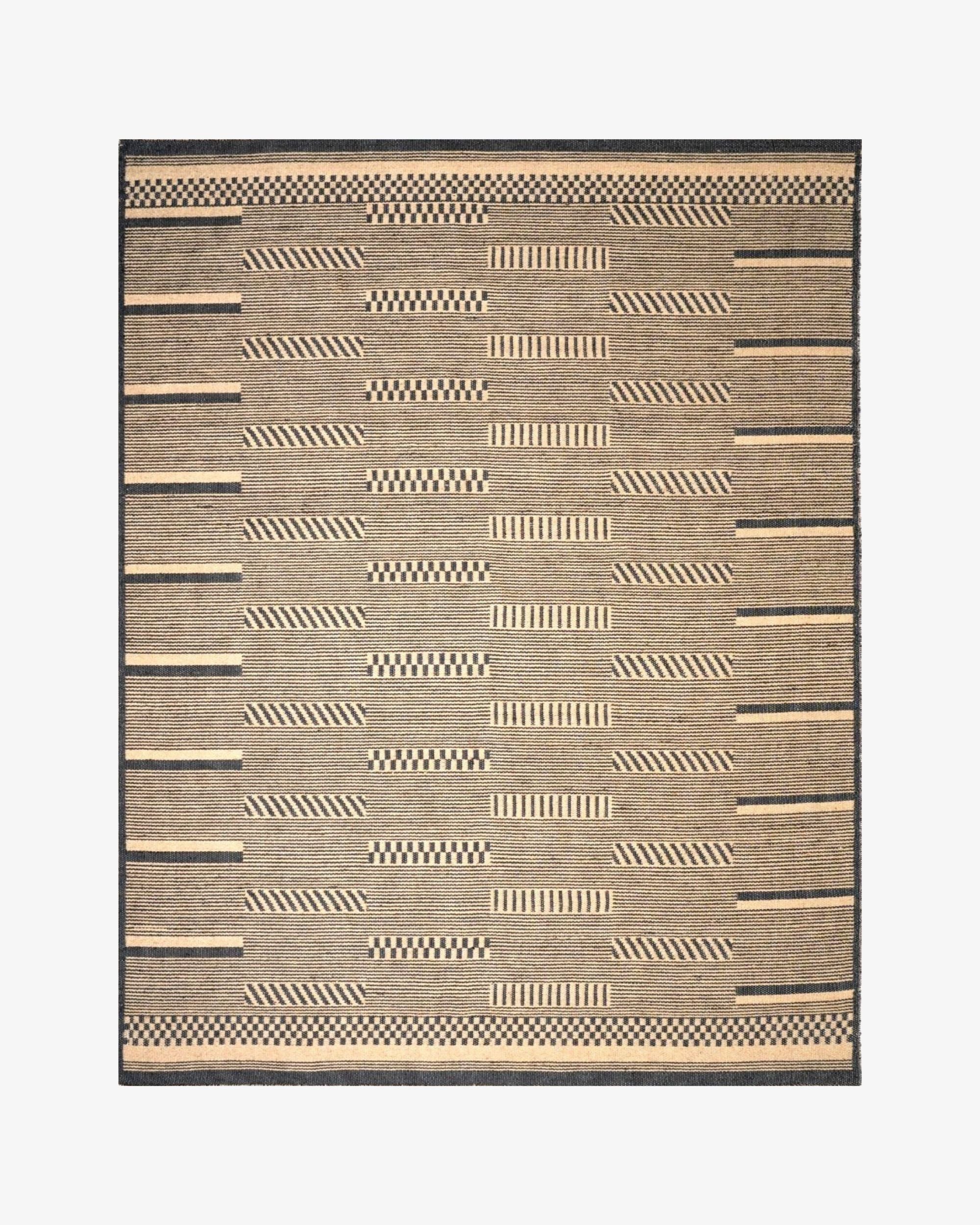
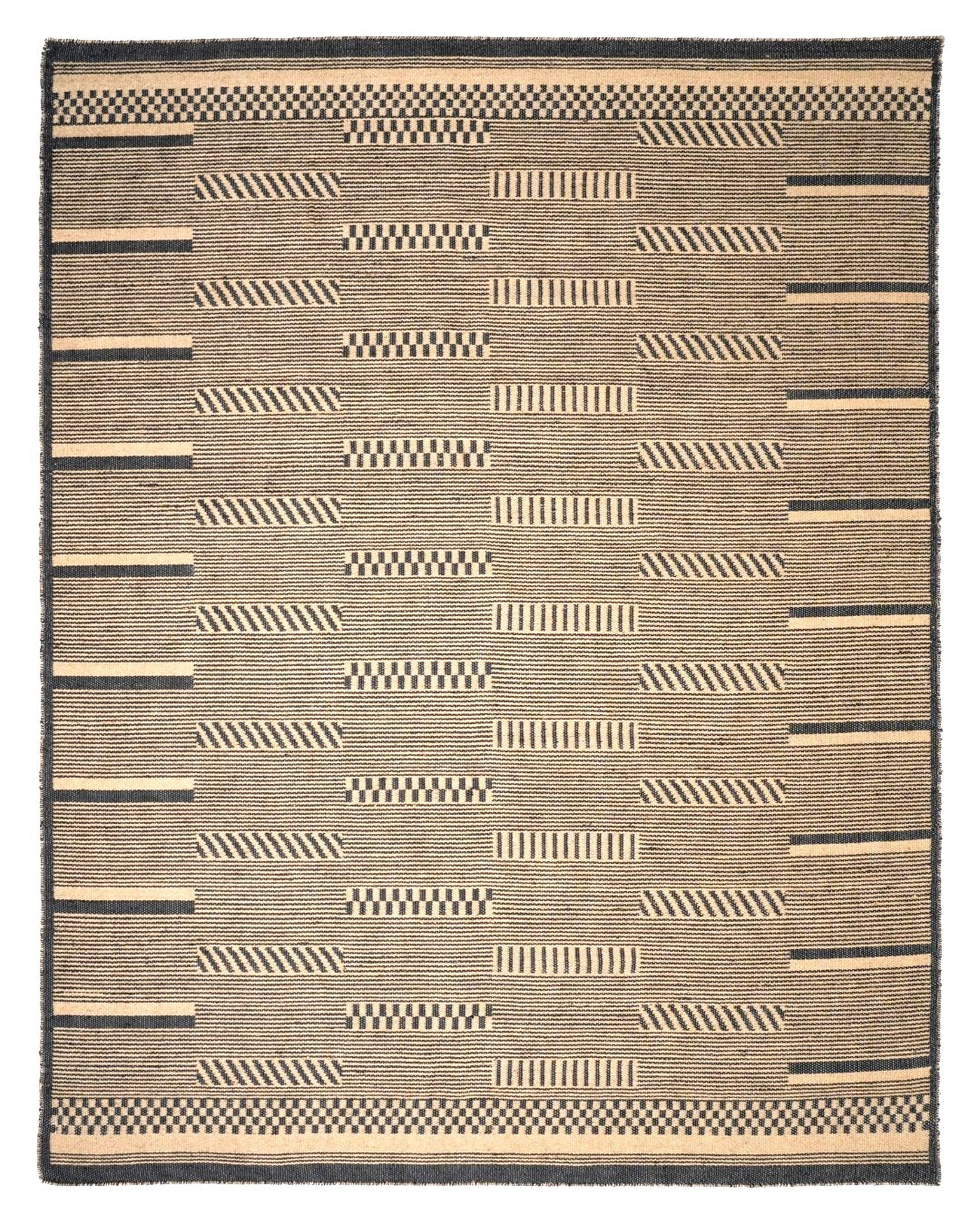
The Kora Jute Rug is handwoven in jute at 10 mm, firm and textured, with bands of darker dashes on the natural fibre. It is sold in 5x8, 6x9 and 8x10 ft and any size to order, from about ₹23,520, inclusive of GST at the time of writing. The Pampas Jute Rug is also handwoven in jute, with dark diagonal and checked bands, in the same three sizes and from about ₹23,520, inclusive of GST at the time of writing.
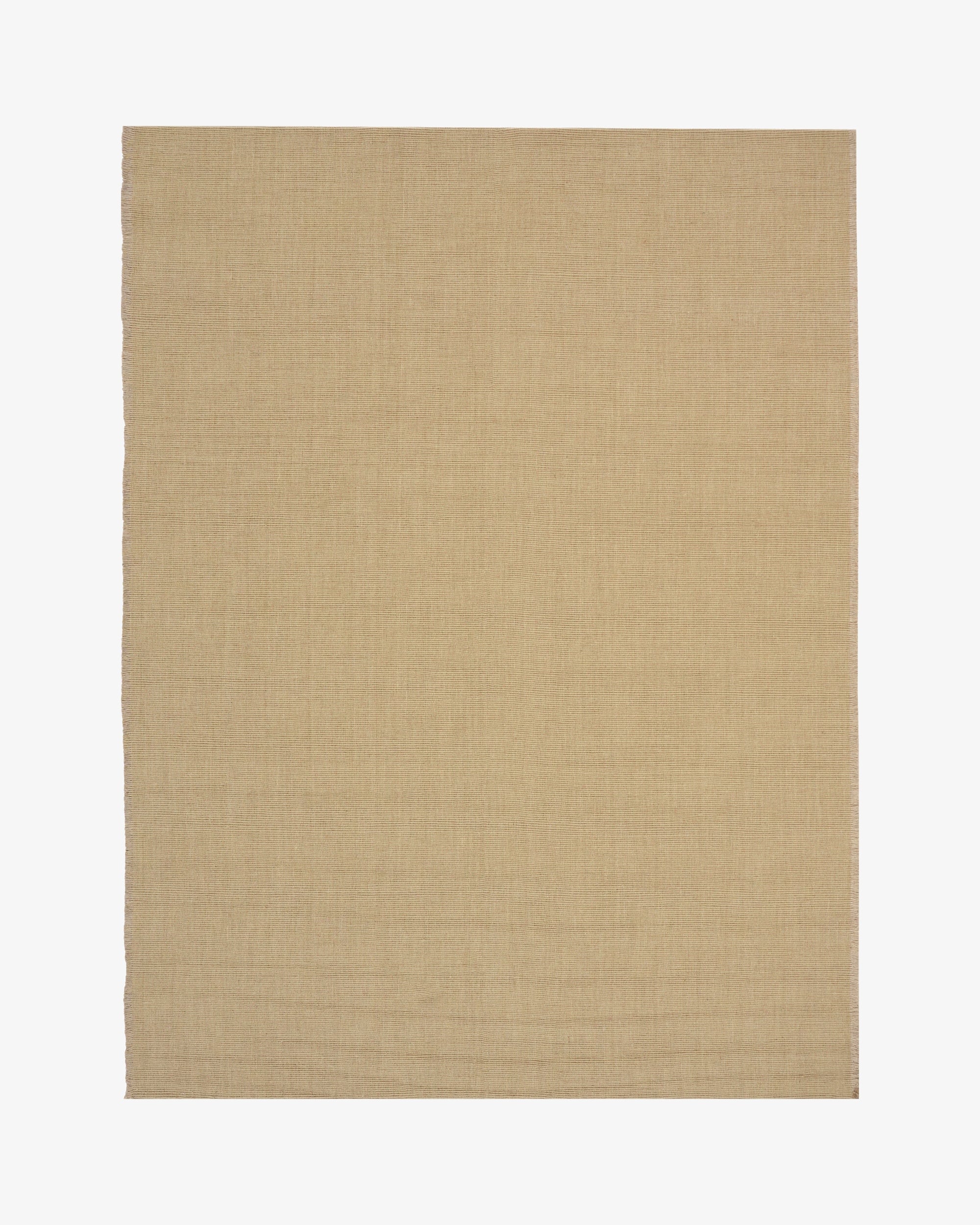
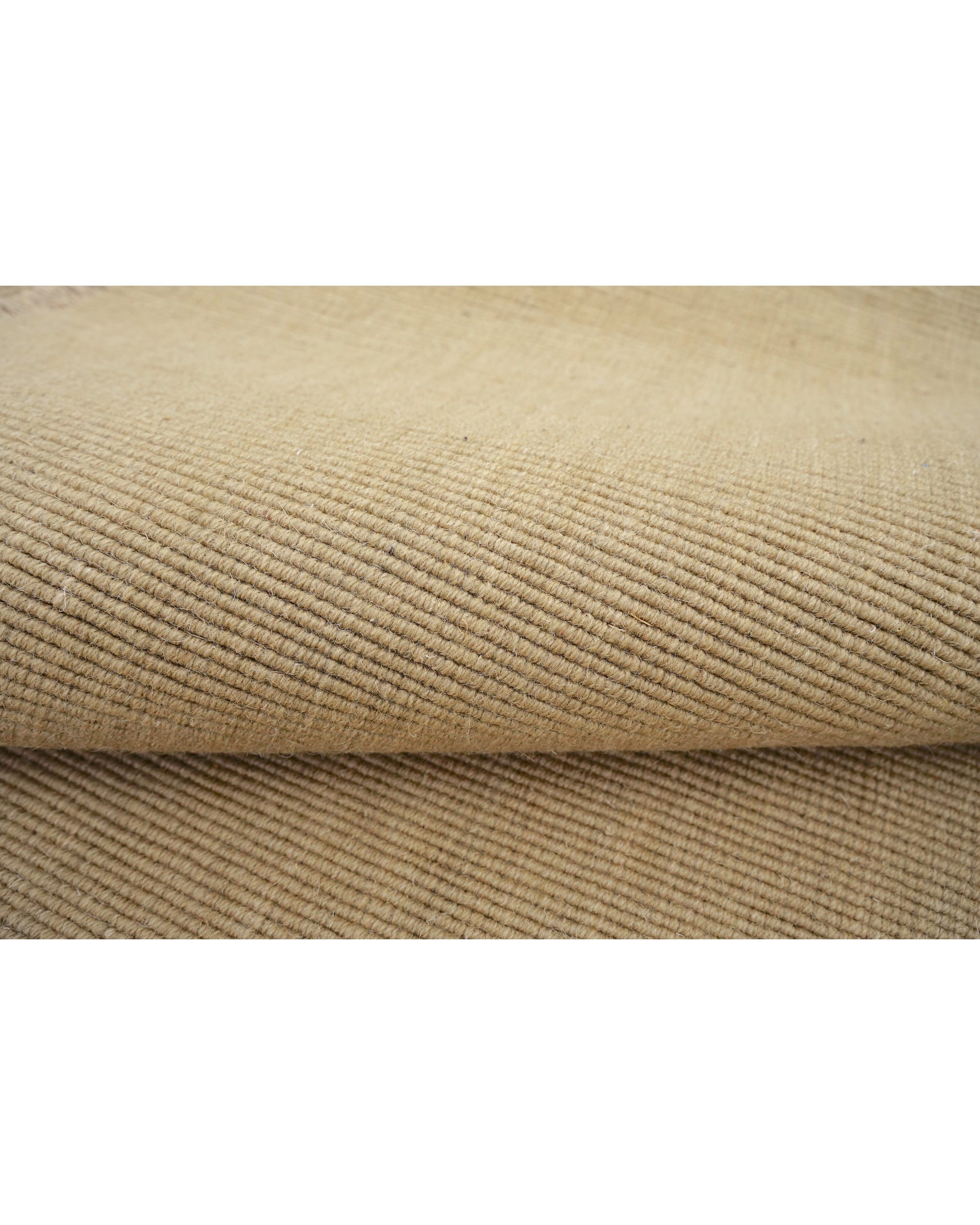
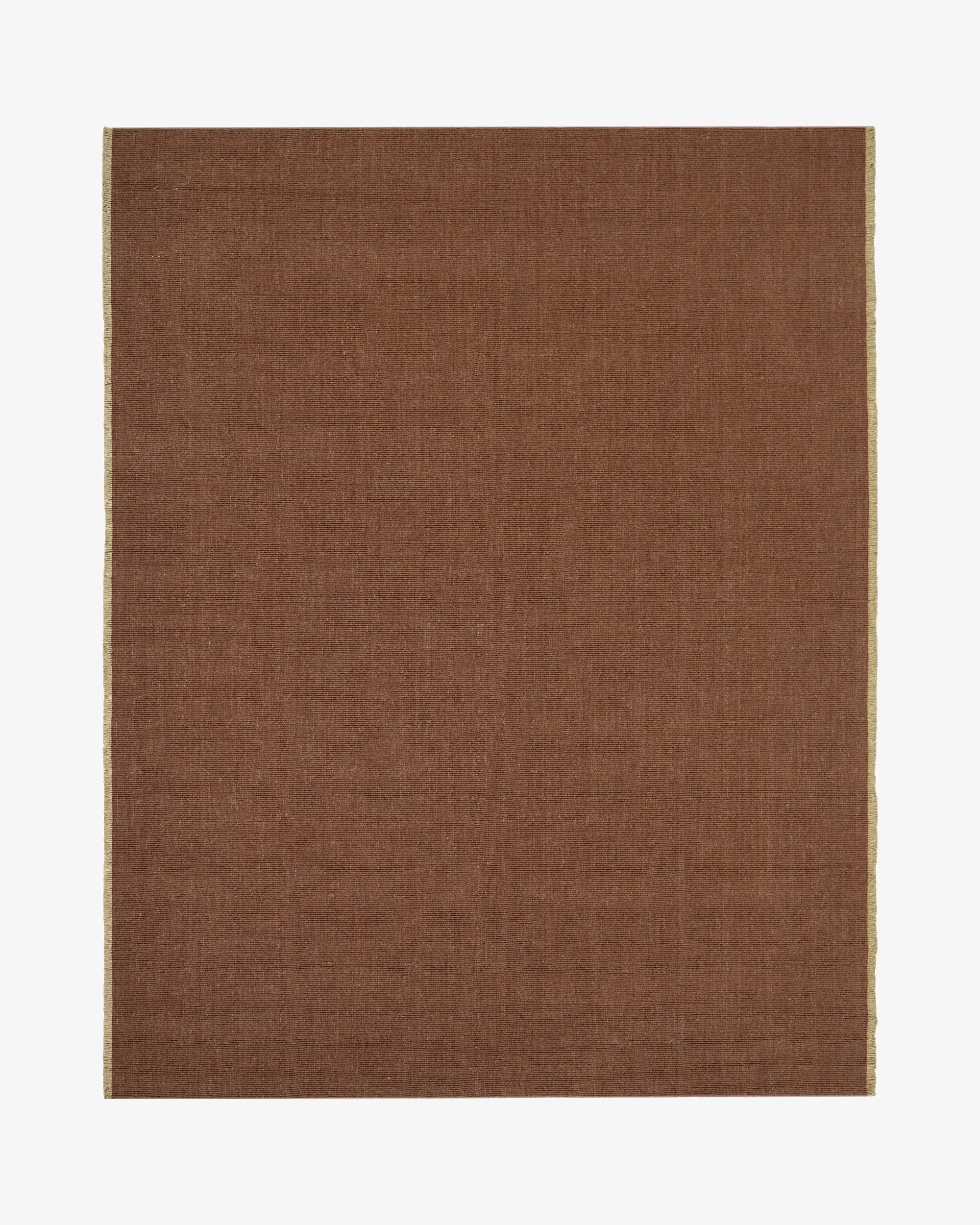
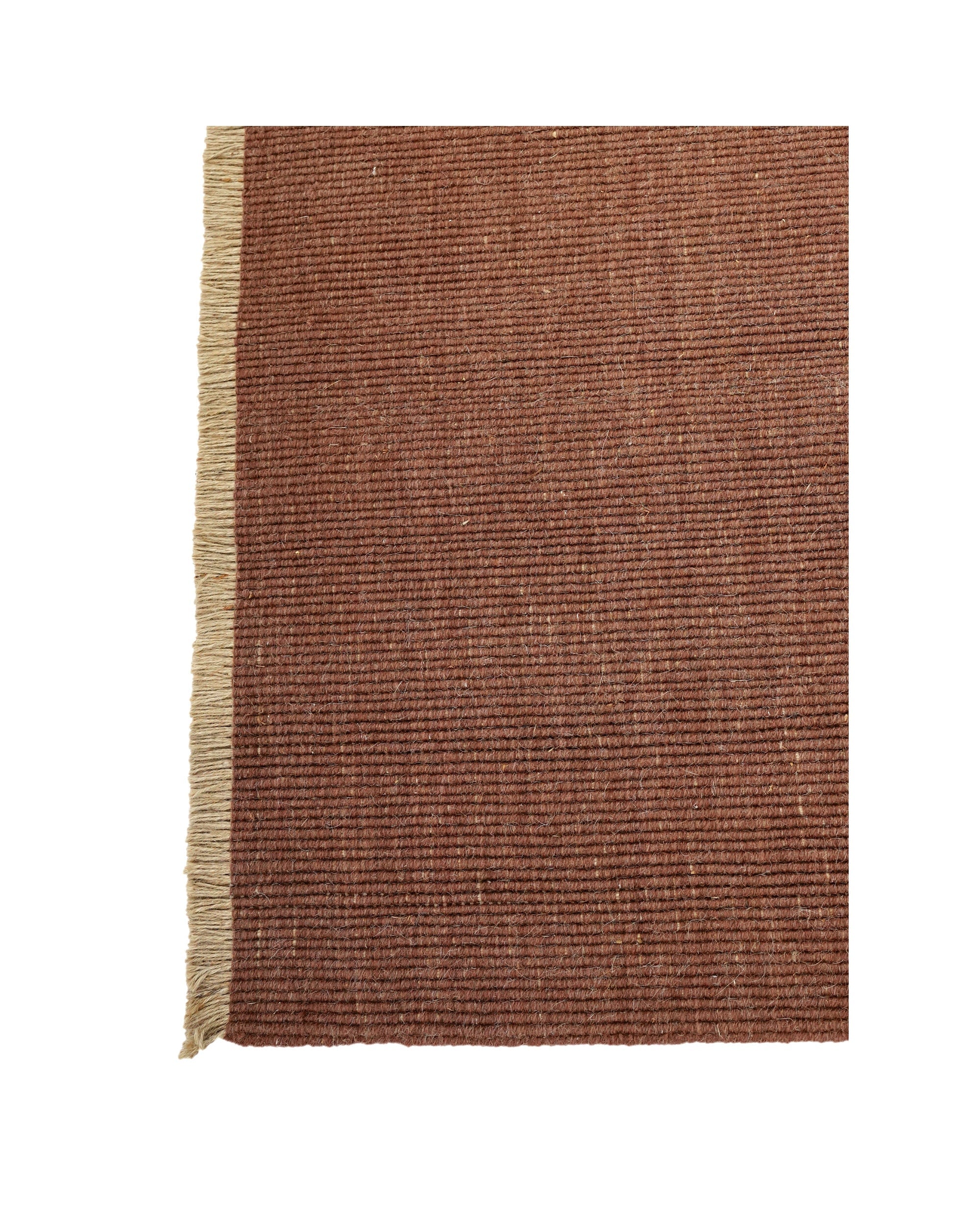
The Cabra Wool and Jute Rug in Sand brings wool into the weave. It is handloom woven in New Zealand wool and jute at 7 to 8 mm, so it lies almost as flat as a mat but feels softer to sit on, and it comes in six sizes from 5x8 to 12x15 ft. Prices start from about ₹28,560, inclusive of GST at the time of writing, and the same rug is made in Rust and Olive.
The wider range of plant fibre rugs sits in the jute collection. If you are weighing a flat woven rug against a pile one, our comparison of a dhurrie and a rug explains the construction side.
Can you use a chatai and a rug together through the year?
Yes, and in many Indian homes that is the most comfortable answer. Use the chatai in the hottest and wettest weeks, and the rug through the cooler months, or give each its own room by season.

A simple calendar works in most cities. From roughly April to June, roll the rug, wrap it in breathable cotton and lay a chatai in its place. When the monsoon has settled and the floor stays dry, bring the rug back, and keep the chatai for the balcony or the puja room.
Avoid laying a chatai on top of a rug for long. The stiff mat presses the pile flat in lines, and grit trapped between the two acts like sandpaper on both. If you want the look of both at once, place the chatai beside the rug, for example as a cool sitting strip under a window.
A few habits keep both in good shape:
- Roll, never fold, a chatai or a jute rug, and store both off the floor.
- Dry a chatai in shade, not hard sun, so the stems do not turn brittle.
- Rotate a rug by 180 degrees each time it goes back down, so wear and sun fade evenly.
- Before storing any rug, vacuum both sides and make sure it is completely dry.
Rugberry's Kora, Pampas and Cabra rugs are made for exactly this kind of year: firm enough to feel like a mat, finished and sized like a rug.
Frequently asked questions
Is a chatai healthier to sit on than a rug?
Neither is healthier in itself. A chatai stays cooler and is easy to wipe, while a rug cushions the joints during long sitting, so the better choice depends on how long you sit and how hot the room is.
Can a jute rug replace a chatai in summer?
A low handwoven jute rug comes close, since jute stays firm and airy and does not hold much warmth. It still feels warmer than bare grass or bamboo, and it must be kept away from water, which a chatai tolerates better.
Why does my chatai smell musty after the rains?
A musty smell usually means mould has started on the underside where the mat met a damp floor. Wipe it with a dry cloth, air it in shade on a dry day and store it rolled in a ventilated place until the floor stays dry.
Will a chatai scratch a marble or tile floor?
The mat itself rarely scratches, but grit trapped beneath it can dull polished marble over time. Sweep the floor before laying the mat and lift it to sweep underneath every week or two.
Which Rugberry rug feels closest to a chatai?
The Kora and Pampas jute rugs feel closest, as both are handwoven in jute with a firm, textured surface. The Cabra rug in wool and jute is a little softer, which suits rooms where people also sit on the floor for long hours.
A mat for the hottest weeks, a rug for the rest of the year. Material first.

Leave a comment
This site is protected by hCaptcha and the hCaptcha Privacy Policy and Terms of Service apply.