



What Is the Best Rug for Indian Summers?
The best rug for an Indian summer is a low, firm, natural fibre rug that does not trap heat: handwoven jute, a flat wool and jute weave, or a low handloom rug in Botanical Silk, which feels cool underfoot. Keep deep wool piles for winter, or for bedrooms and living rooms that run air conditioning through the hottest months.
Short answer
- A rug feels cooler in summer when its pile is low, its surface is firm and its fibre lets air move, so flat or low pile rugs suit Indian summers best.
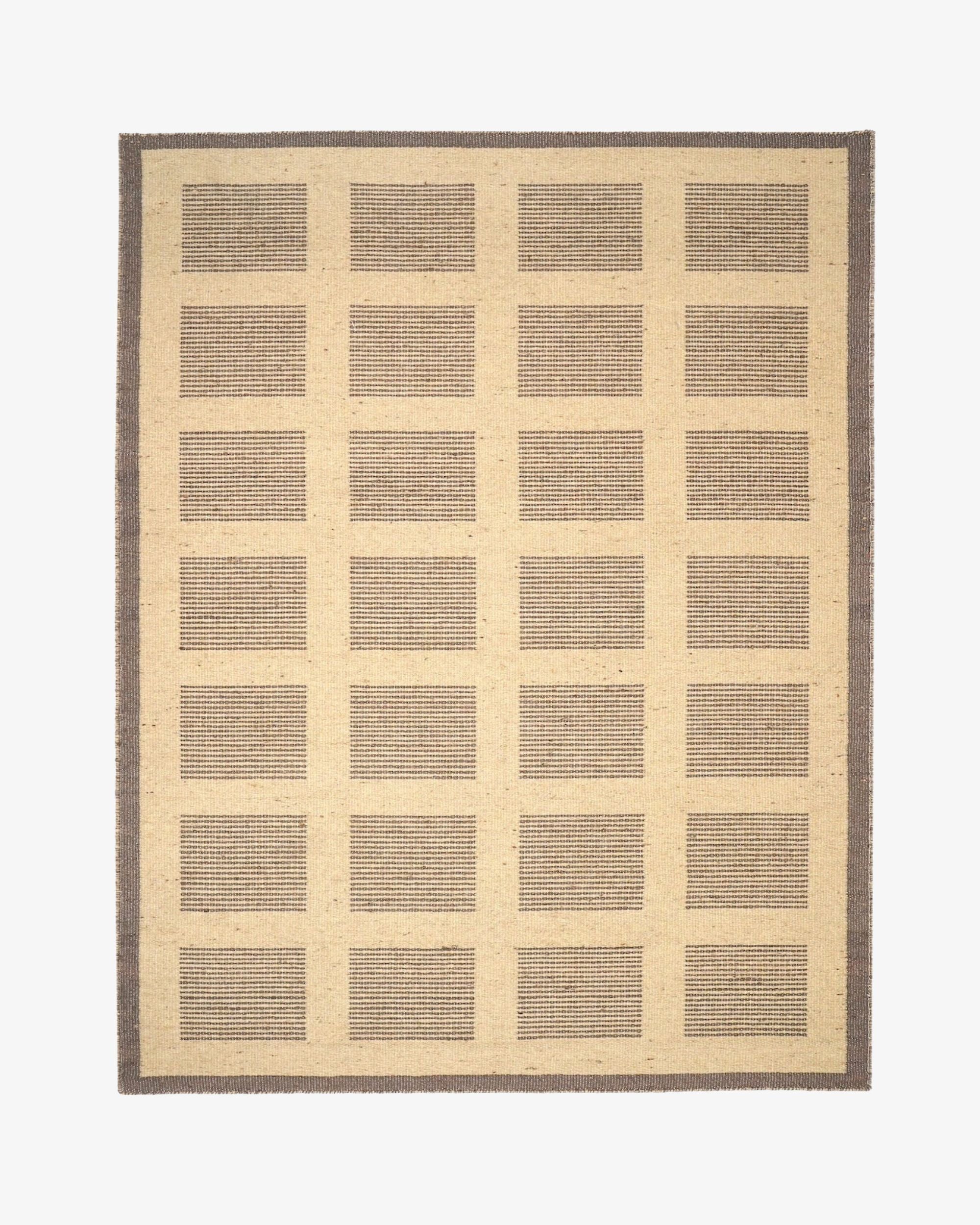
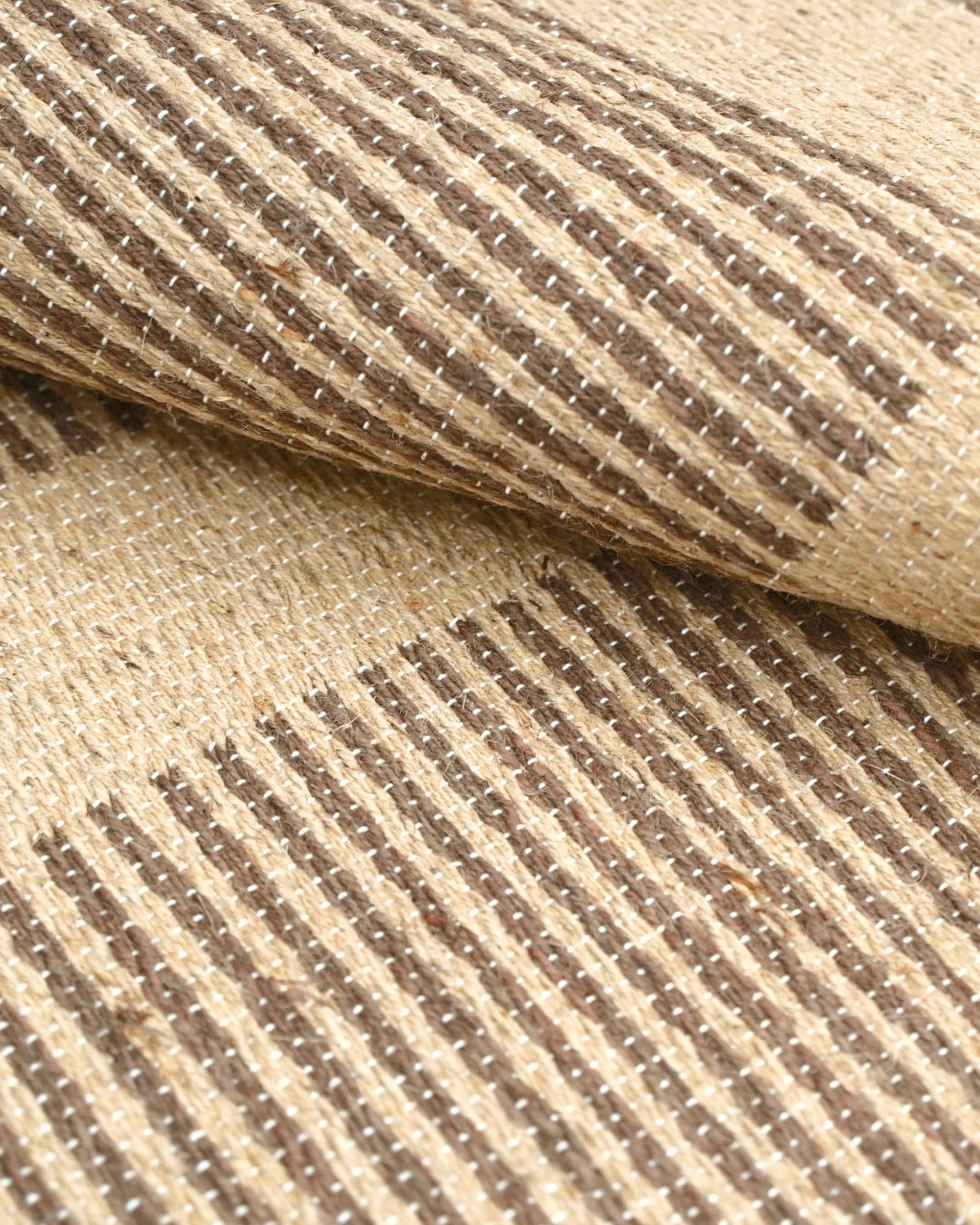
- Jute rugs such as the Rugberry Kora Jute Rug, handwoven at 10 mm, feel dry and firm underfoot and suit hot, dry months, but should be kept dry in monsoon.
- Handloom Botanical Silk rugs such as the Rugberry Luma Silk Rug, at 10 mm, feel cool and smooth underfoot and suit calm living rooms and bedrooms rather than busy spaces.
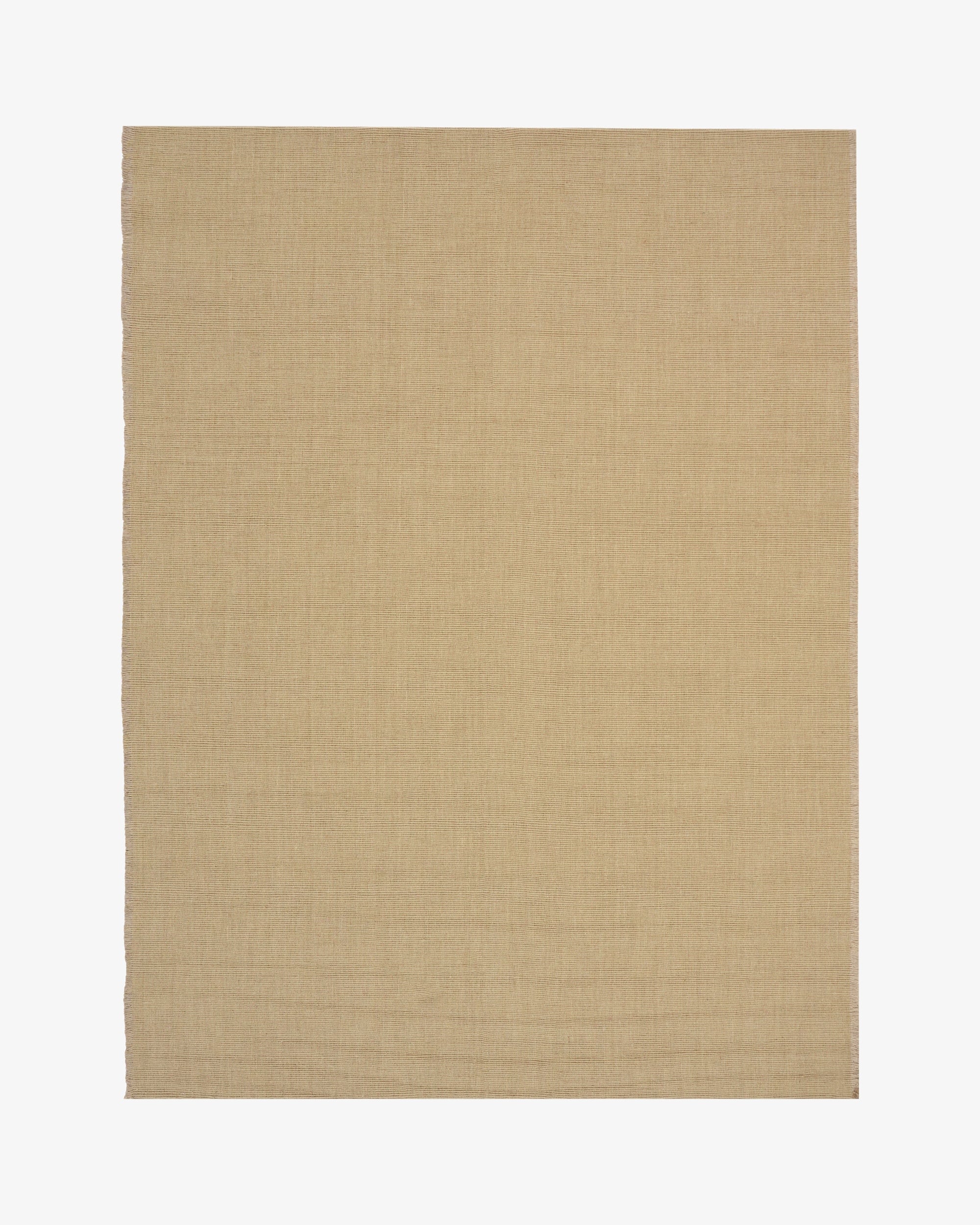
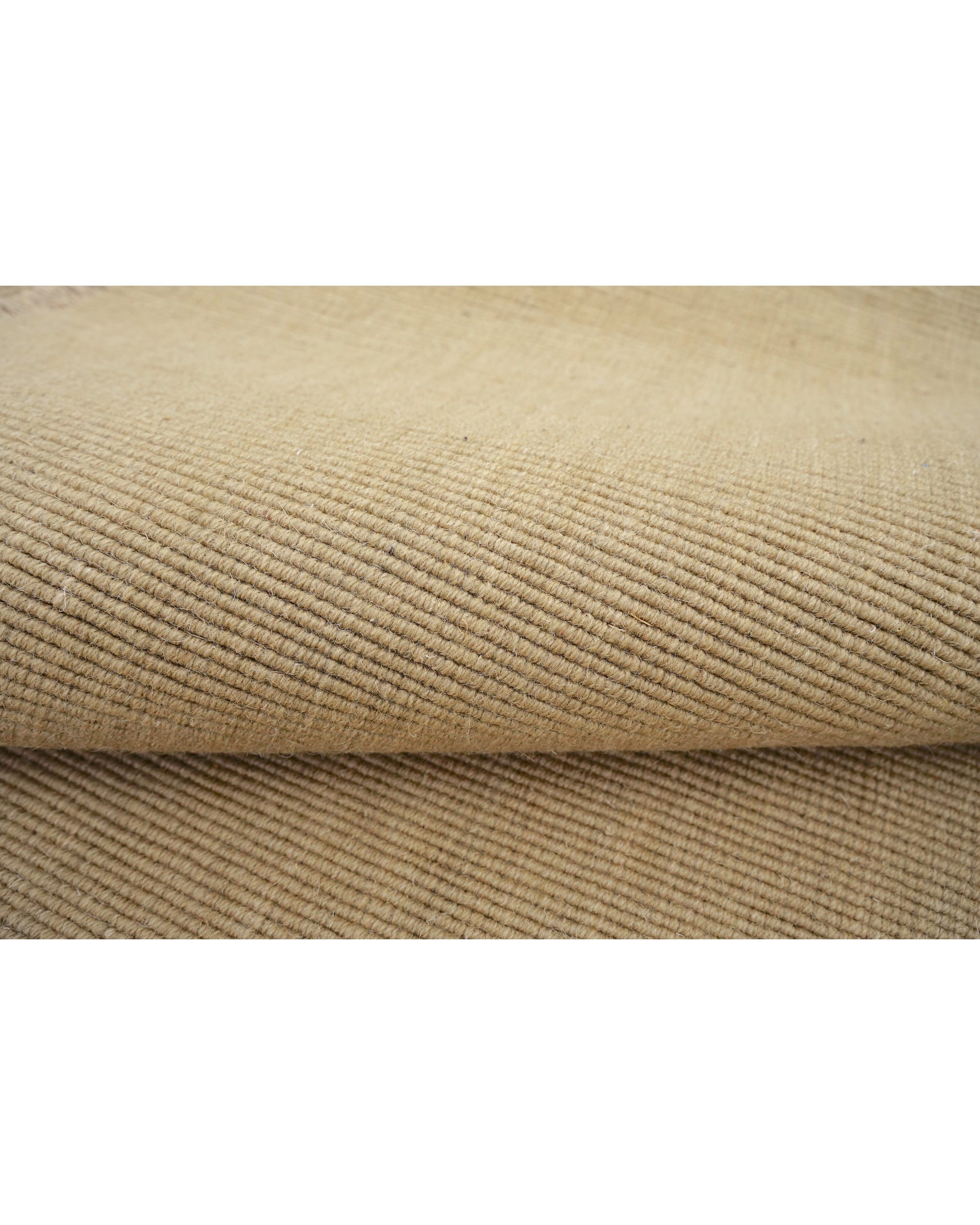
- A low wool and jute weave such as the Rugberry Cabra, handloom at 7 to 8 mm, is a hard wearing summer choice that stays comfortable year round.
What makes a rug feel cool or warm underfoot?
A rug feels cool or warm mainly because of its pile height, its density and the fibre's surface. A tall, dense pile holds still air close to the skin, which insulates, while a low, firm surface lets heat escape and feels cooler.

Fibre adds to this. Smooth fibres with a sheen, such as Botanical Silk, feel cool to the touch the way a cotton sheet does. Dry, coarse plant fibres like jute feel crisp, and wool sits in the middle: it breathes and handles moisture, but a deep wool pile is warm.
So the summer question is less about one magic fibre and more about the combination. A 10 mm jute flat weave and an 18 to 20 mm wool pile are opposite ends of the same scale. Rugberry's guide to rug pile height explains the millimetres.
Is jute the best rug for an Indian summer?
Jute is one of the best rugs for a hot, dry Indian summer, because it is low, firm and dry to the touch. It is less suited to humid coastal months, since jute should be kept dry.


The Kora Jute Rug is handwoven in natural jute at 10 mm, firm and textured with the natural irregularity of the fibre. Its regular price is ₹28,000 for 5x8 ft and ₹56,000 for 8x10 ft, ex GST, at the time of writing. In a Delhi, Jaipur or Ahmedabad living room from April to June it feels crisp underfoot and shows dust lightly.
Jute is coarser than wool, so it is better under a sofa and coffee table than beside a bed where feet are bare for long.
Water can mark jute and weaken it, so blot spills at once and roll it away or move it to a dry room if the floor stays damp in monsoon. Rugberry's guide on wool vs jute sets the two fibres side by side.
Does Botanical Silk feel cool in summer?
Yes. A low handloom rug in Botanical Silk feels cool and smooth underfoot, which is why it suits summer living rooms and bedrooms. Botanical Silk is a plant-derived fibre with a silk-like sheen; it is not real silk.


The Luma Silk Rug in Gray is handloom woven in Botanical Silk at 10 mm, and Rugberry's own product note describes it as cool underfoot, with a sheen that changes as the light moves. Its regular price is ₹40,000 for 5x8 ft and ₹79,000 for 8x10 ft, ex GST, at the time of writing.
The trade off is wear. Botanical Silk is softer than wool and shows pressure and footprints as light and dark patches, so it belongs in a calm room rather than a busy entrance. Keep it dry and have it cleaned professionally; the companion post is Botanical Silk durable covers where it lasts best.
In May, choose the rug you would want to stand on barefoot at noon. Low, firm and cool wins.
Can a wool rug work in an Indian summer?
A wool rug works in an Indian summer when it is low and flat, and especially when wool is woven with jute. Wool breathes and handles humidity well, so the heat problem is pile depth rather than the fibre itself.


The Cabra Wool & Jute Rug in Sand is handloom woven in New Zealand wool and jute at 7 to 8 mm, firm and textured, with wool softening the natural irregularity of the jute. Its regular price is ₹34,000 for 5x8 ft and ₹68,000 for 8x10 ft, ex GST, at the time of writing.
The Cabra is a good one rug answer for homes that do not want to swap with the seasons: low enough for May, soft enough for December. A handloom wool rug like the Grain at 12 to 14 mm is the next step up in warmth, and still comfortable in fan cooled rooms.
How do summer rug fibres compare?
The fibres compare most clearly on feel, heat, humidity and care. The table uses Rugberry rugs as examples, with regular prices ex GST at the time of writing; a seasonal sale may show lower figures.
| Rug | Fibre and construction | Pile | Summer feel | Humid months | 5x8 ft, regular, ex GST |
|---|---|---|---|---|---|
| Kora Jute Rug | Jute, handwoven | 10 mm | Crisp, dry, firm | Keep dry, move off damp floors | ₹28,000 |
| Cabra Wool & Jute Rug | New Zealand wool and jute, handloom | 7 to 8 mm | Firm, neutral, breathable | Keep dry, wool handles humidity | ₹34,000 |
| Luma Silk Rug | Botanical Silk, handloom | 10 mm | Cool, smooth, with sheen | Keep dry, no wet cleaning | ₹40,000 |
| Grain Wool Rug | New Zealand wool, handloom | 12 to 14 mm | Soft, mildly warm | Comfortable, keep dry | ₹37,000 |
| Plush Wool Rug | New Zealand wool, handloom | 18 to 20 mm | Deep and warm | Best with air conditioning | ₹40,000 |
The verdict: for a hot, dry city choose jute or the Cabra; for a calm, air cooled room choose Botanical Silk; and keep the Plush for winter or a cool bedroom.
Should you swap rugs between seasons in India?
Swapping rugs between seasons makes sense in north and central India, where summers are hot and winters cold, and matters less in Bengaluru, Pune or the coast, where one low rug can serve all year. If you swap, store the off season rug carefully.
- Clean before storing. Vacuum both sides, and send a wool rug for professional cleaning if it has seen a winter of dust.
- Roll, do not fold. Roll pile inward around a tube, so the pile is protected and no crease forms.
- Wrap in breathable cloth. Cotton sheeting, not plastic, so moisture can escape.
- Store off the floor and dry. A raised shelf or a loft away from external walls, never a damp storeroom in monsoon.
When the winter rug comes back in October, air it in shade for a day and vacuum before laying it. Rugberry's guide to easy to clean rug fibres helps choose which rug takes the busier season.
Which summer rug suits which Indian city?
The right summer rug depends on whether your city's heat is dry or humid. Dry heat favours jute and low wool; humid heat favours wool blends and fibres that are kept away from damp floors.

- Delhi NCR, Jaipur, Ahmedabad, Lucknow. Dry heat from April to June, then monsoon. Jute or the Cabra through summer, rolled away or moved to a dry room if floors stay wet in July and August.
- Mumbai, Chennai, Kochi, Kolkata. Humid most of the year. A low wool or wool and jute rug copes best; keep jute and Botanical Silk off floors that are mopped and left wet.
- Bengaluru, Pune, Hyderabad. Milder summers. A handloom wool rug like the Grain at 12 to 14 mm works all year, and a Botanical Silk rug suits a calm bedroom.
Rugberry's city guides for Delhi NCR homes and Chennai homes go further into local floors and light.
How should you care for a rug through an Indian summer?
Summer care is mostly about dust, sun and sweat: vacuum more often, draw sheers at peak sun, rotate the rug and keep it clean underfoot. A few habits through April to June keep any rug looking fresh for the monsoon.
- Dust storms. In north India, loo winds and pre-monsoon storms push fine dust indoors. Vacuum twice a week through May, and shake out jute rugs outdoors in the shade if they are small enough.
- Sun. The summer sun is strongest on west and south facing floors. Draw sheers in the afternoon and turn the rug every few months so fading spreads evenly.
- Bare feet. Summer means bare feet and more skin oils on the pile. Regular vacuuming and a professional clean before monsoon remove what builds up.
- Cold drinks. Condensation from a glass of nimbu pani on the floor can ring jute and Botanical Silk. Use a tray or coaster, and blot drips at once.
- Fans and air conditioning. A ceiling fan lifts loose fibre from a new rug; it settles after a few weeks of vacuuming. Air conditioning dries the air, which suits every natural fibre.
Before the first rains, check that the floor under each rug is dry and that no window leaks onto it. Rugberry's guide to preventing rug mould covers the monsoon side of the year.
Frequently asked questions
Which rug is coolest underfoot in summer?
Low, smooth rugs feel coolest, and a handloom Botanical Silk rug at about 10 mm is among the coolest to the touch. Jute and low wool and jute weaves also feel cool because they are flat and firm.
Are wool rugs too hot for Indian summers?
Low pile wool rugs are comfortable in most Indian summers, because wool breathes and handles moisture. Deep pile wool rugs, around 18 to 20 mm, are best kept for winter or air conditioned rooms.
Can I keep a jute rug in a humid city like Mumbai?
Yes, in a dry, well ventilated room, but keep it off floors that are mopped and left wet and blot any spill at once. Water can mark and weaken jute, so a wool and jute weave is easier in very humid months.
Is a cotton dhurrie better than a rug in summer?
A flat cotton dhurrie is very cool and easy to wash, and suits short term or very hot rooms. A low natural fibre rug such as jute or a wool and jute weave gives more cushion and wears longer while staying comfortable.
Should I remove rugs completely in summer?
There is no need to remove all rugs. Swap a deep pile rug for a low, firm one in the hottest months, and keep rugs under furniture to protect the floor and soften sound.
Summer asks for less pile, not less rug. Browse Rugberry's jute rugs for the hottest rooms.




Leave a comment
This site is protected by hCaptcha and the hCaptcha Privacy Policy and Terms of Service apply.