



Is Botanical Silk Durable Enough for a Living Room?
Botanical Silk is durable enough for a living room with moderate traffic, but it is softer and more delicate than wool: it can crush, show pressure marks and be marked by water. For a busy family room choose a wool and Botanical Silk blend, and keep pure Botanical Silk for calmer living rooms and bedrooms.
Short answer
- Botanical Silk is a plant-derived fibre with a silk-like sheen; it is not real silk, and Rugberry lists it as Botanical Silk in each rug's material details.
- A pure Botanical Silk rug suits a living room or bedroom with moderate foot traffic, and is less suited to entrances, dining rooms or homes with heavy daily use.
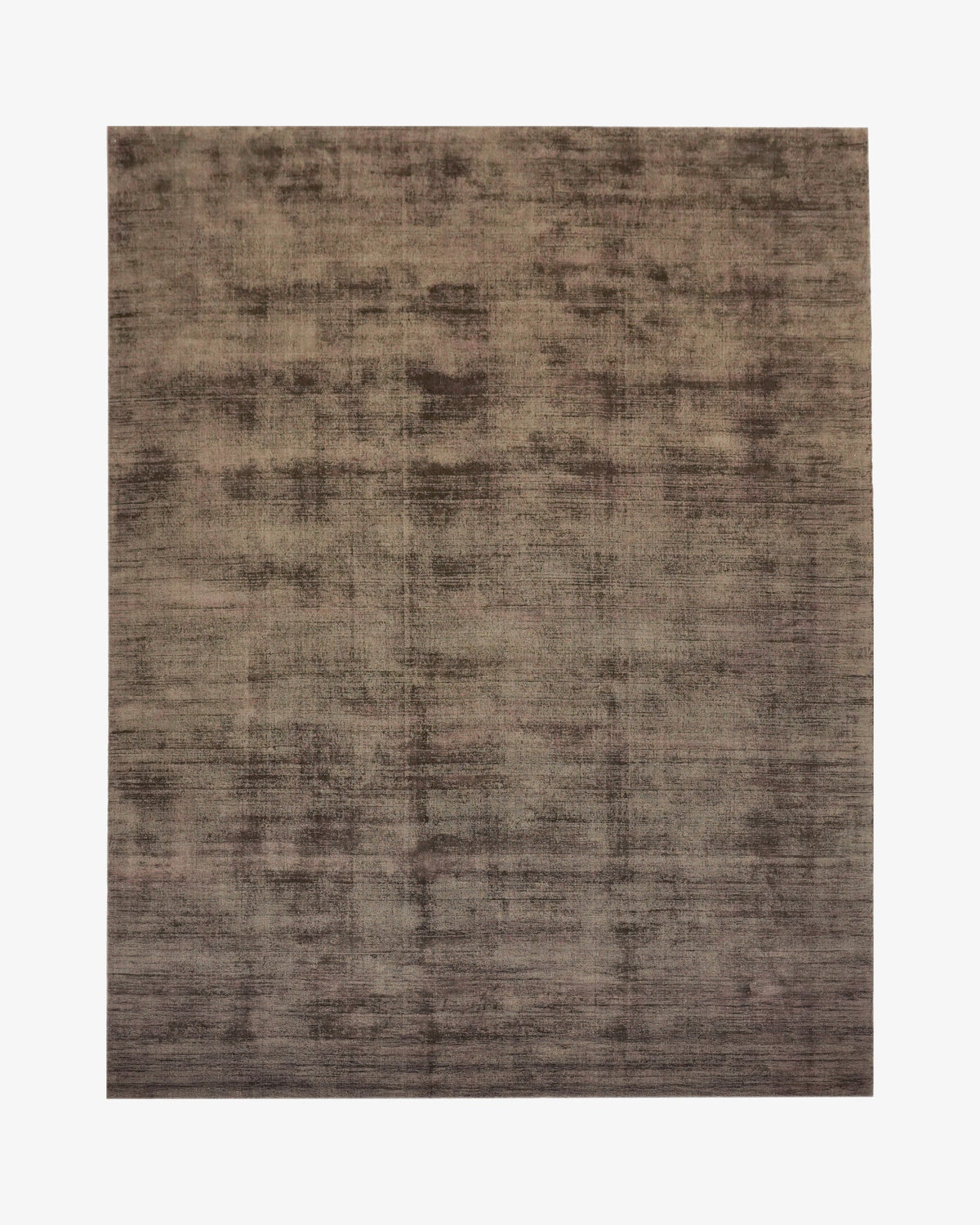
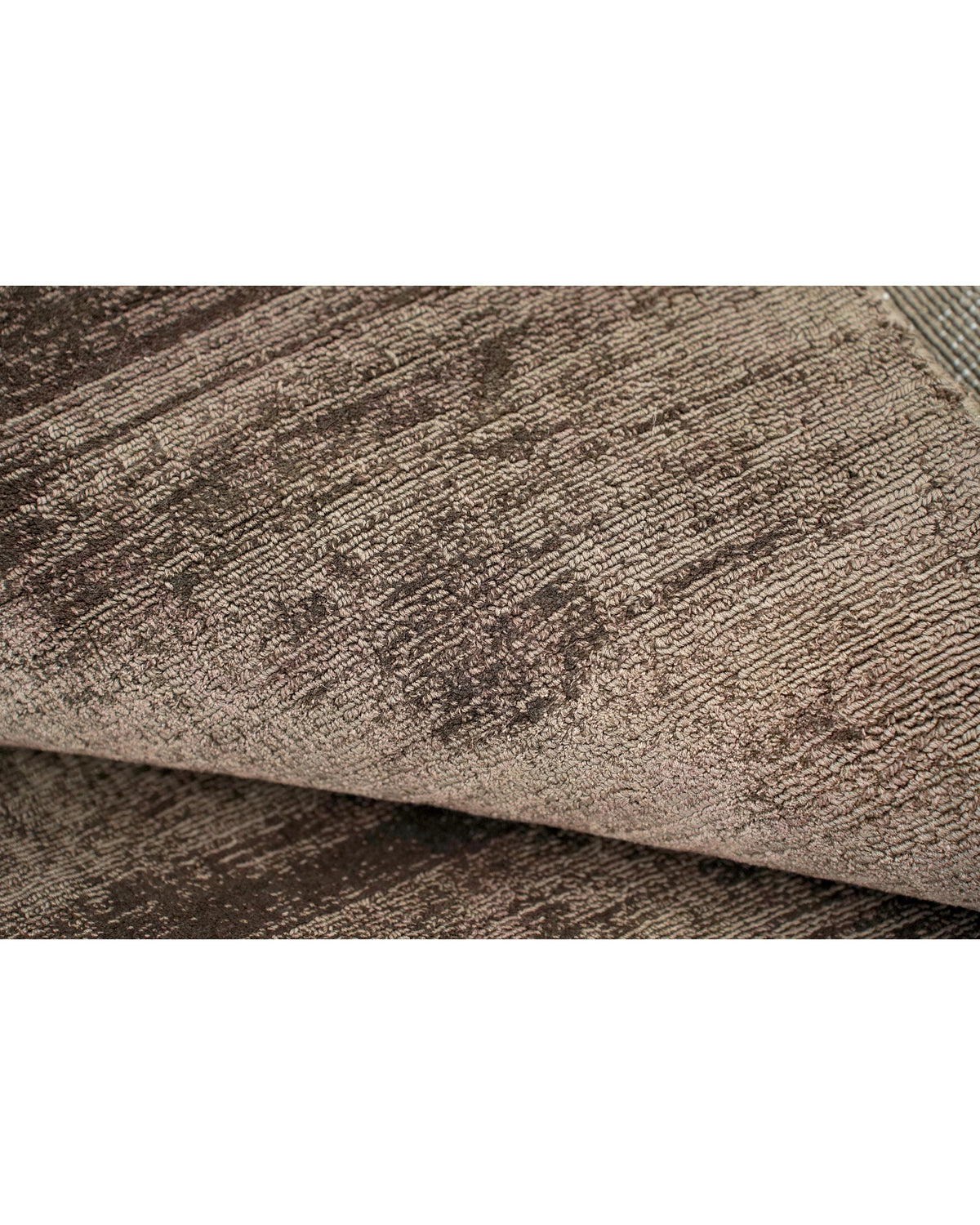
- Botanical Silk shows footprints and furniture pressure as light and dark shading, which is a property of the fibre's sheen rather than a defect.
- A rug that blends New Zealand wool with Botanical Silk, such as Rugberry's Cabella or Insignia, wears better than pure Botanical Silk because the wool carries most of the traffic.
What is Botanical Silk?
Botanical Silk is a fibre made from plant material and spun into a smooth, lustrous yarn with a silk-like sheen. It is not real silk, which comes from silkworms, and it behaves differently from both silk and wool.


Rugberry uses it in two ways: alone, in handloom rugs such as the Luma and Nuva at 10 mm, and with New Zealand wool, in rugs such as the Cabella, Insignia and Livid, where the Botanical Silk picks out a pattern or lifts the surface with a low sheen.
Rugberry always names it Botanical Silk and never calls it silk. The guides to silk vs Botanical Silk and wool vs Botanical Silk compare the fibres in detail.
How well does Botanical Silk stand up to foot traffic?
Botanical Silk stands up to moderate foot traffic, such as a living room used in the evenings or a bedroom, but it wears faster than wool in heavy traffic. The fibre is smooth and has less spring than wool, so a well worn path flattens and changes in sheen sooner.


The most visible effect is shading. Pressing the pile one way makes it look lighter or darker, so footprints, a vacuum's path and the place where a chair stood all show as patches of light and dark. This is part of the fibre's character, and it eases when the pile is brushed back.
Furniture legs leave deeper marks in Botanical Silk than in wool. Use cups under heavy legs, move furniture a few centimetres every few months, and avoid placing a pure Botanical Silk rug where a dining chair is pulled back and forth every day.
Botanical Silk is a fibre for quiet rooms. Give it calm, and it gives back light.
What happens when Botanical Silk gets wet?
Water is Botanical Silk's main weakness: plant-based fibres of this kind lose strength when wet, can mark or change texture where water dries, and should never be soaked. That is why Rugberry's care note for these rugs says vacuum regularly, professional cleaning only.
Blot any spill at once with a dry white cloth, pressing rather than rubbing, from the edge inward. Do not pour water on the stain, do not use a home rug shampoo and do not hang the rug to dry in the sun. For anything beyond a small blot, call a professional rug cleaner who knows plant-based fibres.
In an Indian home this matters most in three places: next to a dining table, near a balcony door in monsoon, and on floors that are mopped and walked on while still wet. Keep pure Botanical Silk rugs away from all three.
Is a wool and Botanical Silk blend more durable?
Yes. A rug that blends New Zealand wool with Botanical Silk is more durable than pure Botanical Silk, because the wool carries most of the wear and springs back, while the Botanical Silk adds sheen and pattern.


The Cabella Wool & Silk Rug in Frost is hand tufted in New Zealand wool and Botanical Silk at 14 to 16 mm, with a low sheen that lifts as the light moves. Its regular price is ₹41,000 for 5x8 ft and ₹82,000 for 8x10 ft, ex GST, at the time of writing.
The Insignia Wool & Silk Rug is handloom woven in New Zealand wool and Botanical Silk at 14 to 16 mm, drawn with a single emblematic form at its centre. Its regular price is ₹40,000 for 5x8 ft and ₹80,000 for 8x10 ft, ex GST, at the time of writing.
The Livid Wool & Silk Rug shows the blend at its most practical: hand tufted New Zealand wool at 14 to 16 mm, clouded in tone, with the Botanical Silk breaking through in streaks. Because the pattern is already varied, light and dark shading from footsteps hardly shows. Its regular price is ₹40,000 for 5x8 ft and ₹79,000 for 8x10 ft, ex GST, at the time of writing.
As a rule, the more wool in the face of the rug, the more traffic it will take. Ask how the fibres are distributed when comparing blends, not only which fibres are present.
How does Botanical Silk compare with wool and real silk?
Botanical Silk sits between wool and real silk: more sheen than wool, more delicate than wool, and less costly than real silk. The table compares the four fibre choices in Rugberry's India range.
| Fibre | Rugberry example | Traffic | Water | Sheen | Best room |
|---|---|---|---|---|---|
| Botanical Silk | Luma, Nuva (handloom, 10 mm) | Moderate | Keep dry, professional cleaning only | High, shifts with light | Calm living rooms, bedrooms |
| Wool and Botanical Silk | Cabella, Insignia, Livid | Good | Keep dry, professional cleaning | Low to medium | Family living rooms |
| New Zealand wool | Grain, Plush, Arctic | Very good | Copes with humidity, keep dry | Matte to soft | Any room, including busy ones |
| Silk (real) | Couture (hand knotted) | Moderate | Specialist cleaning | Deep, fine | Formal rooms, low traffic |
The verdict: for a busy family living room choose a wool and Botanical Silk blend over pure Botanical Silk, because the wool takes the wear; choose pure Botanical Silk where its sheen will be seen more than walked on.
Where should a Botanical Silk rug go, and where should it not?
A pure Botanical Silk rug belongs in a formal living room, a bedroom, a study or a dressing area, where people walk on it gently and often barefoot. It does not belong in an entrance, under a dining table, beside a kitchen or on a balcony.

The Luma Silk Rug in Charcoal is handloom woven in Botanical Silk at 10 mm, cool underfoot, with a regular price of ₹40,000 for 5x8 ft and ₹79,000 for 8x10 ft, ex GST, at the time of writing. A deep charcoal hides pressure shading better than a pale grey, which makes it a practical choice for a sitting room.
The Nuva Silk Rug in Chocolate, also handloom Botanical Silk at 10 mm, at the same regular prices, suits a bedroom where its sheen catches lamp light at night. Both are in Rugberry's silk and Botanical Silk rugs collection.
How do you care for a Botanical Silk rug in an Indian home?
Care for a Botanical Silk rug by vacuuming gently, blotting spills at once, keeping it dry and sending it to a professional cleaner. Most of the care is about avoiding water and grit.


- Vacuum gently, with suction only and no beater bar, along the direction of the pile.
- Brush shading back with a soft clothes brush in one direction when footprints show.
- Blot, never rub, and never pour water on a stain.
- Rotate every six months so traffic and light spread evenly.
- Keep it off wet floors, especially in monsoon, and use a rug pad on marble or tile.
- Clean professionally with a cleaner who works with plant-based fibres.
Rugberry's guide to lighting and sheen explains how to place a sheen rug so its light and dark play works for the room rather than against it.
How can you tell whether a rug's silk is real or plant-based?
The surest way is to ask the seller for the fibre in writing. Real silk and plant-derived fibres with a silk-like sheen can look alike in a photograph, and only the label, the price and a close look tell them apart.
- The label. A real silk rug names silk; a plant-based fibre should be named as such. Rugberry lists Botanical Silk by name, and the one real silk rug in the India range, the hand knotted Couture, is described as silk.
- The price. Real silk is costly, so a large, low priced rug described as silk deserves a question.
- The feel. Plant-based fibres feel cool, smooth and slightly slippery, and show strong light and dark shading when brushed. Real silk feels finer and warms quickly in the hand.
- The behaviour with water. Plant-based fibres mark easily when wet, which is why a seller should give clear care instructions.
Avoid home tests that involve burning a thread; they are unsafe indoors and easy to misread. A written description and a swatch, which Rugberry offers for ₹800 credited against the rug order, are better evidence.
Knowing which fibre you have is what makes care easy. A plant-based fibre treated like wool, or real silk treated like a synthetic, is where most damage starts.
Frequently asked questions
Is Botanical Silk real silk?
No. Botanical Silk is a plant-derived fibre with a silk-like sheen. Real silk is an animal fibre from silkworms, and Rugberry lists Botanical Silk by name in each rug's material details.
Does a Botanical Silk rug shed?
A new cut pile rug of any fibre can release some loose fibre in its first weeks. Gentle vacuuming with suction only clears it, and it slows as the rug settles.
Why does my Botanical Silk rug look patchy?
Pressing the pile in different directions makes it reflect light differently, so footprints and furniture marks show as lighter and darker patches. This is shading, not damage, and brushing the pile in one direction evens it out.
Can a Botanical Silk rug go in a home with children and pets?
A wool and Botanical Silk blend is the better choice for homes with young children or pets, because wool copes better with spills and wear. Keep pure Botanical Silk for rooms where spills and claws are unlikely.
How long does a Botanical Silk rug last?
In a calm living room or bedroom with gentle use, kept dry and cleaned professionally, a Botanical Silk rug lasts many years. In heavy traffic or damp rooms it wears much faster, which is why placement matters more than for wool.
Botanical Silk is chosen for light, not for hard wear. Put it where light falls and feet rest, and it keeps its sheen for years.




Leave a comment
This site is protected by hCaptcha and the hCaptcha Privacy Policy and Terms of Service apply.