

Why Handmade Rugs Have Small Irregularities
A handmade rug has small irregularities because people, not machines, set every knot, row and edge. Slight variation in width, line and tone is expected, while loose edges, holes and wrong sizes are faults.
In short
- Small irregularities in a handmade rug, such as a slightly uneven edge or gentle shifts of tone, are expected results of hand work.
- A handmade rug can measure a little more or less than its listed size, and its sides may not be perfectly parallel.
- Jute rugs show more natural variation in colour and thickness than wool, because jute is a plant fibre spun with its own irregularity.
- Holes, loose or unravelling edges, bald patches and a size far from the order are genuine faults and should be raised with the seller.
Knowing the difference lets you judge a delivery fairly. You keep the character you paid for and still catch what genuinely needs fixing.
What irregularities are normal in a handmade rug?
Normal irregularities are small and even across the rug: slight waves along a side, a line that drifts a little, gentle shifts of shade and small variations in size. They do not affect how the rug wears.


- Edges that are not ruler straight. The sides can bow slightly where the tension on the loom varied.
- Small differences in size. A handmade rug can be a little over or under its stated size.
- Shifts of tone. Bands of slightly different shade, known as abrash, come from yarn dyed or spun in different batches.
- Uneven texture in plant fibres. Thicker and thinner strands in jute are part of the material.
Why is a handmade rug not perfectly straight?
A handmade rug is not perfectly straight because it is built by hand on a loom or frame over many days, and tension, humidity and the weaver's rhythm all shift a little as work goes on. A machine holds all three constant. A person cannot, and should not try to.


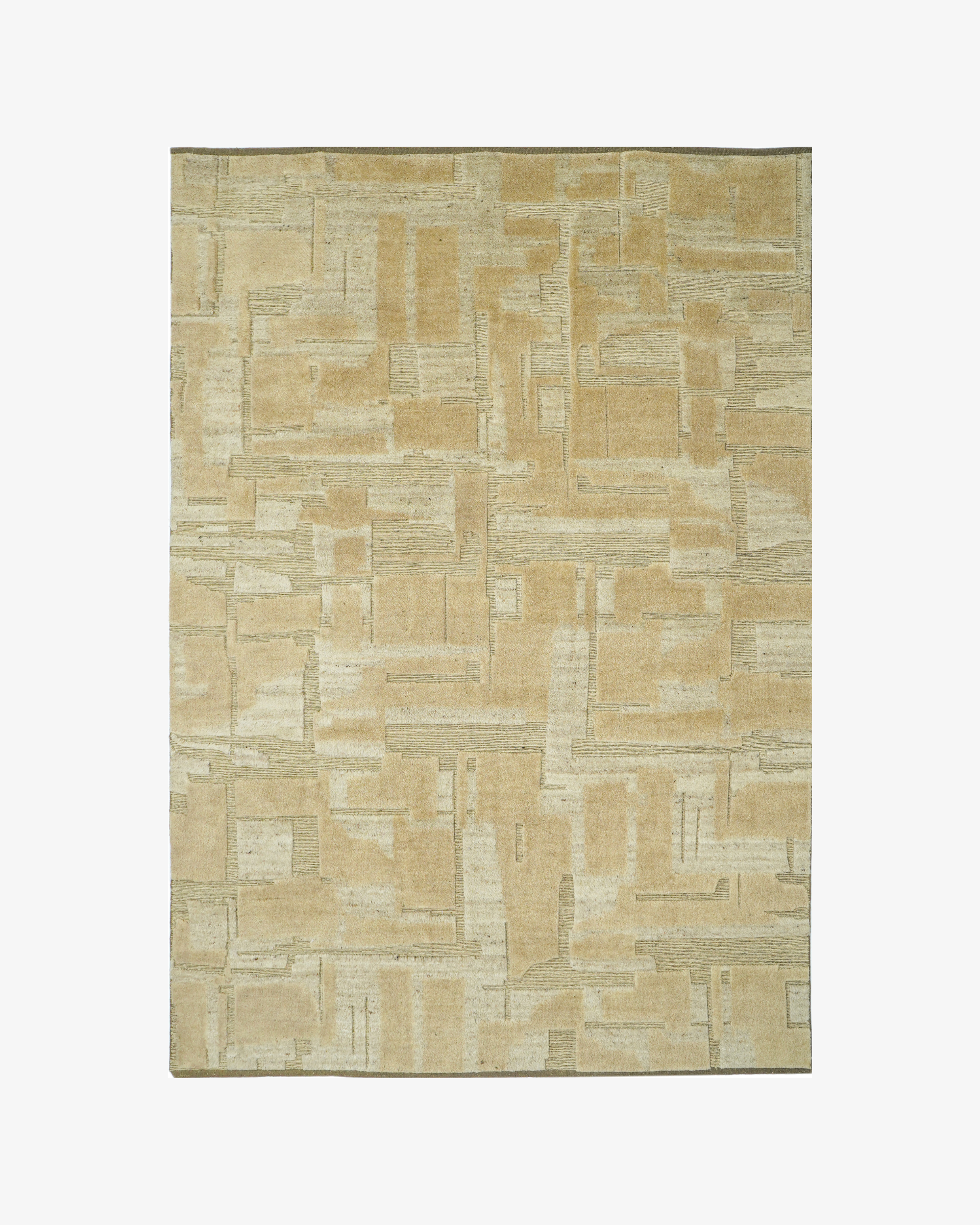
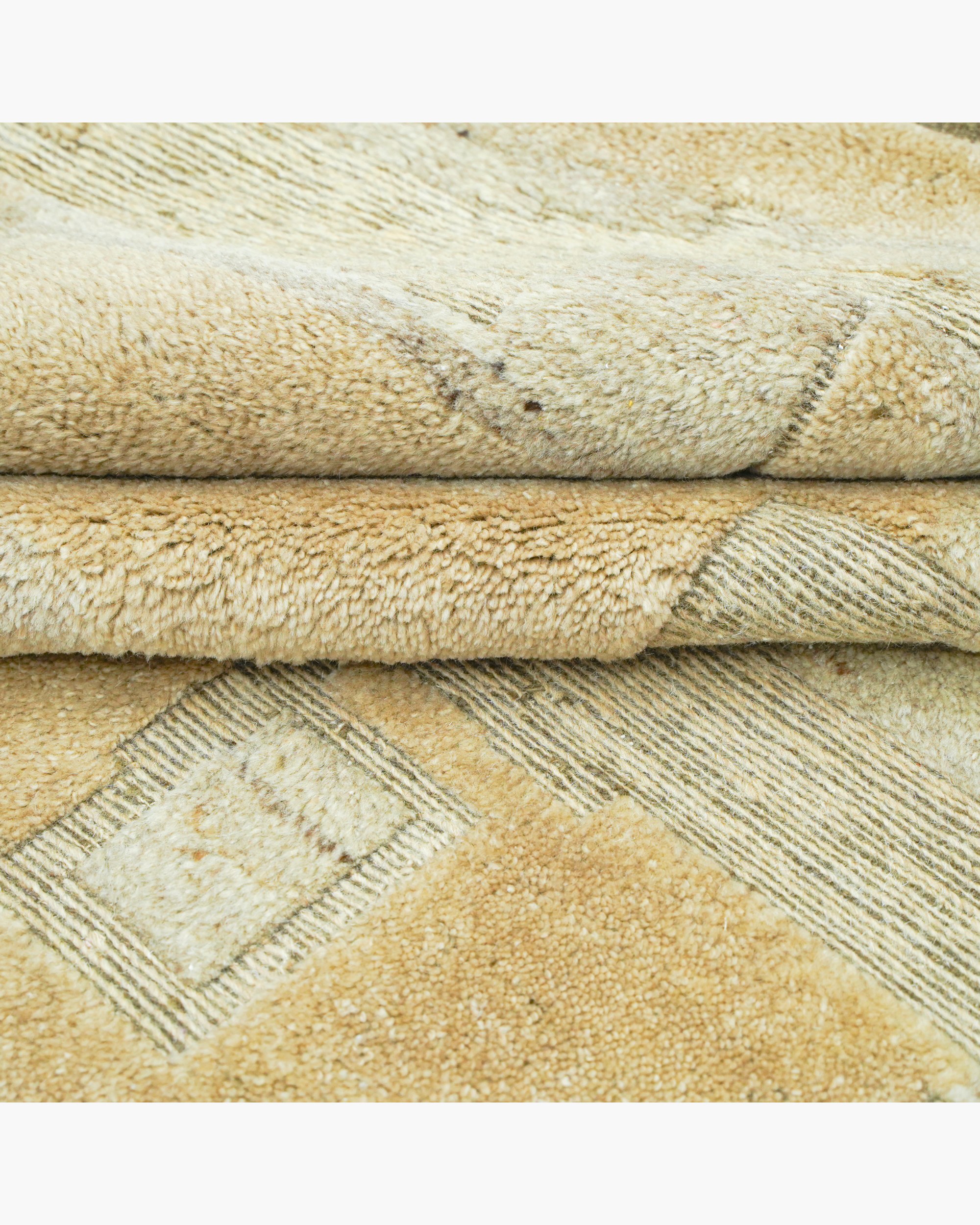
On a hand-knotted rug such as the Stratum Knotted Rug in Dune, about ₹1.75 lakh in 9x12 ft, each row of knots is beaten down by hand. A slightly harder or softer beat changes the row's height by a fraction, and over hundreds of rows that adds up. Our guide to hand-knotted rugs covers why buyers value that.
Small variation is a record of the hand. A hole or a loose edge is a fault. Learn to tell the two apart.
How does jute show natural variation?
Jute shows variation in colour, thickness and texture, more than wool does, because the fibre itself varies from plant to plant. That irregularity is part of what makes a jute rug look the way it does.


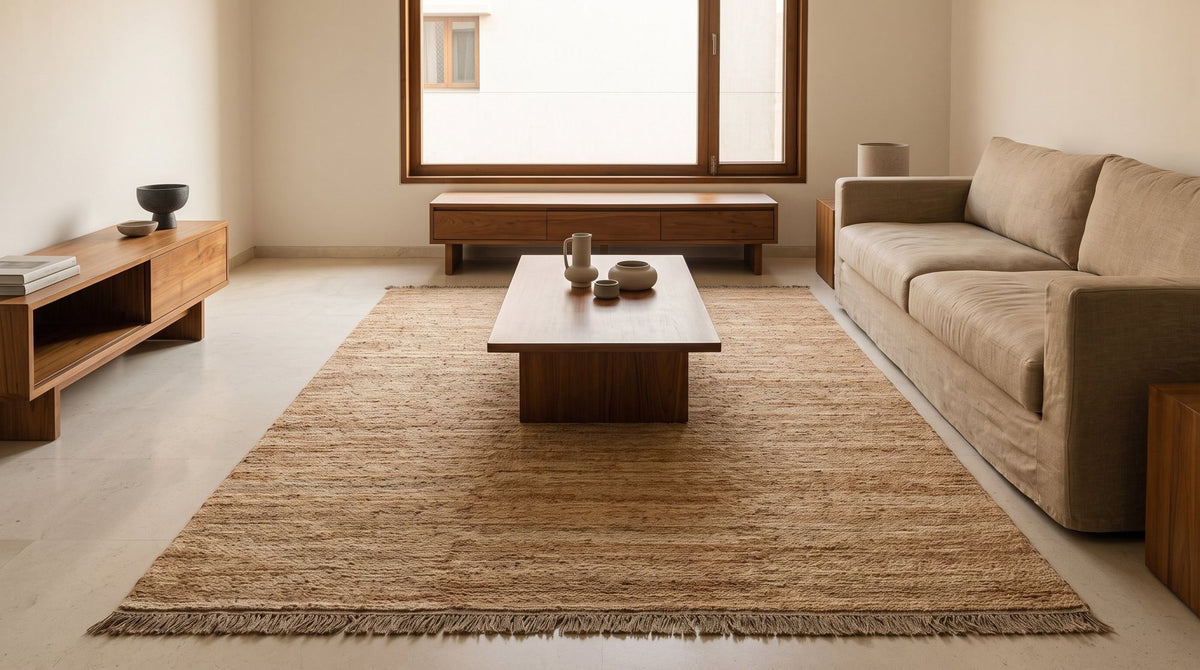
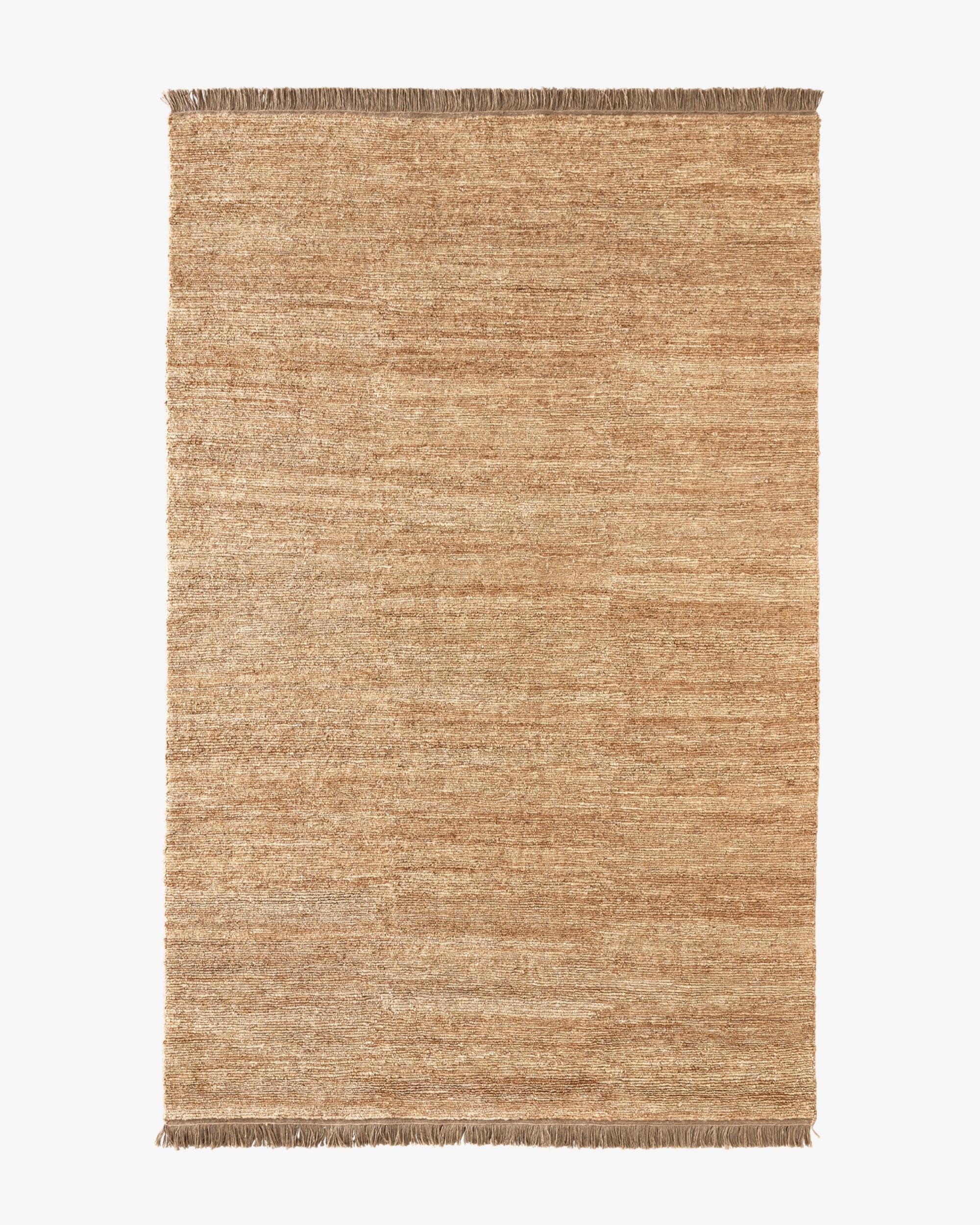
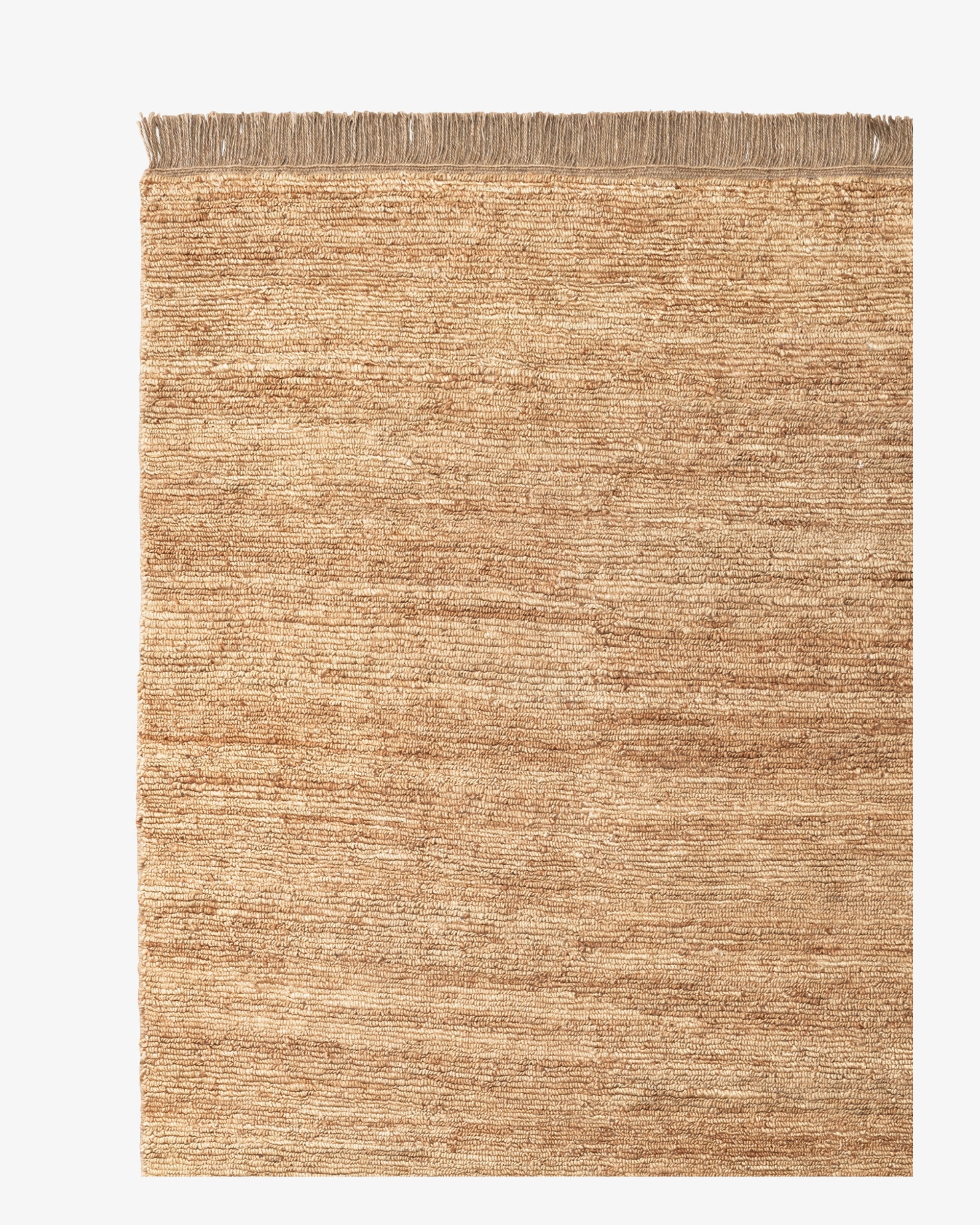
The Rugberry Savannah Jute Rug in Natural is hand-knotted in jute, firm and textured, from about ₹41,000. Its surface carries the natural irregularity of the fibre, so one patch may look a touch golden and the next a touch grey. The Rugberry Masai Jute Rug, handwoven in jute from about ₹28,000, shows the same character in a woven form.
Jute also reacts to light and moisture. In a sunny Delhi room it can soften in tone over time, and in monsoon damp it can darken. Read more in what a jute rug is.
What counts as a genuine fault?
A genuine fault affects how the rug holds together or how it was ordered. Treat it seriously, however small it looks.
| What you see | Expected variation or fault |
|---|---|
| Sides bow gently | Expected |
| Soft bands of slightly different shade | Expected |
| Ripples at the corners after unrolling | Expected, usually settles |
| A hole, cut or bald patch where the base shows | Fault |
| Binding or edge coming loose, threads unravelling | Fault |
| Size clearly different from what you ordered | Fault |
| Wrong colour or design from the one approved | Fault |
| Strong chemical smell that does not fade after airing | Worth raising |
For a family home, judge a rug on the faults column, not the first. A slightly wavy edge will never matter in daily use, while a loose binding will get worse.
How do you check a new rug fairly?
Check a new rug flat, dry and in daylight, before the furniture goes on. Give it a day or two to relax first if it arrived rolled.

- Unroll it on a clean floor. Let it lie for a day. Corners lift after rolling and most settle on their own.
- Measure both length and width at two points each, and compare with the order.
- Walk round the edges. Run a hand along the binding or selvedge on all four sides.
- Turn a corner over. The back confirms the construction. See reading the back of a rug.
- Stand back. Look along the rug toward a window. Gentle shading is pile direction or abrash, not a defect.
What should you do if something looks wrong?
If something looks wrong, photograph it in daylight with a measuring tape in the shot, and contact Rugberry before using the rug further. Clear photographs make the conversation quick and fair.

Do not trim, glue or wash a suspected fault yourself, since that can make it harder to assess. If you are unsure whether something is expected, ask. A real fault deserves attention, and an honest question about variation is always welcome. To compare the jute range side by side, browse natural jute rugs.
Frequently asked questions
Is it normal for a handmade rug to be slightly off size?
Yes. A handmade rug can be a little over or under its listed size because it is built by hand under changing tension. A large difference from the size you ordered is a different matter and should be raised.
Why does my jute rug have darker and lighter patches?
Jute is a plant fibre that varies in colour from strand to strand, so a jute rug shows soft patches of tone. This is natural irregularity of the fibre, not a stain or a fault.
Are uneven edges a sign of a poor quality rug?
A gentle bow along the edge is common in a handmade rug and does not affect its life. Edges that are loose, fraying or unravelling are a real fault and are worth reporting.
Look for the hand, and check for the fault. Material first.



Leave a comment
This site is protected by hCaptcha and the hCaptcha Privacy Policy and Terms of Service apply.