



Rara Grade and Rugberry Reserve
Rara is Grade III of Rugberry's fibre system and holds the four rarest fibres it works with: mohair, alpaca, cashmere and llama. They are offered only in Rugberry Reserve, the halo line, where every piece is made to measure and priced on request.
In short
- Rara, Grade III, is Rugberry's grade for the rarest natural fibres: mohair, alpaca, cashmere and llama.
- Rugberry Reserve is the halo line of Rugberry, the only place Rara fibres are offered, with every piece made to measure and prices on request.
- Each Rara fibre has its own character: mohair for lustre, alpaca for silky warmth, cashmere for softness and llama for strength.
- Rugberry's Cashmere Blend Rug, handloom wool and cashmere from ₹43,200 for 5x8 ft ex GST at the time of writing, brings a measure of that fineness into a rug listed in six sizes.
What is Rara?
Rara is the name Rugberry gives to its third grade, the fibres prized above all for rarity: mohair, alpaca, cashmere and llama. Each comes from an animal that yields little fibre, or fibre that must be sorted by hand, which is why they are scarce.
The other two grades are Terra, for strength and everyday living, and Fina, for softness and fine hand. Read the three grades explained for the whole system, or the deep dives on Terra and Fina.
Rara fibres are not simply softer versions of wool. Each behaves differently on a floor, so choosing one is a decision about light, warmth and how the room is lived in, as much as about luxury.
What does each Rara fibre bring to a rug?
Mohair brings lustre and resilience, alpaca brings silky warmth, cashmere brings the softest hand of all and llama brings the most strength. Together they cover every reason to choose a rare fibre.


| Rara fibre | From | What it brings | What to watch | Ideal room |
|---|---|---|---|---|
| Mohair | Angora goat | High lustre, strong and springy fibre, takes dye brightly | Shine shows tracks in very busy paths | Formal living room, drawing room |
| Alpaca | Alpaca | Silky, very warm, light for its weight, natural colours | Prefers gentle traffic | Bedroom, sitting room |
| Cashmere | Undercoat of the cashmere goat | The softest, finest hand | Delicate alone, often blended for floors | Master bedroom, dressing room |
| Llama | Llama | Warmth with strength, dry smooth hand, natural colours | More textured than alpaca | Family room, study, hill home |
The verdict: for a Reserve rug in a room that is used every day, choose llama or mohair over pure cashmere, because they carry wear far better. Keep cashmere for the rooms you walk in barefoot.
For more on single fibres, read our guides to mohair, alpaca and llama.
Mohair, the lustre fibre
Mohair comes from the Angora goat and is one of the most lustrous animal fibres. In a rug it gives a bright, silky shine with real spring, and it takes dye with unusual clarity.
Alpaca, the warm fibre
Alpaca is fine, silky and very warm for its weight, and grows in a wide range of natural shades. It suits bedrooms and sitting rooms where comfort leads.
Cashmere, the soft fibre
Cashmere is the fine undercoat of the cashmere goat, combed or sorted from the coarser outer hair. It is the softest fibre Rugberry works with, and on a floor it is often blended with wool for strength.
Llama, the strong fibre
Llama is the hardiest of the four, warm and dry in the hand, with a natural palette of browns, greys and fawns. It is the Rara fibre for rooms that are lived in every day.
Why is Rara offered only in Rugberry Reserve?
Rara is offered only in Rugberry Reserve because rare fibres deserve a rug made for one room, not a rug made for stock. Reserve pieces are made to measure in any size and colour, with prices on request, so the fibre, design and room are chosen together.
Rugberry is one house with four lines: the Studio Collection held in stock, Rugberry Custom, Rugberry Reserve and Collaborations. Reserve is the halo line, the place where the brand's idea of material first is taken furthest.
Holding cashmere or alpaca rugs in stock in six sizes would mean guessing which room they will go into. Making each piece to measure lets the fibre be used where it works best, in the right density, surface and colour.
How is a Rugberry Reserve rug made?
A Rugberry Reserve rug is made in four stages: a conversation about the room, a choice of fibre and colour, a design and construction suited to that fibre, and a sample approval before the rug is made by hand. Every stage is agreed with the client.

- The room: size, floor, light, who uses the room and how. A rug for a dressing room and one for a family room will use different fibres.
- The fibre: mohair, alpaca, cashmere or llama, alone or blended, in natural tones or dyed to a palette.
- The design and construction: a Rugberry design or the client's own, made in the construction that suits the fibre, such as handloom or hand knotted.
- The sample: a piece of the real fibre and colour, seen in the client's own light, before anything is made.
Because each Reserve piece is made for a single room, it is worth giving the team more than a size: a floor plan with the furniture drawn in, a photo of the floor in daylight, and the fabrics and timbers that will sit beside the rug. The more the team knows about the room, the better the fibre and surface can be matched to it.
For designers, the process sits within the Rugberry trade programme. Read rugs for interior designers in India for how specification and samples work.
A rare fibre should be chosen for one room, by the people who will live in it.
How should you judge a rare fibre rug before you buy?
Judge a rare fibre rug on four things: the fibre named in full with its share in any blend, the density of the surface, the evenness of the colour and the feel of a real sample in your own room. A rare fibre poorly made is worth less than a common fibre made well.
- Named fibre and blend: "cashmere" and "wool and cashmere blend" are different rugs. Ask what the blend is.
- Density: fold a corner of the sample. A dense surface opens slowly and shows little backing; a loose one gapes.
- Colour: natural fibres vary, and gentle abrash is a mark of the fibre. Harsh stripes are not.
- Feel in place: stand on the sample barefoot on your own floor, in daylight and lamplight.
Rugberry's provenance card makes the first step simple, because every rug names fibre, grade, origin, character, construction, technique, how it was made and its care. Read the rug provenance card for how to use those eight facts.
What about price?
Rare fibre rugs cost more because the fibre is scarce, is often sorted by hand and is made into a denser surface. Reserve pieces are quoted per project, so the price reflects the fibre, the size and the construction chosen for that room.
A fair way to compare is cost per year of use. A Reserve rug in a master bedroom may well outlast the furniture around it, which changes the sum. Our guide to why handmade rugs cost more explains the wider picture.
Where does a Rara rug belong in an Indian home?
A Rara rug belongs where it will be seen and touched: the master bedroom, a formal drawing room, a private study or a dressing room. In Indian homes these are often the rooms furnished last and kept longest.

- Master bedroom on marble: cashmere or alpaca for a warm, soft step out of bed in an AC room.
- Formal drawing room: mohair for its lustre against stone and wood in a quiet interior.
- Hill homes: llama or alpaca for warmth on winter floors.
- Second homes: a Reserve rug in natural, undyed fibre ages slowly and needs little more than gentle vacuuming.
Natural, undyed colour is often the right choice for a Rara rug in an Indian home. The browns, greys and creams of alpaca and llama sit with teak, cane, lime plaster and handloom textiles, and a natural fibre colour cannot fade unevenly in a sunny room the way a strong dye can.
Where colour is wanted, mohair is the fibre to choose, because it takes dye brightly and holds it with a clear, lustrous finish. A single deep tone in mohair can anchor a drawing room on its own.
Rara fibres are animal fibres, so in monsoon cities keep the room ventilated and the rug away from damp. Care is gentle vacuuming without a beater bar and professional cleaning only.
What if you want rare fibre in a rug held in stock?
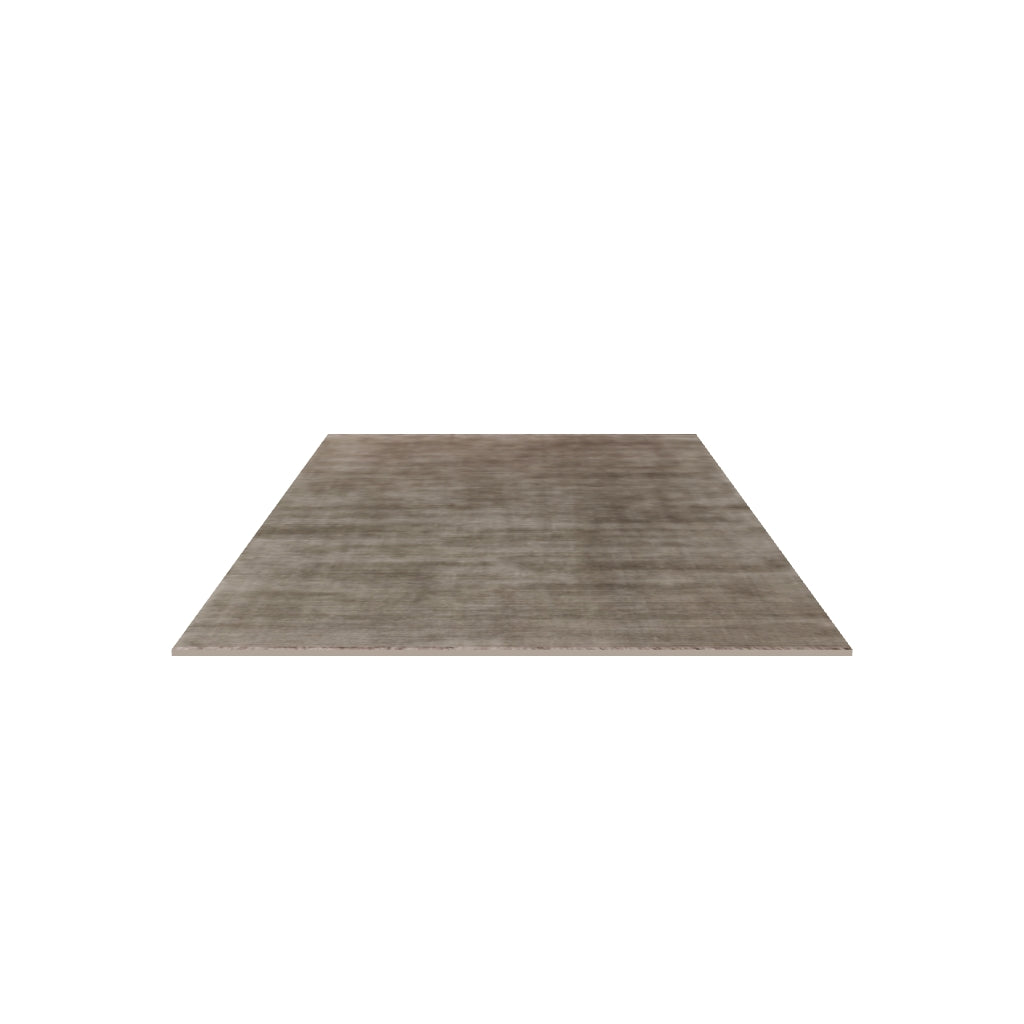
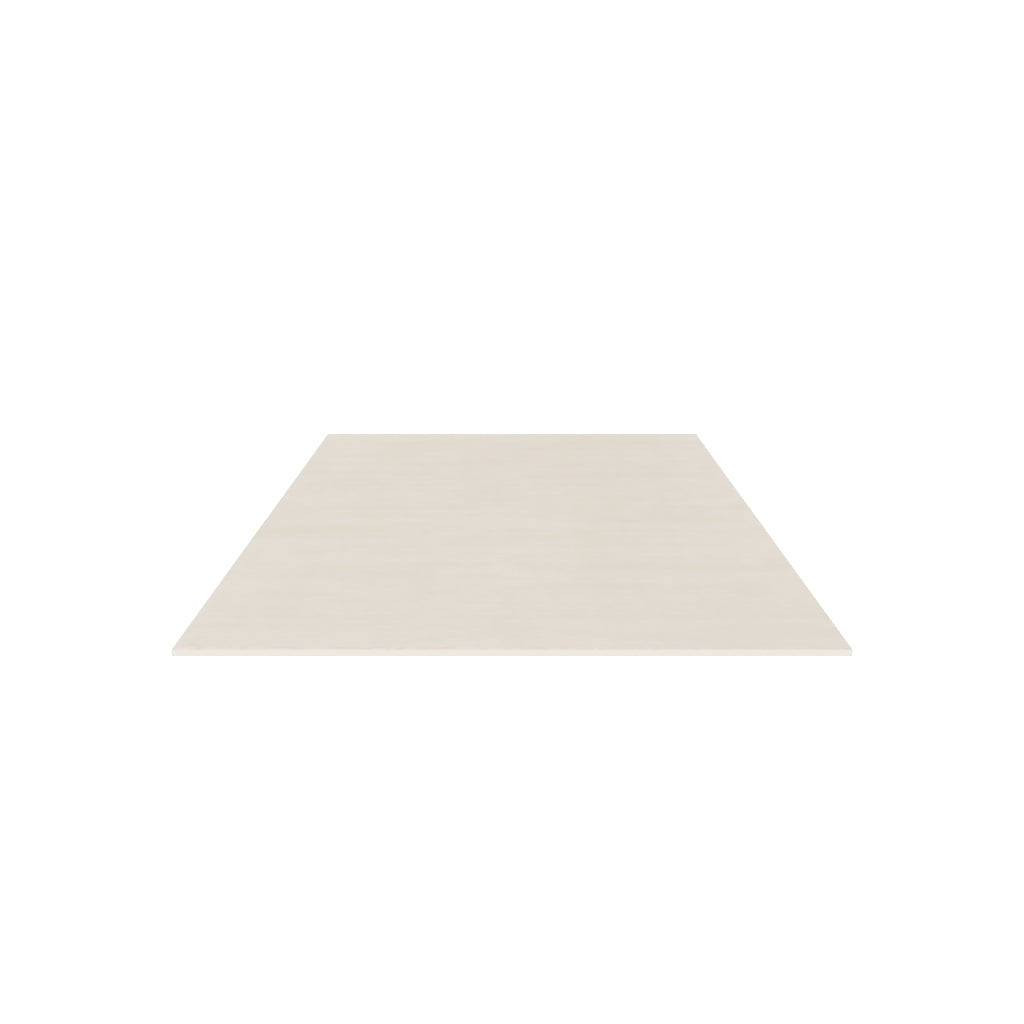
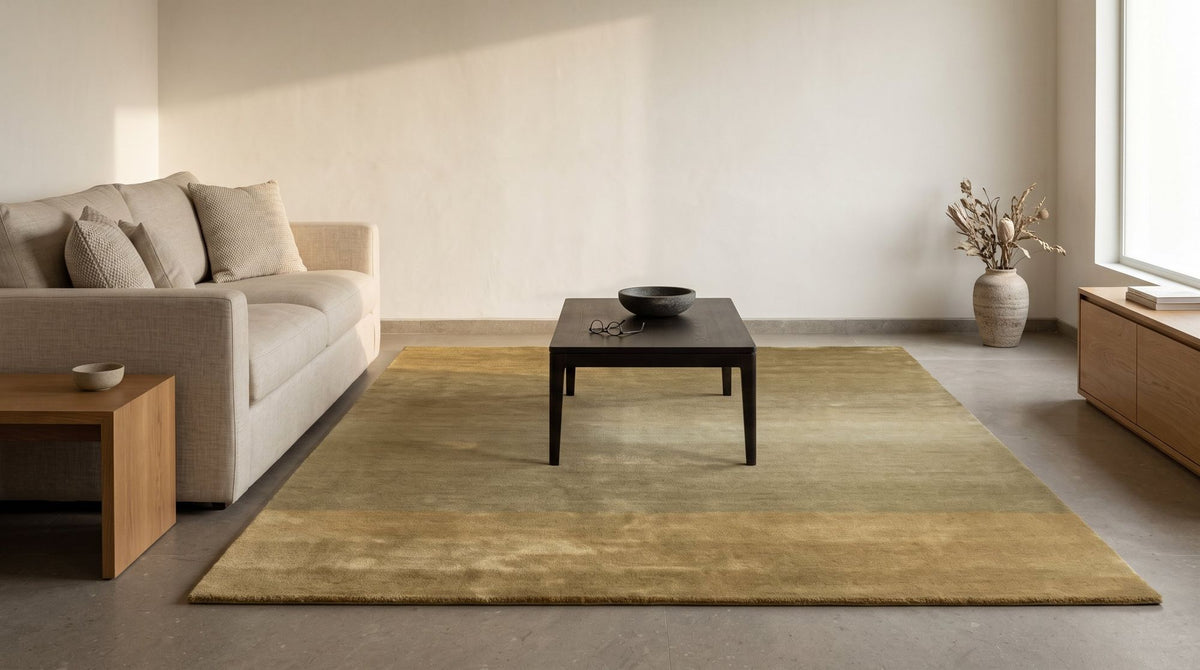
If you want rare fibre in a rug held in stock, the Rugberry Cashmere Blend Rug is the answer: handloom woven in a wool and cashmere blend, 16 mm, fine, dense and very soft. The wool gives it strength for a floor; the cashmere gives it a finer hand.


The Cashmere Blend Rug in Taupe and the Cashmere Blend Rug in Natural are listed in six sizes, from 5x8 ft to 12x15 ft, from ₹43,200 for 5x8 ft ex GST at the time of writing. Any size and colour can also be made to measure.
See the full range in the Cashmere collection, and read our story on the Cashmere collection and our guide to rugs above 1 lakh for where Reserve sits among investment pieces.
Frequently asked questions
What is Rugberry Reserve?
Rugberry Reserve is the halo line of Rugberry, made in the rarest natural fibres: mohair, alpaca, cashmere and llama. Every Reserve piece is made to measure, with prices on request.
Which fibres are in the Rara grade?
The Rara grade, Grade III, holds four fibres: mohair, alpaca, cashmere and llama. Rugberry offers them only in Rugberry Reserve.
How much does a Rugberry Reserve rug cost?
Rugberry Reserve rugs are priced on request, because each is made to measure in a chosen fibre, size, design and colour. The Rugberry team quotes once the room and fibre are agreed.
Is the Cashmere Blend Rug part of Rugberry Reserve?
No. The Cashmere Blend Rug is a handloom wool and cashmere rug from the Rugberry Studio Collection, listed in six sizes. Reserve pieces are made to measure in the Rara fibres.
Which Rara fibre is best for a floor?
Llama and mohair are the most robust Rara fibres for a floor, because their fibres are strong and resilient. Cashmere is the softest and suits low traffic rooms, often blended with wool.
The rarest fibres, made for one room at a time. Material first.




Leave a comment
This site is protected by hCaptcha and the hCaptcha Privacy Policy and Terms of Service apply.