




A Rug With a Diwan or Takht
Put the rug under a takht that stands in the middle of a room, with all four legs on it, and put it in front of or along a diwan that stands against a wall. Choose a low, firm pile of about 7 to 14 mm, because heavy low seating rocks or dents on anything deep.
In short
- A takht in the middle of a room should stand fully on its rug, with at least 1 ft of rug showing beyond the frame on every side.
- A diwan against a wall works best with a rug laid along its front, as long as the diwan or slightly longer, so feet land on the rug when people sit up.
- Low Indian seating suits a flat or low pile of about 7 to 14 mm, such as a jute weave or a handloom wool, because a deep pile lets heavy wooden legs sink and tilt.
- Where a diwan or takht doubles as a place to eat, a mid tone wool or wool and jute rug hides chai and turmeric marks better than ivory or plain jute.
Should a rug go under a diwan or in front of it?
A rug goes under a diwan or takht when the piece stands free in the room, and in front of it when the piece stands against a wall. The rule follows how people use the seat: a free standing takht is a platform people climb onto from all sides, while a wall diwan is a sofa they sit on facing forward.

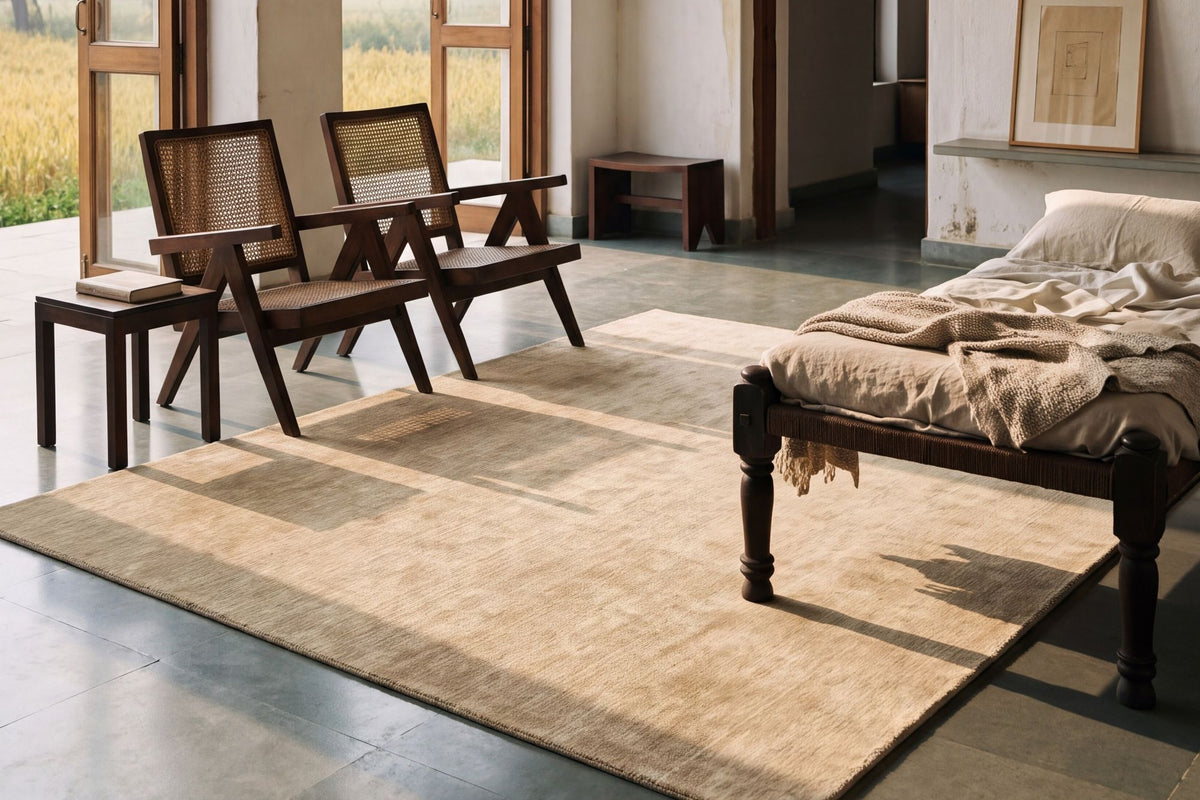
A takht in a verandah, a baithak or the middle of a large living room is the visual centre of the space. If its legs stand half on and half off a rug, the frame looks unsteady and the rug looks like a runner that slid out from under it. Put all four legs on the rug, and the takht and rug read as one raised island.
A diwan against a wall, or a daybed under a window, behaves like a sofa without a back. Here the rug goes along its front edge, so that when someone swings their legs down after an afternoon nap, both feet land on wool rather than cold marble. Our guide to all legs, front legs or floating layouts covers how a diwan fits with a sofa set.
What size rug suits a diwan or takht?
For a takht, the rug should be about 2 ft longer and 2 ft wider than the frame, which leaves roughly 1 ft showing on every side. For a diwan against a wall, the rug should be at least as long as the diwan and about 3 to 5 ft deep, so it reaches past the knees of anyone sitting.

Many diwans are about 6 ft long and 3 ft deep, and many takhts are about 6 ft long and 4 to 6 ft wide, but measure your own piece, because old family furniture rarely matches a catalogue. A 6x3 ft diwan with a 5x8 ft rug laid lengthwise along its front leaves about 1 ft of rug beyond each end, which looks deliberate rather than short.
A square takht of about 6x6 ft, the kind used for family gatherings and pujas, needs an 8x10 ft rug as a minimum and looks better on 9x12 ft. If the takht shares the room with chairs, as it does in many old houses, the larger size lets the chairs keep their front legs on the rug too. Rugberry makes any size to measure, which helps when the takht is an heirloom of unusual proportions, and our guide to made to measure rugs explains how to measure for one.
Why does pile height matter more with low seating?
Pile height matters more with low seating because a diwan or takht is close to the floor and heavy, so its legs press harder into the rug and any tilt is easy to see and feel. A deep pile lets one leg sink further than another, and the whole frame rocks when someone climbs on.


Low seating also changes how people use the rug. Feet rest flat on it for long hours, children sit on the edge of the takht and drag their heels, and floor cushions spill off the frame onto the rug. A low, firm surface takes all of that without matting into a dip in front of the seat.
As a guide, a flatweave or a pile of about 7 to 14 mm suits a diwan or takht best. A deeper pile of 18 to 20 mm, such as the Plush collection, is lovely for floor seating with gaddas, as our guide to floor seating and baithak style explains, but it is the wrong choice under a heavy wooden frame.
| Rug | Construction and fibre | Thickness | Under a takht | In front of a diwan | Where people eat |
|---|---|---|---|---|---|
| Cabra in Sand | Handloom, New Zealand wool and jute | 7 to 8 mm | Very good, flat and firm | Good | Good, mid tone hides marks |
| Kora | Hand woven jute | 10 mm | Good, very firm | Good, textured underfoot | Fair, jute dislikes water |
| Grain in Sandstone or Tan | Handloom New Zealand wool | 12 to 14 mm | Very good | Very good, soft for bare feet | Good, wool releases spills |
| Plush | Handloom New Zealand wool | 18 to 20 mm | Poor, legs sink | Fair | Fair, deep pile holds crumbs |
Verdict: under a heavy takht or diwan, choose a low handloom wool such as Grain, or a wool and jute weave such as Cabra, over a deep pile, because the firm surface keeps the frame level and recovers from the weight.
How do you stop takht legs denting or tearing a rug?
To stop takht legs denting or tearing a rug, spread the weight with wide furniture cups or felt pads, lift the takht instead of dragging it, and shift it a few centimetres every couple of months. Most dents in wool lift again once the weight comes off.
Old takhts often have narrow turned legs or square legs with sharp corners, and a solid sheesham frame with a cotton mattress on it is heavy. Narrow points concentrate that weight, so the pile under each leg is crushed hard. A round felt pad or a shallow wooden cup about 5 cm across under each leg spreads the load and protects the rug's foundation.
Never drag a takht across a rug to clean behind it. The legs catch the pile and the backing, and on a woven rug they can pull a warp loose, so two people lifting it for a minute is safer for the rug and the joints.
If a dent remains after moving the frame, warm it with your palm or a damp cloth and a warm iron held above the cloth, then brush the pile up with your fingers.
A takht is a bed, a seat and a dining table in a single day. The rug under it works all three shifts.
How do bolsters and floor cushions change the layout?
Bolsters and floor cushions change the layout because guests overflow from the diwan onto the floor, so the rug has to reach where the cushions land. Size the rug so that floor cushions placed in front of the diwan sit fully on it, not half on the stone.
On festive days a diwan often becomes the back row of a wider seating group: elders on the diwan, younger family on gaddas and cushions in front. For that, a rug laid along the diwan needs to be deeper than everyday use suggests. A 6x9 ft rug laid with its long side along a 6 ft diwan gives about 6 ft of depth in front, enough for a row of floor cushions and a low tray.
Bolsters on the diwan itself do not touch the rug, but their covers set the colour story. If the bolsters are in a strong block print or a deep madder red, keep the rug calm and tonal, in sand or tan, so the textiles on the diwan carry the colour and the rug carries the texture.
How do you keep a diwan rug clean when people sit and eat there?
To keep a diwan rug clean when people sit and eat there, spread a cotton cloth over the eating area during meals, blot spills straight away, and vacuum the rug and the floor under the diwan every week. A mid tone rug in wool or wool and jute hides the small marks that daily use leaves behind.


In many homes a takht is where chai is served, where children do homework and where the family eats on festival afternoons. Chai, ghee, achaar and haldi are the spills that matter.
Lift solids with a spoon, blot from the edge inward with a dry white cloth, and keep water to a minimum, because a soaked spot spreads into a ring. Turmeric in particular should be blotted, then left for a professional, rather than scrubbed.
The floor under a diwan collects dust fast, because the gap under the frame is hard to reach. Vacuum the rug edge and the gap together each week, and lift the diwan off the rug twice a year to clean underneath. Our guide to the easiest rug fibre to clean compares how wool, jute and blends behave with spills.
Which Rugberry rugs suit a diwan or takht?
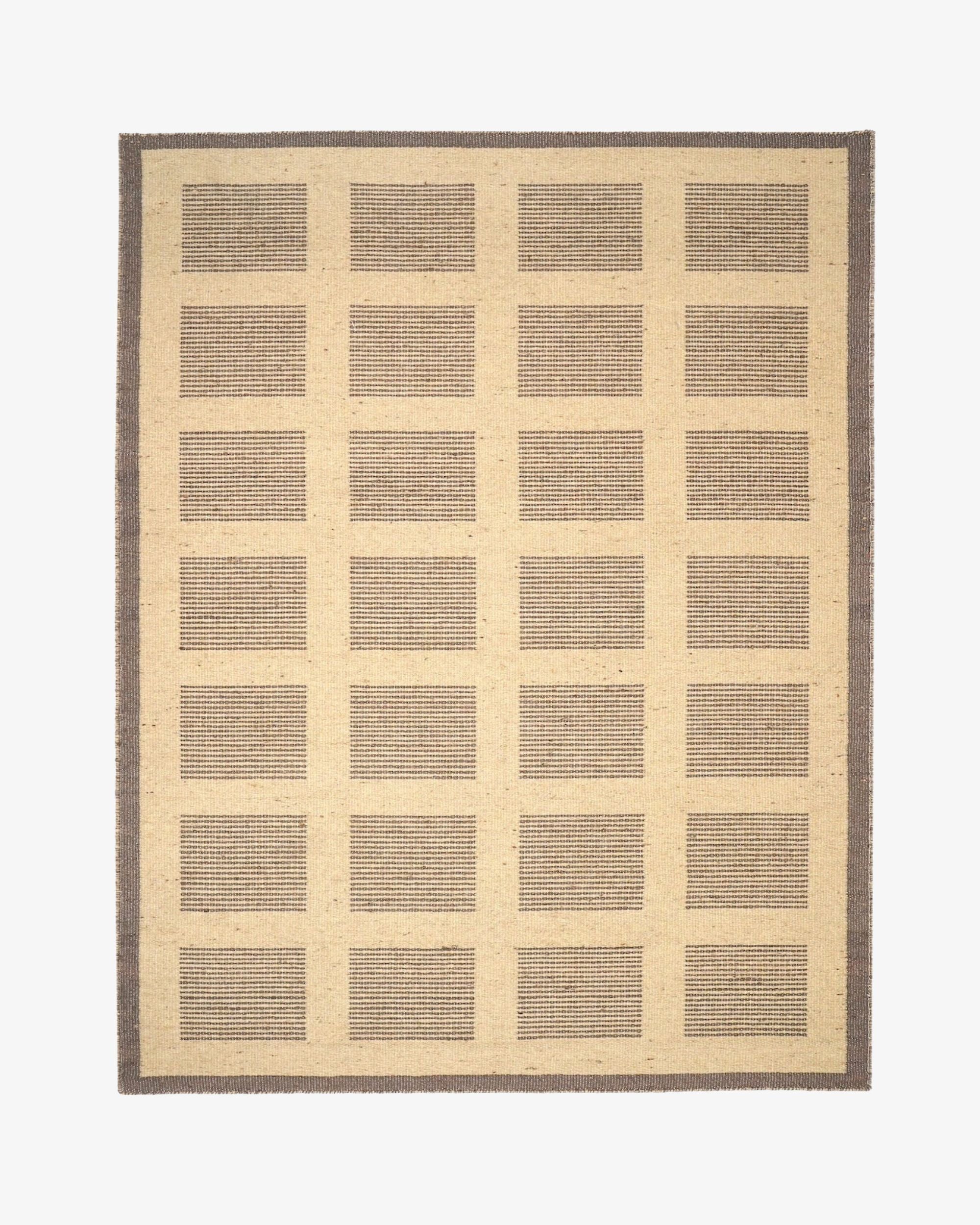
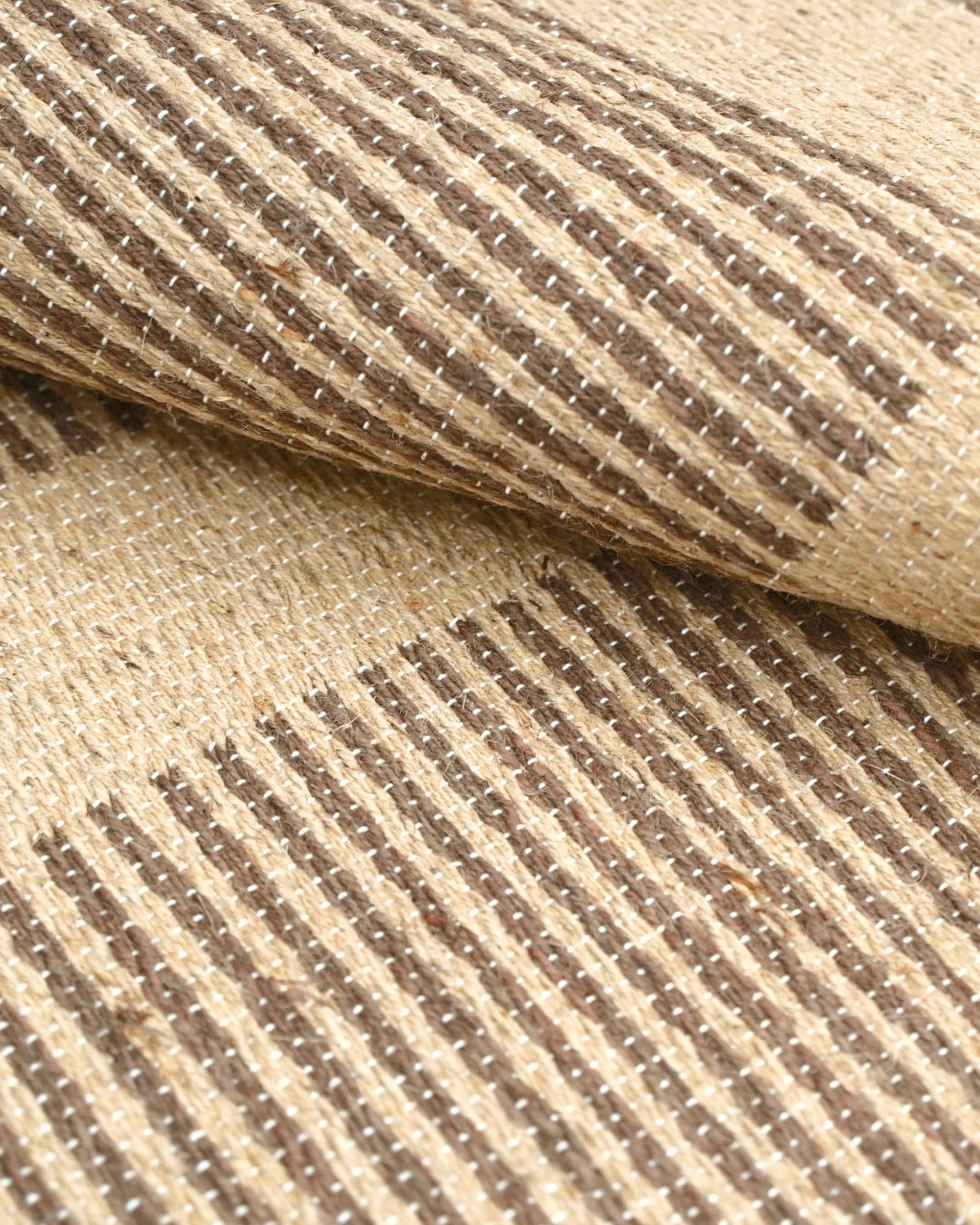
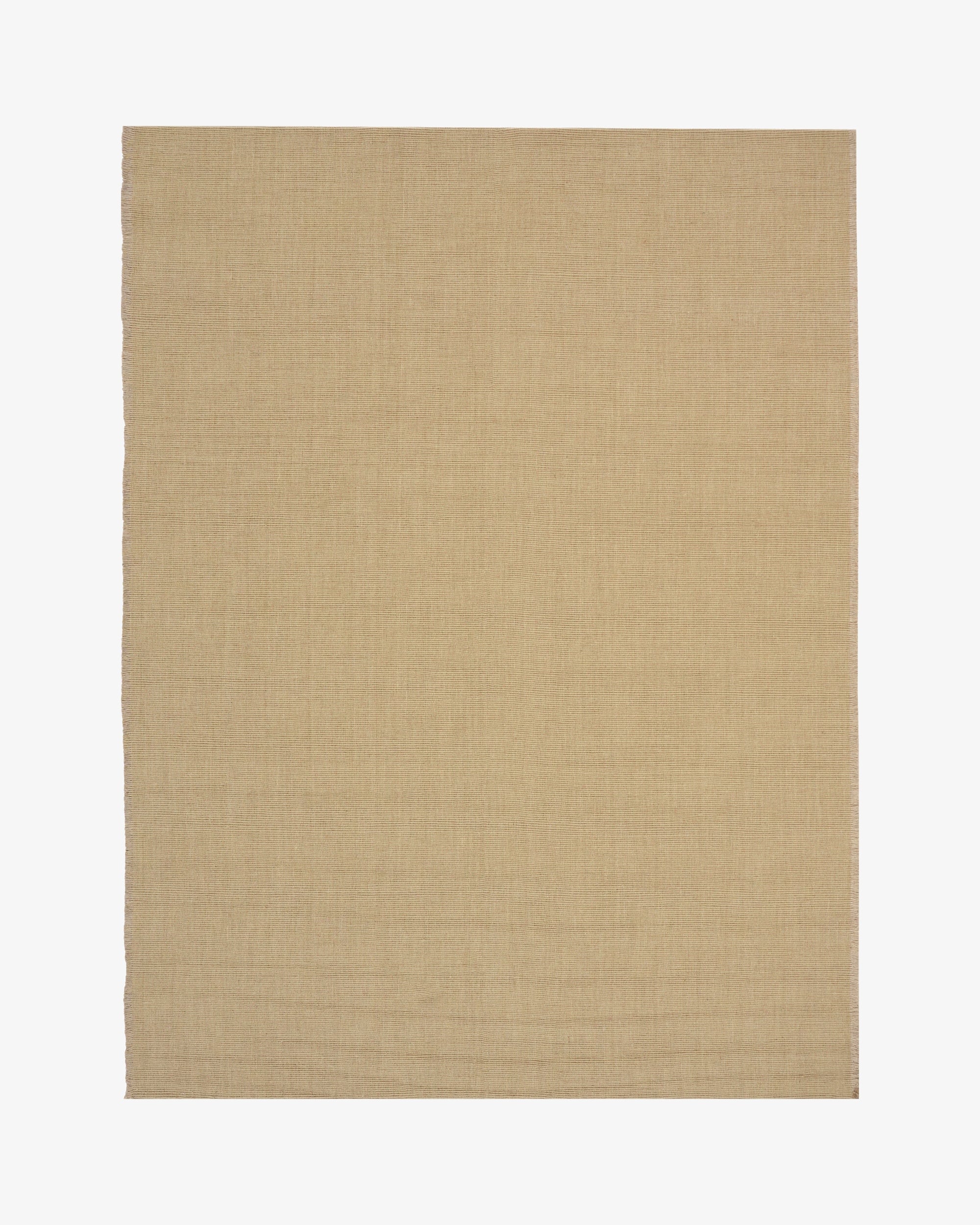
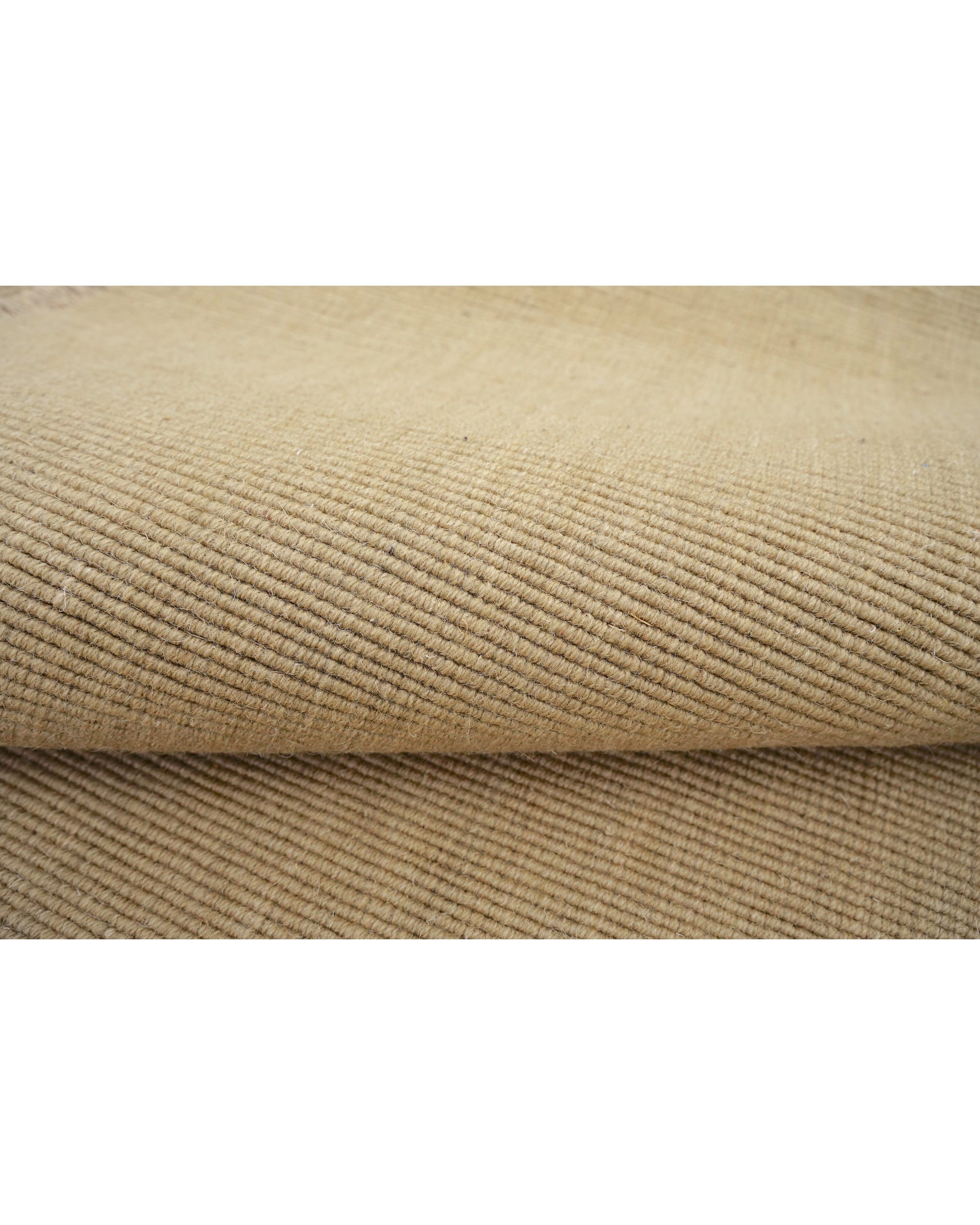
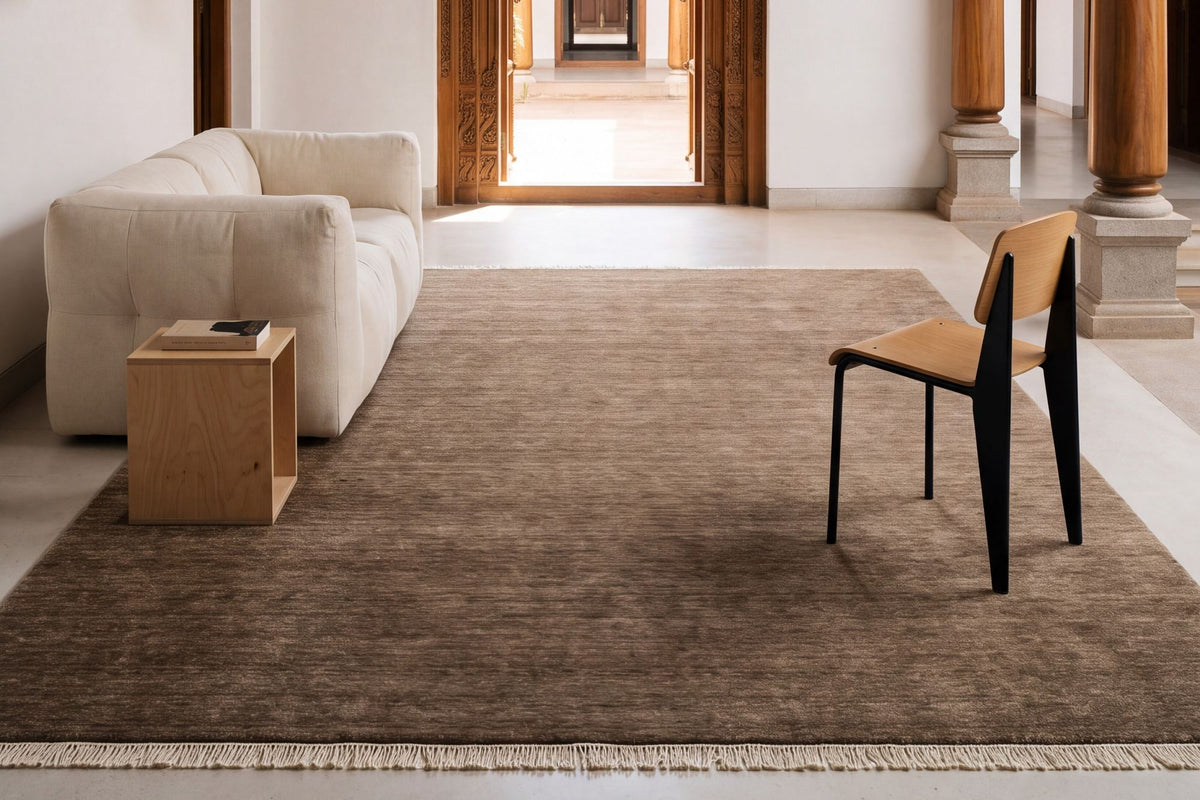
The Rugberry rugs that suit a diwan or takht best are the Grain collection in Sandstone or Tan, the Cabra Wool & Jute Rug in Sand, and the Kora Jute Rug. All three are low and firm enough to keep a heavy frame level, and all three suit the warm wood of traditional Indian furniture.


The Grain Wool Rug in Sandstone is the softest of the three underfoot, a handloom New Zealand wool 12 to 14 mm thick, from about ₹31,080, inclusive of GST at the time of writing. The Grain Wool Rug in Tan is a shade deeper and hides more of daily life in front of a well used diwan.
The Cabra Wool & Jute Rug in Sand is handloom woven in New Zealand wool and jute at 7 to 8 mm, the flattest of the group, from about ₹28,560 at the time of writing. The Kora Jute Rug is hand woven in natural jute at 10 mm, from about ₹23,520 at the time of writing, and suits a verandah takht that sees more feet than spilt chai.
See the full Grain collection and the jute rugs for more low, firm surfaces.
Frequently asked questions
Can I put a rug on top of a takht instead of under it?
A flat rug can be laid over a takht's mattress or boards as a cover, and many homes do this with a dhurrie. Choose something thin and flexible for that job, and keep a pile rug for the floor, where its thickness is an advantage rather than a lump under the body.
What size rug goes in front of a 6 ft diwan?
A 5x8 ft rug laid lengthwise along the front of a 6 ft diwan is the usual choice, leaving about 1 ft beyond each end. If you host floor seating in front of the diwan, step up to 6x9 ft so the cushions also sit on the rug.
Is a jute rug comfortable in front of a daybed?
Jute is firm and textured rather than soft, so it suits a daybed used mainly for sitting with feet on the floor. If people often stand barefoot there after sleeping, a low handloom wool feels kinder underfoot on a winter morning.
Will a heavy takht damage a wool rug permanently?
A heavy takht will press the pile under its legs, but wool usually springs back once the weight is moved and the spot is warmed and brushed. Wide pads under the legs and a small shift every few months keep the marks shallow.
Should a diwan rug match the diwan's wood?
The rug should differ from the wood rather than match it. A dark sheesham or teak diwan looks crisp on a sand or tan rug, while a pale cane or oak daybed needs a deeper rug to stop the frame floating.
Low seating asks for a low, honest surface. Material first.



Leave a comment
This site is protected by hCaptcha and the hCaptcha Privacy Policy and Terms of Service apply.