




Rugs for Puducherry Homes: Lime, Shutters, Oxide
The best rugs for Puducherry homes are low handloom wool or wool and jute rugs, 7 to 14 mm, in quiet earth tones that sit with ochre lime wash, red oxide and patterned cement tile. They breathe in sea air, dry after the October rains and leave the old floors visible around them.
In short
- Puducherry has two historic house types: French quarter houses with tall shuttered windows and courtyards behind high walls, and Tamil quarter houses with a street front thinnai and rooms around an open courtyard.
- Floors in both are often red or black oxide, plain cement or patterned cement tile, surfaces that look best when a rug leaves a generous border showing.
- Puducherry gets most of its rain from the northeast monsoon, roughly October to December, so rugs there need their airing and checking later in the year than in most of India.
- Rugberry's Grain handloom wool in Flax or Russet and the Cabra Wool & Jute Rug in Sand are low, breathable choices that suit the town's palette.
What makes a Puducherry house different from other coastal homes?
A Puducherry house differs from other coastal homes in its architecture more than its weather. The town keeps two distinct historic quarters, each with its own plan, floors and palette, and a rug that suits one can look out of place in the other.

East of the old canal, the French quarter runs on a grid of quiet streets lined with lime washed walls in white, ochre and pale grey, bougainvillea over the gates, and houses that turn inward to courtyards behind tall shuttered windows. West of it, the Tamil quarter has rows of street houses with a raised thinnai at the front, a deep plan running back from the street and rooms opening onto a central open courtyard.
Both share the sea. Air off the Bay of Bengal is humid and carries salt, floors near the shore stay cool and sometimes damp, and the northeast monsoon arrives just as the rest of India is drying out. The sections below take each house type in turn, then the floors, colours and care they share.
Which rug suits a French quarter front room with tall shutters?
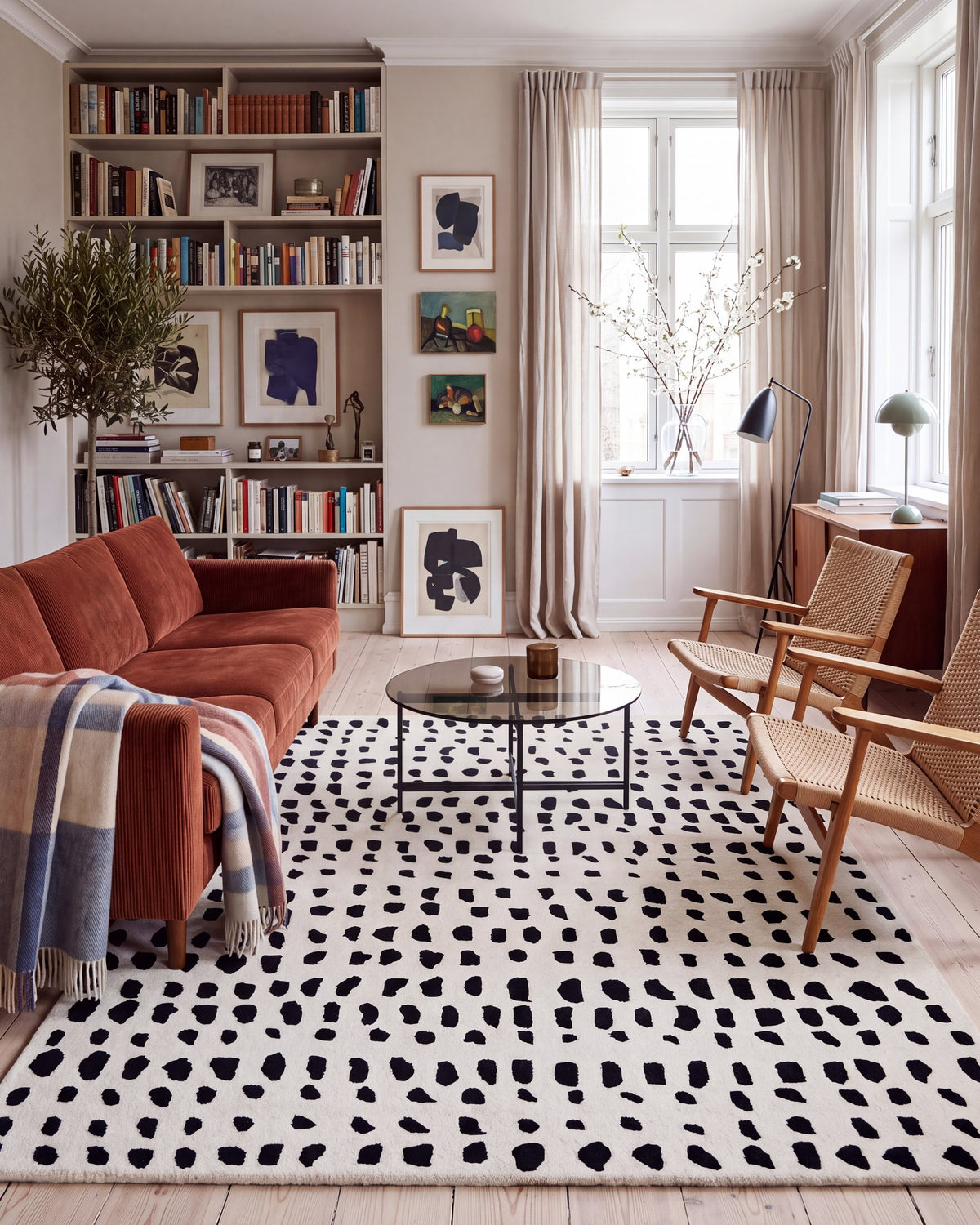
A French quarter front room suits a large, plain or softly textured rug in a pale earth tone, sized to the room rather than to one sofa. Ceilings are high and windows tall, so a small rug looks lost, while a generous low weave anchors the furniture and lets the shutters and the floor carry the character.


These rooms are often formal in proportion, with two or three pairs of louvred doors along one wall and slatted light falling across the floor through the afternoon. That light shows texture beautifully. A low handloom weave with a visible heathered yarn catches the bars of light and shade without competing with them.
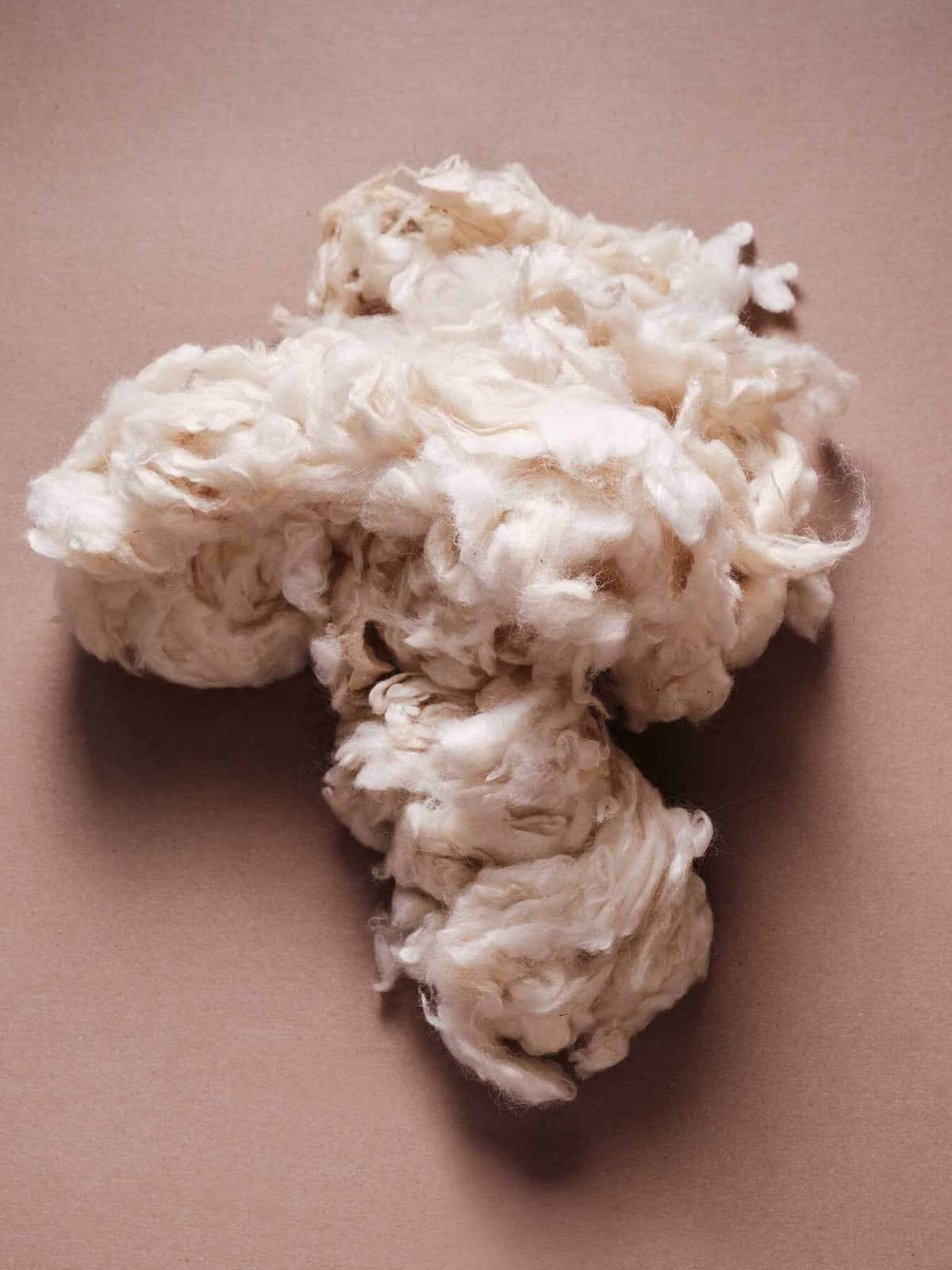
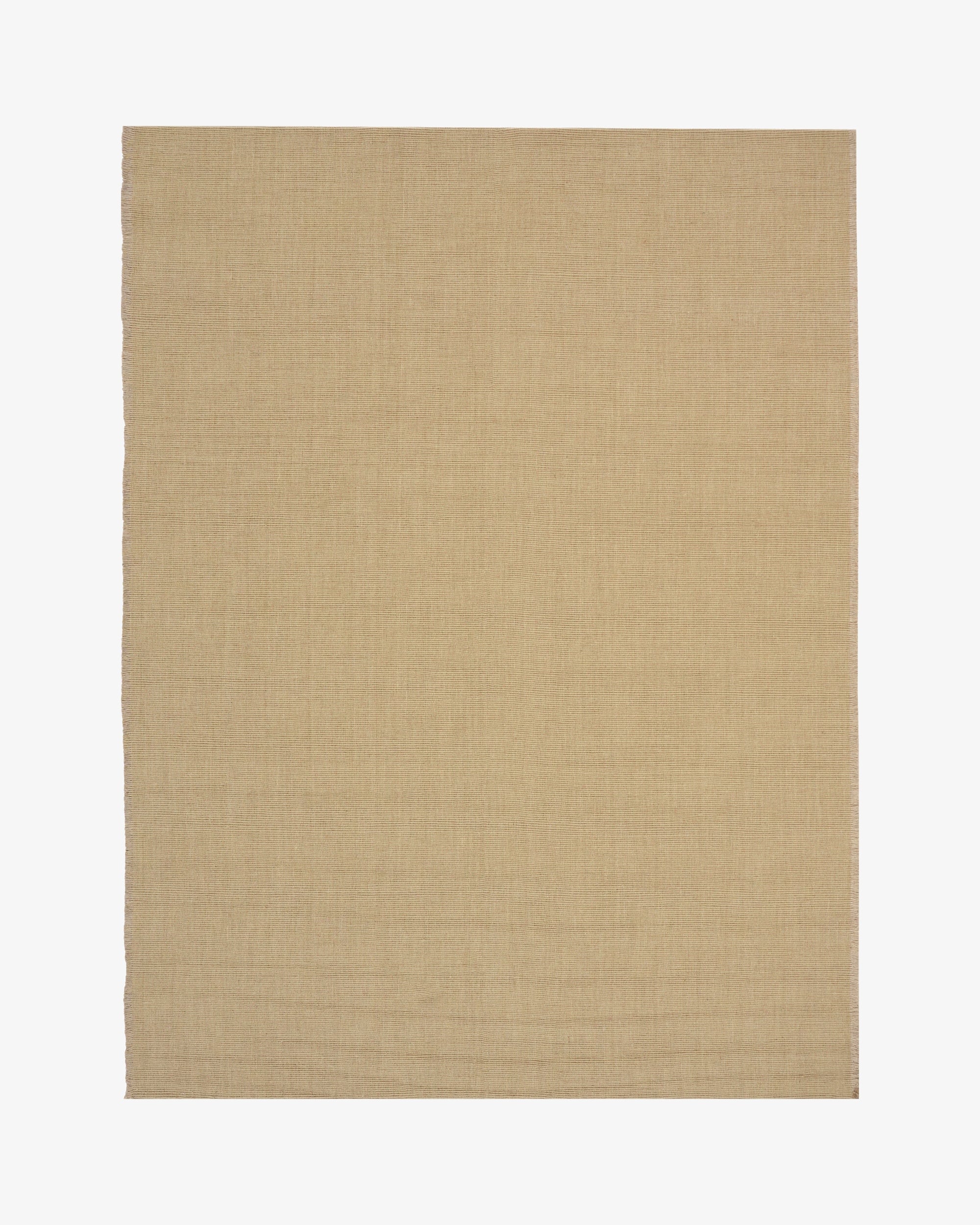
The Grain Wool Rug in Flax is handloom woven in New Zealand wool at 12 to 14 mm, a warm oatmeal that sits with ochre walls and red oxide alike. It comes in six standard sizes up to 12x15 ft and is listed from about ₹31,080, inclusive of GST at the time of writing.
Keep the rug clear of the shutter doors' swing. In many of these rooms the doors open inward across the floor, and a rug that catches the bottom rail every time the house is aired will curl at the edge within a season.
How should a rug sit in a Tamil quarter house with a courtyard?
In a Tamil quarter house, a rug belongs in the inner rooms and the covered space around the courtyard, never on the street thinnai or the open courtyard floor. Use a firm, low rug that can be lifted easily, because these houses are swept and washed often and open to the weather at their centre.

The thinnai, the raised platform at the street front, is a place for sitting in the evening and for neighbours to stop and talk. It is outdoors in all but name and should stay bare stone or plaster. Inside, the house steps back from the street through a front room to a pillared verandah around an open courtyard, with rooms opening off it.
That covered verandah is where a rug does most for the house. A rug there marks a sitting area, softens the pillared space and takes the chill out of the floor in the cooler months. Keep its outer edge a step back from the line of the courtyard, so rain blowing in during the northeast monsoon does not reach it. Our guide to rugs for courtyard homes covers how moving sun affects placement.
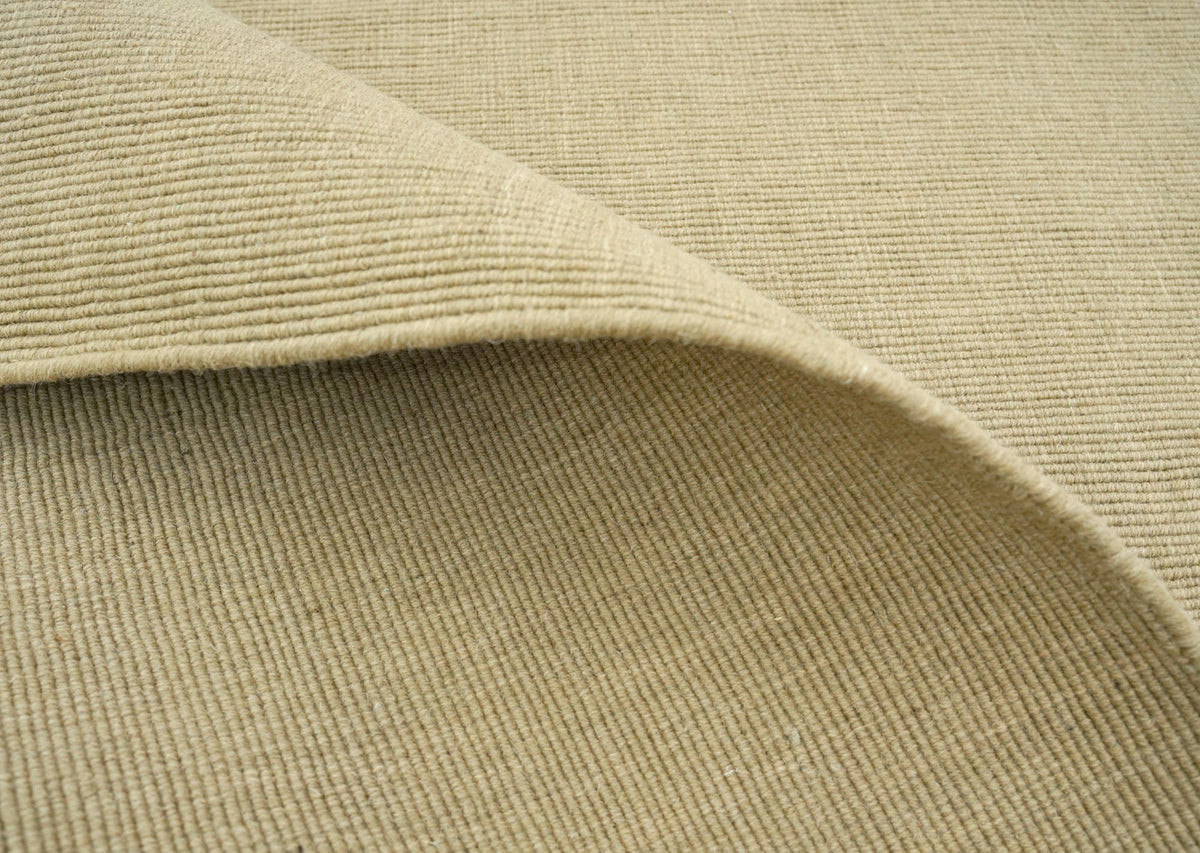
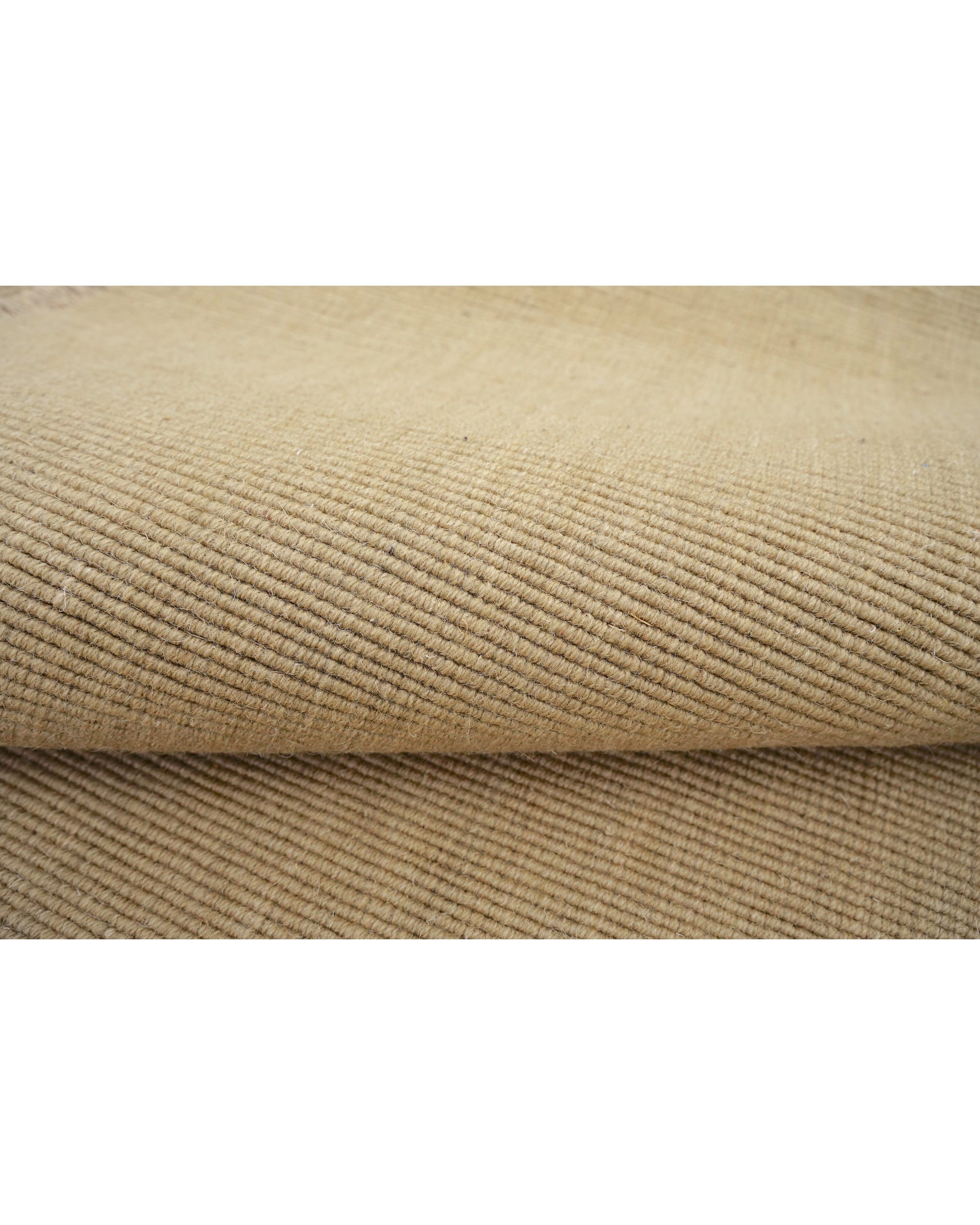
The Cabra Wool & Jute Rug in Sand is handloom woven in New Zealand wool and jute at 7 to 8 mm, firm underfoot and quick to shake out. It is listed from about ₹28,560, inclusive of GST at the time of writing, and suits these semi open spaces better than any deep pile.
Which rug colours sit with ochre lime wash and red oxide floors?
Earth tones such as flax, sand, tan and russet sit best with ochre lime wash and red oxide floors, because they share the same mineral warmth. The table matches common Puducherry wall and floor pairings to a Rugberry rug tone.


| Walls | Floor | Rug tone that works | Rugberry example |
|---|---|---|---|
| Ochre or mustard lime wash | Red oxide | Pale oatmeal, so the red floor frames it | Grain in Flax |
| White lime wash | Red oxide | Russet, which deepens the floor's red | Grain in Russet |
| White or pale grey | Black oxide | Sand or flax, which brighten the room | Cabra in Sand |
| Any | Patterned cement tile | Plain, low and quiet, so the tile leads | Grain in Flax or Cabra in Sand |
Verdict: on a red oxide floor under ochre walls, choose a pale oatmeal over a matching red, because the contrast lets both the floor and the rug read clearly.
The Grain Wool Rug in Russet is the exception that proves the rule: on red oxide under white walls it reads as one warm, continuous surface, a deliberate choice for a long pillared hall. It is handloom woven in New Zealand wool at 12 to 14 mm and listed from about ₹31,080, inclusive of GST at the time of writing.
In a Puducherry house, the floor was there first. A good rug lets it keep talking.
Can a rug go on patterned cement tiles without hiding them?
A rug can go on patterned cement tiles without hiding them if it is plain, low and sized to leave at least one full row of tiles showing, ideally the border. Patterned floors are often the best thing in an old Puducherry room, so the rug should frame them rather than cover them.

Many older houses in both quarters have cement tile floors in two or three colours, often with a border pattern around the room's edge. Measure the field inside the border and choose a rug a little smaller than it. The border then becomes a frame around the rug, and the room reads as designed.
Patterned rugs over patterned tile almost always clash. A plain heathered weave adds warmth and a soft plane without adding a second pattern. Our guide to rugs on patterned cement tiles covers grip and how much tile to show in detail.
How do sea air and the northeast monsoon change rug care?
Sea air and the northeast monsoon mean a Puducherry rug needs regular airing all year and close checking from October to December, when most of the town's rain falls. Wool copes with humidity well; the risk is a rug left for weeks on a floor that is cool and damp.
Old oxide and cement floors on the ground floor can draw moisture in the rainy months. Once a fortnight in that season, fold back a corner of the rug and lay your palm on the floor. If it feels clammy, lift the rug onto two chairs with a fan running for an afternoon, and lay a felt underlay rather than a rubber one when it goes back down.
- Vacuum weekly to lift salt laden dust, which attracts moisture into the fibre.
- Keep rugs a step back from shutter doors left open to the sea breeze in the rains.
- Rotate the rug a half turn every three months, as slatted afternoon sun can fade one end.
- After a cyclone warning or a heavy storm, roll ground floor rugs and raise them until the floor dries.
Our guide to preventing mould under rugs in coastal cities lists the early signs to watch for.
Which rug suits a Puducherry heritage guesthouse?
A heritage guesthouse in Puducherry suits low, mid toned rugs that can be lifted, shaken and cleaned between guests, in sizes matched to each room. Firm handloom wool or wool and jute survive suitcases, sandy feet from the promenade and daily housekeeping far better than deep pile.
Many old houses in both quarters now take guests, and they are photographed constantly. A rug that keeps its colour in slatted light and does not crush under a wheeled case is worth more than a dramatic one. In bedrooms, a 5x8 ft rug at the foot of the bed is easier to manage than a room sized rug.
Owners and architects working on several rooms can use the Rugberry Trade Program for trade pricing and quotations room by room. Rugberry makes every design to measure in any size or colour, useful where no two rooms in an old house are the same.
Frequently asked questions
When should rugs be aired in Puducherry?
Air rugs most often from October to December, when the northeast monsoon brings the town most of its rain. The rest of the year, a monthly lift and a weekly vacuum are enough in the sea air.
Can I put a rug on a thinnai?
It is better not to. The thinnai is a street facing platform open to dust, sun and rain, so it suits bare stone, a mat or a cushion that comes inside at night.
Is jute alone a good choice in Puducherry?
Pure jute is best kept to dry upper rooms, as it absorbs moisture and can mark in damp. A wool and jute blend such as Cabra keeps jute's firm texture with better resistance to humidity.
What rug size suits a French quarter living room?
Most of these high ceilinged rooms need a 9x12 ft or 10x14 ft rug, sized to hold all the seating and leave about 45 cm of floor at the walls. Measure around the swing of any inward opening shutter doors first.
Which Rugberry rug hides beach sand best?
A low, firm weave in a mid tone, such as Cabra in Sand or Grain in Flax, hides fine sand best and releases it to a vacuum. Deep piles hold sand at the base of the fibres.
Let the lime, the oxide and the tile lead, and let the rug keep them company. Browse the Grain collection and the natural jute rugs to begin. Material first.



Leave a comment
This site is protected by hCaptcha and the hCaptcha Privacy Policy and Terms of Service apply.