




Rugs for Lonavala Weekend Homes
A Lonavala weekend home needs two kinds of rug: low wool and jute or handloom wool that can stay down all year, and a softer rug for winter weekends that is rolled away before the monsoon. The rhythm of the house, empty for days and shut through months of rain and cloud, matters more than its style.
In short
- Lonavala and Khandala bungalows are mostly second homes for Mumbai and Pune families, used at weekends and holidays and left with a caretaker in between.
- The monsoon on this stretch of the Sahyadri ghats is very heavy, with weeks of rain, mist and cloud from June to September, so a closed house stays damp for long stretches.
- Low, firm rugs of 7 to 14 mm, such as wool and jute or handloom wool, can stay down through the rains with airing, while deep pile rugs are best rolled and raised in early June.
- Rugberry's Cabra Wool & Jute Rug in Olive and Grain Wool Rug in Tan suit Lonavala's year, with a Plush rug kept for winter weekends.
What does a weekend house do to a rug that a city flat does not?
A weekend house leaves a rug alone for days at a time in still, often humid air, then asks it to take a crowd of family and friends for two days. That pattern of neglect and heavy use is harder on a rug than steady daily life in a city flat.

In a Mumbai or Pune flat, someone walks across the rug every day, fans run, windows open and close, and a damp patch is noticed within a week. In a Lonavala bungalow, the doors may stay shut from Sunday evening to Friday night. Air stops moving, the floor cools, and whatever moisture is in the room settles into the slowest drying thing in it.
Then the house fills. Wet shoes from a walk to the dam, children off the swing, a long lunch on the floor, guests sleeping in the living room. A rug that suits this house is low enough to dry, firm enough to sweep and tolerant of a weekend's muddy feet.
Which months should the rugs stay down in Lonavala?
Most rugs in a Lonavala bungalow can stay down from October to May, low rugs can stay through the monsoon with care, and deep pile rugs should be rolled away from early June to the end of September. The table sets out a year by season.


| Season | Months | What the house is like | What to do with the rugs |
|---|---|---|---|
| Winter weekends | November to February | Cool nights, dry days, most visits | All rugs down, Plush in bedrooms, vacuum each visit |
| Summer | March to May | Warm, dry, dusty roads | Low rugs down, clean and dry the Plush and roll it in late May |
| Monsoon | June to September | Heavy rain, mist inside the house, fewer visits | Only low wool and jute or handloom wool down, lifted and aired each visit |
| After the rains | October | Drying out, first long weekends | Check every rug and floor, unroll the Plush on a dry day |
Verdict: for a Lonavala house left shut between weekends, choose a low wool and jute rug for the main living room over a deep pile, because it is the only kind that can safely stay down through the rains.
Should you roll the rugs before the rains or choose ones that can stay?
Do both: choose low rugs that can stay for the rooms you use in the monsoon, and roll the rest. A living room with no rug at all through four months of weekend visits feels cold and echoing, so one good low rug that tolerates the season is worth planning for.


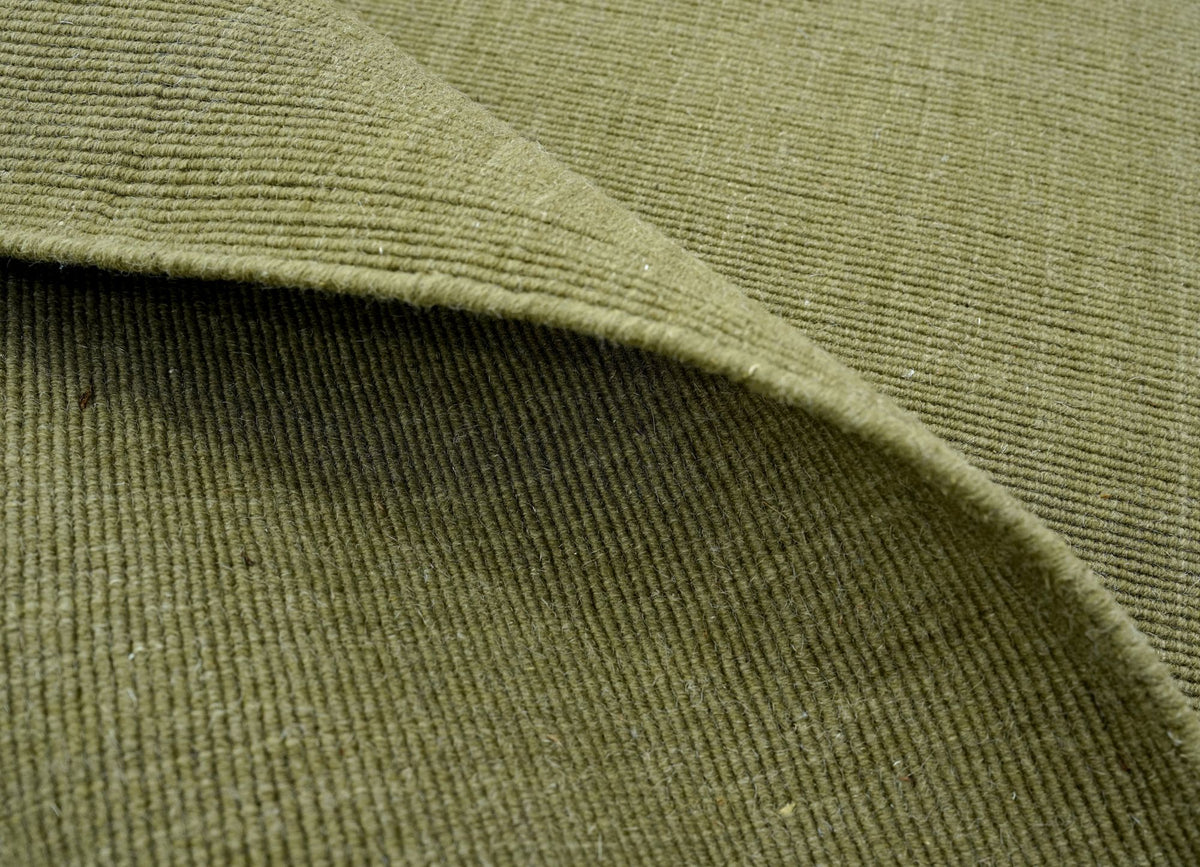
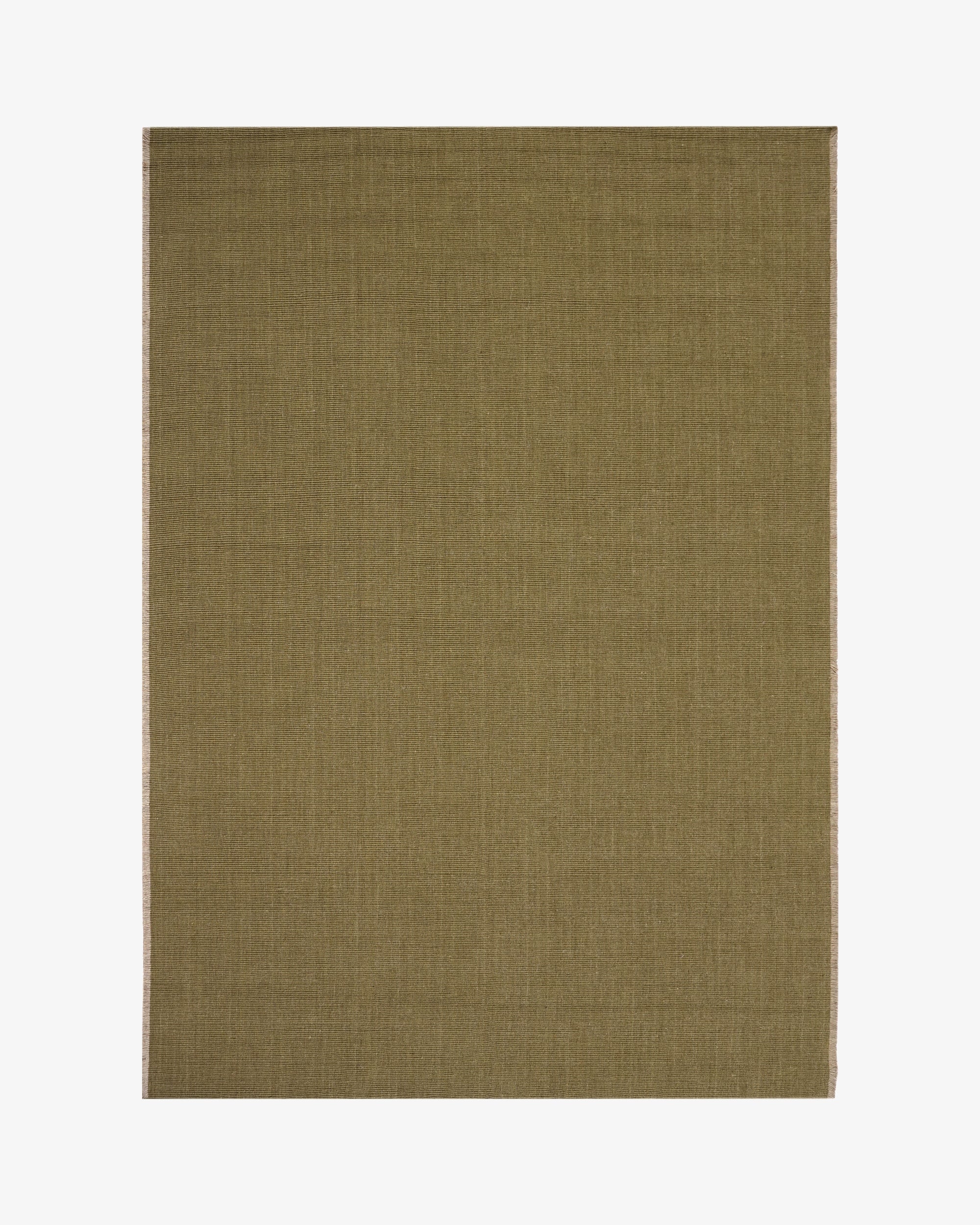
The Cabra Wool & Jute Rug in Olive is handloom woven in New Zealand wool and jute at 7 to 8 mm, firm underfoot and quick to dry. Its green picks up the hills outside every window. It is listed from about ₹28,560, inclusive of GST at the time of writing, in six sizes up to 12x15 ft.
The wool in Cabra resists mildew and dries faster than pure jute, while the jute gives a crisp, dry surface that sheds grit. Pure jute rugs are better rolled for the season in Lonavala, as they absorb moisture and can mark if left damp for weeks; see wool or jute for daily use.
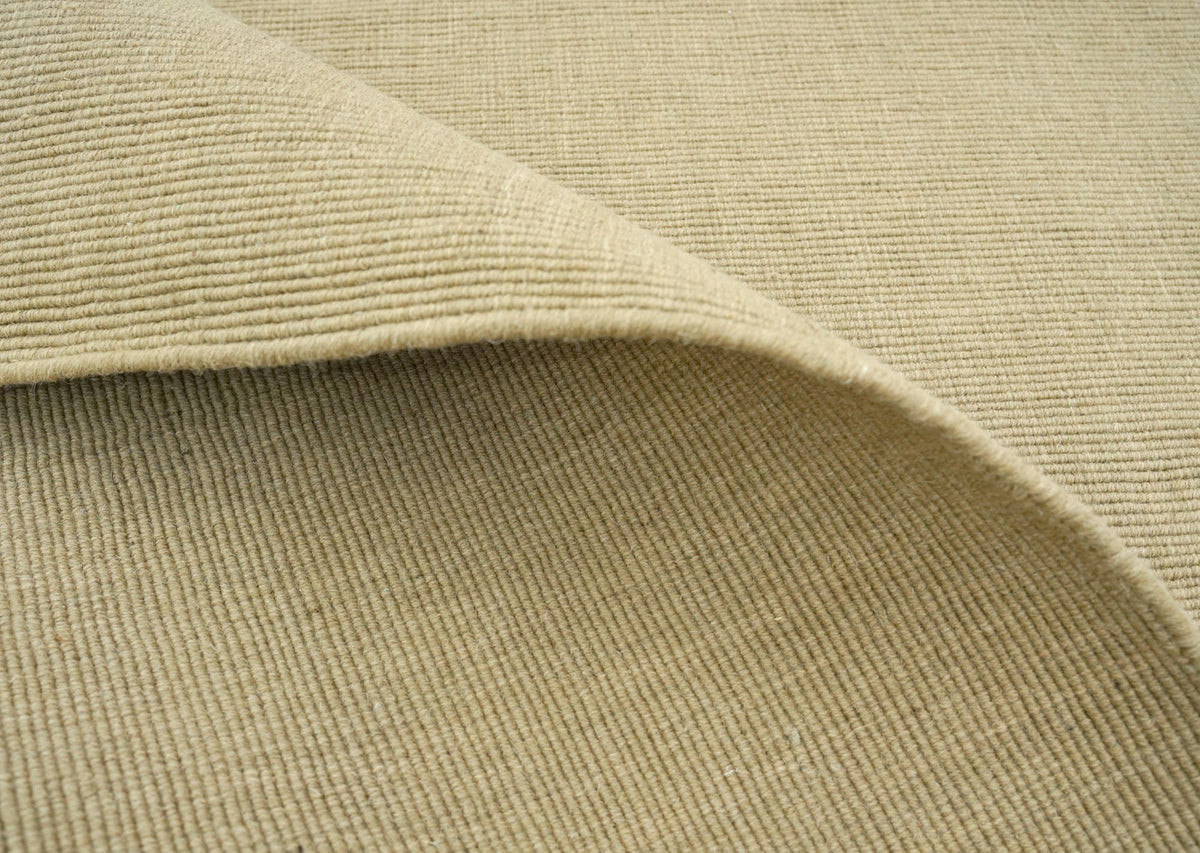
The Grain Wool Rug in Tan is a softer option for the same job. It is handloom woven in New Zealand wool at 12 to 14 mm, warm and close, and listed from about ₹31,080, inclusive of GST at the time of writing. It suits a dining room or a sitting room upstairs where feet arrive drier.
Everything deeper goes away. The Plush Wool Rug in Sand, handloom woven in New Zealand wool at 18 to 20 mm and listed from about ₹33,600 inclusive of GST at the time of writing, is a lovely winter bedroom rug in the hills and should be cleaned, dried, rolled pile inward, wrapped in cotton and raised in late May.
What should the caretaker do with the rugs between visits?
The caretaker should open the house, run the fans and look under the rugs at least once a week, and more often in the monsoon. A short written routine, left in the house, makes sure it happens the same way every time.

Most Lonavala bungalows have a caretaker or a family who live on the plot and keep an eye on the house. They do not need to know anything about rugs, only what to check and what to tell you. A few minutes a week prevents most problems.
- Open windows on the dry side of the house for an hour on any day without rain.
- Run the ceiling fans in rooms with rugs for that hour.
- Fold back one corner of each rug and touch the floor; if it feels wet or cold and clammy, send a photograph.
- Sniff the rug; a musty smell means it needs lifting onto chairs to air.
- Check that rolled rugs are still raised, dry and wrapped in cotton, with nothing leaning on them.
Ask for a photograph of each rug and the floor under it once a month in the rains. It costs nothing, and it shows you a problem weeks before your next drive up the ghat.
In a weekend house, the most important rug tool is a caretaker who folds back a corner.
Which rug suits a verandah or sit out in Lonavala?
No handmade indoor rug suits an open verandah or sit out in Lonavala, because driven rain and mist reach far under the roof in the monsoon. A deep, enclosed verandah can take a low rug from October to May if it comes inside before the first heavy rain.

Verandahs are where much of a weekend in the hills is spent, watching the cloud move across the valley with tea. The temptation to put a rug there is strong. Choose a low wool and jute weave, place it at the back of the verandah against the house wall, and treat it as seasonal.
For year round outdoor use, a rug made for the purpose is the right answer; our guide to outdoor rugs for Indian balconies and verandahs covers what to look for. Keep the handmade rug just inside the verandah doors, where it catches mud from shoes before it reaches the living room.
How do you plan rugs for a bungalow you visit only at weekends?
Plan rugs for a weekend bungalow from measurements and photographs taken on a visit, choose low and mid toned rugs for the shared rooms, and keep one or two deep rugs for winter bedrooms. Buy for the monsoon first, since that is the season that decides what survives.
On your next weekend, measure each room wall to wall, note where doors swing and where the furniture sits, and photograph the floor in daylight. Old bungalows often have Kota, terrazzo or red oxide floors, and the rug colour should be chosen against those, not against a city flat's vitrified tile.
Mid tones suit the hills: olive and tan pick up the green and brown outside, hide mud and stay warm in grey monsoon light. Very pale rugs show every footprint from the garden, and in a house that fills with family for two days and then sits empty, nobody wants to spend Sunday morning spot cleaning.
Rugberry makes its designs to any size and colour, which helps in bungalows built with odd shaped rooms or long, narrow living spaces. Our guide to preventing mould under rugs covers humid weather care in more depth.
What smell or mark means a rug needs attention?
A musty smell, a cold damp patch on the back, white or grey spots on the floor beneath, or a ripple that was not there before all mean a rug needs lifting and drying at once. Caught in the first week, each of these is easy to reverse.
Lift the rug onto two chairs or a clean line under cover, run a fan across both faces for a full day, and let the floor dry before relaying. If spots remain on the rug after it dries, have it professionally cleaned rather than scrubbing it yourself. Deep pile rugs left on a damp floor are the most likely to need this, which is why they go away in June.
Frequently asked questions
Can I leave rugs down in a Lonavala house through the monsoon?
Low wool and jute or handloom wool rugs can stay down if the caretaker airs the house weekly and checks under the rugs. Deep pile and pure jute rugs are safer rolled, wrapped in cotton and raised for June to September.
Should rugs be wrapped in plastic when the house is shut?
No. Plastic traps the moisture already in the rug and the air, which is how mildew starts. An old cotton bedsheet lets the rug breathe while keeping dust off.
Which rug colours suit a hill bungalow?
Mid tones such as olive, tan, sand and sage suit a hill bungalow, as they echo the landscape and hide mud and grass. Ivory and very dark rugs both show marks quickly in a busy weekend house.
Is a deep pile rug worth having in Lonavala?
Yes, for winter weekends. Cool nights from November to February make a deep wool rug beside the bed a real comfort; just clean, roll and store it before the rains each year.
Do Rugberry rugs come in sizes for large bungalow living rooms?
Yes. Cabra, Grain and Plush each come in six standard sizes up to 12x15 ft, and Rugberry makes any of its designs to measure for rooms that need a larger or unusual size.
Choose rugs that wait patiently for the weekend and forgive the rain. Browse the natural jute rugs and the Grain collection to begin. Material first.




Leave a comment
This site is protected by hCaptcha and the hCaptcha Privacy Policy and Terms of Service apply.