



Which Rugs Hide Dirt and Stains Best?
The rugs that hide dirt best are mid toned, flecked or softly patterned, in a dense wool or wool and jute weave. Mid browns, greys, olives and mixed ivory and brown hide Indian dust, chai and pet hair far better than plain ivory or solid black, which show every mark.
In short
- Dust in most Indian cities is a light grey brown, so a rug in a similar mid tone hides it, while very dark and very pale rugs reveal it.
- Small scale variation, such as flecked, heathered or two colour yarn, breaks up spots and crumbs better than a large bold pattern does.
- A low, dense wool pile holds dirt near the surface where a vacuum can reach it, while a deep shag lets grit sink out of sight and out of reach.
- New Zealand wool carries natural lanolin that helps it shed light spills, which is why wool rugs forgive daily life better than most fibres.
What makes a rug hide dirt?
A rug hides dirt when the eye cannot pick out a mark against what surrounds it. Four things decide that: how close the rug's tone is to the colour of the dirt, how much small scale variation the surface has, how the pile is built and how the fibre reacts to spills.

None of these makes a rug stay clean. They only change what you see between cleans. A forgiving rug in a family living room may look fresh for a week when a plain ivory rug looks tired after a day, but both have collected the same dust from the same open windows.
It helps to know what your home actually drops on the floor. A ground floor flat near a busy road gathers fine grey dust. A house with a garden gathers reddish soil on shoes. A dog brings its own coat colour, and a dining area brings turmeric, dal and oil. The best rug for hiding dirt is the one matched to your particular mix.
Which rug colours hide dirt best?
Mid tones hide dirt best: taupe, warm grey, sand, olive, rust and soft brown. They sit close to the colour of household dust and dried spills, so marks blend in. The extremes, bright ivory and deep black, show the most.

Black and charcoal surprise many people. A dark rug hides a coffee spill but shows every grain of pale dust, lint and light pet hair, so in a dusty city it can look grey within days. Pure ivory does the opposite, hiding fluff but showing every footprint and drop of chai.
| What lands on the rug | Colours that hide it | Colours that show it |
|---|---|---|
| Fine city dust | Warm grey, taupe, sand | Black, charcoal, deep navy |
| Chai, coffee and dal spills | Rust, soft brown, olive, flecked mixes | Ivory, white, pale grey |
| Red garden soil on shoes | Rust, terracotta, brown | Ivory, pale sage, light grey |
| Light pet hair | Sand, beige, ivory and brown flecks | Black, charcoal, dark green |
| Dark pet hair | Charcoal flecks, mid brown, olive | Ivory, white, pale beige |
Verdict: if one colour has to cope with all of these at once, choose a mid tone with some variation in it, such as a flecked sand or a heathered olive, rather than any flat colour at either end of the scale.
Do patterned rugs hide stains better than plain ones?
Patterned rugs hide stains better than plain ones when the pattern is small and busy, because a spot disappears among many small marks. A large, bold pattern with wide plain areas hides much less, since a stain on an open field still stands out.

The most forgiving surfaces are flecked and mottled, where two or more yarn colours are mixed through the whole field. A crumb, a pet hair or a few drops of tea simply join the speckle, and the eye has no plain area against which to find them. This is the idea behind two colour mottling, covered in our guide to two colour mottled rugs, and it can be asked for in a made to measure rug.
Woven texture does a similar job at a finer scale. A handloom rug whose yarns carry slightly different shades breaks up light marks in the same way as a fleck, while still looking like one calm colour from across the room.
Large graphic designs sit in between. The Bias Wool Rug, hand tufted in New Zealand wool, sets a broad brown field against ivory with black strokes. The brown half forgives a great deal, the ivory half much less, so it works best with the ivory side placed away from the sofa edge and the door. It is ₹62,000 for 8x10 ft at regular price, ex GST at the time of writing.
Fine stripes behave much like a fleck. The Flair Wool Rug is hand tufted in New Zealand wool at 14 to 16 mm, close black and ivory stripes laid in blocks that turn direction. Dust on the ivory lines and lint on the black ones are broken up by the rhythm of the stripes, so the rug reads clean for longer between vacuums. Its regular price is ₹37,000 for 5x8 ft and ₹74,000 for 8x10 ft, ex GST at the time of writing.
A rug that hides dirt is still collecting it. Choose for the eye, then vacuum for the fibre.
Which texture and pile height hide dirt best?
A low to medium, dense pile hides dirt best because grit stays near the surface and the tightly packed yarn tips cover what lies beneath. A flat, smooth surface shows marks more plainly, and a deep shag hides grit by letting it sink, which wears the rug from inside.


Texture adds another layer of disguise. A heathered handloom surface, where each yarn carries slightly different shades, hides far more than a smooth cut pile in one dyed colour. The Grain Wool Rug in Sage is a good example: handloom woven in New Zealand wool at 12 to 14 mm, its green is broken by lighter and darker fibres, so dust and footprints barely register. It is ₹37,000 for 5x8 ft at regular price, ex GST at the time of writing.
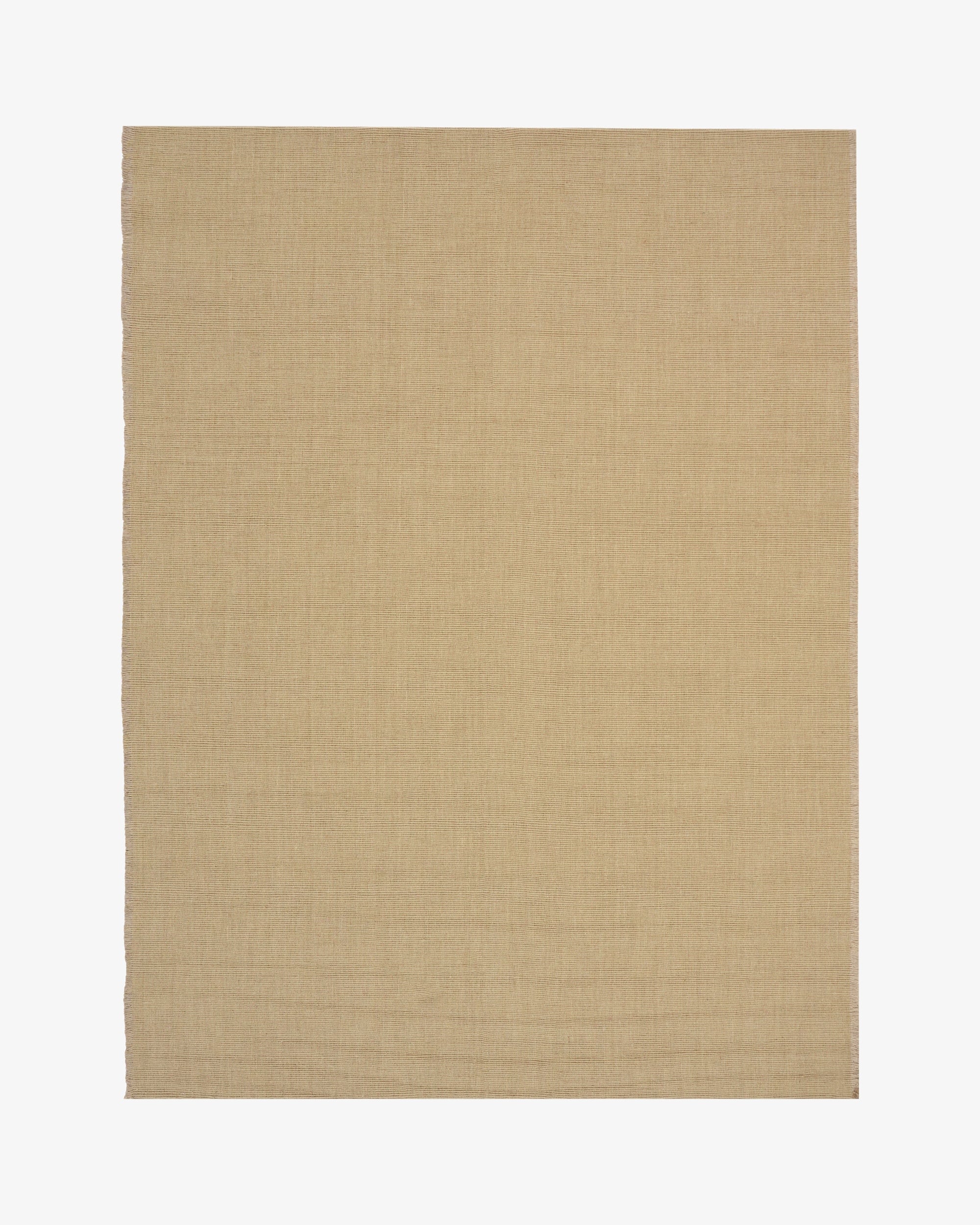
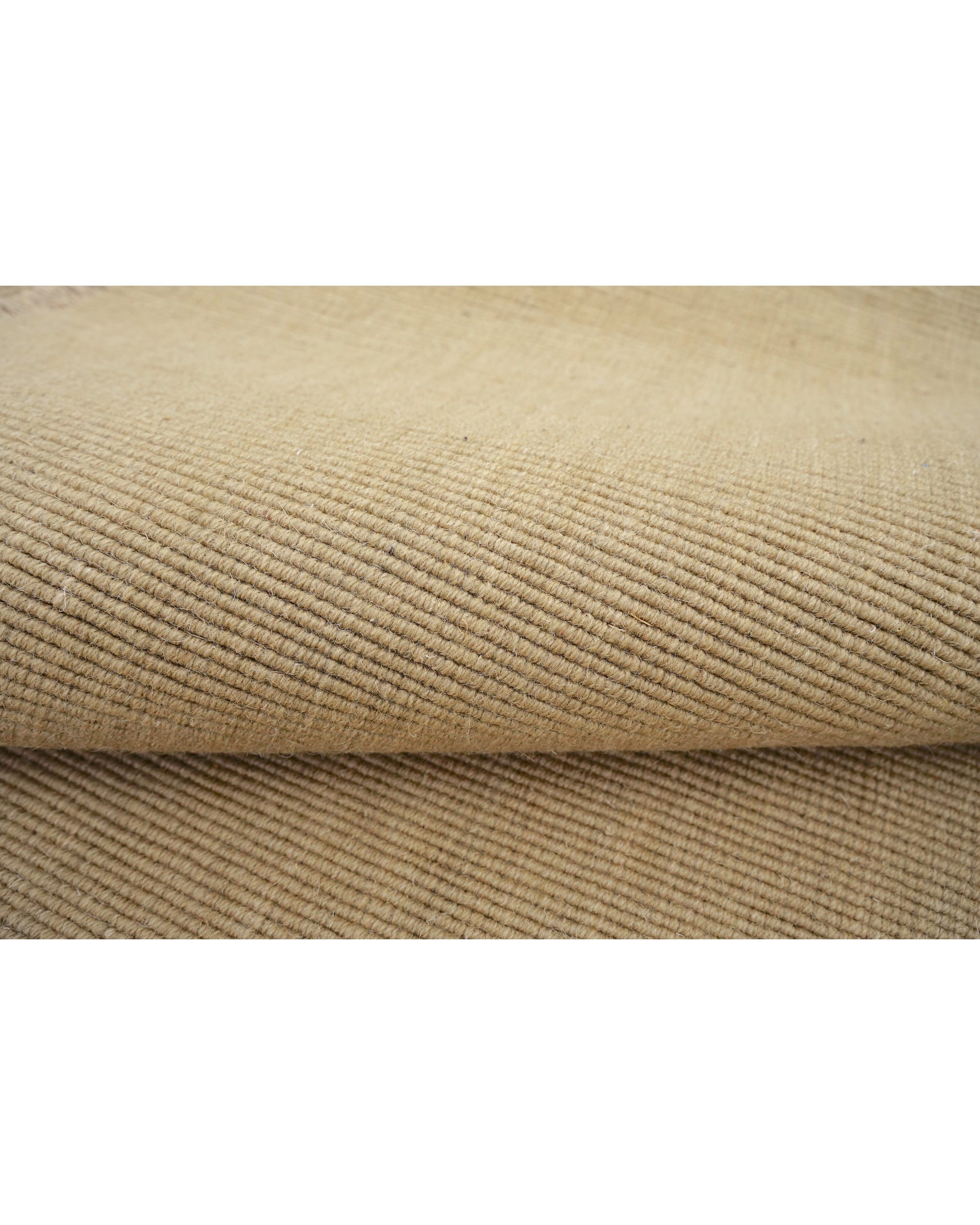
Firm handloom weaves with jute in them suit dry, dusty rooms. The Cabra Wool & Jute Rug in Sand is handloom woven in New Zealand wool and jute at 7 to 8 mm. Its ribbed, slightly irregular surface hides dry dust well and lets it shake out easily, though jute dislikes water, so it is less suited to spots where spills are frequent. It is ₹34,000 for 5x8 ft at regular price, ex GST at the time of writing, and comes in Olive and Rust too.
Which rug fibre helps hide everyday marks?
Wool is the most forgiving rug fibre for everyday marks. New Zealand wool carries natural lanolin, which slows how fast a spill soaks in, and its crimped fibres spring back so pressure marks and dents fade.
That gives you a few seconds to blot before a spill becomes a stain, which matters more in daily life than any colour choice. Synthetic pile can resist water too, but it tends to hold oily marks and flattens more readily under furniture, so a rug can look tired even when it is clean.
Jute is the least forgiving with liquids. It hides dust but can darken or stain where water sits, so keep jute heavy rugs away from dining chairs and children's play corners. Botanical Silk is lovely in a quiet bedroom but shows pressure marks and water spots, so blends of wool and Botanical Silk belong in rooms with lighter traffic. Our guide to the easiest rug fibres to clean compares them in more detail.
Which Rugberry rugs are good at hiding daily life?
The Rugberry rugs that hide daily life best combine a mid tone, small scale variation and a dense wool surface. Grain in its heathered shades, the Cabra weaves in Olive, Rust and Sand, the brown side of Bias and the sand and wheat Plush tones all fit that brief.

For a family living room with a light coated dog, Grain in Sage is the most forgiving everyday choice, since its broken green hides pale hair and footprints alike. For a dining area that gathers dust from an open balcony door, Cabra in Rust hides both soil and dry crumbs in its ribbed weave. Our guide to pet friendly designer rugs looks at coats, claws and accidents in more detail.
For a bedroom, where softness counts, the Plush Wool Rug in Sand is handloom woven in New Zealand wool at 18 to 20 mm. Its sand tone sits right in the colour of household dust, and it is held in stock in six standard sizes, from ₹40,000 for 5x8 ft at regular price, ex GST at the time of writing. A deep pile does need a more careful vacuum, which the next section covers.
Does a rug that hides dirt need less cleaning?
No, a rug that hides dirt needs the same cleaning as any other, and sometimes more attention, because the dirt is still there. Grit that cannot be seen acts like fine sandpaper on the base of the pile and shortens a rug's life.
The routine is simple. Vacuum once or twice a week with a brush attachment and no beater bar, a little more often in the dry, dusty months before the monsoon. Turn the rug every few months so wear and sun spread evenly, and blot spills at once with a dry microfibre cloth and a little lukewarm water. Never wash a handmade rug at home, and use a professional rug cleaner for a deep clean.
Our guide to dust and rugs in Indian homes covers the dusty months in more detail, and the daily rug care routine sets out the habits that keep any rug looking settled rather than worn.
Frequently asked questions
Is a grey rug good for hiding dirt?
A mid or warm grey is one of the best colours for hiding dust, because it is close to the colour of the dust itself. Very pale grey shows spills, and charcoal shows fluff, so aim for the middle of the range or a grey with flecks in it.
Which rug colour is best with a black dog?
Choose a charcoal fleck, a mid brown or a deep olive, which blend with dark hair. Avoid ivory and pale beige grounds. A mixed charcoal and ivory fleck works well too, because dark hair simply joins the dark yarns.
Are wool rugs stain resistant?
Wool resists light spills for a short time thanks to its lanolin, which lets you blot most liquids before they set. It is not stain proof, so turmeric, red wine and oil still need quick, gentle attention and sometimes a professional cleaner.
Do loop pile rugs hide dirt?
A dense loop pile in mixed colours hides surface dirt very well. Keep pets with sharp claws in mind, as claws can catch on loops, and avoid vacuum heads with a rotating beater bar, which can pull them.
Can I see how a rug colour copes before buying?
Order a 30 x 30 cm swatch for ₹800, posted anywhere in India and credited against your rug order. Leave it on the floor where the rug will go for a few days of normal life, then judge how much it shows.
Pick a mid tone, look for small scale variation and keep to a dense wool pile. See textured solid rugs and patterned rugs from Rugberry. Material first.




Leave a comment
This site is protected by hCaptcha and the hCaptcha Privacy Policy and Terms of Service apply.