

Wabi Sabi and the Handmade Rug
A wabi sabi rug is one whose fibre and making show: slight variations in tone, a surface you can read with your hand, and a character that deepens with use. Jute and handloom wool are the natural fit.
In short
- A wabi sabi rug shows its fibre and its making through gentle variation in tone and texture, rather than a perfectly uniform surface.
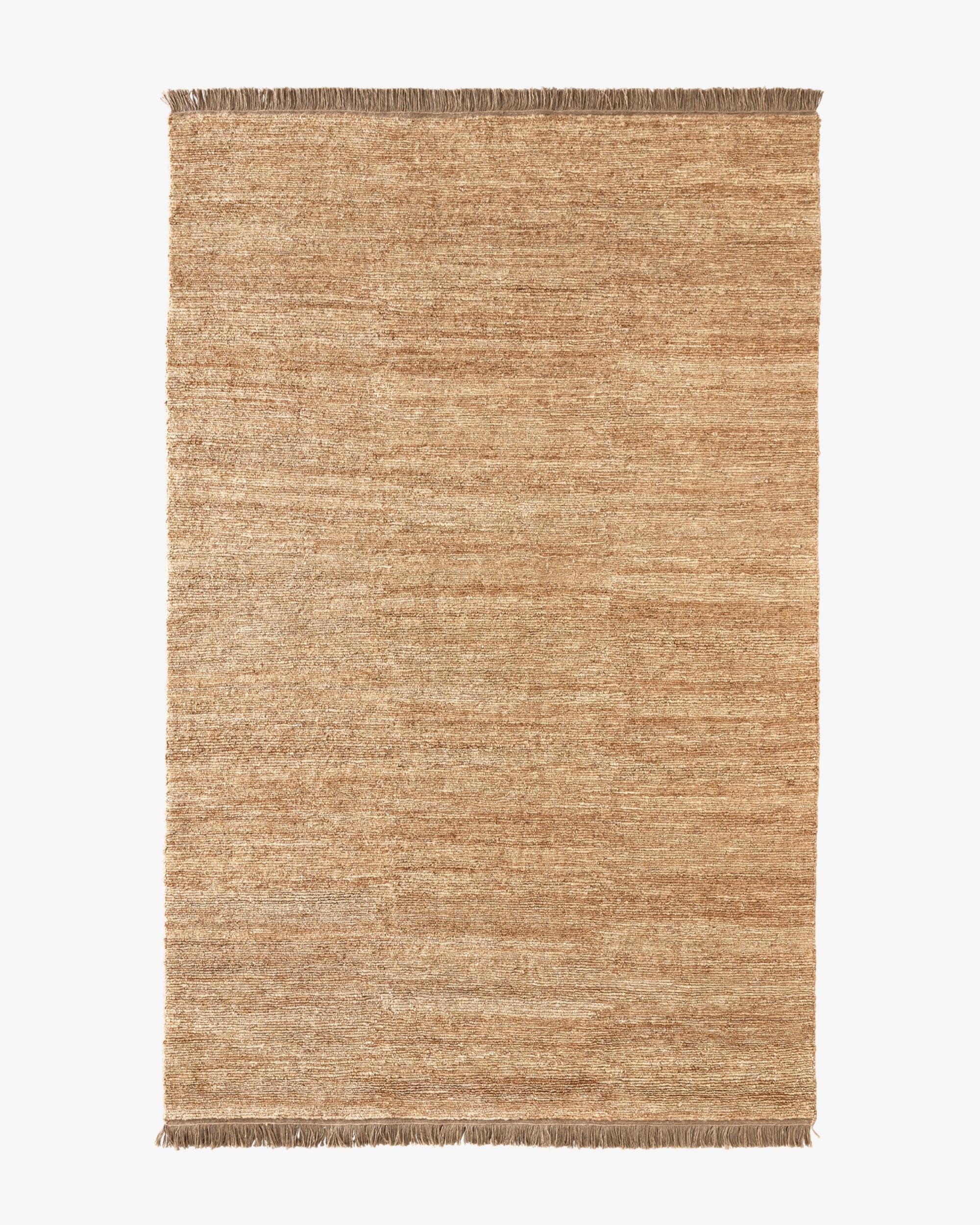
- The Rugberry Savannah Jute Rug is hand-knotted in jute, plant-spun and hard-wearing, and starts from about ₹41,000 in 5x8 ft.
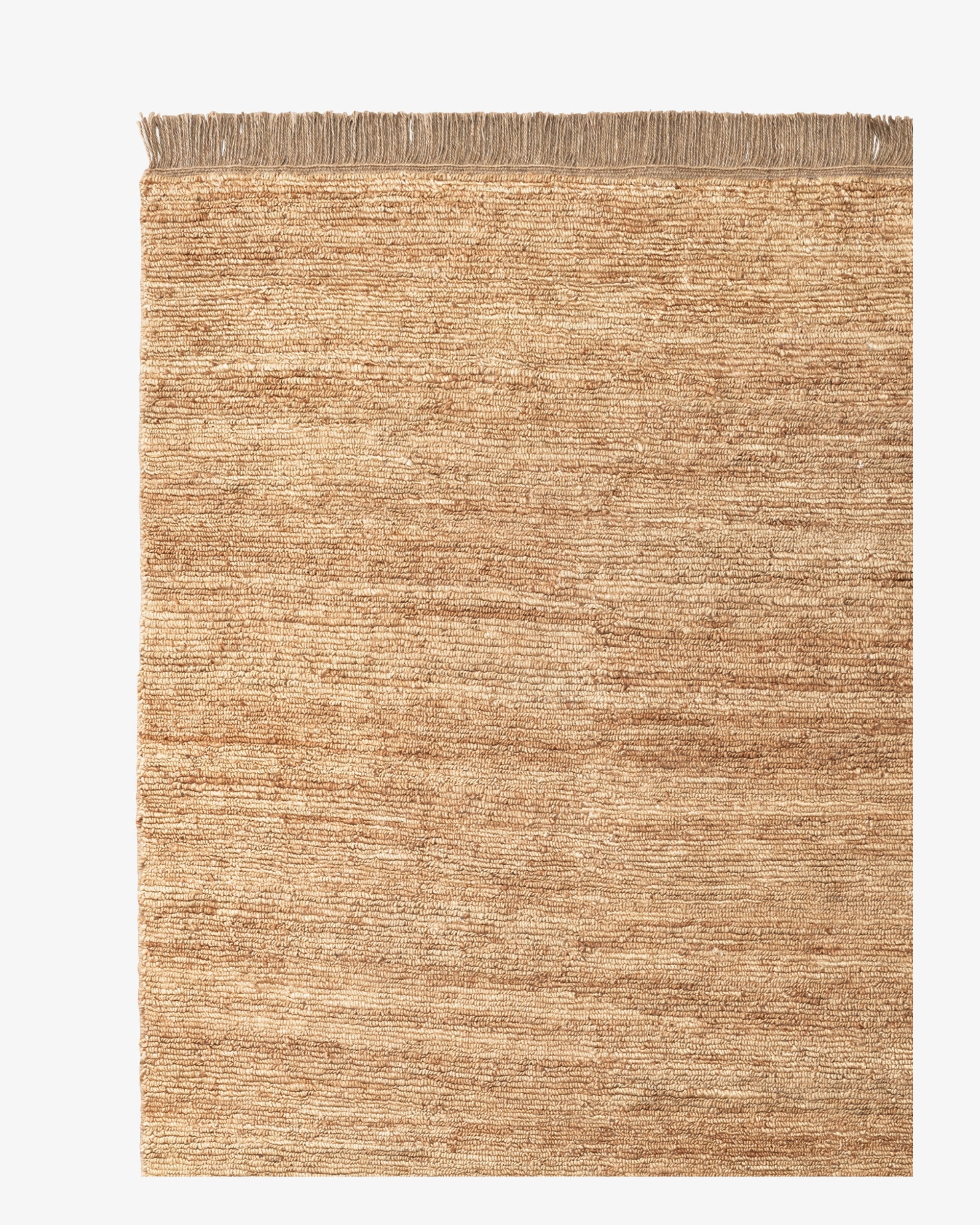
- The Rugberry Masai Jute Rug is handwoven in jute, firm and textured, and starts from about ₹28,000.
- Tonal variation and slight texture are character; loose knots, holes, crooked edges and unravelling are defects and should be reported.
The idea comes from Japan, but it sits easily in Indian homes and in the Rugberry range, where lime plaster, old brass, handloom cotton and worn stone floors already carry the same feeling.
What is a wabi sabi rug?
A rug that values honesty of material over perfection. It does not try to look machine made, and it welcomes the small differences that come from plant fibre and from work by hand.

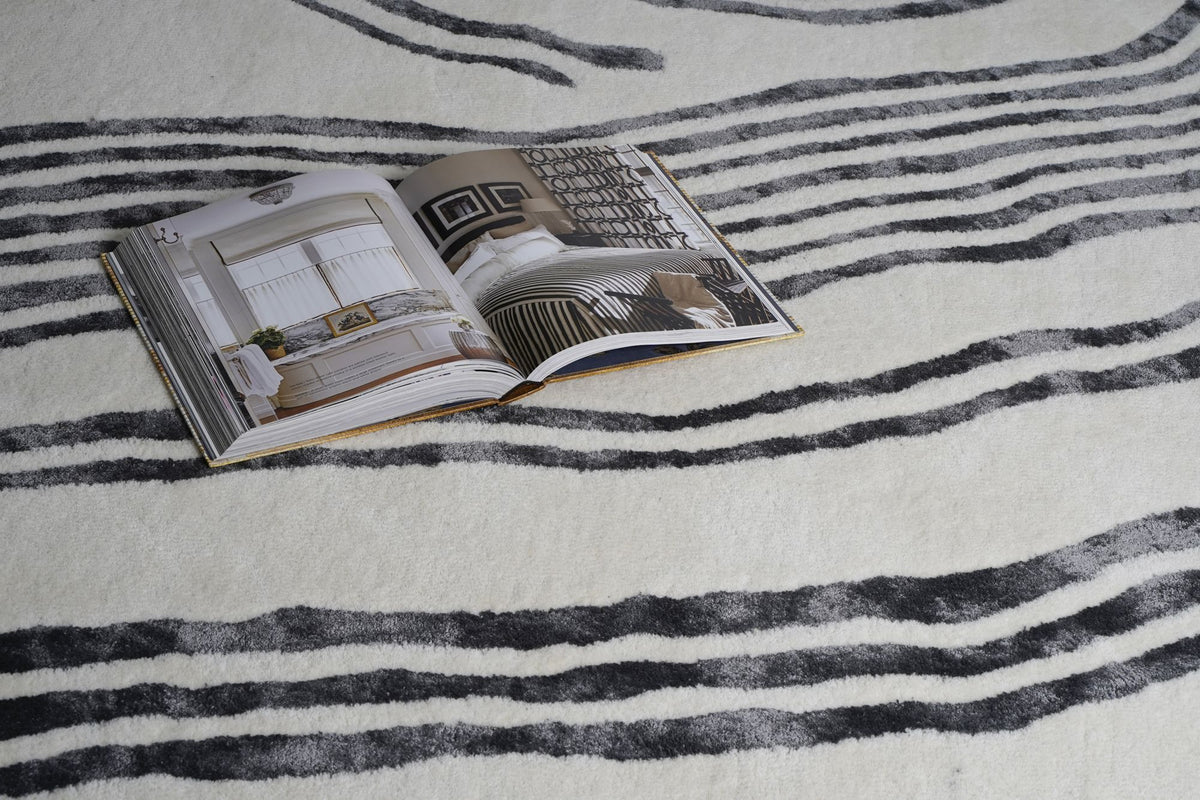
In practice that means undyed or softly dyed fibre, a visible weave, and colour that moves slightly across the field. It does not mean a careless rug. A wabi sabi rug is made with care; it simply does not hide what it is made of.
A simple test is to run your palm across the rug with your eyes closed. A rug with this quality has a surface you can read, ridges and slubs and a slight give, where a printed or synthetic rug feels the same everywhere.
Which fibres carry that quiet irregularity?
Jute most of all, and handloom wool close behind. Jute is a plant fibre whose thickness and colour vary along each strand, so a jute rug always shows a gentle shimmer of tone.


The Savannah Jute Rug is hand-knotted in jute, plant-spun and hard-wearing, and better looking as it ages. The Masai Jute Rug is handwoven in jute, firm and textured, with the irregularity that makes the fibre worth having.
Among wool rugs, the Grain Wool Rug in umber is handloom woven in New Zealand wool with a low, closely worked surface. The weave is visible underfoot and the umber shifts slightly in tone, quieter than jute but in the same spirit, from about ₹37,000.
What is character and what is a defect?
Character is variation that belongs to the fibre and the making; a defect is a fault that affects how the rug holds together or lies flat. Wabi sabi is never an excuse for the second.


| Character, to be expected | Defect, to be reported |
|---|---|
| Gentle shifts in tone across the field | A sharp band of a different colour from a wrong yarn |
| Slight thickness changes in jute strands | Loose knots, gaps or holes in the weave |
| A soft, hand finished edge | An edge that unravels or a binding that comes away |
| Small fibre ends that settle in the first weeks | A rug that will not lie flat after unrolling and resting |
Our guide to handmade rug irregularities explains these in more detail. If you see anything in the right hand column, contact Rugberry rather than living with it.
Wabi sabi welcomes the mark of fibre and hand, never the mark of carelessness.
How do you build a slow, lived in room around the rug?
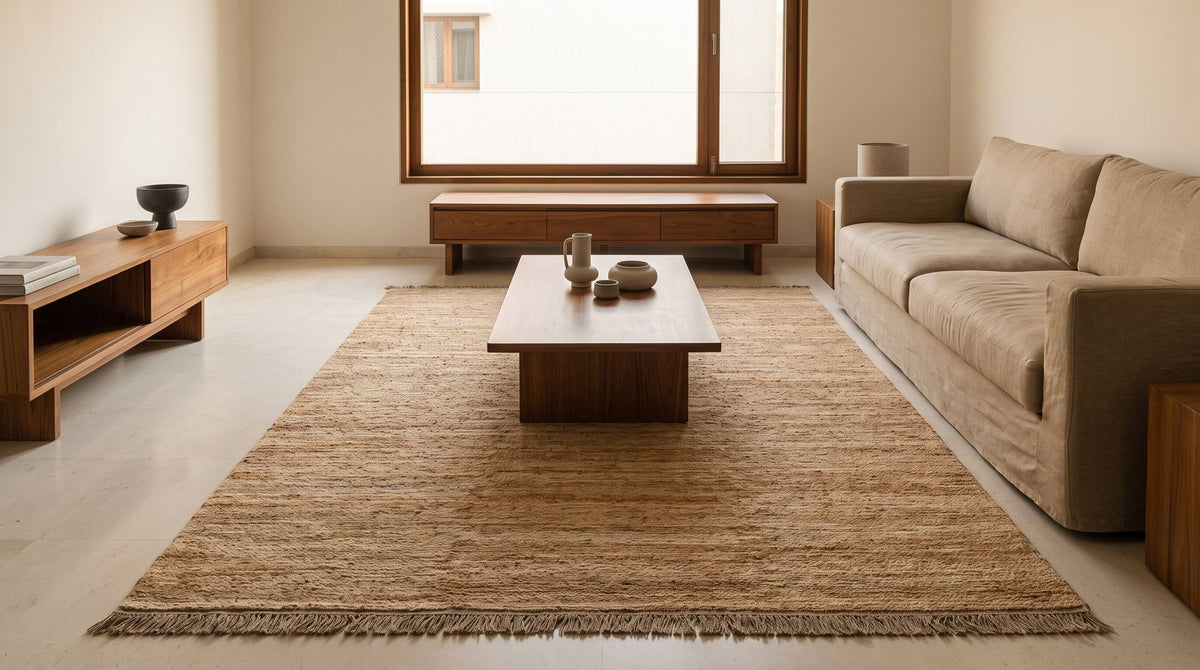
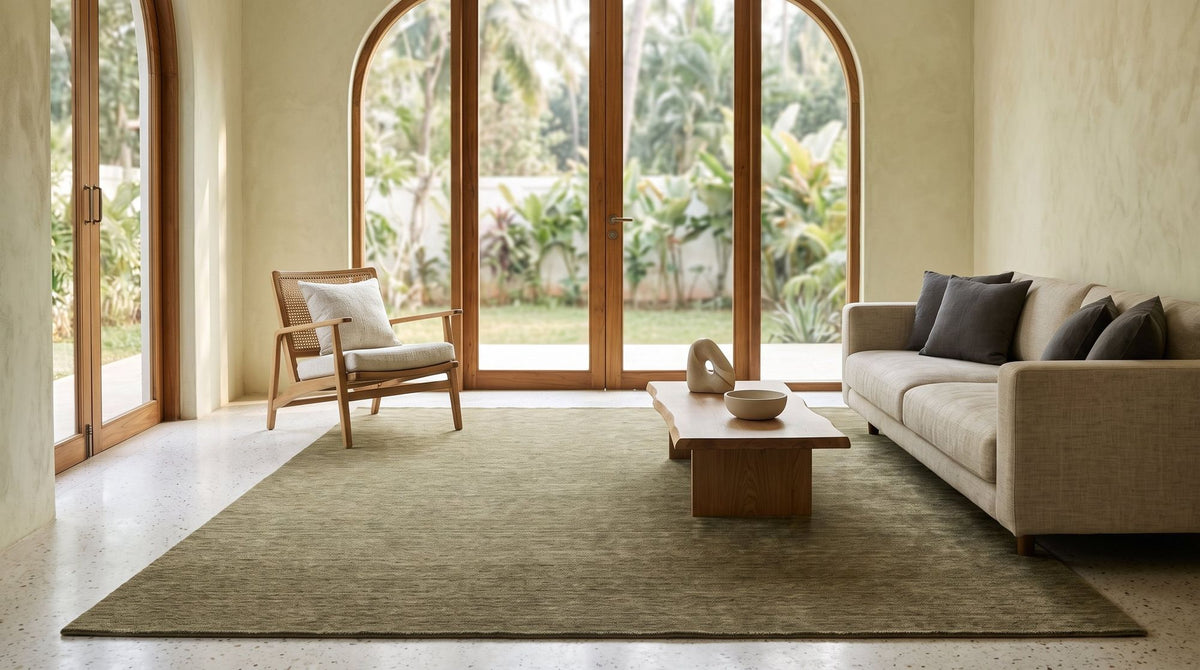
Use materials that age in the same way the rug does. Lime plaster, unpolished Kota or Jaisalmer stone, old teak, raw linen and hand thrown clay all soften and darken with years, as jute does.

- Keep the palette earthy. Undyed jute, umber, clay and off white. Avoid glossy whites and bright synthetics, which look new forever.
- Leave space. A few pieces with room around them, rather than a full set. The rug's texture needs open floor to be seen.
- Choose low furniture. A floor cushion, a low cane chair and a simple wooden bench keep the eye close to the rug's surface.
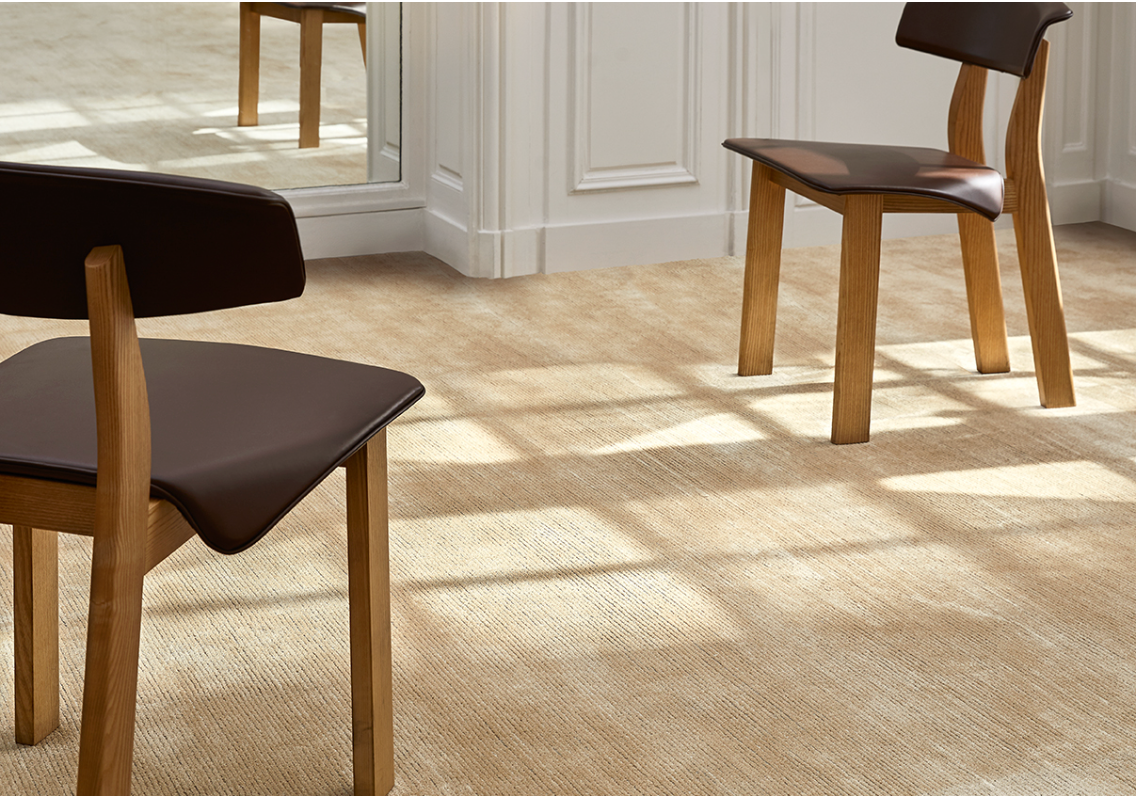
Let light do the rest. Low morning or evening sun raking across a jute rug picks out every ridge of the weave, so a room with an east or west window shows a textured rug at its best. Avoid harsh overhead spots that flatten the surface.
How does a jute rug live in an Indian home?
Well, if it stays dry. Jute is hard-wearing in sunlit, dry rooms and grows more beautiful with use, but it dislikes damp and standing water.

Keep jute rugs out of bathrooms, monsoon facing balconies and ground floor rooms prone to seepage. Vacuum regularly, since grit wears plant fibre, and blot spills at once without scrubbing. For a home near the sea or a room that stays damp in July and August, choose the Grain Wool Rug in umber over jute, because wool copes far better with humidity. See more in Rugberry's jute rugs.
Frequently asked questions
Is colour variation in a jute rug normal?
Yes. Jute is a plant fibre and each strand varies a little in tone, so a jute rug always shows gentle shifts of colour across its surface.
Does wabi sabi mean the rug can have flaws?
No. It means the rug can show its fibre and its making. Loose knots, holes or unravelling edges are faults, whatever the style.
Can a wool rug have a wabi sabi feel?
Yes. A handloom wool rug with a visible weave and slight tonal movement, such as the Grain in umber, carries the same quiet honesty as jute.
Honest fibre, made with care, and allowed to age. Material first.



Leave a comment
This site is protected by hCaptcha and the hCaptcha Privacy Policy and Terms of Service apply.