


A Japandi Living Room in an Indian Apartment
A Japandi living room in an Indian apartment works best on a low, closely woven wool rug in a pale earth colour, sized so the sofa and chairs stand on it. Start with the rug, then add wood, linen and very little else.
In short
- A Japandi living room needs a rug with visible texture and no busy pattern, in flax, sand, greige or a soft clay.
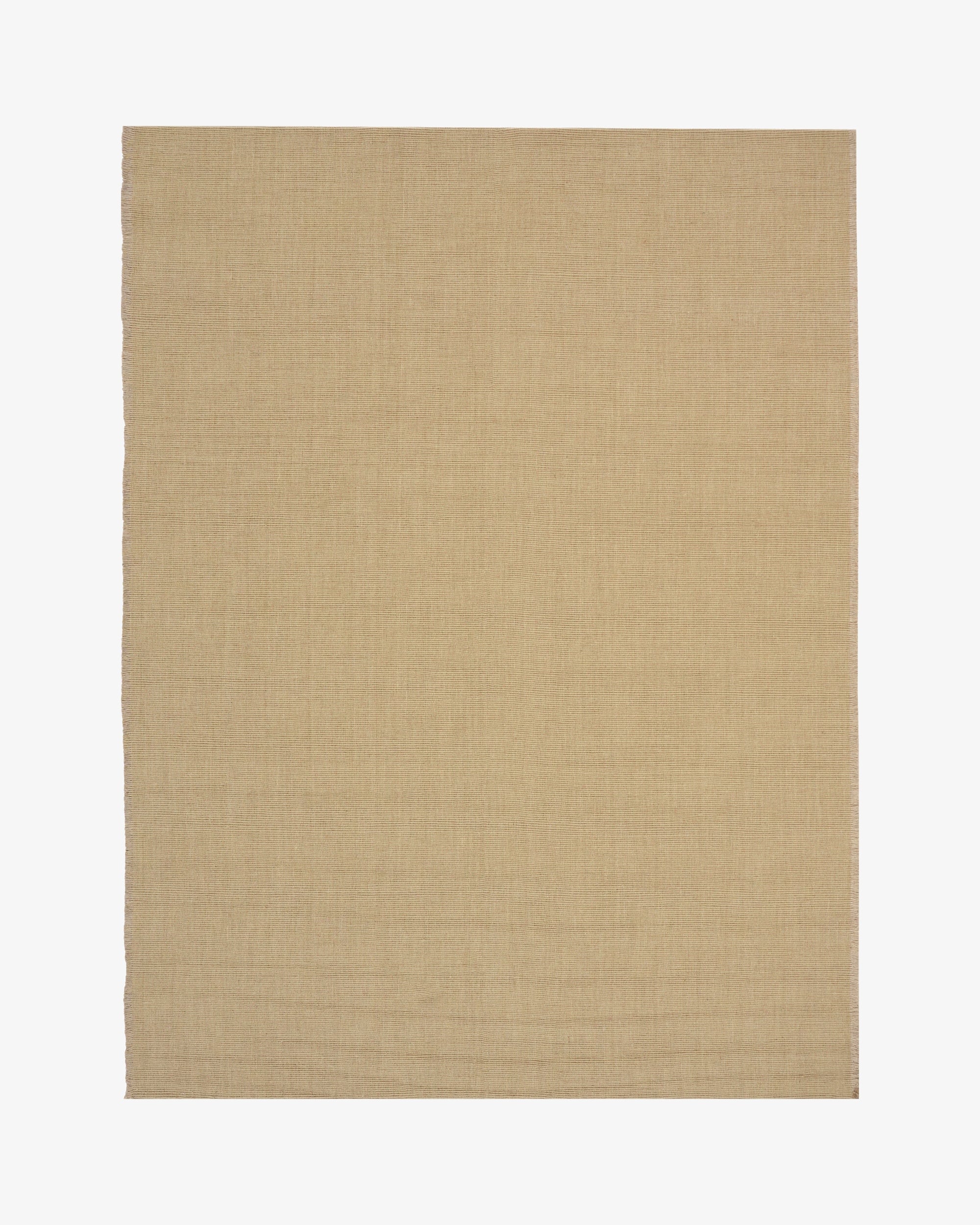
- Rugberry's Grain Wool Rug in Flax is handloom New Zealand wool at 12 to 14 mm, regular price ₹37,000 for 5x8 ft ex GST at the time of writing.
- For a typical 3 BHK living area of about 14x18 ft, an 8x10 ft rug lets the front legs of every seat rest on it and leaves a wide border of floor.
- A low pile of 7 to 14 mm suits Japandi better than a deep pile, because the look depends on clean lines and low furniture.
What does a Japandi living room actually need from a rug?
A Japandi living room needs a rug that adds texture and warmth without adding pattern. Japandi borrows restraint from Japanese rooms and comfort from Scandinavian ones, so the rug is where the two meet.


In most Indian apartments, the floor is the problem. Vitrified tiles and polished marble reflect light and sound, and they read cold in a room built on wood and linen. A rug of natural fibre fixes that faster than any other single change.
The test is simple. Stand at the door and look at the room for three seconds.
If your eye goes to the rug first, it is too loud for Japandi. If your eye goes to the room as a whole, and the rug is what makes it feel finished, you have the right one.
That rules out a lot. High contrast geometry, large florals, a bright sheen and shag all pull attention. What remains is a small family of rugs: handloom wool with a visible weave, wool and jute blends, and quiet Botanical Silk in grey and greige tones.
Which fibre suits Japandi best in an Indian home?
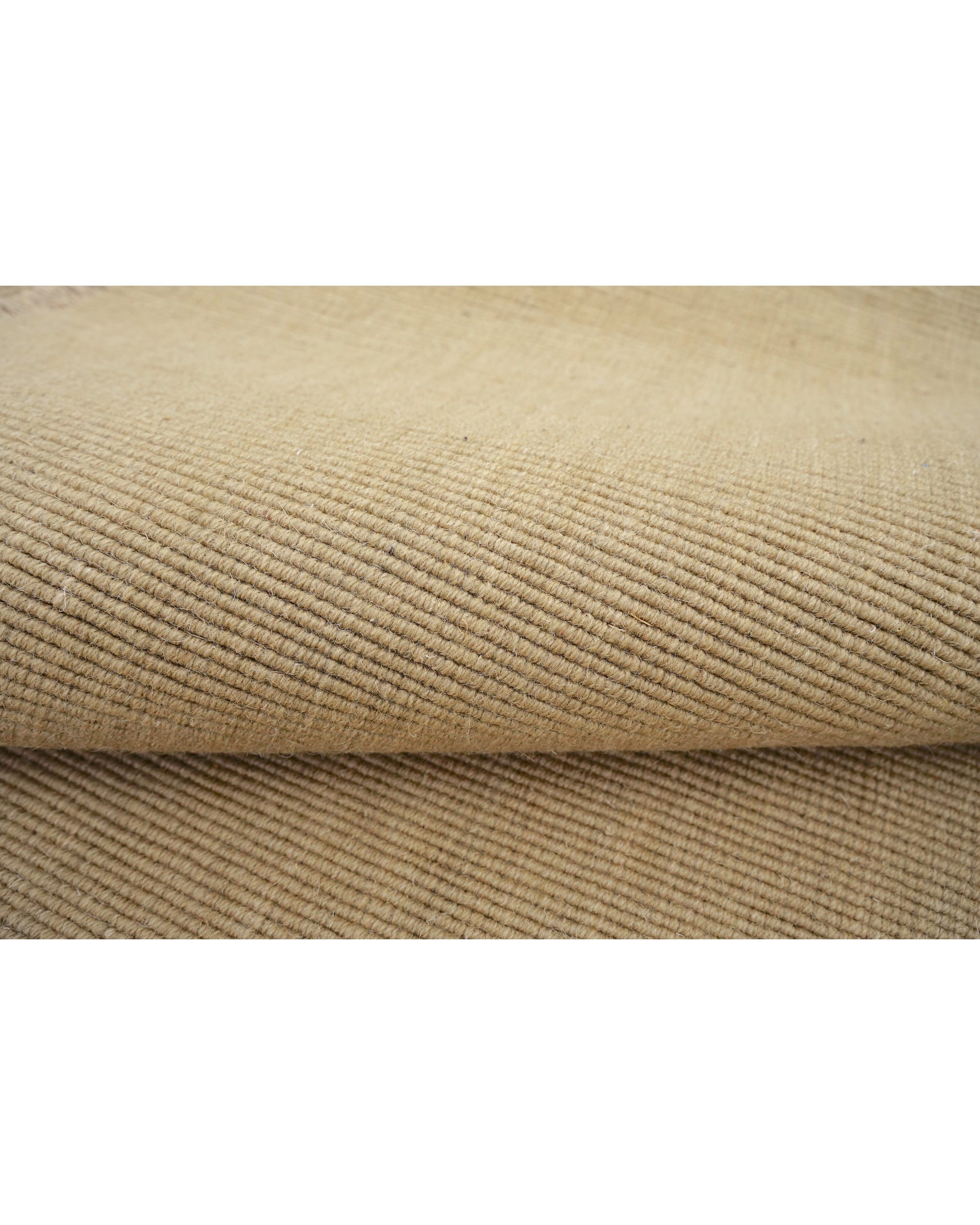
New Zealand wool is the best single fibre for a Japandi room in India, because it has a matte surface, a soft hand and enough resilience for daily family use. Jute and wool blends are the second choice, and Botanical Silk works when you want a low sheen in a dim room.

Wool sits in Rugberry's Terra grade, the grade for strength, natural texture and everyday living. That is close to the Japandi brief: honest material, built to be used, ageing well.
Jute brings the rougher, grassier texture of a tatami room. On its own, jute is firm underfoot. Blended with wool, as in the Cabra Wool & Jute Rug, it keeps the dry texture but softens the walk.
Botanical Silk is a plant based fibre with a low, shifting sheen. In a Japandi room, keep it to grey, greige or charcoal, and keep it out of rooms that face strong west sun, where the sheen can turn glossy in the late afternoon.
| Rugberry rug | Fibre | Construction | Pile | Regular price, 5x8 ft, ex GST | Japandi role |
|---|---|---|---|---|---|
| Grain Wool Rug, Flax | New Zealand wool | Handloom | 12 to 14 mm | ₹37,000 | The main living room rug |
| Cabra Wool & Jute Rug, Sand | New Zealand wool and jute | Handloom | 7 to 8 mm | ₹34,000 | Dining zone or entrance |
| Luma Silk Rug, Greige | Botanical Silk | Handloom | 10 mm | ₹40,000 | Bedroom or quiet reading room |
| Plush Wool Rug, Sand | New Zealand wool | Handloom | 18 to 20 mm | ₹40,000 | Only where floor seating is planned |
For a Japandi living room used every day by a family, choose the Grain Wool Rug over the Luma Silk Rug, because wool hides footprints and recovers from furniture better than a low Botanical Silk pile.
What size rug does a Japandi living room in an Indian apartment need?
Most Indian apartment living rooms need an 8x10 ft rug for a Japandi layout, with 9x12 ft for living areas above about 16x20 ft. A small rug floating in front of the sofa breaks the calm, because it cuts the floor into unrelated pieces.
Japandi furniture is low, so the rug is seen more than usual. A low sofa with exposed legs, a coffee table close to the floor and a pair of chairs all show the rug around them. That makes proportion matter more than colour.
- 2 BHK, living area about 12x15 ft: 6x9 ft or 8x10 ft. Front legs of the sofa and chairs on the rug.
- 3 BHK, living area about 14x18 ft: 8x10 ft. Leave 18 to 24 inches of floor between rug and walls.
- Large living or duplex, 18x22 ft and above: 9x12 ft or 10x14 ft, with the whole seating group on the rug.
Our living room rug size guide covers the measuring in detail. For Japandi, add one rule: line the rug up with the longest wall, never at an angle. Japandi depends on straight lines and quiet alignment.
Which colours read as Japandi without turning the room grey?
Japandi colours sit between warm and cool: flax, sand, oatmeal, greige, soft clay and dark umber used sparingly. The rug should be one or two steps darker than the walls and one or two steps lighter than the darkest wood in the room.


Japandi is not grey. It is the colour of raw materials: wood, clay, flax and stone.
The usual mistake in Indian homes is an all grey scheme. Grey walls, grey sofa and a grey rug read cold against the strong daylight most Indian flats get.
Warm the base instead. A flax or sand rug under a white or off white wall lets teak, walnut and oak glow.
Dark accents still matter. A charcoal lamp base, a black iron chair frame or an umber cushion gives the eye somewhere to rest. Keep those dark notes off the rug, unless the rug is the only dark element, as in a room with pale oak floors and pale walls.
Our post on Japandi rugs explains the style itself. Here, the practical rule is: match the rug to your floor first.
On white marble, choose flax or sand. On grey vitrified tiles, choose greige or a warm oatmeal. On dark wood, choose the palest option in the range.
How do you build the rest of the room around the rug?
Build a Japandi room in layers around the rug: low seating, one natural wood table, linen or cotton at the windows, and two or three objects with visible handwork. Every layer should share the rug's matte, natural texture.

- Rug first. Choose the fibre, colour and size before the sofa fabric. Changing a rug later is harder than changing cushions.
- Seating. A low sofa in linen, cotton or a matte boucle. Avoid shiny velvet, which fights with a matte wool rug.
- Wood. One main wood tone, repeated two or three times. Teak and sheesham are both at home in Japandi when they are left matte.
- Light. Paper or linen lamp shades and warm white bulbs of about 2700 K. Japandi rooms look their best in soft, low light.
- Objects. A clay pot, a single branch, a stack of books. In an Indian home, a brass or terracotta diya on a tray fits the brief as long as it is the only one on display.
A minimalist rug and a Japandi rug are not the same thing. Minimalism can be cold and white. Japandi asks for warmth and texture, which is why a handloom weave suits it better than a smooth cut pile.
What does a Japandi rug cost in India?
A Japandi living room rug from Rugberry costs from ₹37,000 for a 5x8 ft Grain Wool Rug to ₹74,000 for 8x10 ft and ₹1,02,000 for 9x12 ft, at regular price, ex GST, at the time of writing. Sale prices, when a sale is running, may be lower.
The Cabra Wool & Jute Rug starts lower, at ₹34,000 for 5x8 ft, because the 7 to 8 mm weave uses less wool. The Luma Silk Rug in Greige starts at ₹40,000. For a full picture of what each band buys, see our guide to rugs from ₹50,000 to ₹1 lakh.
Can a Japandi rug survive Indian dust, monsoon and family life?
A handloom wool rug survives Indian dust and monsoon well, as long as it is vacuumed weekly without a beater bar and turned every few months. Wool's natural lanolin resists light spills, and a low, close weave holds less dust than a deep pile.
In the monsoon, the main risk is damp from below. Keep the rug off a freshly mopped floor until the floor is dry, and open the room to air on dry days. A rug pad between rug and floor helps airflow and stops slipping on polished tile.
For homes with children and pets, the wool and jute blend in the Cabra range is the more forgiving choice in a dining zone, because the 7 to 8 mm weave is firm and easy to brush clean. The Grain Wool Rug belongs where people sit and walk barefoot.
Rugberry's guide to rugs and dust in India has a full care routine. The short version: vacuum weekly, blot spills at once, professional cleaning only, and never scrub a wool pile.
If you want to see the textures side by side, the Grain Collection holds seven colours of the same handloom weave, and swatches let you check a colour against your floor in your own daylight. The Rugberry rug guide collects every fibre and room guide in one place.
Frequently asked questions
What is the best rug for a Japandi living room in India?
A low, handloom New Zealand wool rug in flax, sand or greige suits a Japandi living room best. Rugberry's Grain Wool Rug, at 12 to 14 mm, is made for this kind of calm, textured room.
Should a Japandi rug be patterned or plain?
A Japandi rug should be plain or very quietly textured. Visible weave, a soft mottle or a tonal stripe is enough, while bold patterns and high contrast pull attention away from the room.
What size rug do I need for a Japandi living room in a 3 BHK?
Most 3 BHK living rooms need an 8x10 ft rug. It lets the front legs of the sofa and chairs rest on the rug and leaves a calm border of floor around it.
Is jute a good rug for Japandi interiors?
Jute suits Japandi because of its dry, natural texture, but pure jute is firm underfoot. A wool and jute blend, such as the Rugberry Cabra Wool & Jute Rug, keeps the texture and is softer to walk on.
Does a Japandi room need a deep pile rug?
A Japandi room rarely needs a deep pile rug, because the style relies on low furniture and clean lines. A pile of 7 to 14 mm keeps the room calm, and a deeper pile suits floor seating only.
Start on the floor, in a fibre you can name. Material first.




Leave a comment
This site is protected by hCaptcha and the hCaptcha Privacy Policy and Terms of Service apply.