



Botanical Silk vs Polyester Sheen Rugs
Botanical Silk is a plant-based fibre that gives a rug a deep, soft sheen and a cool feel underfoot, while polyester is a synthetic fibre that gives a brighter, more uniform shine at a lower price. Botanical Silk feels better and looks richer in changing light, but marks with water; polyester resists water and wear but can feel warm and look flat.
In short
- Botanical Silk is a plant-based fibre, not silk and not a synthetic; polyester is a synthetic fibre made from petroleum based polymer.
- Botanical Silk feels cool and fluid underfoot and has a soft sheen that shifts with the light; polyester sheen is usually brighter and more even, and the fibre can feel warmer.
- Botanical Silk is easily marked by water and needs professional cleaning, while polyester shrugs off most water based spills.
- Rugberry's Luma and Nuva rugs are handloom Botanical Silk at 10 mm, from ₹40,000 for 5x8 ft, regular price ex GST at the time of writing.
What is the difference between Botanical Silk and polyester?
The difference is the raw material. Botanical Silk is a plant-based fibre spun into a fine, lustrous yarn; polyester is a synthetic fibre extruded from plastic, often made shiny by its cross section and finish. Both are used to give rugs a silk-like sheen at a fraction of the cost of real silk.


The making differs too. Botanical Silk yarn is spun from plant-based fibre into fine, smooth strands that lie close together, which gives it a liquid look. Polyester is made by melting polymer and pushing it through fine holes, and its shine can be tuned by the shape of those holes and the finish applied, very consistently and at scale.
Neither is silk. Real silk is a protein fibre from the silkworm, and Rugberry names it separately on the one rug where it is used. Rugberry's guide to silk vs Botanical Silk explains that difference in detail.
Online, the two look almost the same. A Botanical Silk rug and a polyester sheen rug can both photograph as glossy, soft and expensive. The difference shows when you stand on them, when the afternoon light moves across the room, and when someone spills a glass of water.
The honest summary is simple. Botanical Silk is the more beautiful and more delicate fibre. Polyester is the more practical and less expensive one.
How do they compare on feel, sheen, heat and water?
Botanical Silk wins on feel and depth of sheen, while polyester wins on water resistance, durability in busy rooms and price. The table sets out how each behaves in an Indian home.
| Point | Botanical Silk | Polyester sheen | Verdict |
|---|---|---|---|
| Origin | Plant-based fibre | Synthetic, from petroleum based polymer | Botanical Silk for a natural fibre story |
| Feel underfoot | Cool, fluid, very smooth | Soft but can feel slick or warm | Botanical Silk for bare feet in summer |
| Sheen | Soft, deep, shifts with light and pile direction | Brighter, more uniform | Botanical Silk for calm, layered light |
| Water | Marks and can stiffen when wet | Resists most water based spills | Polyester near water |
| Footmarks | Shows shading where the pile is brushed | Shows less shading | Polyester for heavy traffic |
| Ageing | Settles gracefully with care, cleaned professionally | Holds colour, can pill or flatten and look tired | Botanical Silk for a calm room |
| Price | Higher | Lower | Polyester on a tight budget |
For a bedroom or a formal living room with little traffic, choose Botanical Silk over polyester, because its sheen and cool feel are what you paid for and the room will not test its weakness with water. For a dining room or a home with toddlers, a wool rug, or a wool and Botanical Silk blend, is the better middle path.
Why does Botanical Silk feel cooler underfoot?
Botanical Silk feels cooler underfoot because plant-based fibres handle moisture and heat differently from synthetics: the fibre draws heat from the skin and lets the air under the foot move, so a bare foot reads it as cool. Polyester absorbs very little moisture, so it can feel warmer and slightly clammy in humid weather.

In a Chennai or Mumbai summer, that difference is easy to feel. Walk barefoot from a Botanical Silk rug onto a synthetic one in the same room and the first will feel like stone in shade, the second like a cushion in the sun.
The cool feel is one reason Botanical Silk suits Indian bedrooms well. Rugberry's guide to wool vs Botanical Silk compares it with the warmer fibre for rooms that see cold winters as well as hot summers.
Both fibres shine in a photo. Only one stays cool under a bare foot in May.
How does the sheen differ in your room's light?
Botanical Silk's sheen shifts with the light and the direction of the pile, so a rug looks paler from one side of the room and deeper from the other; polyester's sheen is usually brighter and more uniform. Botanical Silk looks alive in changing light, while polyester can look flat or glassy in strong sun.


Rugberry describes the Luma rug as a surface holding the light and letting it go. That is the effect: in the morning, with sun from the east, the pile glows; at night, under a warm lamp, it deepens to a satin. Rugberry's guide to lighting and sheen explains how to place a lustrous rug.
The same quality shows footmarks. Brushing the pile one way lightens it, the other way darkens it, so a Botanical Silk rug shows where people have walked. Some people love the trace; others prefer a wool and Botanical Silk blend, where the wool calms the effect.
Place a Botanical Silk rug where light arrives from the side, such as near a tall window or under a wall washer, rather than straight down from a bright downlight. Side light shows the sheen at its best and makes the shading look intended.
Polyester sheen is more even but can tip into glare in a sunny room. Under a north facing window it may look dull. Under a bright west window it can look like plastic.
How do you care for each fibre?
Care for Botanical Silk by vacuuming gently with suction only, blotting spills at once without water, and sending it to a professional cleaner. Polyester can usually tolerate a damp cloth and mild soap, which is its main practical advantage.
- Blot, never rub. On Botanical Silk, rubbing crushes and dulls the fibre. Press white kitchen towel onto a spill and lift.
- Avoid water. Water can mark Botanical Silk and stiffen the pile. Do not pour water or spray cleaners on it.
- Brush the pile. After vacuuming, brush the pile lightly in one direction with a soft brush, so the sheen evens out.
- Rotate. Turn the rug every three months to spread wear and sun.
- Professional cleaning. Rugberry's product pages for Botanical Silk rugs say professional cleaning only. Treat home steps as first aid.
Polyester is more forgiving. A damp cloth with a little mild detergent lifts most food spills, though oily marks can cling to synthetic fibre. Rugberry's guide to easy to clean rug fibres compares the options across natural fibres.
Which rooms suit Botanical Silk, and which suit polyester?
Botanical Silk suits bedrooms, formal living rooms and dressing areas, where feet are bare, traffic is light and water is rare. Polyester suits kids' rooms, entrances and rentals, where spills are frequent and the rug may not stay long.

- Master bedroom. Botanical Silk. A cool, smooth surface beside the bed is where the fibre is at its best.
- Formal living room. Botanical Silk, or a wool and Botanical Silk blend if the room is used every day.
- Dining room. Neither is ideal. A low wool rug handles food and chairs better than both.
- Children's room. Polyester or wool. Botanical Silk shows every footmark and water mark.
- Near a bathroom or balcony door. Keep Botanical Silk well away from wet feet.
Consider the household as much as the room. A home with a toddler, a dog that comes in from a wet walk, or a joint family hosting relatives through festival weeks will test a Botanical Silk rug far harder than a couple in a quiet flat.
There is also the question of what the rug is for. If the room needs shine above all, on a tight budget, polyester delivers it. If it needs a natural fibre with depth that rewards a closer look, Botanical Silk is the more honest choice.
Which Rugberry rugs use Botanical Silk?
Rugberry uses Botanical Silk on its own in the handloom Luma and Nuva rugs, and blended with New Zealand wool in hand tufted designs such as Cabella, Nebula and Terraform. The blends give some of the sheen with more of wool's resilience.


The Luma Silk Rug in Greige is handloom Botanical Silk at 10 mm, cool underfoot, its sheen changing as the light turns. Despite the product name, the fibre is Botanical Silk, not silk. The whole range sits in the Luma collection.
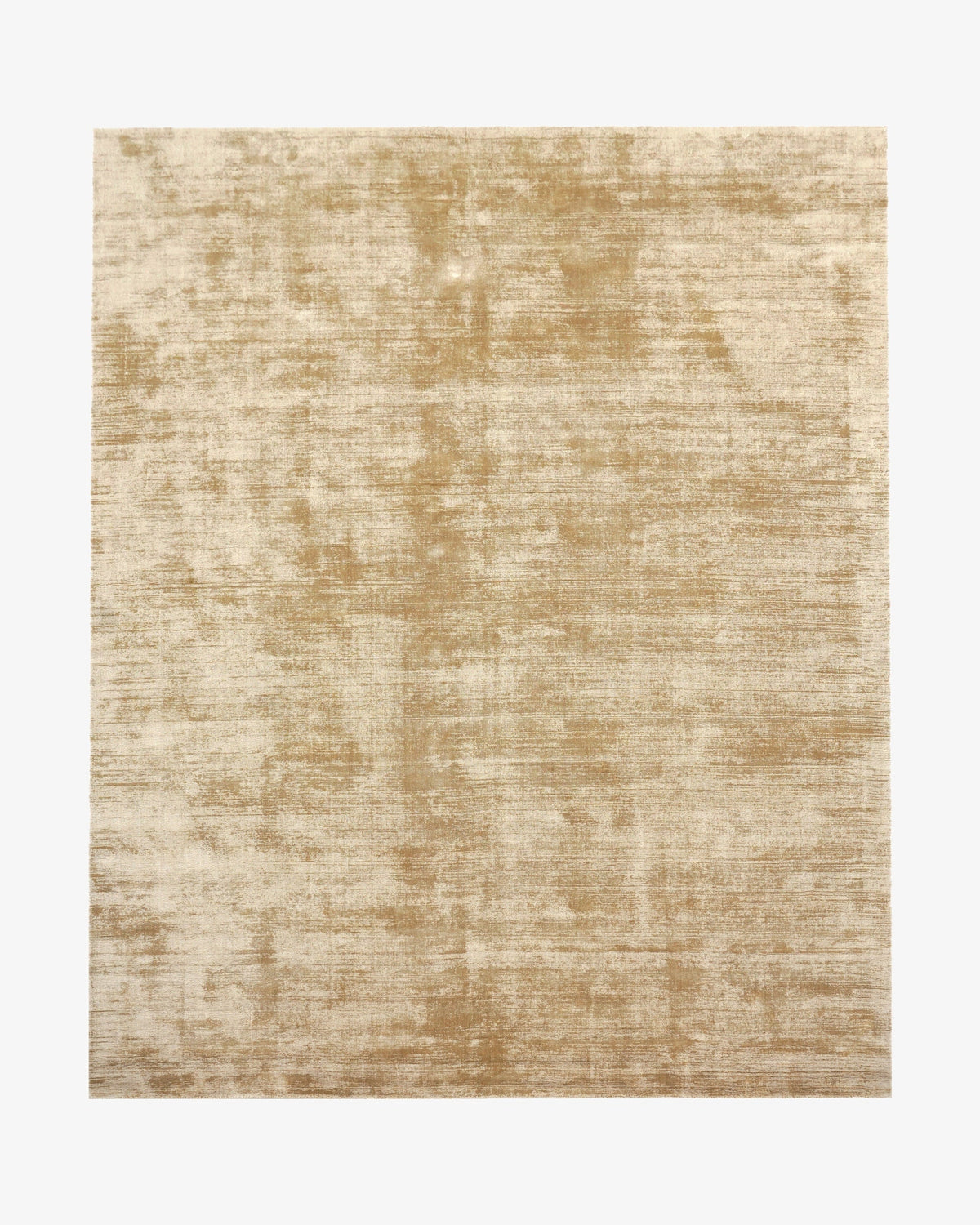
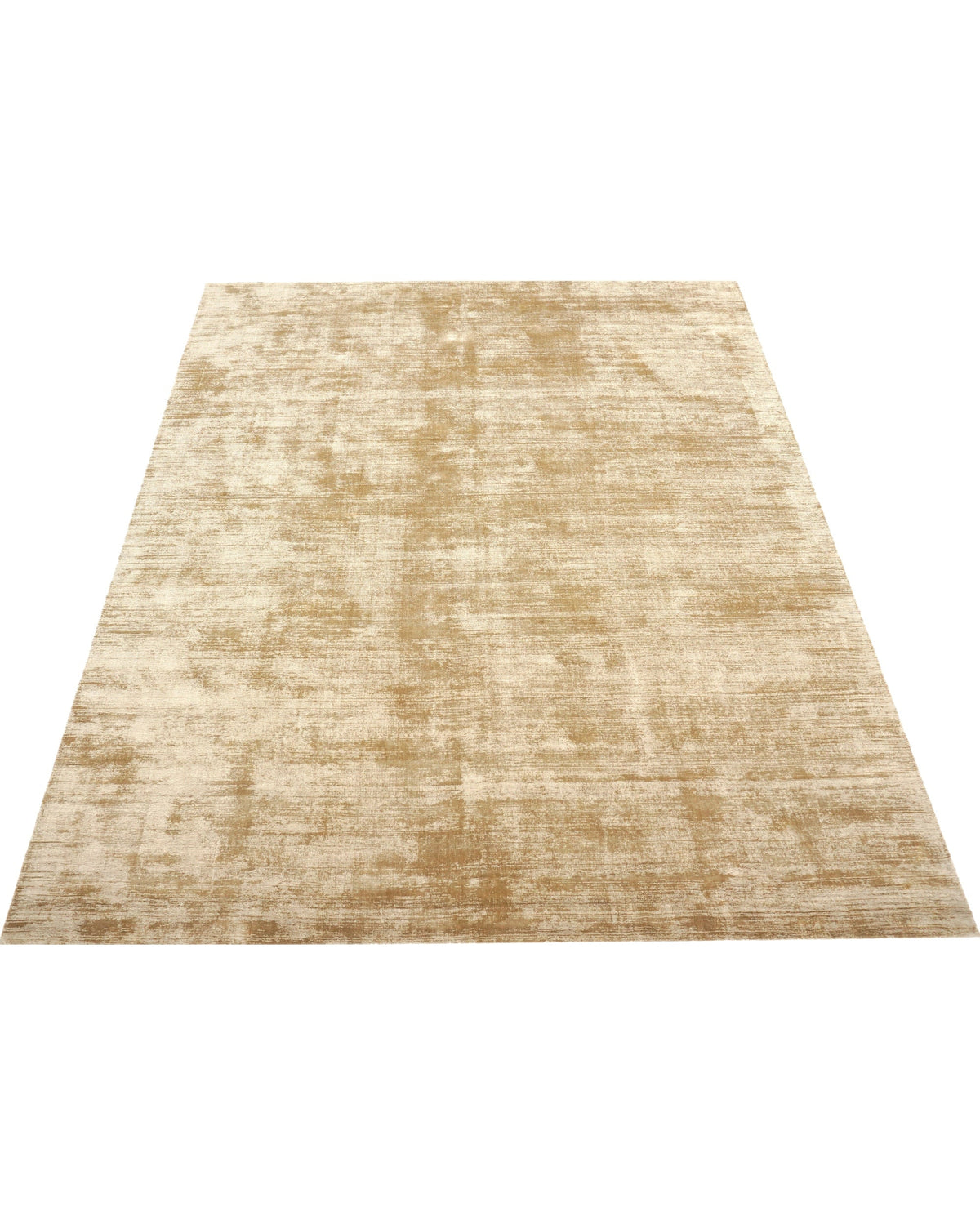
The Nuva Silk Rug in Camel is also handloom Botanical Silk at 10 mm, in a warm camel with an uneven, painterly sheen. Rugberry's notes on the Nuva rug show it in rooms.
For a busier room, the Cabella Wool & Silk Rug in Frost is hand tufted in New Zealand wool and Botanical Silk at 14 to 16 mm, from ₹41,000 for 5x8 ft, with a low sheen that lifts as the light moves. The wool takes the wear, the Botanical Silk carries the light. Rugberry's post on the Cabella rug covers its colours.
Frequently asked questions
Is Botanical Silk real silk?
Botanical Silk is not real silk. It is a plant-based fibre spun to give a silk-like sheen, while real silk is a protein fibre from the silkworm.
Is Botanical Silk better than polyester?
Botanical Silk is better for feel and depth of sheen, and it is a plant-based fibre rather than a synthetic. Polyester is better near water and in heavy traffic, and it costs less.
Can a Botanical Silk rug get wet?
A Botanical Silk rug should be kept away from water, because water can mark the fibre and stiffen the pile. Blot any spill at once with dry white towel and send stubborn marks to a professional cleaner.
How can I tell a polyester rug from Botanical Silk?
Check the fibre named on the product page first. By hand, Botanical Silk usually feels cooler and more fluid, and its sheen shifts strongly with the direction of the pile, while polyester tends to feel warmer and shine more evenly.
Which Rugberry rugs are Botanical Silk?
Rugberry's Luma and Nuva rugs are handloom Botanical Silk at 10 mm. Cabella, Nebula, Allure and Terraform are hand tufted blends of New Zealand wool and Botanical Silk.
Name the fibre before you admire the shine. Material first.




Leave a comment
This site is protected by hCaptcha and the hCaptcha Privacy Policy and Terms of Service apply.