



Wool vs Polypropylene Rugs
Choose wool for living rooms and bedrooms you want to enjoy for years, because it feels warmer and softer, springs back from footfall and ages well. Choose polypropylene for damp, outdoor or short term spaces, because it absorbs almost no water, resists many stains and costs far less to begin with.
In short
- Wool is a natural animal fibre with a crimp that lets it spring back after pressure; polypropylene is a synthetic plastic fibre that tends to flatten in walkways over time.
- Polypropylene absorbs almost no water and resists many water based stains, which suits covered balconies and damp spaces; wool resists spills for a short time but needs prompt blotting.
- Wool is naturally slow to catch fire and tends to char rather than melt, while polypropylene can melt when it meets a flame or a hot coal.
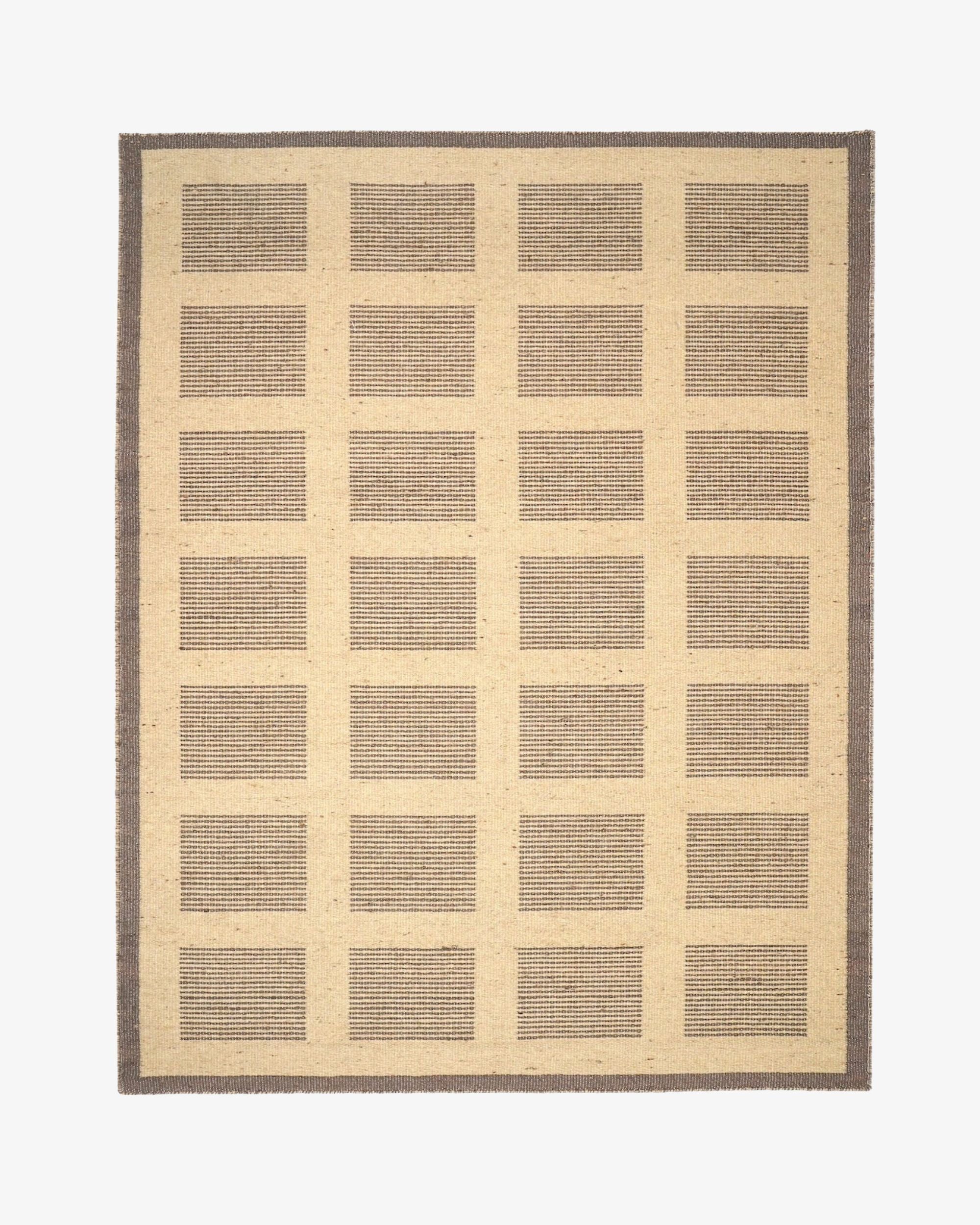
- Rugberry's handloom Grain Wool Rug in New Zealand wool costs ₹37,000 for 5x8 ft, regular price ex GST at the time of writing.
What is the difference between wool and polypropylene?
Wool is a natural protein fibre shorn from sheep, with a natural crimp and a waxy coating called lanolin; polypropylene, also called olefin, is a synthetic fibre made from plastic, coloured as it is extruded. The two can look alike in a photo but behave very differently on a floor.


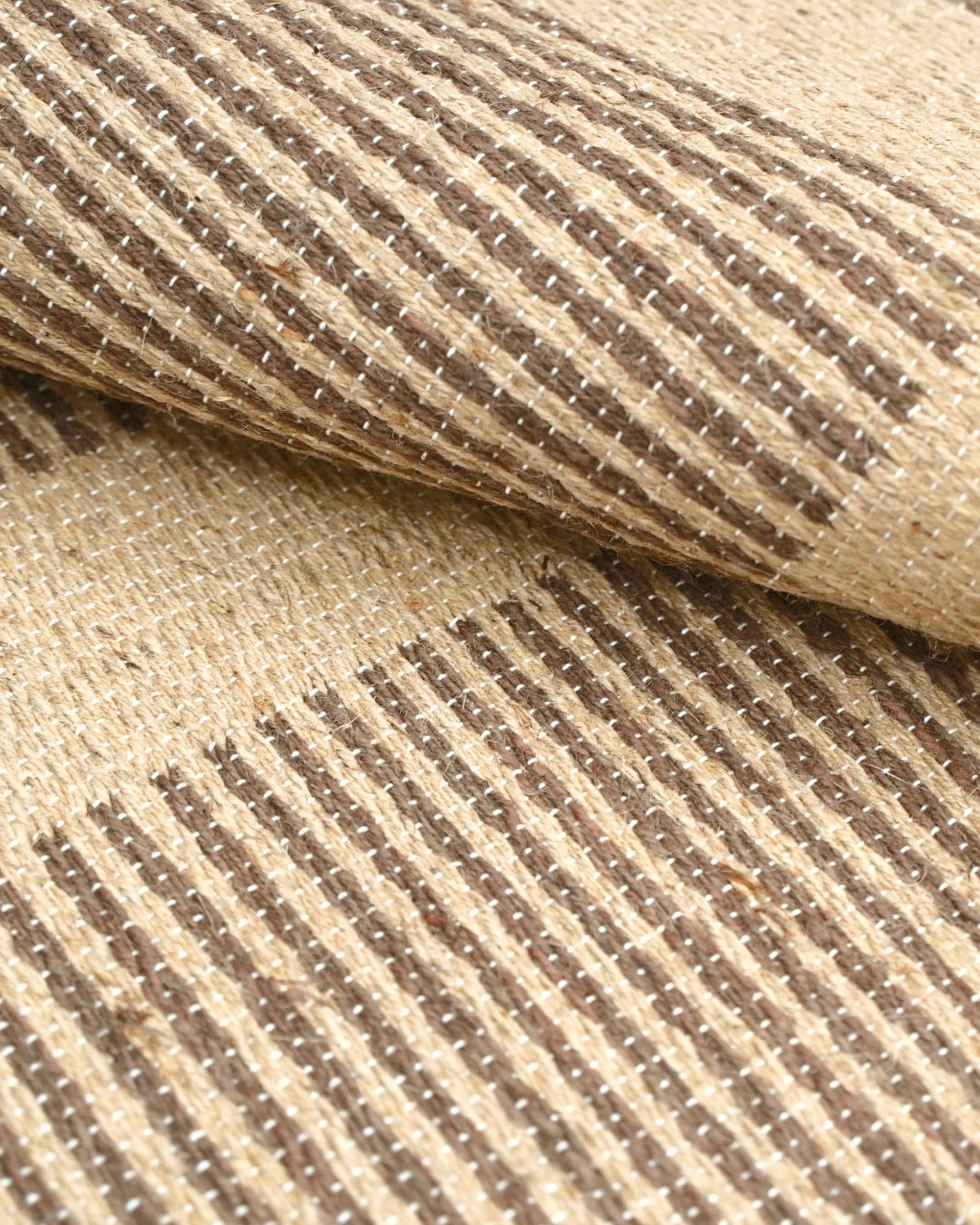
Wool's crimp is a natural wave along each fibre. It acts like a tiny spring, which is why a wool pile recovers after a sofa leg or a footstep. Lanolin helps wool shed dust and resist a spill for a moment before it soaks in.
Polypropylene has no crimp of its own unless one is heat set into the yarn, and it is smoother and more uniform. It is coloured through the fibre during manufacture, so it holds colour well in sun, and it absorbs almost no water.
Neither fibre is wrong. They suit different rooms, budgets and timeframes. The honest question is which room the rug is for, and how long you expect it to stay there.
How do wool and polypropylene compare in Indian homes?
Wool wins on feel, recovery, ageing and fire behaviour, while polypropylene wins on water resistance, price and ease with some stains. The table compares them on the points that matter most in Indian homes.
| Point | Wool | Polypropylene | Verdict |
|---|---|---|---|
| Feel underfoot | Warm, soft, springy | Smooth, can feel slightly waxy or plasticky | Wool for rooms you sit in |
| Summer heat | Breathes and handles humidity, does not feel clammy | Does not absorb moisture, can feel warm under bare feet | Wool for bedrooms |
| Recovery from footfall | Springs back thanks to crimp | Tends to flatten in walkways | Wool for busy living rooms |
| Water and damp | Absorbs moisture, needs drying if soaked | Absorbs almost none, dries fast | Polypropylene for damp spaces |
| Water based stains | Resists briefly, blot at once | Resists well | Polypropylene for kids' craft corners |
| Oil based stains | Can be cleaned professionally | Attracts oily soil, can grey over time | Wool near dining areas |
| Fire | Slow to ignite, tends to char | Can melt at a hot spark or coal | Wool near diyas and hearths |
| Ageing | Develops a patina, can be restored | Looks tired once crushed, rarely restored | Wool for the long term |
| Price, 5x8 ft | Grain ₹37,000 | Usually much lower | Polypropylene for short term use |
For a living room or bedroom you plan to keep for many years, choose wool over polypropylene, because it recovers from daily use and can be cleaned and restored, while a crushed synthetic pile cannot be brought back.
Which is safer near diyas, agarbattis and hot coals?
Wool is the safer fibre near open flames because it is naturally slow to catch fire and tends to char and stop burning when the flame is removed, while polypropylene can melt at the touch of a hot coal or a fallen diya. No rug is fireproof, so flames still need distance.

Indian homes put rugs near fire more often than most. Diwali diyas line the floor, agarbattis burn in puja corners, and in North Indian winters an angithi or a heater may sit nearby. A falling wick on wool usually leaves a small scorch that can be trimmed; on polypropylene it can leave a hard melted pit.
Keep a clear margin anyway. Rugberry's guide to diyas near a rug covers safe placement, trays and distances during festivals.
No rug is fireproof. Wool forgives a fallen spark far better than plastic does.
How do wool and polypropylene age over the years?
Wool ages slowly and evenly, its pile settling into a soft patina that can be cleaned and refreshed by professionals, while polypropylene keeps its colour but tends to flatten and mat in walkways. After five years, the difference is usually clear in the path from sofa to door.

A new wool rug sheds loose fibres for the first few months, which is normal. Rugberry's post on wool rug shedding explains why it settles. After that, a well cared for wool pile wears down very slowly.
Polypropylene does not shed in the same way and holds colour well in direct sun. Its weakness is crushing: the smooth fibres lie down where feet travel and do not spring back, and the rug begins to show its traffic lanes. It also tends to attract oily soil from feet and kitchens, which can grey the surface.
Cost per year is the fairer way to compare. A ₹37,000 wool rug that serves a living room for ten years costs about ₹3,700 a year. A cheaper polypropylene rug replaced every two or three years can come close, with more rugs going to landfill along the way.
How do wool and polypropylene cope with dust and monsoon humidity?
Wool copes with dust by holding it near the top of the pile, where a suction vacuum can lift it, and with humidity by taking moisture vapour from the air and releasing it as the room dries. Polypropylene absorbs almost no moisture, so it stays dry in a damp room.
Dust is a fact of life in Delhi NCR, Jaipur and Ahmedabad, and it is the main reason rugs look tired. A wool pile with lanolin and crimp tends to give up dust to a vacuum. A smooth, flattened synthetic pile can look clean while fine grit works its way down to the base.
Monsoon humidity tests both. A wool rug can feel slightly heavier in August without feeling wet. The real risk is a wool rug that is soaked, by a leak or a flooded floor, and left to dry slowly, which is when mustiness starts.
Polypropylene does not absorb water, so it is the safer fibre where water actually reaches the floor. Rugberry's guide to preventing rug mould covers the habits that keep any rug fresh through the rains, and the guide to rug dust in India covers vacuuming routines.
Whatever the fibre, lift a rug off a damp floor, keep air moving under it, and lay it back only when both the floor and the rug are completely dry.
Where does polypropylene make sense?
Polypropylene makes sense on covered balconies and sit outs exposed to monsoon damp, in kids' craft corners, near a pool, and in rentals where the rug may only stay a year. In these places water resistance and low price matter more than feel.


Rugberry's range is built on wool, jute and Botanical Silk, and no product page lists polypropylene. For covered balconies and verandas, Rugberry's handwoven reversible rugs in recycled and natural fibres, such as the Sandstorm Reversible Rug from ₹24,000 for 5x8 ft, are flat, light and have two usable faces. They are best kept under a roof and out of standing water.
Rugberry's guide to the covered balcony and sit out rug explains which surfaces cope with monsoon air, and the guide to outdoor rugs in India covers fully open spaces.
A jute rug is the natural fibre alternative for dry rooms on a budget. The Kora Jute Rug is handwoven natural jute, 10 mm thick, from ₹28,000 for 5x8 ft, but jute dislikes water even more than wool, so keep it away from balconies.
Which Rugberry wool rugs suit the rooms where wool wins?
For living rooms and bedrooms, Rugberry's handloom Grain and Plush rugs in New Zealand wool show the advantages of wool most clearly: Grain for a low, hard wearing surface and Plush for depth and softness. Both are Terra grade fibre.


The Grain Wool Rug in Tan is the direct answer to a polypropylene rug in a busy living room. Its low, closely worked handloom surface resists crushing, and its warm mid tone hides daily dust.
The Plush Wool Rug in Sand is handloom New Zealand wool with a deep 18 to 20 mm pile, from ₹40,000 for 5x8 ft. It is the rug for a bedroom where bare feet land first thing in the morning, which is where wool's warmth matters most.
Rugberry's wool rugs buyer's guide covers grades and constructions in more depth, and the guide to easy to clean rug fibres compares wool with other natural fibres. The full range is in the wool rugs collection.
Frequently asked questions
Is wool or polypropylene better for a living room?
Wool is better for a living room you plan to keep for years, because it feels warmer, springs back from footfall and can be restored by professional cleaning. Polypropylene suits a short term or rented living room where price matters most.
Is polypropylene safe for a home with children?
Polypropylene is widely used in homes with children and resists many water based spills, which makes it practical in a craft or play corner. Wool is softer for babies who crawl and sit on the floor, and is slower to catch fire.
Does polypropylene get hot in summer?
Polypropylene does not absorb moisture, so in humid Indian summers it can feel warm or slightly clammy under bare feet. Wool handles humidity better and stays more comfortable through the year.
Can a polypropylene rug be used outdoors?
Polypropylene is one of the most common fibres for outdoor rugs, because it absorbs almost no water and holds colour in sun. Even so, keep any rug off standing water and lift it during heavy monsoon rain.
Does Rugberry make polypropylene rugs?
No Rugberry product page lists polypropylene. The range is made in New Zealand wool, jute, cashmere blend and Botanical Silk, plus handwoven reversible rugs in recycled and natural fibres for covered outdoor spaces.
Wool for the rooms you live in, something simpler for the rooms you pass through. Material first.




Leave a comment
This site is protected by hCaptcha and the hCaptcha Privacy Policy and Terms of Service apply.