





Cotton vs Jute Rugs: Soft or Sturdy?
Choose cotton when a rug has to be washed often, and choose jute when it has to stay put, feel firm and age well in a dry room. Cotton is the soft, washable plant fibre that takes any colour; jute is the coarser, stiffer one that hates water but wears in beautifully.
In short
- Cotton rugs, usually flatwoven dhurries, are soft, light and washable in small sizes, but they flatten, fade and stain quickly in a busy room.
- Jute rugs are firm, textured and long wearing in dry rooms, but jute must never be washed, because wet jute swells, weakens and dries with brown marks.
- For a kitchen mat, a child's floor or a puja room spread, choose cotton over jute, because cotton can go into water and jute cannot.
- Rugberry does not make cotton rugs; its plant fibre rugs are handwoven and hand knotted jute, plus the Cabra rugs that weave New Zealand wool with jute.
What is the real difference between a cotton rug and a jute rug?
The real difference is how each fibre behaves when it meets water, feet and sunlight. Both come from plants and both are mostly cellulose, but cotton is a soft seed hair that bends easily, while jute is a long, stiff stem fibre that holds its shape and resists crushing.
That one difference runs through everything else. Cotton can be soaked, wrung and dried like a bedsheet, so it suits rugs that live a hard, messy life and get washed every few weeks. Jute cannot, so a jute rug is cleaned dry and placed where spills are rare.
Most cotton rugs in Indian homes are dhurries, flat and thin, woven so the pattern runs through to the back. Jute rugs range from thin flatweaves to dense knotted pieces about 15 mm deep, so the word jute covers a wider span of weight and comfort than the word cotton does.
How do cotton and jute feel underfoot?
Cotton feels soft, smooth and slightly cool, while jute feels firm, dry and textured, a little like walking on a woven basket. Bare feet notice the gap at once, and so do small children who sit and crawl on the floor.


A cotton dhurrie gives almost no cushion, because it is only a few millimetres thick. Jute rugs are often heavier and thicker, so they deaden footsteps better on marble or vitrified tile, even though the surface itself is coarser.
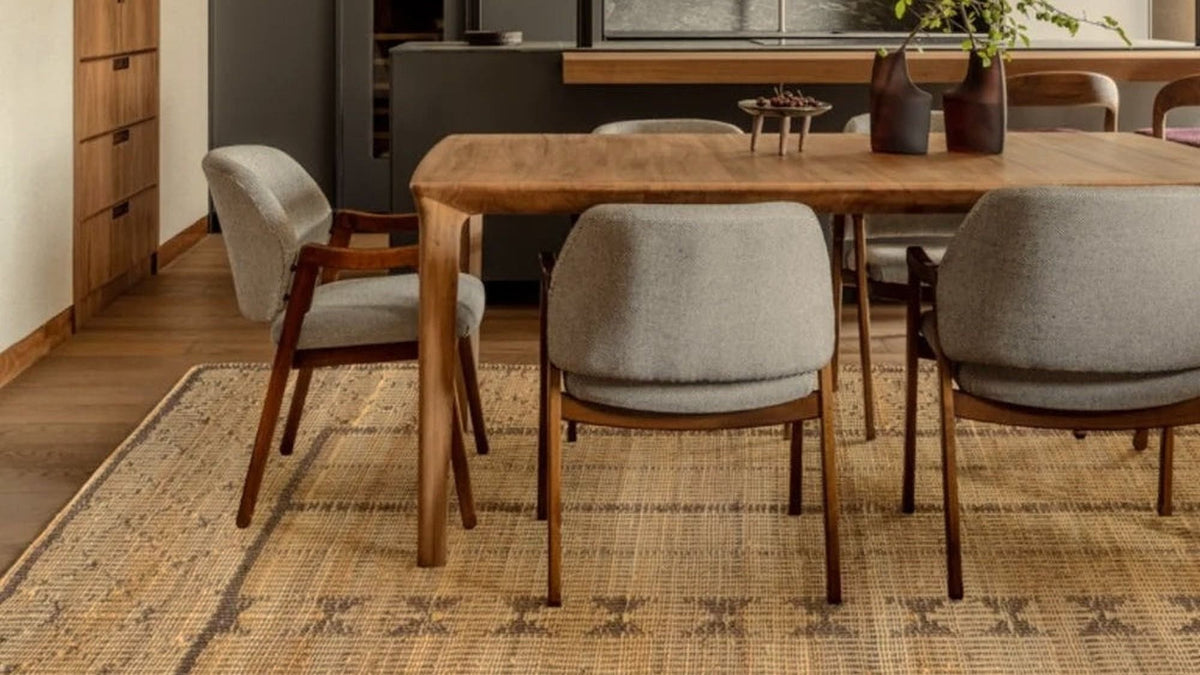
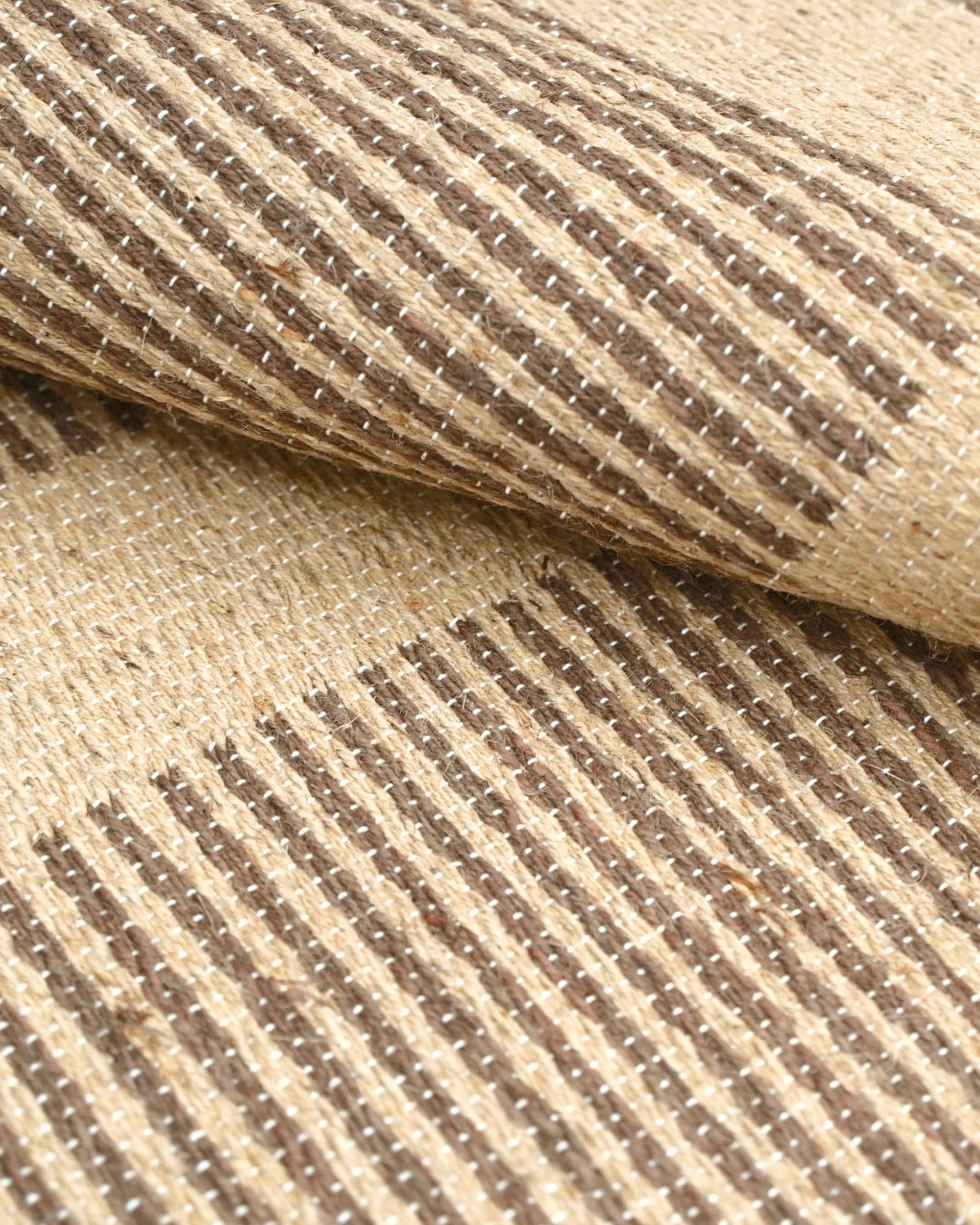
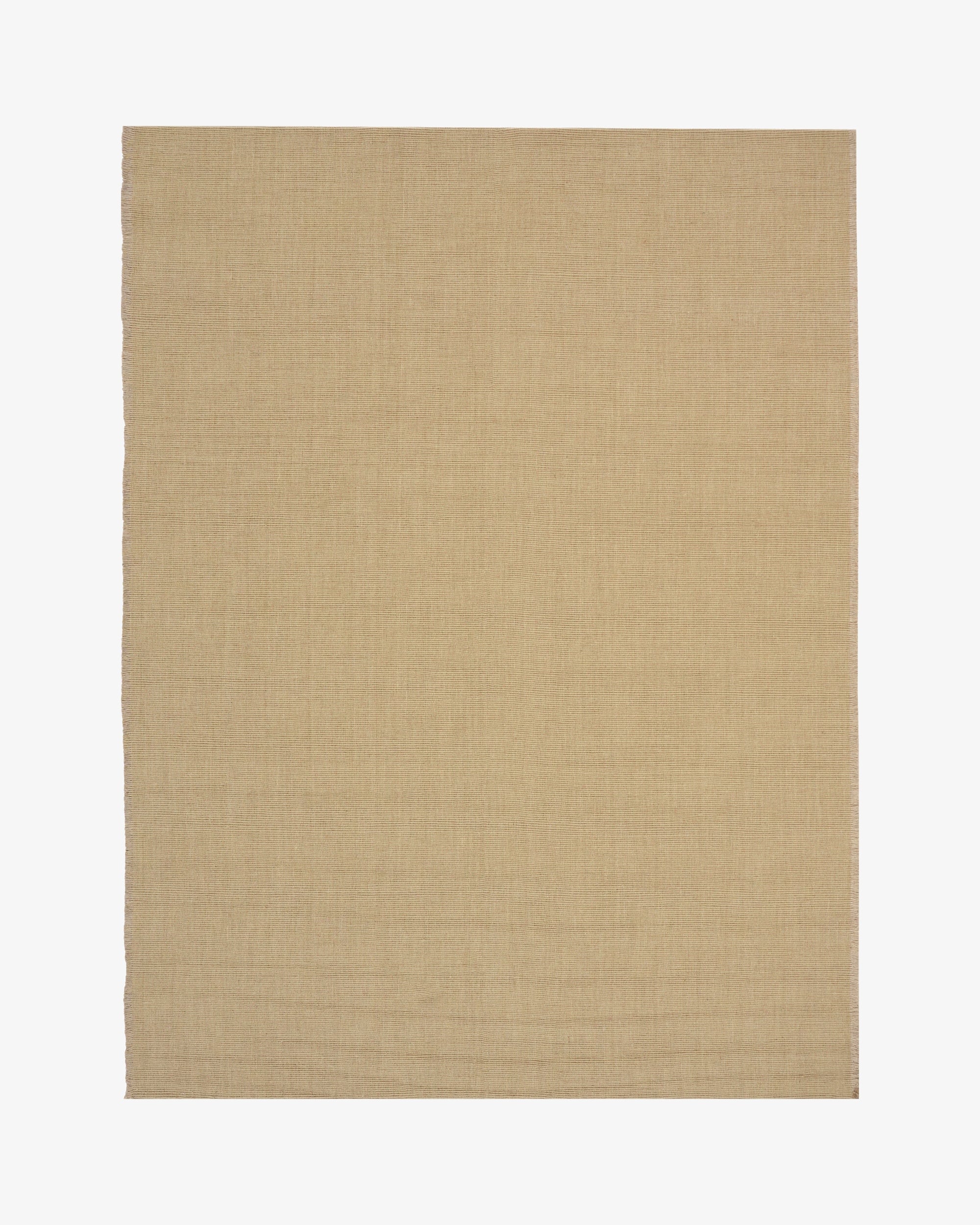
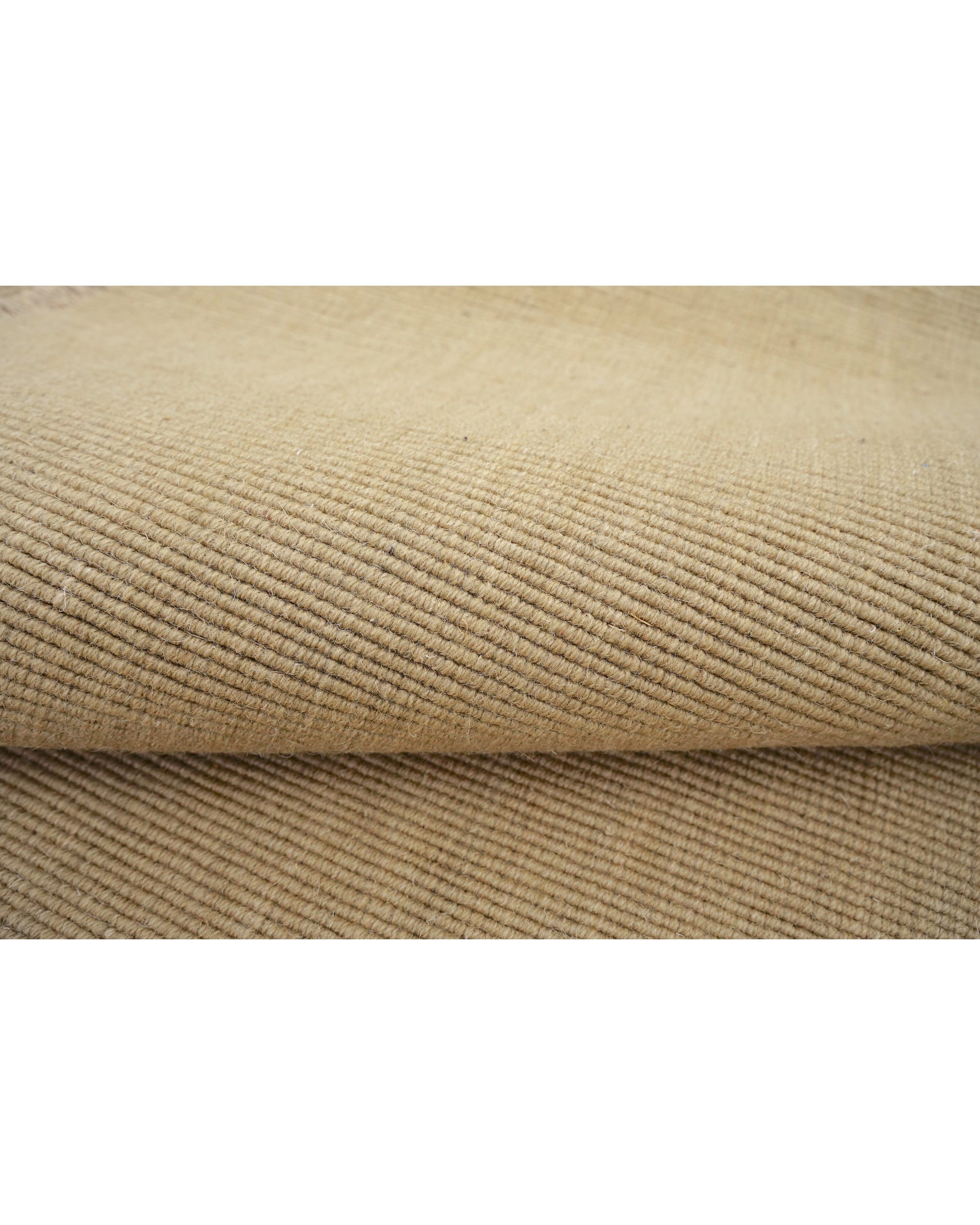
The Rugberry Masai Jute Rug is handwoven in natural jute at 10 mm, firm and textured, with darker woven marks set in the natural ground. It is listed from about ₹23,520, inclusive of GST at the time of writing, and it shows what jute does well: a calm, grounded surface that looks better with use rather than worse.
Cotton is a rug you wash and replace. Jute is a rug you keep dry and keep for years.
Which is easier to wash and clean?
Cotton is far easier to wash: a small cotton rug can go into a home washing machine on a gentle cold cycle, or be rinsed by hand and hung in the shade. Jute should never be washed, hosed or steamed, and it is kept clean only by vacuuming, brushing and fast blotting.

Washing has a price for cotton too. Each wash loosens the weave a little, softens the edges and takes some colour with it, so a cotton dhurrie that is washed monthly looks tired within a few years. Large cotton rugs, 6x9 ft and up, will not fit a household drum at all, and they take a long time to dry flat in humid weather.
Jute asks for a different discipline. Vacuum it once or twice a week with suction only, lift and shake small sizes outdoors, and treat any spill within seconds with a dry towel. Our guide to whether jute rugs shed explains the fine fibre dust a new jute rug gives off, which is normal and fades with regular vacuuming.
How do they handle stains, water and Indian humidity?
Cotton absorbs stains quickly but can be washed out; jute resists light soiling but is marked by water itself. That is the trade in one line: on cotton the stain is the problem, on jute the cleaning water is.
Cotton is thirsty, so chai, dal and ink sink straight into the fibre, and a pale dhurrie may never come fully clean again. On the other hand, it can be soaked in cool water with a mild detergent, which no wool or jute rug in the house can tolerate.
Jute reacts badly to standing moisture. When it stays wet it can brown, smell musty and lose strength, and in a coastal monsoon it can pick up damp from the air and the floor. Keep jute rugs out of bathrooms, away from balcony doors and off any ground floor that sweats in July, and our note on preventing mould in a rug covers airing in wet months.
Cotton or jute: which suits which room?
Cotton suits rooms where a rug gets dirty often and must be washed; jute suits dry, busy rooms where texture and durability matter more than softness. The table compares the two fibres point by point, as they behave in an Indian home.


| Point | Cotton rug (usually a dhurrie) | Jute rug |
|---|---|---|
| Feel underfoot | Soft, smooth, thin | Firm, dry, textured |
| Washing | Small sizes machine washable, cold and gentle | Never washed; vacuum, brush and blot only |
| Spills | Absorbs fast, can be washed out | Resists light soiling, but water leaves brown marks |
| Shedding | Little, though lint builds up after washes | Fine fibre dust when new, easing with vacuuming |
| Humidity | Can mildew if put away damp | Browns, smells and weakens if it stays damp |
| Colour range | Almost any colour, prints and bright stripes | Mostly natural golds and browns, muted dyed tones |
| Sunlight | Bright dyes fade | Natural jute can lighten or yellow in strong sun |
| Lifespan in a busy room | A few years before it looks worn | Many years if kept dry |
| Best rooms | Kitchen, puja room, children's play floor, guest seating | Living room, hall, study, dining room away from water |
Verdict: for a room that will see water, food and frequent washing, choose cotton over jute, because only cotton survives a wash; for a dry living room, hall or study where the rug should last and look better with age, choose jute.
Which looks better in a modern Indian interior?
Jute usually looks more considered in a modern interior, because its natural colour and texture sit easily with oak, cane, lime plaster and Kota stone. Cotton suits a lighter, more casual look, and it is the better choice when you want strong colour or a printed pattern.


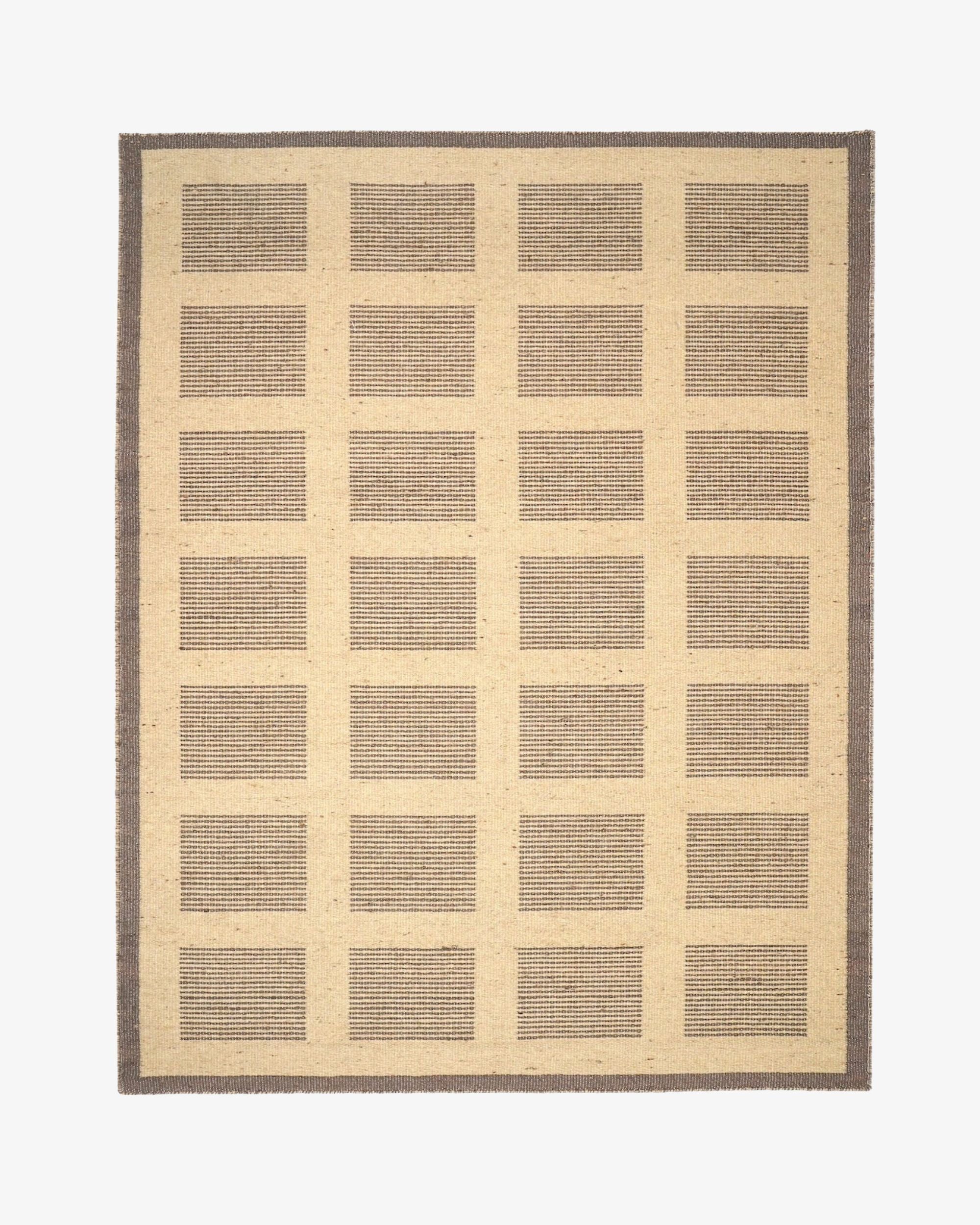
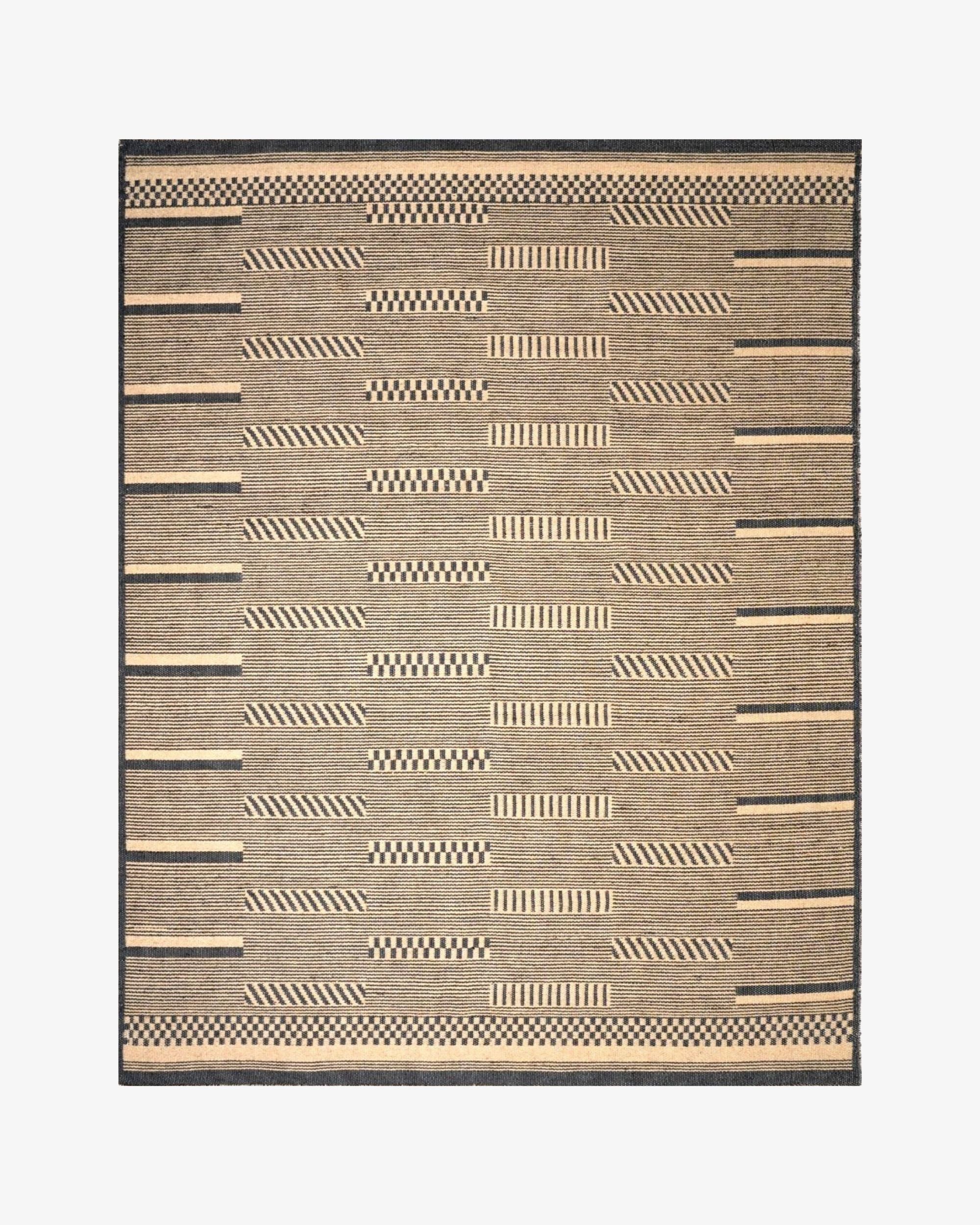
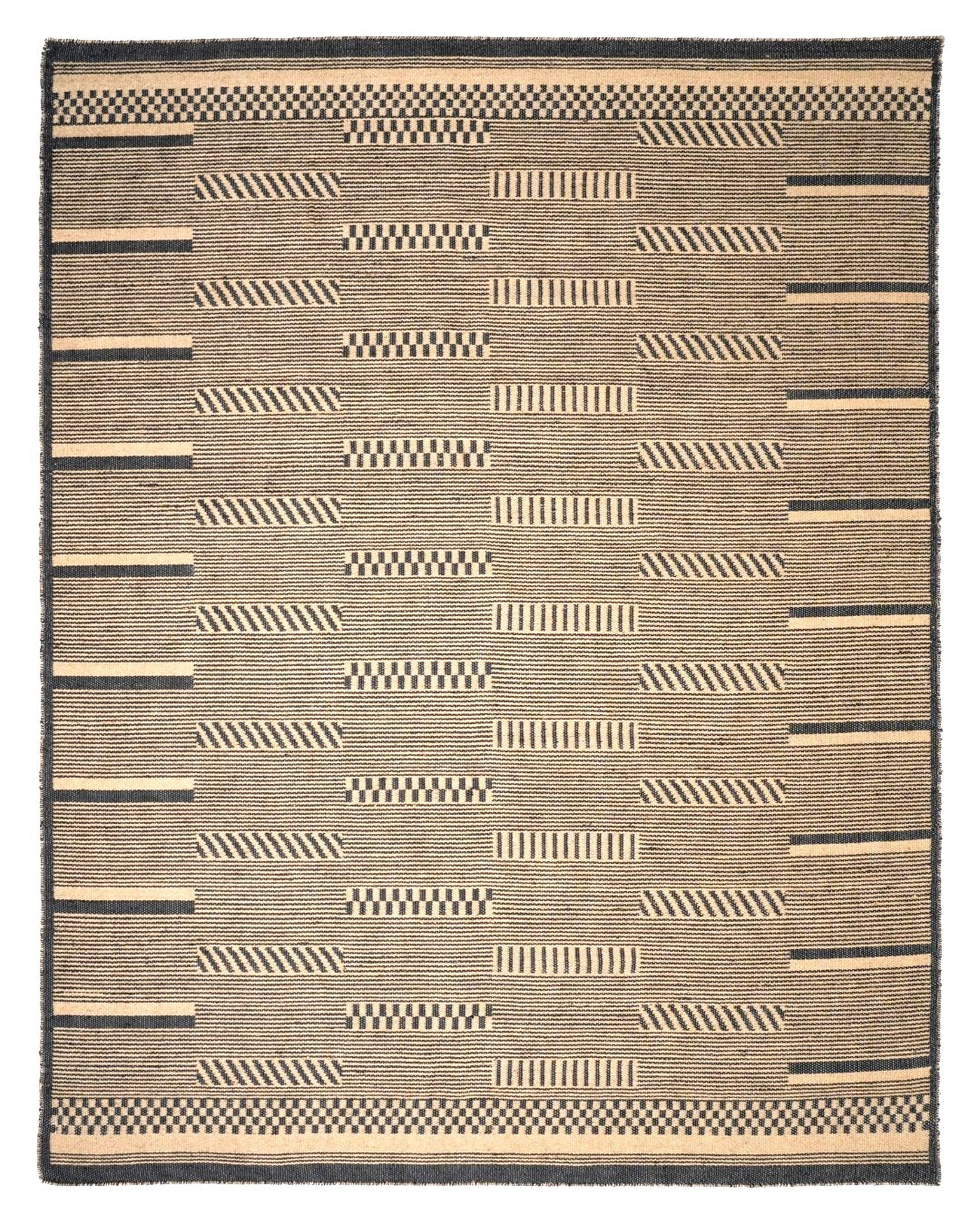
Jute's limited palette is a strength in a quiet room. The Rugberry Kora Jute Rug sets a grid of darker woven bands into a natural field, handwoven at 10 mm, while the Pampas Jute Rug runs dark stripes and checks across golden jute, which gives a dining room or study some pattern without any bright dye. Both are listed from about ₹23,520, inclusive of GST at the time of writing.
Cotton earns its place where colour and change matter. A bright dhurrie in a child's room or on a terrace can be swapped every season at a modest cost, which jute and wool do not invite. Our guide to Rugberry's natural jute rugs walks through each jute design in turn.
Is there a rug that sits between cotton and jute?
Yes: a rug that blends wool with jute keeps jute's texture but is softer to the touch and a little more forgiving of spills. Wool's natural lanolin slows how fast liquid sinks in, which gives you a few extra seconds to blot.


The Rugberry Cabra Wool & Jute Rug in Sand is handloom woven in New Zealand wool and jute at 7 to 8 mm, firm underfoot, with wool softening the natural irregularity of the jute. It comes in six standard sizes from 5x8 to 12x15 ft and is listed from about ₹28,560, inclusive of GST at the time of writing.
It is still a rug that wants a dry floor and professional cleaning rather than a bucket, so treat it as jute where water is concerned. Our post on Cabra, wool and jute woven together explains how the two fibres share the surface, and wool vs cotton rugs covers the other half of the family.
How much should you expect to pay for cotton or jute?
A cotton dhurrie is usually the cheaper rug, often a fraction of the price of a well made jute rug of the same size. Handwoven jute costs more because the fibre is heavier, the weave is denser and a good piece is built to last for years rather than seasons.
At Rugberry, the handwoven jute rugs, Kora, Masai and Pampas, start from about ₹23,520, and the hand knotted Savannah Jute Rug in Natural, 15 to 16 mm deep, starts from about ₹34,440, inclusive of GST at the time of writing. Any of them can be made to a custom size.
The fairer comparison is cost per year. A cotton dhurrie that is replaced every two or three years can end up costing as much as a jute rug that stays on the floor for a decade, as long as that jute rug lives somewhere dry.
Frequently asked questions
Is cotton or jute better for a home with small children?
For a play floor where juice, crayons and food land daily, cotton is easier because a small cotton rug can simply be washed. Jute is firm and scratchy for crawling knees and is marked by water, so it is better placed in a hall or living room away from the play corner.
Can I put a jute rug in the washing machine?
No, never. Water and agitation make jute swell, lose strength and dry with brown patches, and a jute rug can distort out of shape. Clean it dry, blot spills at once and leave deep cleaning to a professional.
Which is cooler in an Indian summer, cotton or jute?
Both plant fibres feel dry and cool compared with a deep wool pile. A thin cotton dhurrie feels the lightest, while a 10 mm handwoven jute rug feels a little warmer and firmer but still far cooler than a plush wool rug.
Does Rugberry sell cotton rugs or dhurries?
No. Rugberry makes rugs in wool, wool blends, Botanical Silk and jute, and its flat, light alternative is the Noir Reversible Rug, handwoven in recycled and natural fibres. For a washable cotton dhurrie, a local weaver or handloom store is the right source.
Will a jute rug fade in the sun?
Natural jute can lighten or turn slightly yellow when it sits in strong direct sun for months. Rotate it every few months and draw a sheer curtain across the hottest window so the colour changes evenly rather than in one bright patch.
Wash the cotton, keep the jute dry, and each will do the job it was made for. The natural jute rugs are where to begin. Material first.



Leave a comment
This site is protected by hCaptcha and the hCaptcha Privacy Policy and Terms of Service apply.