



A Runner for an Open Kitchen
For an open kitchen, choose a flat, low runner in a mid or dark tone, sized to the length of the counter run and about 60 to 75 cm wide, and keep it clear of the hob. A firm wool and jute or wool flat weave handles footsteps and wipes up better than deep pile, and jute suits only kitchens that stay dry.
In short
- A kitchen runner should be about 60 to 75 cm wide and roughly 30 cm shorter than the counter run, so it covers the standing area without reaching the corners.
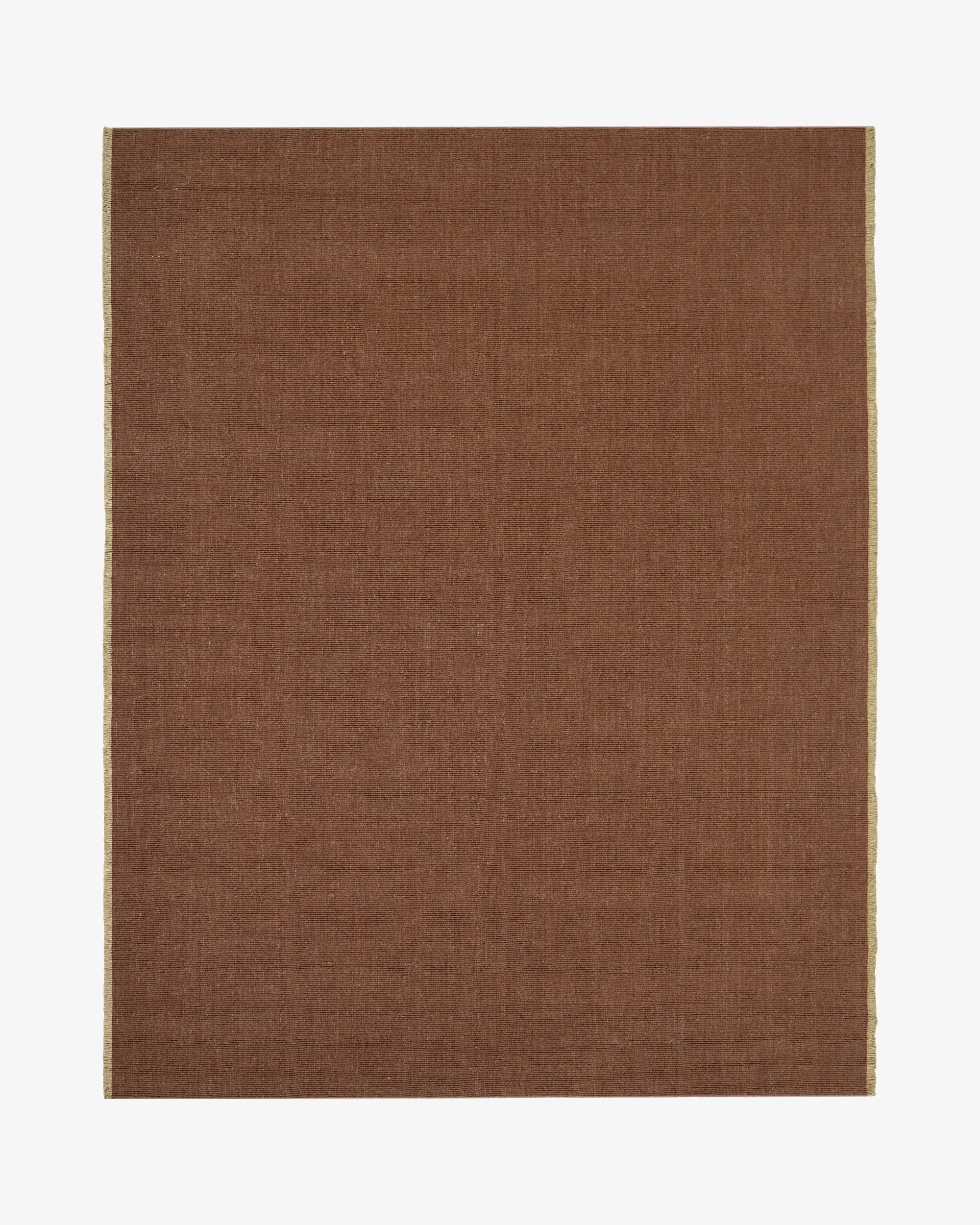
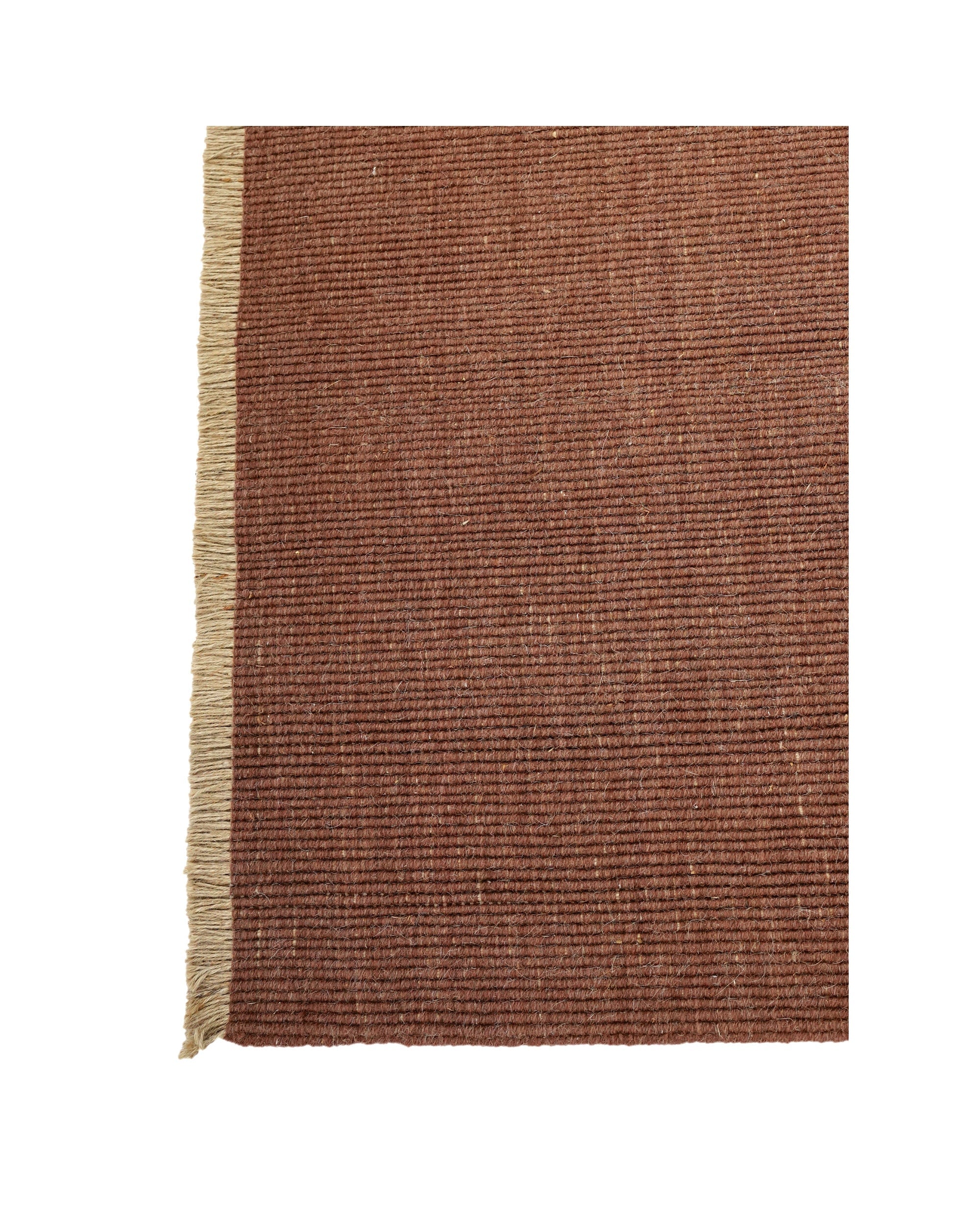
- Low, firm surfaces of 7 to 10 mm, such as Rugberry's handloom Cabra Wool & Jute Rug or handwoven Kora Jute Rug, suit kitchens best because crumbs stay on top and doors and drawers clear them.
- Rugberry does not keep runners as a stock size, so a kitchen runner is made to measure in any length and colour.
- Turmeric, oil and tea should be blotted at once with white kitchen towel and never rubbed, and stubborn marks should go to a professional rug cleaner.
Does an open kitchen need a runner at all?
An open kitchen benefits from a runner when it faces the living room, because the runner links the kitchen floor to the rugs beyond and softens the long standing area at the counter. A closed working kitchen with heavy daily cooking is often better left bare.

Indian kitchens are hard on rugs. Tadka spits oil, haldi stains anything pale, and in many homes the floor is mopped every morning with water. A runner has to cope with all three or it will look tired within a season.
The open kitchens in newer apartments in Bengaluru, Pune and Gurugram change the case. Where the island faces the sofa, the kitchen becomes part of the living space, and a bare strip of tile in front of the counter looks unfinished next to a wool rug three metres away.
A runner also helps anyone who stands to cook. A thin layer of wool or jute takes the chill out of marble in December and gives a little give under the feet during a long session of rolling rotis.
What size should a kitchen runner be?
A kitchen runner should be about 60 to 75 cm wide and roughly 30 cm shorter than the run of counter it sits in front of, leaving about 15 cm of floor at each end. In a galley kitchen, two shorter runners often work better than one long one.
| Kitchen layout | Counter run | Runner size | Notes |
|---|---|---|---|
| Straight counter, apartment | 8 to 9 ft | 2.5x8 ft (75x240 cm) | Ends short of the corners and the fridge |
| Island facing living room | 10 ft island | 2.5x9 ft | Sits between island and back counter |
| Galley, two parallel counters | Walkway 3.5 ft wide | 2x6 ft, one or two | Leaves floor at each side for drawers |
| L shaped kitchen | Two runs of 7 and 5 ft | Two runners, 2x6 and 2x4 ft | Never bend one runner round the corner |
| Breakfast counter with stools | 6 ft counter | 3x6 ft | Stools stay on the runner when pulled back |
Check the door and drawer clearances before deciding on thickness. Dishwasher doors and low drawers sit just above the floor, and a runner thicker than about 10 mm can catch them. Open each one over a folded towel of the same thickness to test.
Rugberry's stock sizes start at 5x8 ft, so a kitchen runner is made to measure. Rugberry's guide to made to measure rugs explains how to give the size, and every Cabra, Grain, Kora and Pampas rug can be woven in any length and colour.
Which fibre and weave suit a kitchen runner?
A firm, low weave in wool and jute or in wool suits most open kitchens, because it is easy to vacuum, resists crushing and sits flat. Pure jute is beautiful and inexpensive but marks with water, so it suits only dry kitchens with little splashing.


The Cabra Wool & Jute Rug in Rust is the strongest choice for most kitchens. Its handloom weave of New Zealand wool and jute is firm underfoot at 7 to 8 mm, and the flecked rust colour forgives the odd turmeric mark far better than a pale rug would.
The Kora Jute Rug is handwoven natural jute, 10 mm thick, from ₹28,000 for 5x8 ft. It looks at home in a kitchen with wooden shutters and terracotta, but jute can stain and lose shape when wet, so Kora belongs in a kitchen where the cooking happens elsewhere or where spills are rare. Rugberry's guide to wool vs jute compares the two fibres.
The Grain Wool Rug in Mochaccino is handloom New Zealand wool at 12 to 14 mm. It is softer for long standing and its mottled warm grey hides daily marks, but check drawer clearance first, since it is thicker than Cabra.
For a kitchen that faces a living room, choose a wool and jute weave over pure jute, because wool resists a spill for a moment longer and recovers from the daily mop splash.
What should you do about turmeric, oil and tea on a runner?
Keep a roll of plain white kitchen towel within reach of the hob. When dal or oil lands on the runner, press the towel down from the edge of the mark towards its middle, lift, and press again with a fresh piece; rubbing only drives it deeper. The first minute decides the result, since wool and jute hold a spill off only briefly.


- Haldi and curry. Lift any solid with a spoon, blot, then dab with a little cold water and blot again. Turmeric is a strong dye, so do not use hot water or soap, which can set it, and call a professional cleaner if a yellow trace remains.
- Oil and ghee. Cover a fresh oil spot with a thin layer of plain cornflour or talc, leave it for 20 minutes, then vacuum. Repeat once before any wet treatment.
- Chai and coffee. Blot hard with dry towel, then dab with cold water. Milk and sugar leave a sticky residue, so blot again after the first pass dries.
- Water from mopping. Lift the runner before the floor is mopped, and lay it back only when the floor is dry. This one habit matters most for jute.
Every runner fibre here, Cabra, Grain or Kora, carries the same care line on its product page: professional cleaning only. Anything you do at the hob is damage control until the cleaner sees it. Rugberry's guide to mehendi stains on a rug covers another strong plant dye in more detail.
Lift the runner before the floor is mopped. That one habit adds years to a kitchen rug.
How do you keep a kitchen runner in place and looking good?
Keep a kitchen runner in place with a thin non-slip underlay cut 2 to 3 cm smaller than the runner on every side, and keep it looking good by vacuuming it every other day and turning it end to end every month. A runner that slides on vitrified tile is a hazard near a hot hob.
- Underlay first. A thin rubber mesh grips tile and marble without adding height that would catch drawers. Rugberry's guide to rug pads in India explains which type suits which floor.
- Keep it off the hob zone. Stop the runner short of the cooktop, or leave a 30 cm gap in front of a gas hob where oil spits most.
- Vacuum often. Crumbs and grit cut fibre when ground in. A suction only vacuum every other day keeps a flat weave clean.
- Turn it monthly. The end by the sink wears and soils faster than the end by the fridge.
- Shake the jute. Take a jute runner outside once a week and shake it, so the grit falls out of the weave.
Expect a kitchen runner to live a harder life than a living room rug. Choose a mid or dark tone, accept a little patina, and send it for a professional clean once a year. Rugberry's guide to rugs for high traffic areas covers more busy spots in the home.
Which colours work for a runner in an open kitchen?
Mid and dark earth tones work best for an open kitchen runner, such as rust, mochaccino, olive and natural jute, because they hide turmeric, oil and footmarks while linking to warm woods and stone. Ivory and pale grey will show every splash.


Take the colour from the living room, not the kitchen cabinets. If the sofa rug is a Grain in Umber, a Cabra runner in Rust or a Grain in Mochaccino continues the same warm family into the kitchen without matching exactly.
A runner can carry a little more colour than the rug beyond, because it is narrow and seen in short glimpses. Rust against white quartz, or natural jute against sage green shutters, gives a kitchen warmth without turning it into a feature. Browse the customisable rugs to see which designs can be woven as runners.
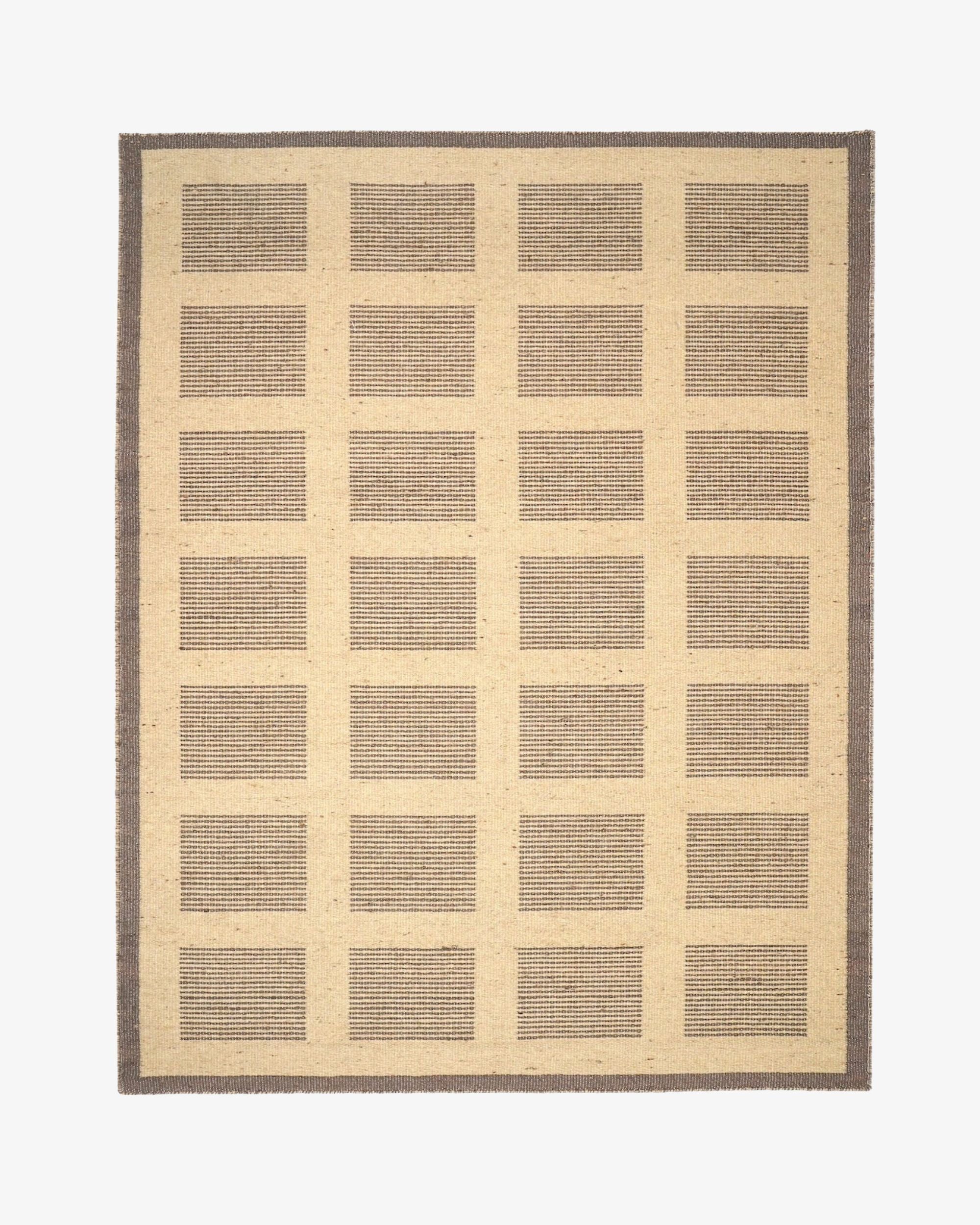
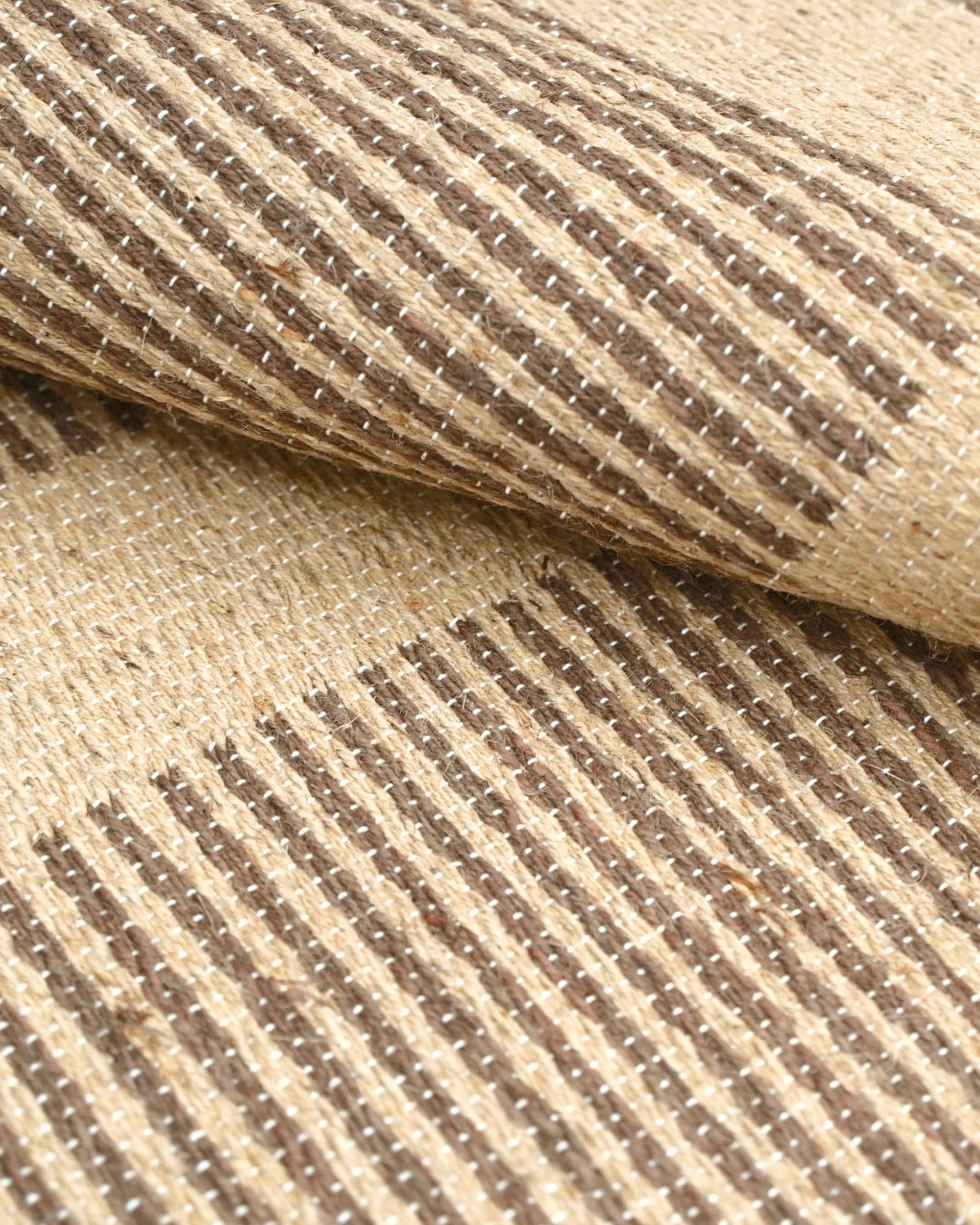
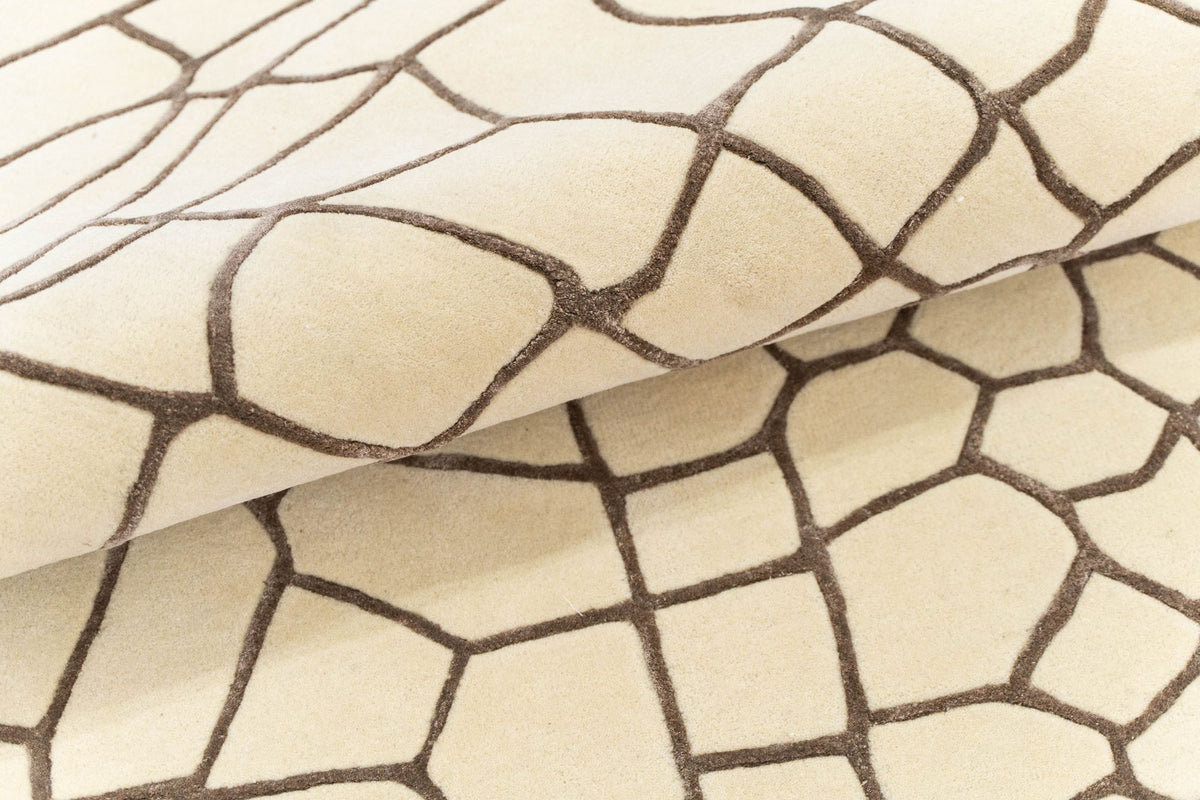
Pattern helps too. A runner with a small, broken pattern, such as the diagonal bands of the Pampas Jute Rug, hides crumbs and drips better than one flat colour, and it reads as a deliberate piece from the sofa. Keep any pattern quiet if the kitchen already has a busy backsplash or patterned tiles.
Finally, think about light. Open kitchens often sit deep inside an apartment, lit by downlights rather than windows, and a mid tone that looks warm by day can look muddy at night. Check a swatch under the kitchen lights in the evening before you confirm the colour.
Frequently asked questions
What is the best rug material for a kitchen in India?
A firm, low weave in wool and jute is the best rug material for most Indian kitchens, because it sits flat, vacuums easily and resists a spill for a moment longer than pure jute. Rugberry's Cabra Wool & Jute Rug at 7 to 8 mm is a good example.
What size runner do I need for a kitchen?
For an 8 to 9 ft straight counter, a runner of about 2.5x8 ft usually fits. Pick a flat weave or low pile that can be lifted and shaken out often, and keep it clear of the dishwasher door so it opens fully.
Can a jute rug be used in a kitchen?
A jute rug suits a dry kitchen with little splashing, such as a showpiece kitchen or a pantry, because jute can stain and lose shape when wet. Kitchens where the floor is mopped daily or where cooking is heavy are better served by wool and jute.
How do you get turmeric out of a rug?
Turmeric should be blotted at once with white kitchen towel and a little cold water, never rubbed and never treated with hot water or soap. Any yellow trace that remains should go to a professional rug cleaner.
Does Rugberry make kitchen runners?
Rugberry makes kitchen runners to measure, since its stock sizes start at 5x8 ft. Designs such as the Cabra Wool & Jute Rug, the Grain Wool Rug and the Kora Jute Rug can be woven in any length and colour.
Low, firm and lifted before the mop. Material first.



Leave a comment
This site is protected by hCaptcha and the hCaptcha Privacy Policy and Terms of Service apply.