


Is a Wool Rug Worth It in India?
A wool rug is worth it in most Indian homes: wool resists crushing, holds colour, is naturally slow to catch fire and breathes, so a low wool pile stays comfortable through summer. The trade offs are a higher price than synthetics, some shedding in the first weeks and the need to keep it dry in monsoon.
Short answer
- A wool rug is worth it in India for living rooms and bedrooms, because wool fibre springs back after pressure, takes dye deeply and wears slowly.
- Wool is not too warm for Indian summers when the pile is low to medium, such as a 12 to 14 mm handloom weave, and in fan cooled or air conditioned rooms.
- A wool rug needs to stay dry in monsoon and should be cleaned professionally, and cut pile wool sheds loose fibre for the first weeks.
- Rugberry's wool rugs are New Zealand wool, Terra grade, with regular prices from ₹31,000 for 5x8 ft, ex GST, at the time of writing.
What do you actually get for the extra cost of wool?
For the extra cost of wool you get resilience, a deeper colour, natural soil resistance and a slower, more even wear. These are properties of the fibre itself, not finishes that wear off.


Each wool fibre has a natural crimp, a wave that acts like a spring. When a chair leg or a foot presses the pile down, the crimp pushes it back up, so a wool rug recovers where many synthetic piles stay flattened.
Wool also carries a little lanolin and a scaly surface that slows the spread of dirt into the fibre. Dyes bond deeply with wool, which is why a camel or rust wool rug looks rich rather than flat, and why colour wears evenly over years.
Is a wool rug too warm for Indian summers?
A wool rug is not too warm for an Indian summer when the pile is low to medium and the room is fan cooled or air conditioned. Wool breathes and handles moisture well, so it rarely feels sticky underfoot the way some synthetics do.

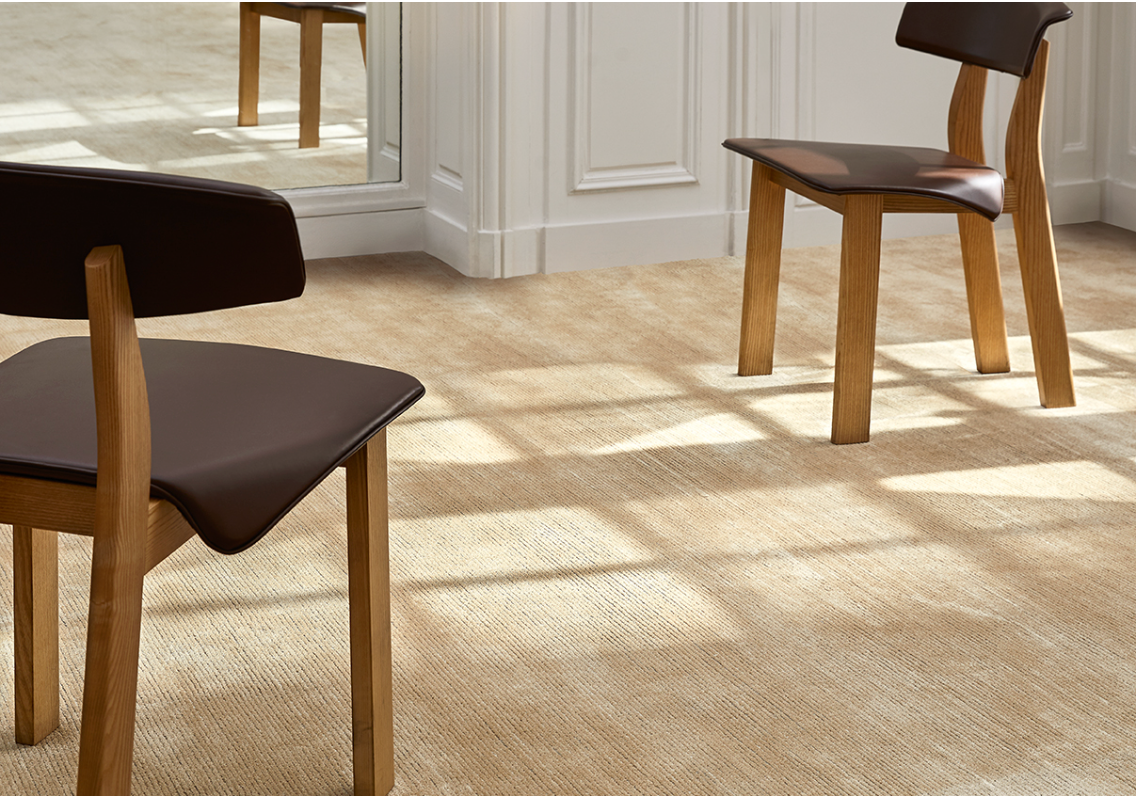
Pile height matters more than fibre here. The Grain Wool Rug in Tan is handloom woven at 12 to 14 mm, low and closely textured, and suits a Delhi or Ahmedabad living room year round. The Plush Wool Rug in Camel is handloom woven at 18 to 20 mm, deep and soft, and is at its best in a bedroom with air conditioning or in a cooler city like Bengaluru.
If your home has no air conditioning and summers above 40 degrees, keep a deep wool pile for winter and use a firmer, flatter rug from April to June. The companion post on the best rug for Indian summers sets out the summer options.
How does wool cope with dust, humidity and monsoon?
Wool copes well with dust, reasonably well with humidity and needs care in monsoon. Fine dust settles into the pile rather than sitting on top, so a wool rug looks cleaner between vacuums than a flat synthetic.
In Delhi NCR winters, when fine dust is heavy, vacuum a wool rug twice a week without a beater bar on a high setting. Rugberry's guide to rug dust in India covers the routine for each season.
Humidity is fine for wool, which absorbs moisture from the air and releases it again. The risk is liquid water: a rug laid on a wet floor, a leaking window or a long monsoon without airing can develop a musty smell. Let mopped floors dry fully before the rug goes back, and open the room on sunny days.
Wool forgives a hot afternoon and a dusty winter. It asks only that you keep it dry.
What does a wool rug cost per year of use?
A wool rug costs less per year than its price suggests, because it lasts longer than most synthetics. The fair way to compare is price divided by the years you expect it to serve, plus care costs.
The figures below are Rugberry regular prices from the product pages, ex GST, at the time of writing, and a seasonal sale may show lower figures. The years are illustrative assumptions for a living room with normal family use and regular care, not guarantees, so change them to match your own home.
| Rug (8x10 ft) | Fibre and construction | Regular price, ex GST | Assumed years of use | Cost per year |
|---|---|---|---|---|
| Turmoil Wool Rug | New Zealand wool, hand tufted, 14 to 16 mm | ₹62,000 | 10 | about ₹6,200 |
| Grain Wool Rug, Tan | New Zealand wool, handloom, 12 to 14 mm | ₹74,000 | 12 | about ₹6,200 |
| Plush Wool Rug, Camel | New Zealand wool, handloom, 18 to 20 mm | ₹79,000 | 12 | about ₹6,600 |
| A low cost synthetic rug | Machine made | Varies | Often a few years | Depends on how often it is replaced |
Add a professional clean every year or two, and GST at 5 percent at checkout. The verdict: if you plan to keep a rug for more than a few years, a wool rug usually costs about the same per year as replacing cheaper rugs, and looks better throughout.
Which wool is in a Rugberry rug?
Most Rugberry wool rugs on rugberry.in are New Zealand wool, which Rugberry places in its Terra grade for strength, natural texture and everyday living. A few rugs blend wool with cashmere or with Botanical Silk.


New Zealand wool is valued for long, strong staple and good whiteness, which takes dye evenly. Rugberry's guide to New Zealand wool rugs explains the fibre, and the wool rugs buyer's guide for India covers constructions and textures.
For more softness, the Cashmere Blend rugs pair New Zealand wool with cashmere, handloom woven at 16 mm, from ₹54,000 for 5x8 ft at regular price. Merino, Lincoln and the rarer fibres are available through made to measure and Rugberry Reserve.
When is a wool rug not worth it?
A wool rug is not worth it in wet or outdoor spaces, under a dining table used by toddlers every meal, or when the budget only allows a rug you will replace within a year or two. In those places another fibre does the job better.
- Open balconies and wet zones. Wool should stay dry, so a handwoven reversible or an outdoor rug suits a covered sit out better.
- Heavy spill zones. A wool rug can be cleaned, but a flat woven rug that is easier to lift and send for cleaning may suit a busy dining space.
- Very short stays. For a rental of one year, a jute rug such as the Kora at ₹28,000 for 5x8 ft regular price, or a reversible, may be the better buy.
Wool is also not hypoallergenic, whatever some labels say. If anyone at home has allergies, read Rugberry's guide to rugs and allergies and ask a doctor before choosing.
Which Rugberry wool rugs suit Indian homes?
Three Rugberry wool rugs cover most Indian homes: the Grain for a hard wearing everyday rug, the Plush for a soft bedroom and the Turmoil for a modern living room at the lowest wool price in the range.


The Grain Wool Rug in Tan is ₹37,000 for 5x8 ft and ₹74,000 for 8x10 ft. Its low handloom surface shows the weave, and the mid tone forgives dust and footprints. The Plush Wool Rug in Camel is ₹40,000 for 5x8 ft and ₹79,000 for 8x10 ft, and its deep pile suits a bedroom where feet are bare.
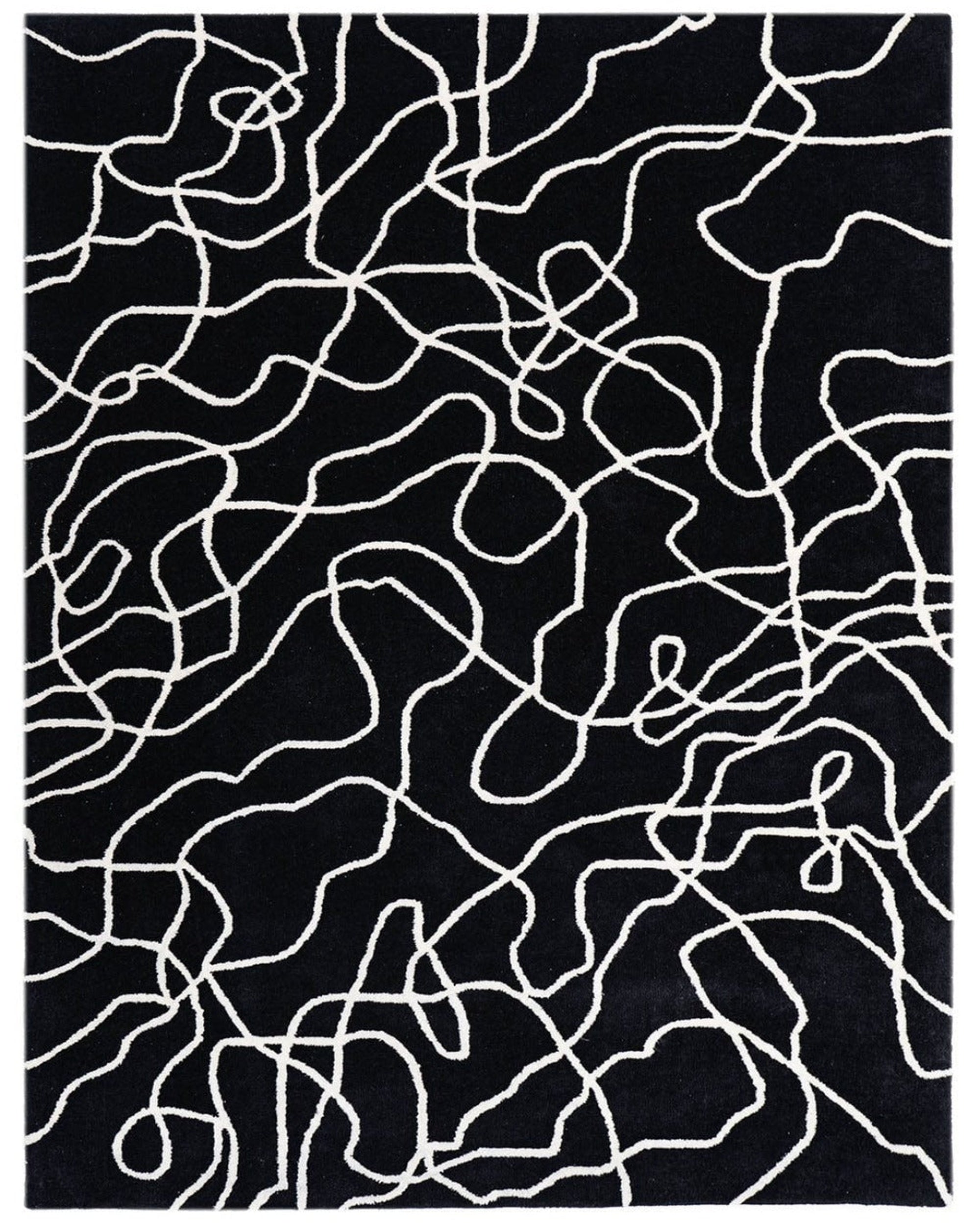
The Turmoil Wool Rug is hand tufted New Zealand wool at 14 to 16 mm, white lines drawn across a black field that forgives everyday marks, at ₹31,000 for 5x8 ft and ₹62,000 for 8x10 ft. All prices are regular, ex GST, at the time of writing. The full range is in Rugberry's wool rugs collection.
How does a wool rug feel through the Indian year?
A wool rug changes with the Indian year: warm and welcome from November to February, comfortable through spring, best kept low in May and June, and in need of dry floors from July to September. Knowing the cycle helps you choose the pile.

- Winter, November to February. In Delhi, Lucknow or Chandigarh a wool rug is the warmest thing on a cold marble floor, and a deep pile like the Plush earns its place. Vacuum more often, because winter smog leaves fine dust.
- Spring, March and April. Holi colour is the one risk. Roll the rug back or move it out of the room for the day, since dry colour powder can stain wool if it is ground in.
- Summer, May and June. A low wool weave stays comfortable under a fan. If the room has no cooling and the pile is deep, this is the season to swap or roll it away.
- Monsoon, July to September. Keep the rug off wet floors and away from leaking windows, and open the room on sunny afternoons so the air stays dry.
- Festive season, October and November. Send the rug for a professional clean before Diwali, and keep diyas on a tray well away from the pile.
A rug that suits your city's hardest month will suit the other eleven. That is the simplest way to choose between a low and a deep wool pile.
Frequently asked questions
Is wool good for a rug in a hot climate like India?
Wool suits a hot climate when the pile is low to medium, because the fibre breathes and handles moisture. A deep pile wool rug is best kept for air conditioned rooms or winter months in the hottest cities.
Does a wool rug attract dust mites?
Any rug collects dust, and regular vacuuming is what keeps it clean. A wool rug holds dust in the pile until vacuumed rather than letting it blow around, but it is not hypoallergenic, so allergy sufferers should take medical advice.
Will a wool rug shed forever?
No. Cut pile wool rugs shed loose fibre left from making for the first weeks, and this slows as the rug settles. Vacuum without a beater bar and the shedding fades.
Can a wool rug survive the monsoon?
Yes, if it stays dry. Keep it off wet floors, air the room when the sun is out and blot any water at once; if the rug gets soaked, send it to a professional cleaner to dry it properly.
Is New Zealand wool better than other wool for rugs?
New Zealand wool is prized for strong, long staple fibre and good whiteness, which helps it wear well and take dye evenly. Other wools can make fine rugs too, so the fibre should always be named so you can compare.
A wool rug is a slow purchase. Choose the pile for your climate and keep it dry, and it repays its price year after year.






Leave a comment
This site is protected by hCaptcha and the hCaptcha Privacy Policy and Terms of Service apply.