



Rugs and Robot Vacuums: Pile, Fringe and Edges
A robot vacuum works best on a low, dense rug with a firm edge and no loose fringe, so a flat weave or a low handloom pile of up to about 14 mm is the easiest pairing. Deeper rugs can work too, as long as the robot's stated climbing height in its manual is higher than the rug.
In short
- The single most useful number is the climbing height printed in your robot vacuum's manual, which should be higher than the total height of the rug, including any underlay.
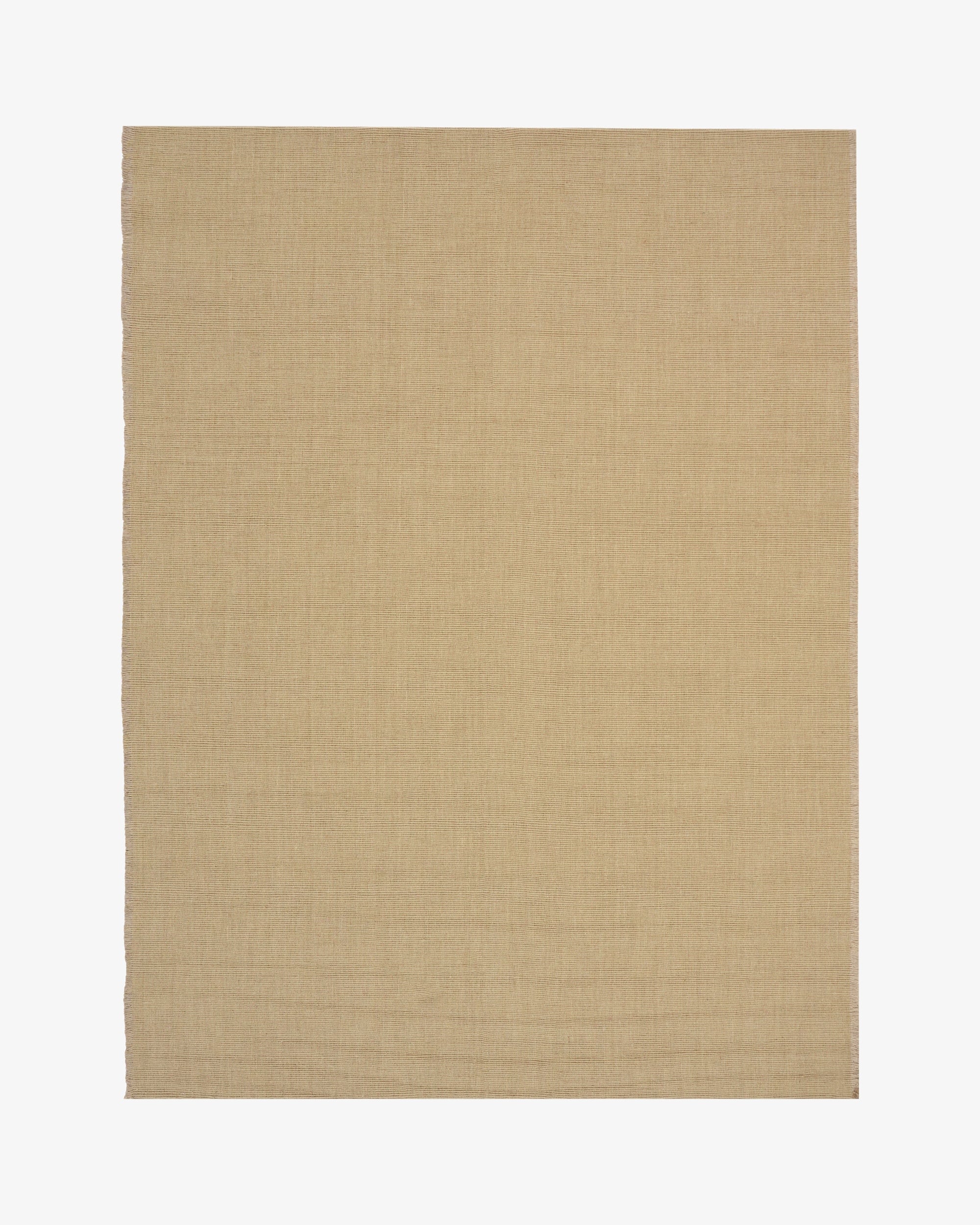
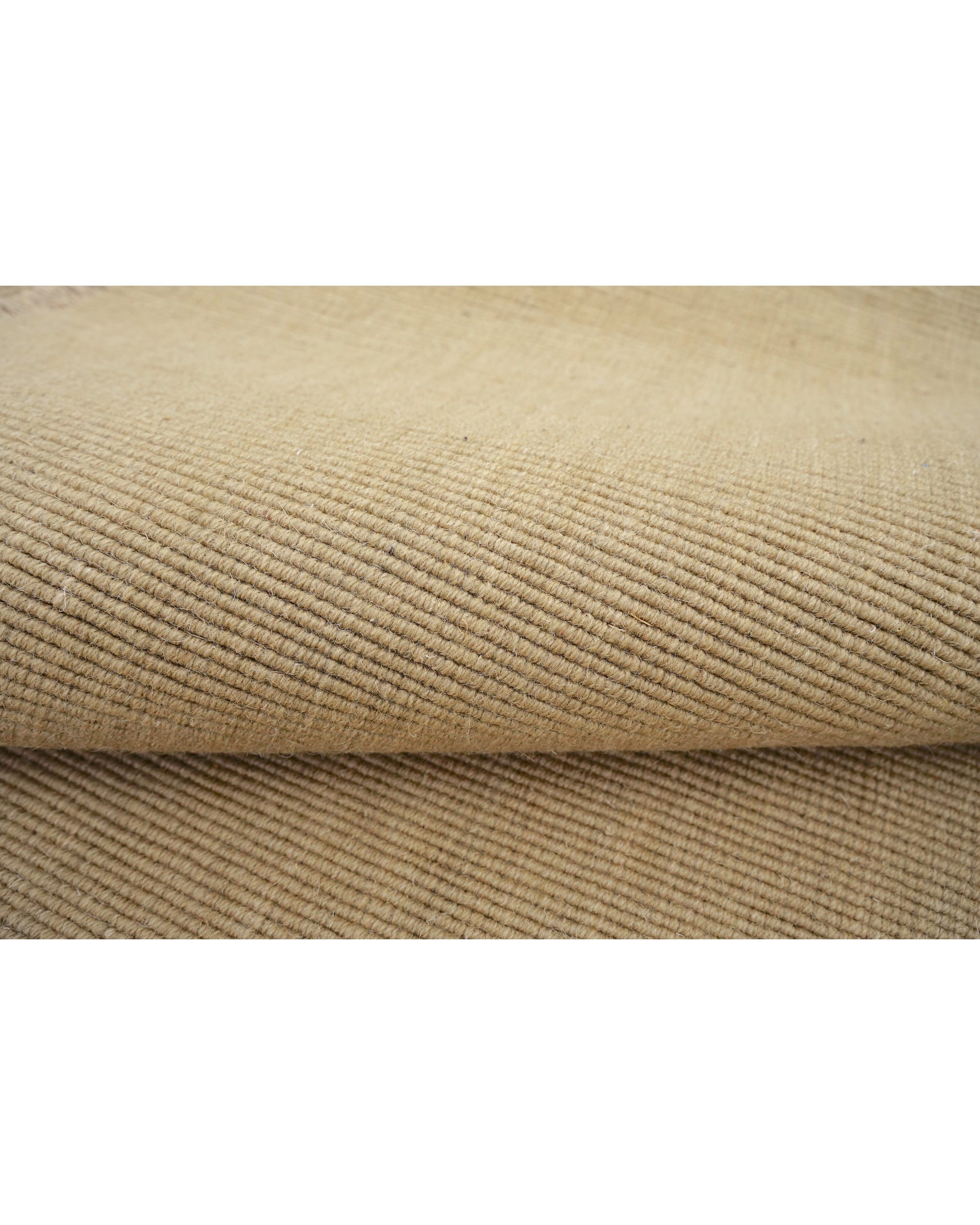
- Rugberry's Cabra Wool & Jute Rug, a flat handloom weave at 7 to 8 mm, is the easiest Rugberry rug for a robot vacuum to cross.
- Rugberry's Grain Wool Rug, handloom New Zealand wool at 12 to 14 mm, suits most robots that list a climbing height comfortably above 14 mm.
- A robot that mops should be set to lift its mop or avoid rugs, because a wet pad dragged across wool or jute leaves damp patches.
What should you check before putting a rug in a robot's path?
Before putting a rug in a robot's path, check four things: the robot's climbing height, the rug's total height, the rug's edges and whether the robot mops. These four decide almost every problem people meet.
- Climbing height: find it in the robot's manual or specification sheet. It is the tallest edge the robot can mount.
- Rug height: measure from the floor to the top of the pile at the edge, with any underlay in place. A steel ruler stood on the floor beside the rug gives the answer in mm.
- Edges: look at the short ends. A bound edge lies flat, while a fringe or a curled corner can catch a brush.
- Mopping: if the robot mops, check its settings for a rug mode, soft surface detection or a no mop zone.
If the rug is lower than the climbing height with a few mm to spare, the robot will usually cross it cleanly. If the two numbers are close, expect the odd stall at the edge, especially on a rug that has not yet settled flat.
Rugberry's guide to rug pile height explains how the figure in mm on a product page relates to what you feel underfoot. The related post on rug thickness covers the difference between pile and total height.
Which pile height suits a robot vacuum?
A low pile of up to about 14 mm suits most robot vacuums, and a flat weave of under 10 mm suits almost all of them. A deep pile of 18 mm or more can be crossed by robots that list a high climbing height, but it slows them down and they clean it less thoroughly.


There are two reasons. A tall pile is a higher step to climb onto, and once on it, a deep soft surface takes more suction to clean because dust settles further down.
Robots also judge distance with sensors that look at the floor. On a very dark deep pile some sensors misread the surface, so if a robot avoids a rug for no clear reason, check the manual for a cliff sensor setting.
Read the robot's climbing height before you choose the rug's pile. The numbers in mm decide the rest.
Rugberry's post on low pile and high pile sets out the wider trade off between comfort and ease of care. For a home that depends on a robot for daily cleaning, ease of care usually wins in the living areas, and comfort can win in a bedroom the robot visits less often.
What about fringes and edges?
Fringes and loose edges are the main reason robot vacuums get stuck on rugs, because the side brushes and the main roller can wind the threads around themselves. A bound or finished edge without fringe is the easiest edge for a robot.


A fringe is the warp threads left at the short ends of a woven rug, sometimes knotted. Rugberry's guide to the rug fringe explains where it comes from and how to care for it.
If a rug you love has a fringe, you have three options:
- Tuck it: fold the fringe under the rug at both ends. It stays hidden and flat, and most robots then cross without trouble.
- Set a boundary: many robots let you draw a no go line in their app along the fringed ends, so the robot cleans the rug from the sides only.
- Turn the rug: place the rug so the fringed ends run along walls or under furniture, where the robot rarely approaches them head on.
Curled corners cause similar trouble. A new rug may lift slightly at the corners for its first few weeks, and a robot can push under a lifted corner and fold it.
Lay a new rug flat, roll it back the other way for an hour if a corner lifts, and let it settle under furniture. A good underlay also holds corners down, so ask the Rugberry team about a suitable underlay for your floor, and see the sibling post on rug pads on Indian floors.
Which Rugberry rugs work best with a robot vacuum?
The Rugberry rugs that work best with a robot vacuum are the Cabra Wool & Jute Rug at 7 to 8 mm and the Grain Wool Rug at 12 to 14 mm, both low handloom weaves. The Plush Wool Rug at 18 to 20 mm works with robots that list a climbing height above that figure, and suits rooms where comfort matters most.

| Rugberry rug | Fibre and construction | Pile | Robot fit | Regular price, 5x8 ft |
|---|---|---|---|---|
| Cabra Wool & Jute Rug, Sand | New Zealand wool and jute, handloom | 7 to 8 mm | Easiest. Crossed by almost any robot | ₹34,000 |
| Grain Wool Rug, Sandstone | New Zealand wool, handloom | 12 to 14 mm | Very good. Suits most robots | ₹37,000 |
| Plush Wool Rug, Sand | New Zealand wool, handloom | 18 to 20 mm | Check the climbing height first | ₹40,000 |
Prices are regular prices from the product pages, ex GST, at the time of writing. A seasonal sale may show lower figures on the product page.
The verdict: for a living room cleaned daily by a robot, choose the Grain Wool Rug over the Plush Wool Rug, because the lower pile is easier to climb and easier to clean deeply. Choose the Cabra Wool & Jute Rug for a passage or entrance where the robot crosses it many times a day, keeping in mind that its care note says to keep it dry.
Both the Grain and the Plush ranges come in six standard sizes, and the full families are in the Grain Collection and the Plush Collection. Rugberry's comparison of Plush and Grain goes deeper into how the two feel.
Should a mopping robot ever cross a rug?
A mopping robot should not cross a handmade rug with its mop down, because a wet pad dragged over wool or jute leaves damp patches that dry slowly under the pile. Set the robot to lift its mop, skip rugs or treat the rug as a no mop zone.
Most robots that mop have one of these settings, but the names differ. Look in the app for words such as rug mode, rug avoidance or mop lifting, and test it once while you watch.
The risk is greater with jute. Every Rugberry jute rug carries the care note to blot spills at once and keep dry, and a mop pad is a slow, wide spill. In a coastal city, damp left under a rug is also how musty smells begin, as the sibling post on preventing mould under rugs explains.
Also watch the floor around the rug. A robot that mops right up to the edge can leave a wet band that wicks under the border, so let the floor dry before the rug is walked on, or set a small no mop margin around it.
How do you keep the robot and the rug in good shape?
You keep the robot and the rug in good shape by emptying the bin and cleaning the brushes more often in the first weeks of a new wool rug, and by giving the rug a full upright vacuum every week or two. A robot keeps a rug tidy, but it does not replace a thorough clean.

New wool rugs release loose fibres for a while, which is normal and settles with use. Rugberry's guide to wool rug shedding explains why it happens.
During that time a robot's bin fills quickly and wool can wrap around its roller. Check both after each run for the first month.
- Brush roll: if the robot lets you, choose a rubber or soft roller over a stiff bristle brush on wool rugs, and cut away any wrapped fibre with scissors along the groove.
- Suction: use the higher suction setting on rugs, which many robots switch to on their own when they sense a soft surface.
- Direction: if the app allows, set the robot to run along the length of the rug, which follows the rows of a handloom weave.
- Weekly clean: once a week, vacuum the rug with an upright or canister vacuum on suction only, without a beating brush on jute.
Rugberry's guide on how to vacuum a fine area rug gives the weekly method. Turn the rug every few months so the robot's daily paths do not wear one side more than the other.
Frequently asked questions
Can a robot vacuum go on a wool rug?
A robot vacuum can go on a wool rug as long as the rug's total height is below the robot's stated climbing height in its manual. Low handloom wool rugs such as the Rugberry Grain Wool Rug at 12 to 14 mm suit most robots.
What is the best rug pile height for a robot vacuum?
Up to about 14 mm for most robots, and a flat weave under 10 mm for nearly all. Check the climbing height in the robot's specification against the rug, and keep fringes out of its path, since the brushes tangle in them.
Why does my robot vacuum get stuck on the rug fringe?
Robot vacuums get stuck on fringes because the side brushes and roller wind the loose threads around themselves. Tucking the fringe under the rug or setting a no go line along the fringed ends usually solves it.
Should a mopping robot go over rugs?
A mopping robot should not cross a handmade rug with its mop down, because the wet pad leaves damp patches in wool or jute. Use the robot's rug or mop lifting setting, or mark the rug as a no mop zone.
Is a robot vacuum enough to clean a handmade rug?
A robot vacuum keeps a handmade rug tidy between cleans but does not replace a thorough vacuum with an upright or canister machine every week or two. Professional cleaning is still the right step for spills and deep cleaning.
Measure twice, choose the pile once, and let the robot do the daily round.




Leave a comment
This site is protected by hCaptcha and the hCaptcha Privacy Policy and Terms of Service apply.