





Rugs for Guwahati Homes: Rain, River and Timber
In Guwahati, a rug has to live with a long, humid monsoon, sudden waterlogging in low lying streets and timber floors in older Assam type houses. Choose fibres that dry quickly, keep rugs off the ground floor when heavy rain is forecast and save jute for the dry winter months.
In short
- Guwahati's wet season runs from the storms of April and May through the monsoon to September, and humidity stays high for most of that time.
- Low lying parts of Guwahati waterlog after heavy rain, so ground floor rugs should be rolled and raised whenever a heavy rain alert is issued.
- Assam type houses stand on raised plinths with timber floors that breathe well, while newer apartments have vitrified tile floors that stay cool and can sweat under a rug.
- Rugberry jute rugs such as Masai and Pampas suit Guwahati homes from November to March, with handloom wool such as Grain in Sage or Cabra Wool & Jute in Olive for the wet months.
What makes Guwahati different for a rug?
Guwahati is different because it combines a long, warm, humid wet season with real risk of water on the floor, set against mild, dry winters that are ideal for rugs. A rug here has two quite separate lives in one year.

The city sits on the south bank of the Brahmaputra, with hills running through it. From April, thunderstorms arrive in the late afternoon, and by June the monsoon brings long spells of rain and heavy, close air that lasts until about September. Ceiling fans run all day, and nothing left on a floor dries as quickly as it would in Delhi or Pune.
Then, from November to February, the air turns cool and dry, the sky clears and mornings can feel cold enough for a shawl. Those months are when a Guwahati rug looks and feels its best, and they are the right months for cleaning, airing and laying out the rugs you kept safe through the rains.
How do Assam type houses and new apartments differ underfoot?
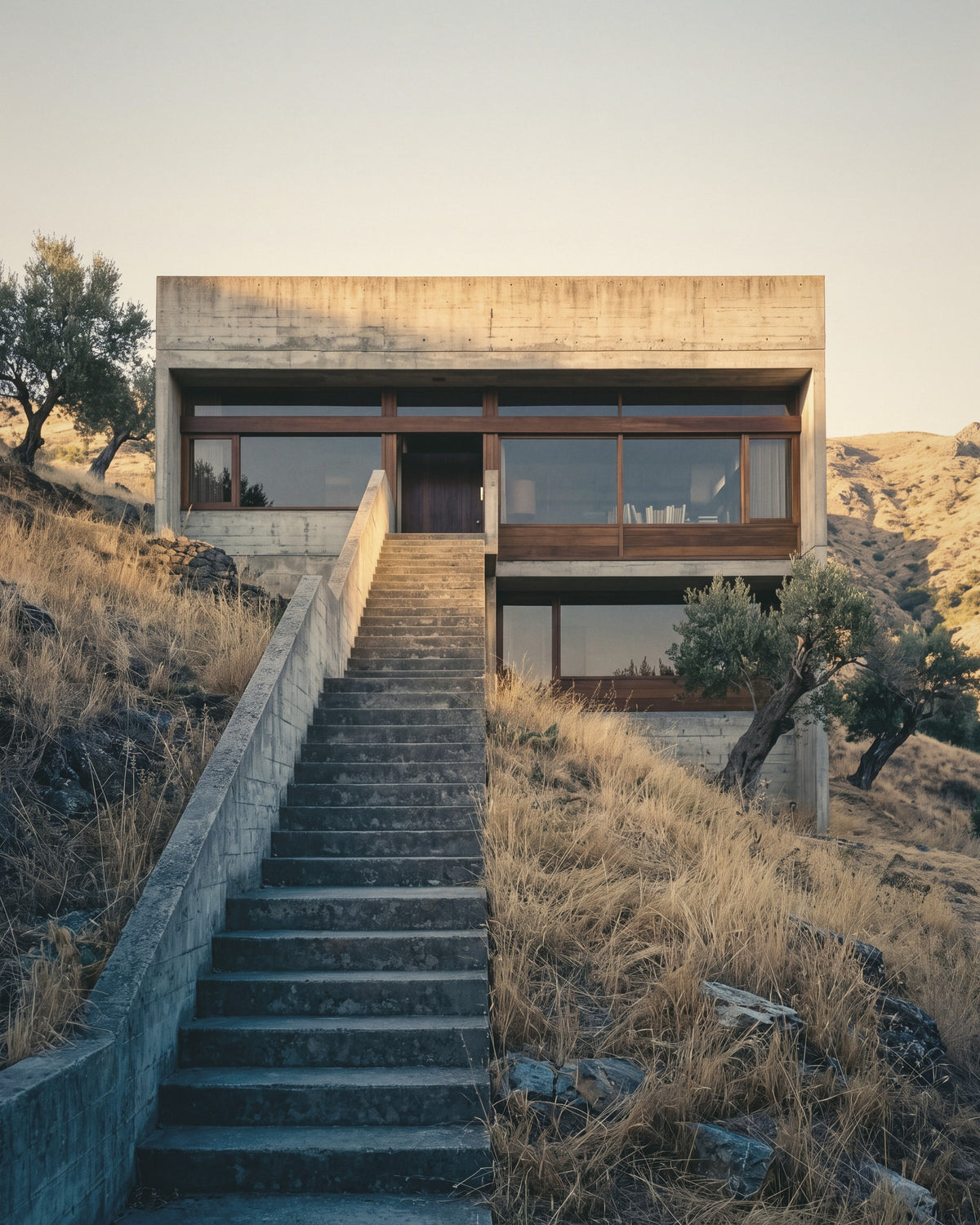
An Assam type house usually stands on a raised plinth with timber floors and light walls, which keeps rugs off the damp ground, while a modern Guwahati apartment sits on concrete with vitrified tile that stays cool and can sweat under a rug in the monsoon. The house type decides where the risk lies.


The Assam type house grew from the region's earthquakes and rain: a timber or light steel frame, walls of plastered reed or brick, a sloping tin or tiled roof and a floor lifted above the ground. Air moves under and through these homes, and the boards give a little underfoot. A rug on such a floor dries from below as well as above, but the boards need checking for gaps that let in damp air or insects.
| Home type | Typical floor | Main risk to a rug | What works |
|---|---|---|---|
| Assam type house on a raised plinth | Timber boards | Damp air through gaps, grit in the joints | Wool or wool and jute on a thin felt underlay, lifted twice a year |
| Older ground floor home in a low lying lane | Terrazzo, cement or tile at street level | Water entering during heavy rain | Small rugs that roll quickly, jute only in the dry months |
| New apartment, upper floor | Vitrified tile or marble | Cool floor sweating under the rug | Handloom wool, breathable underlay, weekly airing in the rains |
| Hillside home on a slope | Tile or stone against the hill | Damp from the hillside wall | Rugs kept off the uphill wall, dehumidifier in the wettest weeks |
Verdict: in a Guwahati home, put your best rug on the highest, best ventilated floor you have, because height above the street and moving air protect a rug more than any fibre can on its own.
On timber, a thin felt underlay stops grit in the board joints from grinding into the back of the rug. Our guide to rugs on wooden floors covers underlays and sun marks on boards.
What should you do with rugs when the street floods?
When a heavy rain alert is issued for Guwahati, roll every ground floor rug, wrap it in a cotton sheet and lift it onto a bed, table or upper floor before the water comes. Waterlogging in low lying parts of the city can rise fast, and a rug lifted in ten minutes is a rug saved.
Keep the habit simple: rugs on the ground floor should be sizes you can roll alone, so a 5x8 ft or 6x9 ft piece rather than one large 10x14 ft rug. Store a couple of cotton sheets near them. Never leave a rolled rug standing on the floor in a room that might take water, because the bottom of the roll acts like a wick.
If water does reach a rug, speed matters more than anything. Get it out of the water, press out what you can with towels and dry it flat with air moving on both sides.
Dirty floodwater calls for professional cleaning before the rug goes back down. Our guide to a rug soaked by a leak or flood sets out the full sequence.
In a city that can flood in an afternoon, the best rug for the ground floor is one you can roll alone.
Is jute a good idea in the home of jute?
Jute is a good idea in a Guwahati home in the dry months and on upper floors, but it is the wrong rug for a damp ground floor through the monsoon. Assam is one of India's jute growing states, and the fibre's love of water in the field is exactly why it needs to stay dry on the floor.
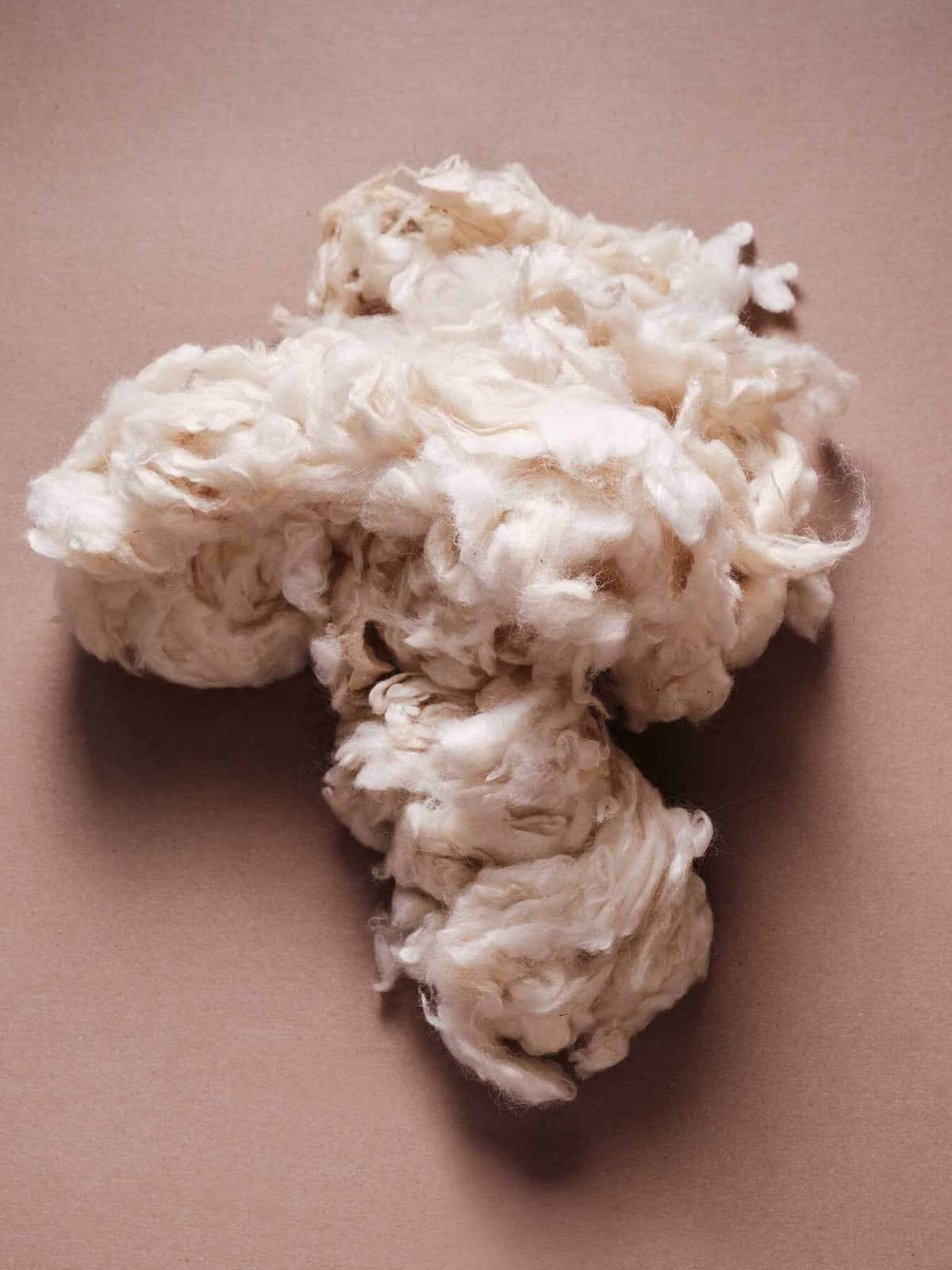
Jute is a plant fibre spun from the stem of the plant, and as a rug it is firm, cool and textured, with a warm natural colour that suits timber and cane furniture. Wet, it swells, can darken or stain, and holds moisture longer than wool. Our explainer on what a jute rug is covers the fibre in more depth.
In practice, lay jute from November to March in the living room and on upper floors, and roll it into dry storage before the April storms. Handwoven jute at 10 mm is thin enough to roll and lift easily, which suits this seasonal rhythm. Expect a little shedding in the first weeks; our guide on whether jute rugs shed explains why it settles.
Which fibre dries fastest after a wet week?
Low, firm wool weaves dry fastest after a wet Guwahati week, followed by wool and jute blends, with pure jute and deep wool piles slowest. Drying speed matters more here than softness, because a slow drying rug is the one that smells by July.


Wool takes up a good deal of moisture inside the fibre without feeling wet and gives it back steadily when a fan moves the air. A handloom wool rug of 12 to 14 mm has little depth for damp to settle in, and a wool and jute weave at 7 to 8 mm dries quickly too, as long as the jute is never left soaked. Our comparison of wool and jute for daily use sets the two side by side.
Whatever the fibre, two habits help through the monsoon. Run a fan or an air conditioner on dry mode in the room with the best rug for a few hours a day, and once a week fold the rug back to let the floor beneath air. Rugs near a door to a garden or courtyard need it most.
Which Rugberry rugs suit Guwahati homes?
The Rugberry rugs that suit Guwahati homes best are handwoven jute for the dry season and low handloom wool or wool and jute for the wet months. All can be made in any size to order, which helps in Assam type rooms with doors on every wall.

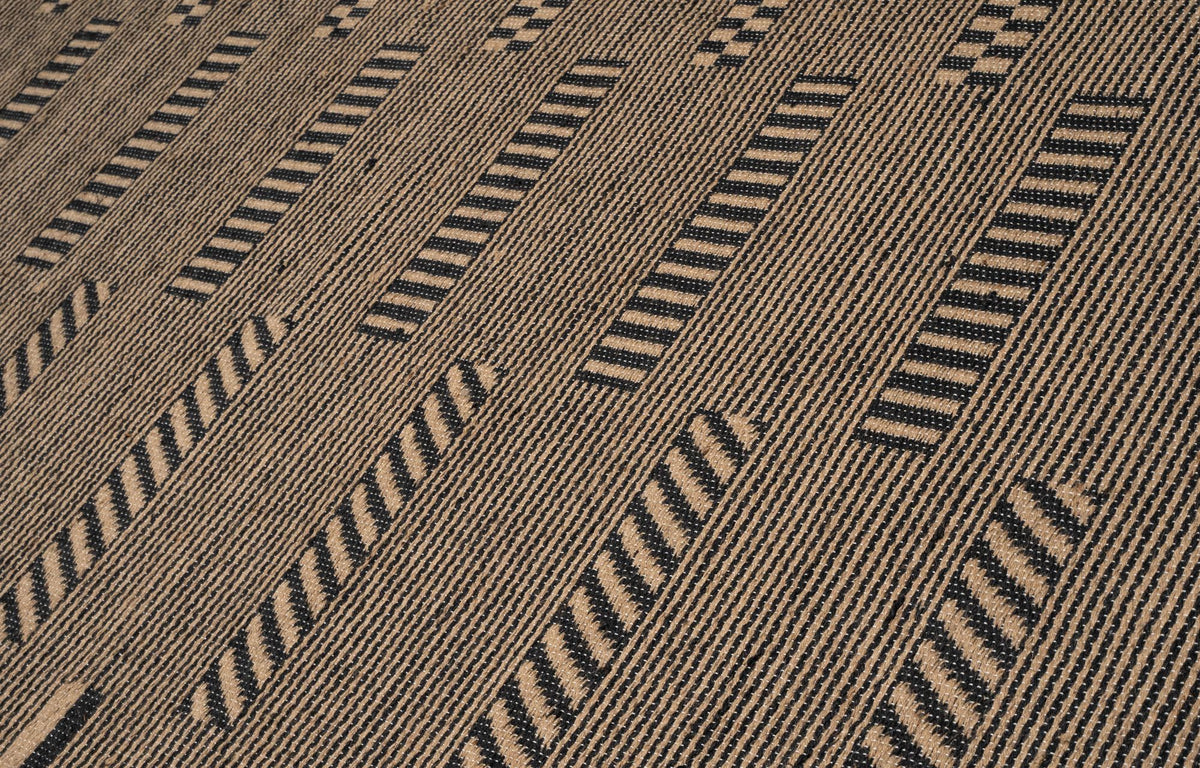
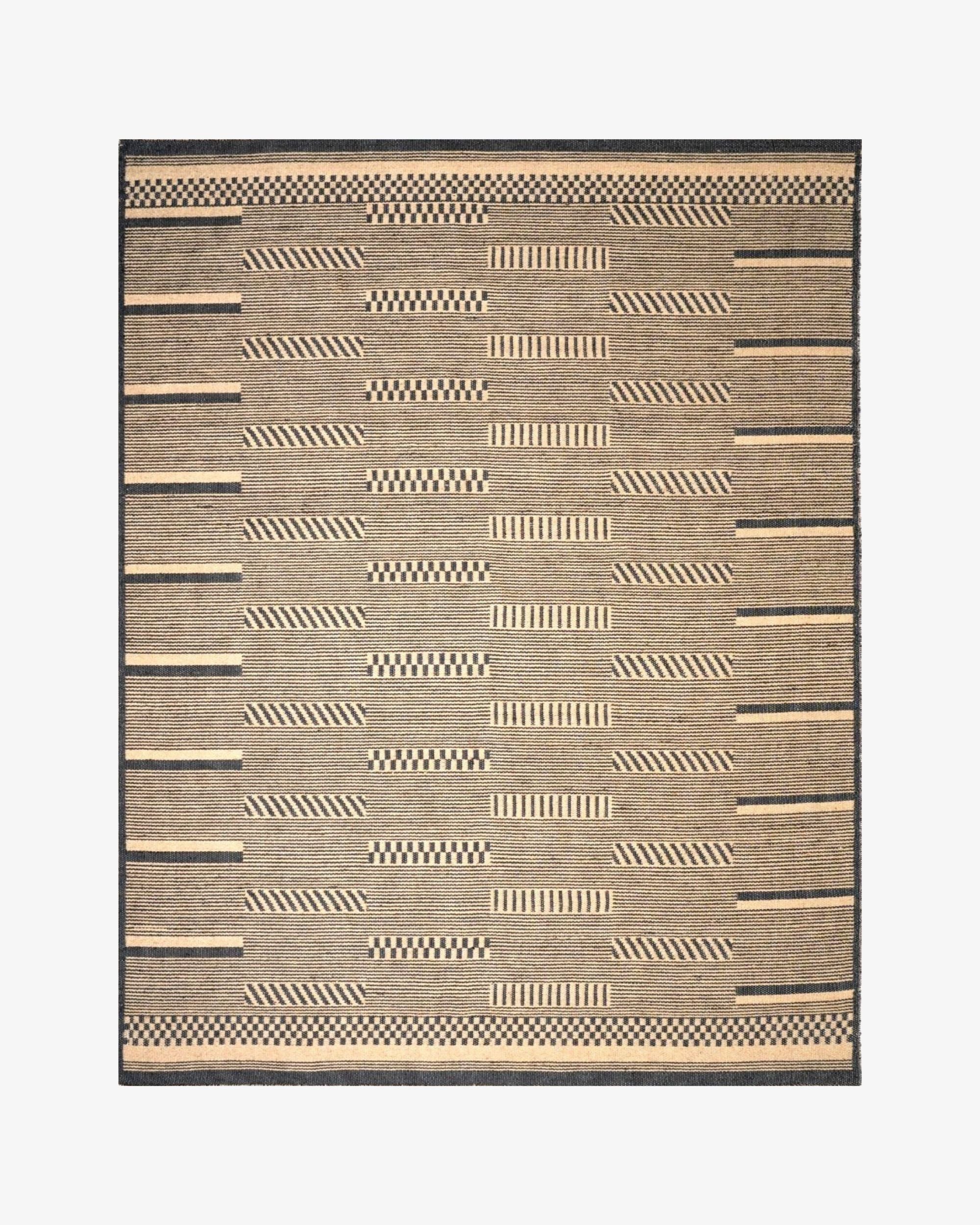
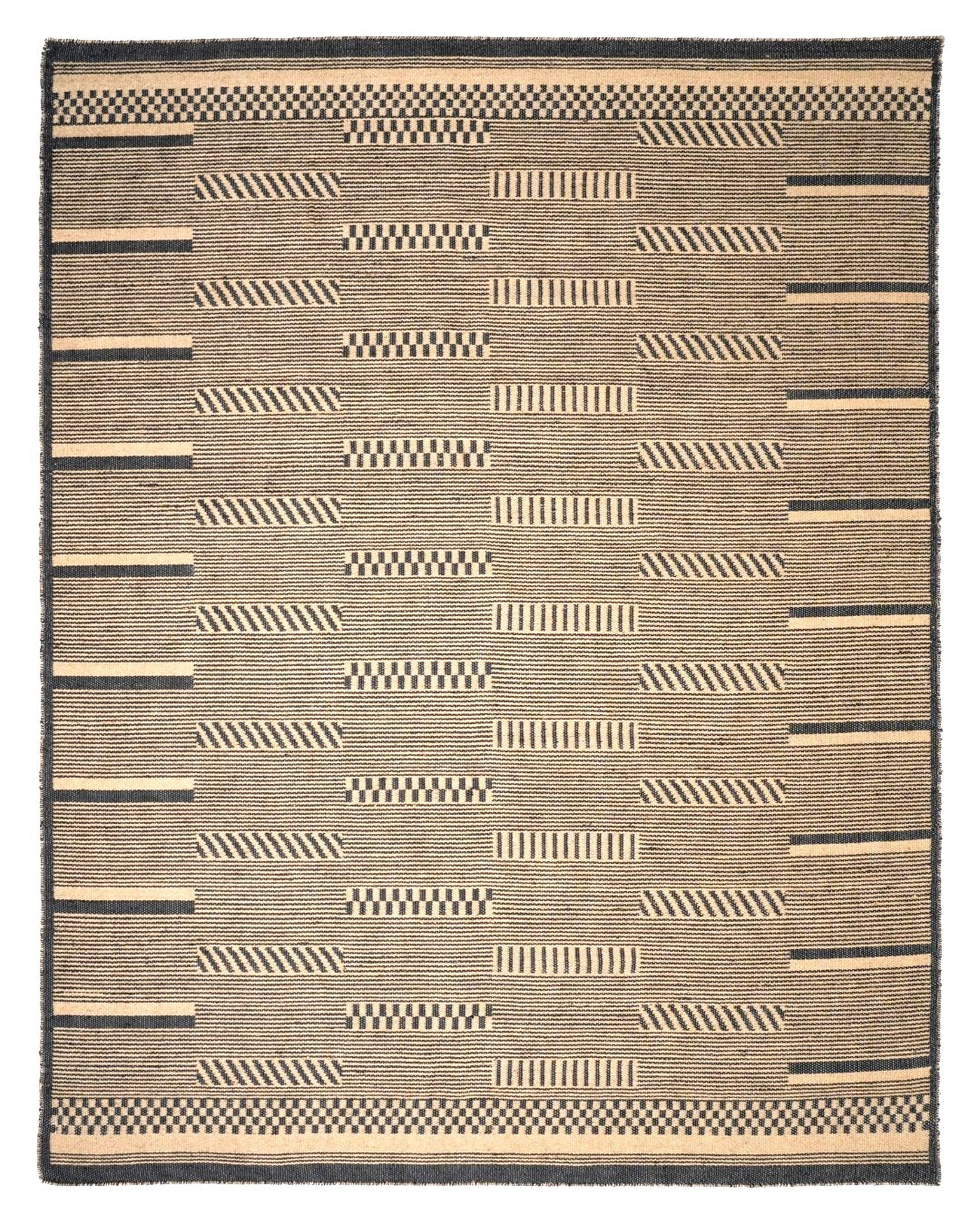
The Pampas Jute Rug is handwoven in natural and charcoal jute with bands, checks and short stripes, from about ₹23,520 for 5x8 ft, inclusive of GST at the time of writing. The Masai Jute Rug is handwoven at 10 mm with dark lines and triangles on natural jute, from about ₹23,520 for 5x8 ft, inclusive of GST at the time of writing. Both are part of the natural jute rugs.
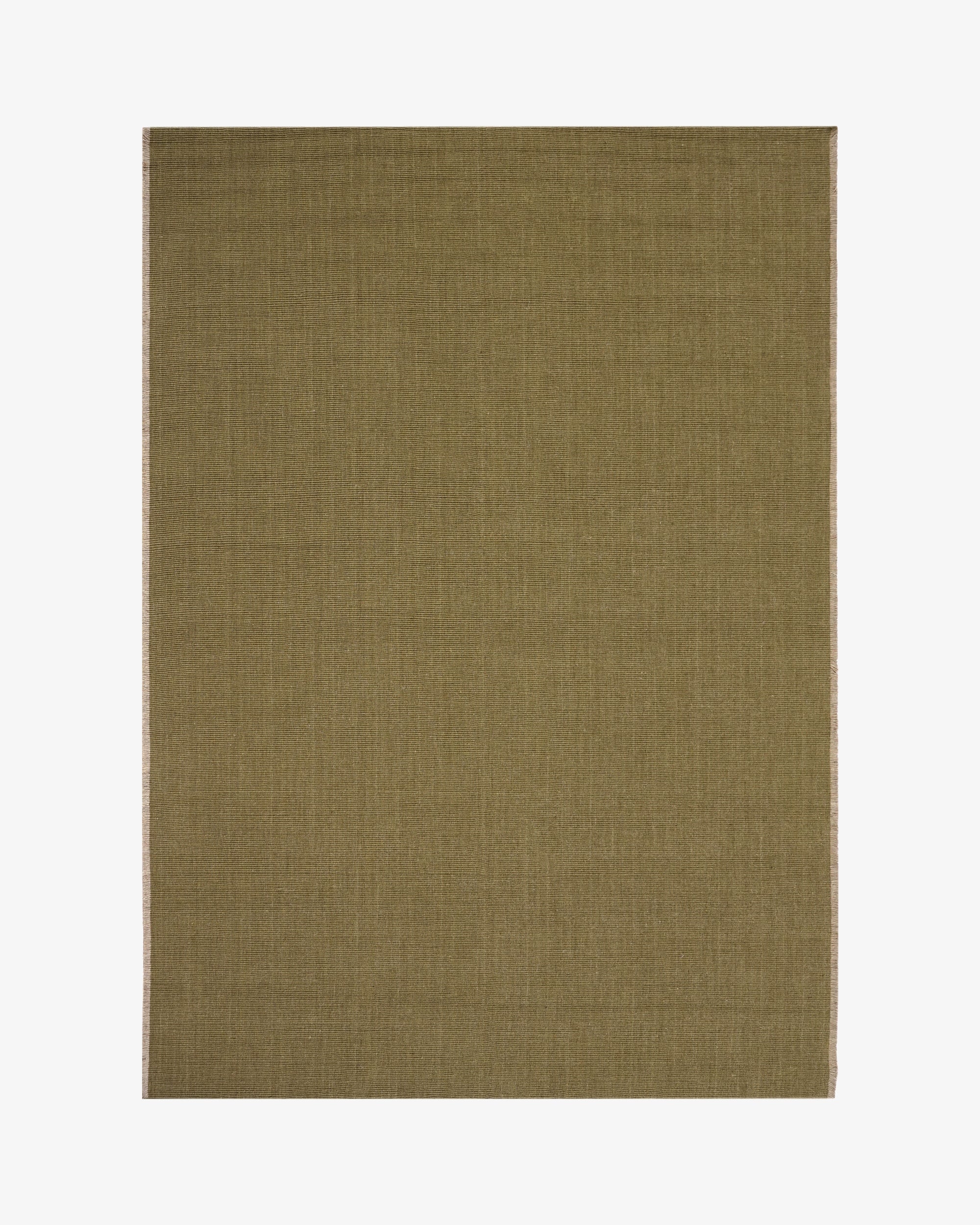
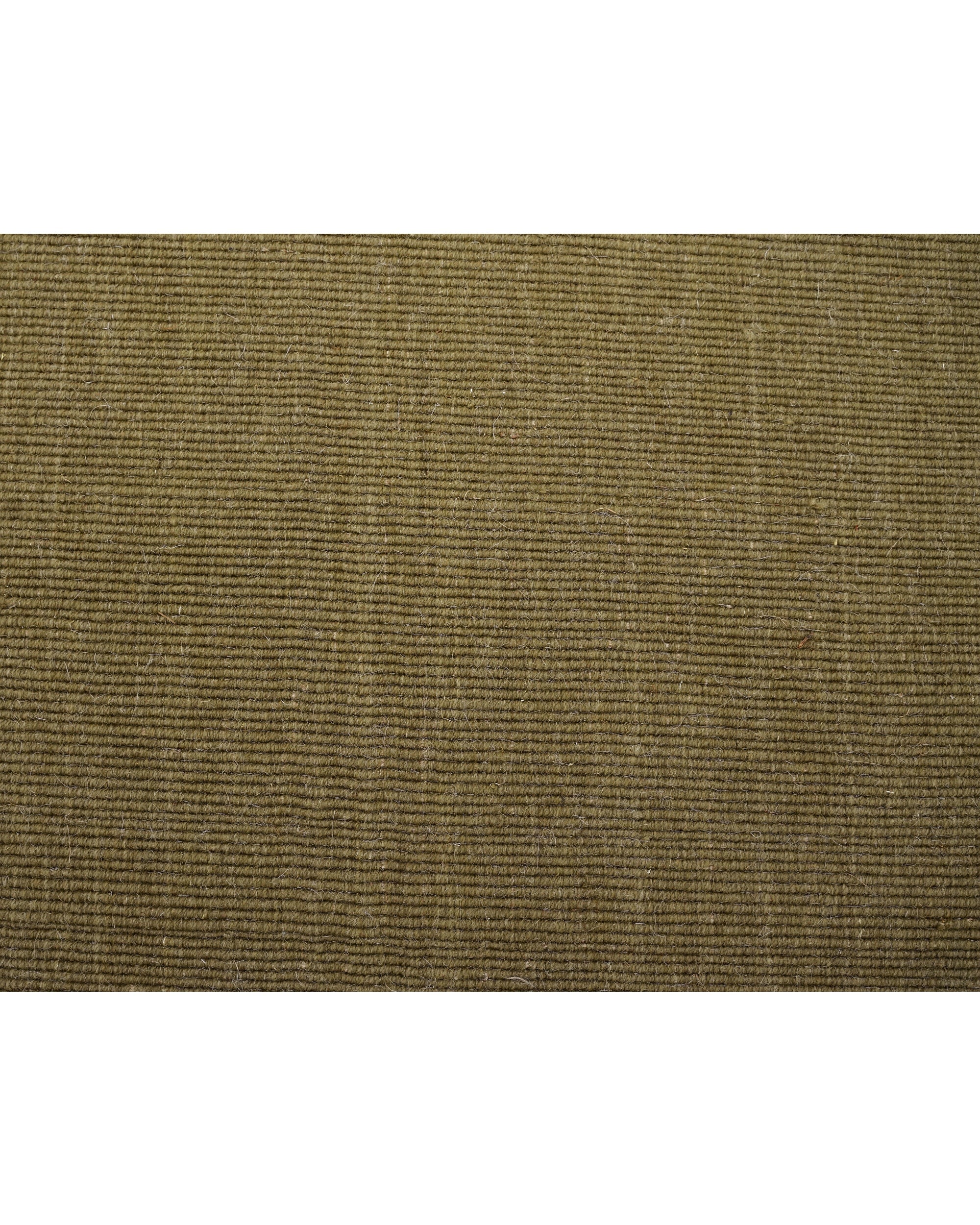
For the rains, the Grain Wool Rug in Sage is handloom woven in New Zealand wool with a low 12 to 14 mm surface and a soft green that sits well with the views of hills and trees, from about ₹31,080 for 5x8 ft, inclusive of GST at the time of writing. The Cabra Wool & Jute Rug in Olive is a firm handloom weave at 7 to 8 mm, from about ₹28,560 for 5x8 ft, inclusive of GST at the time of writing.
How should you use the dry Guwahati winter?
Use the dry winter months in Guwahati to clean, air and reset every rug in the house, because November to February gives the clear days and low humidity that the monsoon never does. It is the season to make up for the rains.


In early November, once floors are dry to the touch, send wool rugs that spent the monsoon on the ground floor for professional cleaning. Lay them out in bright shade on a dry afternoon before they go back down, and check the backs for any spotting. Bring the jute rugs out of storage and let them air for a day before laying them.
Winter is also the time to turn rugs end to end, so wear and light are shared, and to look at underlays, which flatten over a year of use. In March, as the first storms approach, reverse the routine: jute rolled and raised, wool cleaned and down, ground floor rugs kept small enough to lift in a hurry.
Frequently asked questions
Is a wool rug too warm for a Guwahati summer?
No. A low handloom wool rug of 12 to 14 mm feels cool under a ceiling fan and handles humid air better than most synthetic rugs. Deep piles of 18 mm and more are better kept for winter or air conditioned bedrooms.
Can a rug go on the floor of an Assam type house with gaps between the boards?
Yes, with a thin felt underlay. The underlay stops grit and damp air rising through the gaps from reaching the back of the rug, and it keeps the rug from catching on raised board edges.
How often should I lift a rug in the Guwahati monsoon?
Fold it back once a week and let the floor beneath air under the fan for an hour. On a ground floor or near a garden door, do it twice a week, and check the back for spots or a musty smell each time.
Which rug size is easiest to save from waterlogging?
Sizes of 5x8 ft and 6x9 ft are the easiest, because one person can roll and lift them quickly. In ground floor rooms at risk of water, two smaller rugs are safer than one large one.
Does Rugberry make jute rugs in custom sizes?
Yes. Rugberry makes its jute rugs, including Masai, Pampas and Kora, in any size to order, so a rug can fit a verandah room or the space between doors in an older house.
Plan for the river and the rain, and enjoy the clear winter they leave behind. Begin with the jute rugs for the dry months. Material first.



Leave a comment
This site is protected by hCaptcha and the hCaptcha Privacy Policy and Terms of Service apply.