





Rugs for Visakhapatnam Homes: Sea Breeze and Glare
A rug in a sea facing Visakhapatnam flat must stay put in a strong breeze, hold its colour in morning glare off the Bay of Bengal and survive salty, humid air. Choose dense wool or a firm wool and jute weave in a mid tone, anchor it with furniture and plan for cyclone weeks.
In short
- In a sea facing Visakhapatnam flat, the breeze through open balcony doors is the first test of a rug: heavier, denser rugs anchored by a sofa stay flat, light thin rugs lift and creep.
- Glare off the sea comes in from the east in the morning, so rugs in Visakhapatnam living rooms near the balcony fade unevenly unless they are turned every few months.
- Dense New Zealand wool and firm wool and jute weaves cope better with salty, humid coastal air than loose jute or deep, soft piles that hold moisture.
- Rugberry rugs for coastal flats include the hand tufted Euphoric in blue and ivory, the handloom Cabra in Sand and the handloom Grain in Flax, each made in any size to order.
What does a sea facing flat in Visakhapatnam do to a rug?
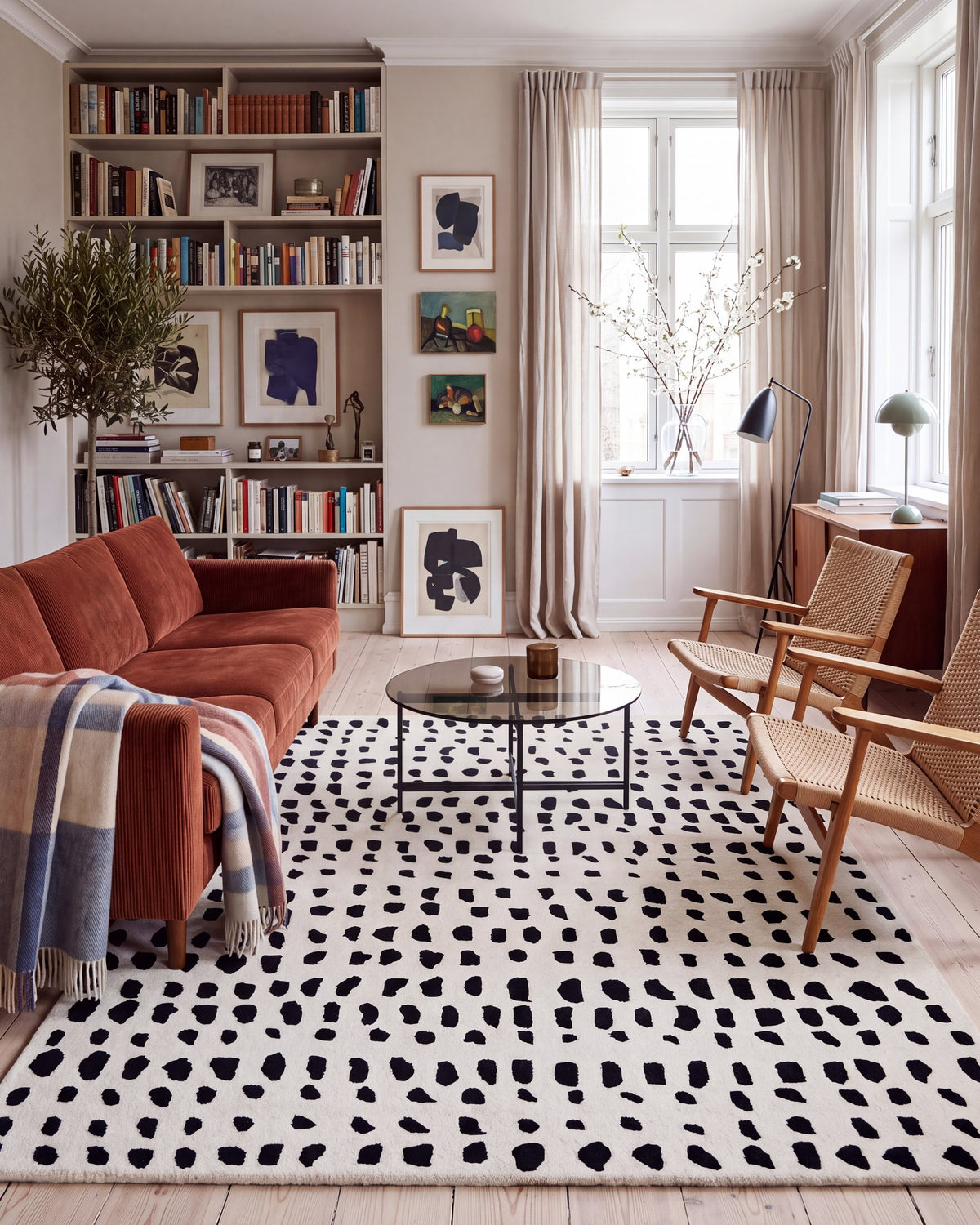
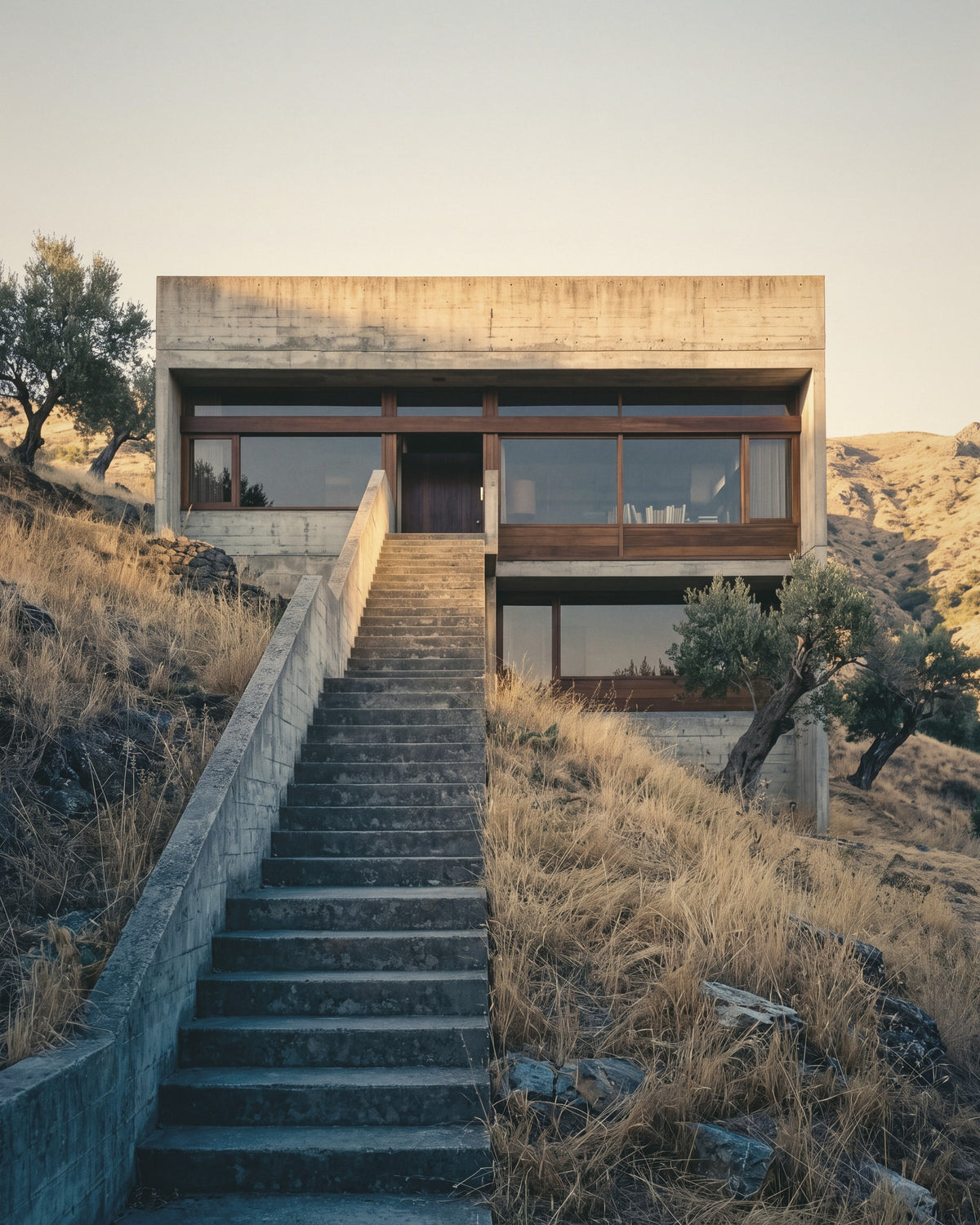
A sea facing flat in Visakhapatnam puts a rug through three forces at once: wind, light and salt carried on humid air. Most homes along Beach Road, the stretch towards Rushikonda and the newer towers around the city were built to catch the sea breeze, so balcony doors stand open for much of the year.

That breeze is what makes the flat pleasant, and it is also what moves a rug. Air pushing under a light rug lifts its leading edge, and over a few weeks the rug walks across a polished floor towards the wall. Fringes flip over and tangle, and fine sand from the beach settles into the pile.
The light is just as strong. The coast here faces east, so the low morning sun reflects off the water straight into living rooms that open to the sea. The third force is quieter: humid air with a little salt in it, which settles on everything near an open window and keeps a rug from ever drying out completely in the wettest months.
Will the sea breeze lift or move a rug?
Yes, a light rug near an open balcony door in Visakhapatnam will lift and creep, while a dense rug held down by furniture will stay where you put it. Weight and grip matter more here than in an inland city, because the breeze arrives every afternoon rather than on the odd stormy day.


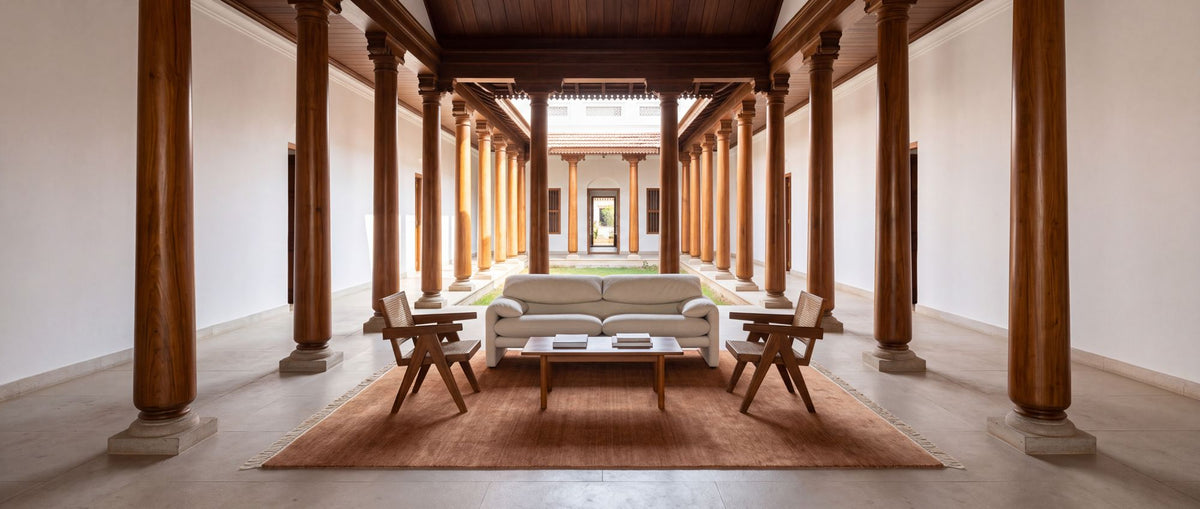
Three simple measures solve most of the problem: first, size the rug so the front legs of the sofa and both armchairs stand on it, which pins the edge closest to the sea. Second, lay a felt or felt and rubber underlay cut 2 to 3 cm smaller than the rug on every side, so the edge sits flat on the floor. Third, keep the long side of the rug parallel to the balcony doors, which gives the wind a shorter edge to work under.
Fringes deserve a thought too, because a rug with a long knotted fringe at the end facing the balcony will have that fringe blown over and back every day, and the fibres wear at the fold. Choose a bound or serged edge for that side, or turn the rug so the fringed ends run along the side walls. Our guide to rug pads in India compares underlay types for vitrified and marble floors.
Weight is easy to check before you buy. Ask for the weight of the size you want and compare it with a lighter rug of the same size: in a breezy flat, the heavier rug with the denser pile is nearly always the calmer one to live with.
How quickly will sea glare fade a rug, and which colours hold up?
Sea glare fades the part of a rug nearest the window first, so the visible problem in Visakhapatnam is uneven fading rather than overall loss of colour. A strip one or two feet deep along the balcony side can lighten noticeably over a few years while the rest of the rug stays true.

Light reflected from water is bright and comes in low, under the line of any awning or balcony slab above. Sheer linen curtains drawn in the morning cut most of it, and a UV film on the glass helps where the doors stay shut through the summer air conditioning season. The single most useful habit is to turn the rug end to end every three to four months, which shares the light across both halves.
Colour choice helps as well, since mid tones such as sand, flax, oatmeal, slate blue and soft grey hide gradual change, because the shift is small against the base colour. Saturated reds and deep blacks show the line between faded and unfaded pile most clearly. Our longer guide to sunlight and rug fading explains why some dyes hold better than others.
In a flat that faces the sea, the rug that lasts is the one you turn every season.
Which fibre handles salty, humid air in a high rise?
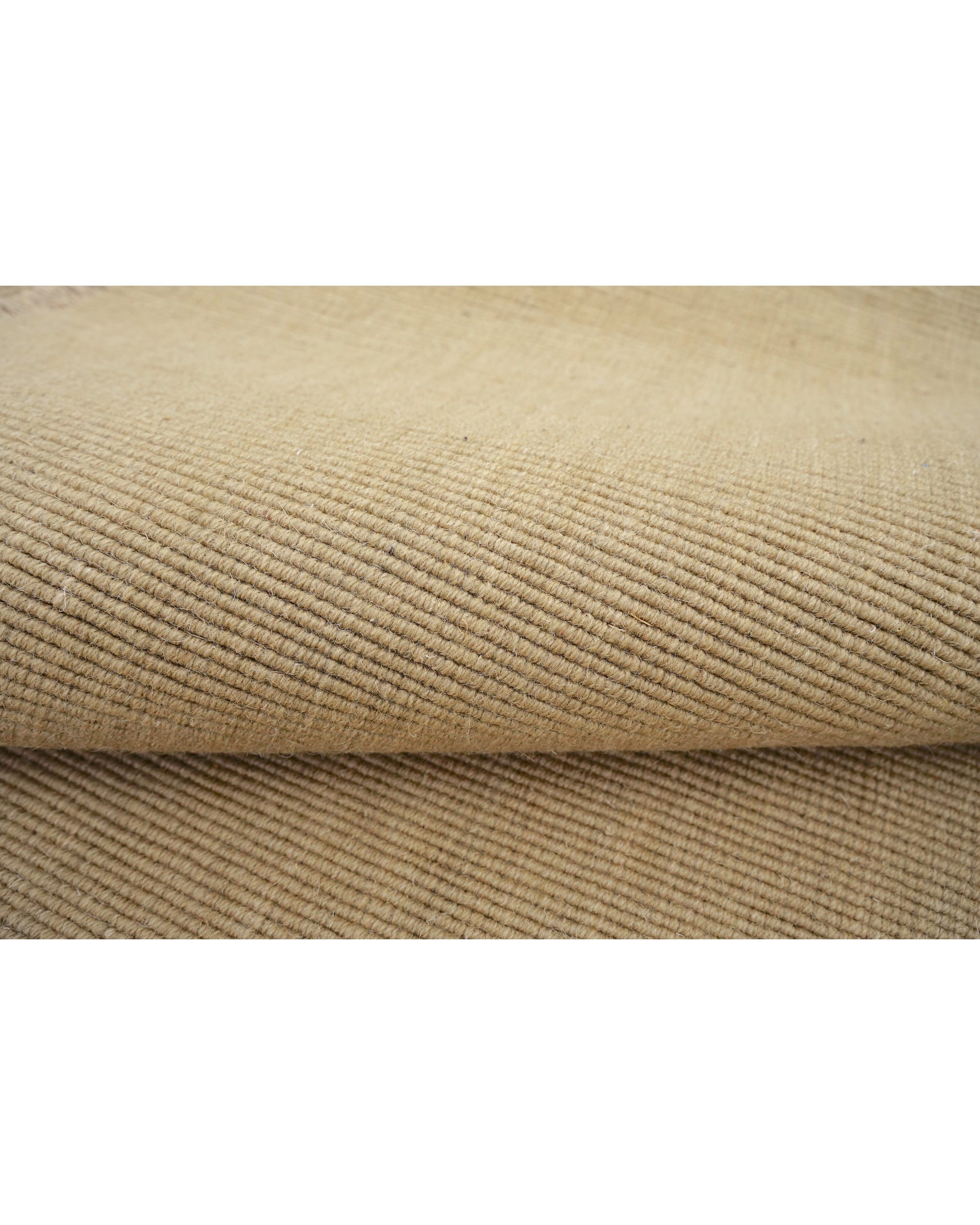
Dense New Zealand wool and firm wool and jute weaves handle humid coastal air best, because wool takes up moisture and gives it back without going limp, and a tight weave dries evenly. Loose jute and very deep piles are the fibres to treat with more care by the sea.


Wool fibres hold a fair amount of water vapour within the fibre itself before they feel damp, which is why a wool rug in a humid flat still feels dry to the hand. Jute is a plant fibre that swells and can brown or smell musty if it stays damp for long, so it suits upper floor rooms with good airflow, not the area just inside a balcony door where driven rain can reach. Our guide to preventing mould under rugs in coastal cities covers the floor side of the problem.
| Rug type | Sea breeze | Glare | Humid, salty air | Best place in a Visakhapatnam flat |
|---|---|---|---|---|
| Hand tufted New Zealand wool, 14 to 16 mm | Heavy, stays flat with an underlay | Mid tones hide fading well | Copes well, dense pile dries evenly | Living room in front of the sofa |
| Handloom wool, 12 to 14 mm | Firm, lies very flat | Pale tones barely show change | Copes well, low surface airs quickly | Bedrooms and dining areas |
| Handloom wool and jute, 7 to 8 mm | Firm and fairly heavy for its depth | Natural tones age gently | Good if kept off wet floors | Entrances and passages away from the balcony |
| Handwoven jute, 10 mm | Firm, needs furniture on it | Natural colour is forgiving | Needs dry floors and airflow | Inner rooms, dry months |
| Handwoven reversible, flat | Light, will lift without anchoring | Two faces to rotate between | Thin and quick to air | Study or bedroom with doors shut |
Verdict: for the main room of a sea facing Visakhapatnam flat, choose a dense New Zealand wool rug in a mid tone over a light flat rug or loose jute, because it stays down in the breeze, hides gradual fading and dries evenly in humid air.
What happens to a rug when the windows stay shut for a cyclone?
When a cyclone warning keeps a Visakhapatnam flat sealed for days, the risk to a rug moves from wind and sun to trapped moisture and driven rain. The city remembers how hard Cyclone Hudhud struck in 2014, and the October to December season brings regular warnings along this coast.
Before a storm, roll any rug that lies within a metre of the balcony doors, because rain is often forced under sliding doors and along the floor. Roll it pile side in, wrap the roll in a cotton sheet rather than plastic, and stand it on a bed or table in an inner room. Rugs in inner rooms can stay down, but move them a little away from external walls that tend to sweat.
After the weather clears, open every window, run the ceiling fans and check the floor under each rug with your palm before you relay anything. If a rug did get wet, the steps in our guide to a rug soaked by a leak or flood apply: get the water out fast, dry it flat with air moving on both sides and keep it out of direct midday sun.
Keep a simple storm kit with the rugs in mind: a spare cotton sheet for each rug you would roll, a couple of old towels to lay along the inside of the balcony door, and space cleared on a bed or table in an inner room. Ten minutes of preparation saves a week of drying.
Which Rugberry rugs suit a Visakhapatnam flat?
The Rugberry rugs that suit a Visakhapatnam flat best are dense wool pieces in sea and sand tones, with a firm wool and jute weave for entrances. Each can be made in any size to order, which matters in towers where living rooms are wide but shallow.


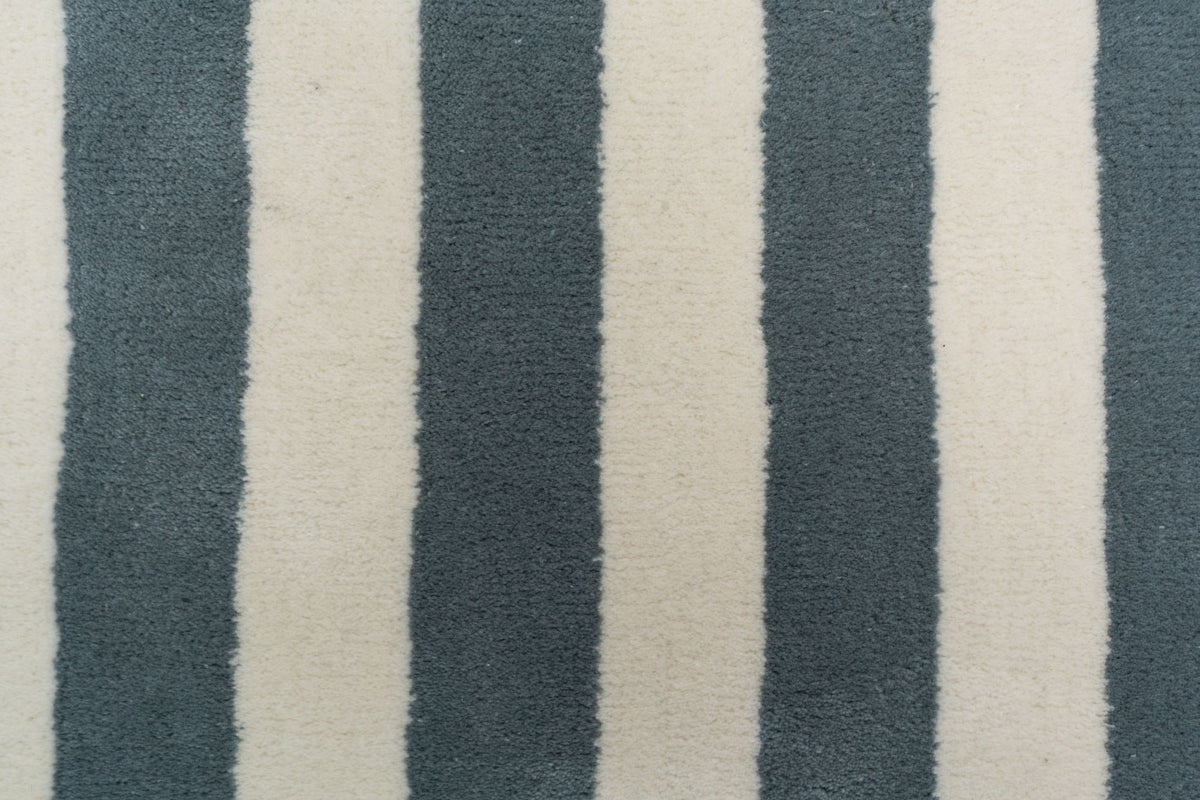
The Euphoric Wool Rug carries slate blue stripes and a loose branch drawing on an ivory ground, a pattern that sits naturally in a room looking at the water without leaning on shells or anchors. It is hand tufted in New Zealand wool with a 14 to 16 mm pile, from about ₹33,600 for 5x8 ft, inclusive of GST at the time of writing.
For a quieter field, the Grain Wool Rug in Flax is handloom woven with a low, close surface of 12 to 14 mm, a colour that barely shows the slow change that glare brings. It is from about ₹31,080 for 5x8 ft, inclusive of GST at the time of writing, and the wider Grain collection runs from flax to umber.
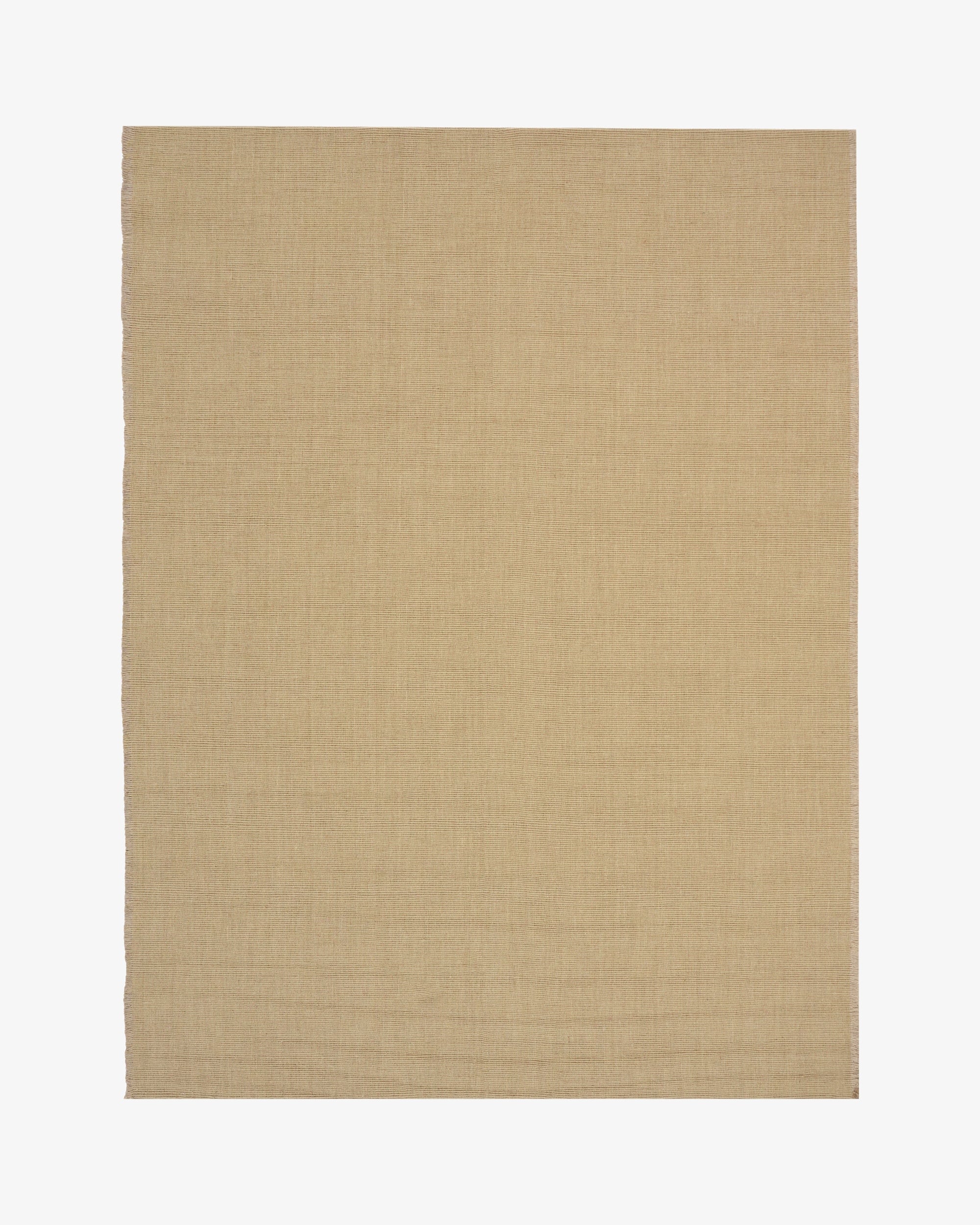
The Cabra Wool & Jute Rug in Sand is the firm, flat option for the entrance and the passage to the bedrooms, where sandy feet arrive first. It is from about ₹28,560 for 5x8 ft, inclusive of GST at the time of writing. For a study with the doors usually shut, the Noir Reversible Rug is handwoven, flat and light, with two usable faces, from about ₹21,840 for 5x8 ft, inclusive of GST at the time of writing; anchor it well if a window is ever left open.
How do you keep a rug clean between the beach and home?
The simplest way to keep a rug clean in a Visakhapatnam home is to stop the sand at the door and vacuum the rug twice a week. Fine beach sand is sharp, and once it works down to the base of the pile it cuts the fibres each time someone walks across.
A coir or rubber mat outside the door and a washable cotton mat inside catch most of it. Shoes off at the entrance, as most Visakhapatnam homes already do, makes the rest easy. Vacuum in the direction of the pile with suction only, without a beater bar on a wool rug, and once a month turn the rug over and vacuum the back to shake loose the grit that sinks through.
On a dry, breezy day in the cooler months, roll the rug out on the balcony floor in shade for an hour, pile side up. Air moving through the fibres freshens wool far better than any spray, and it brings out the last of the sand. For our wider coastal advice, see coastal modern rugs without the cliches and rugs for Chennai homes.
Frequently asked questions
Is a wool rug too warm for a Visakhapatnam summer?
No. A dense wool rug with a pile of 12 to 16 mm feels cool to the touch under a ceiling fan, because wool does not trap heat the way synthetic shag does. Deep piles of 18 mm and more are better kept for air conditioned bedrooms.
Can I keep a rug on a sea facing balcony?
Only for a few hours at a time. An open balcony takes driven rain, strong sun and salt spray, which shorten the life of any wool, jute or reversible rug. Bring it in at night and through the monsoon, and choose a covered sit out for anything more permanent.
Which rug colour hides beach sand best?
Sand, flax, oatmeal and soft grey tones hide fine beach sand best, because the grains match the pile. Very dark rugs show every grain, and plain bright white shows the grey dust that comes in with the breeze.
How do I stop a rug moving on a vitrified tile floor?
Use an underlay cut slightly smaller than the rug and stand the front legs of the sofa and chairs on it. On glossy vitrified tile, a felt and rubber underlay grips best, and a heavier rug moves far less than a thin one.
Does Rugberry make rugs in custom sizes for wide, shallow living rooms?
Yes. Rugberry makes its rugs in any size to order, so a rug can follow the width of a tower living room and stop short of the balcony door. The Rugberry Design Lab and the team can help you set the size before you order.
A home by the sea asks for a rug that stays calm in the wind and patient with the light. Start with the living room rugs, and keep the sand at the door. Material first.





Leave a comment
This site is protected by hCaptcha and the hCaptcha Privacy Policy and Terms of Service apply.