


Rugberry Journal

Rugs on Kota, Granite and Stone Floors
Kota, granite and Jaisalmer stone each have a strong colour of their own. Here is how to choose a rug that sits well on each, either in tone or in contrast.
Read more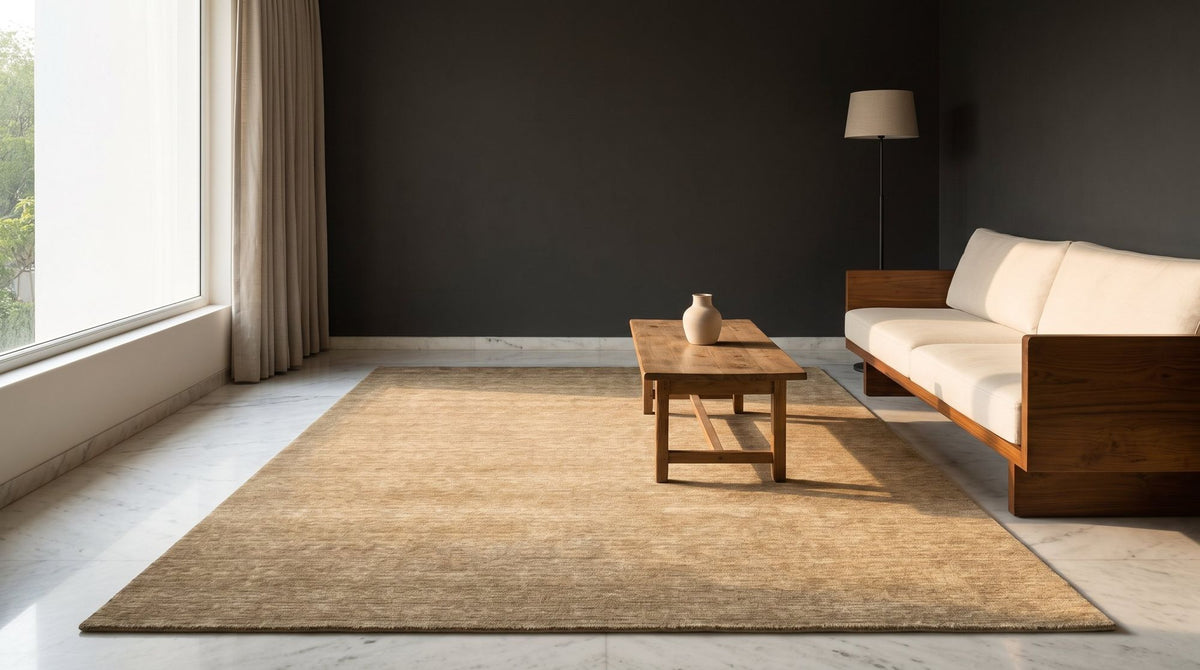
A Daily Rug Routine for Busy Households
Most rug damage in Indian homes comes from the daily jhadu and pocha. Here is a simple routine your household help can follow instead.
Read more
Fringe on Rugs: Why Some Have It
Fringe is the warp of a knotted or woven rug, left long past the last row. Here is why some rugs have it, and how it fares in a busy Indian home.
Read more
Rugs and Dust in Indian Cities
Dust is part of life in Delhi, Bengaluru and Pune. The right rug surface and a steady routine keep it from settling into the pile for good.
Read more
Handwoven Flatweave Rugs Explained
A flatweave is a rug woven from warp and weft alone, with no pile standing up. If you grew up with a cotton dhurrie, you already know the family.
Read more
Wool vs Cotton Rugs: A Practical Comparison
Most Indian homes grew up with a cotton dhurrie. Here is how it compares with a wool rug for feel, spills, washing and wear, and when each is the right choice.
Read more
Dhurrie vs Rug: What Is the Difference
A dhurrie is flat woven with no pile, so it is light, often reversible and easy to shake out. A pile rug is softer and heavier. Here is how to choose.
Read more
Persian vs Tibetan Knot: What Differs
Both knots tie yarn to the warp, but in different ways. Here is how each is made, what it does to a design and what to ask before you buy.
Read more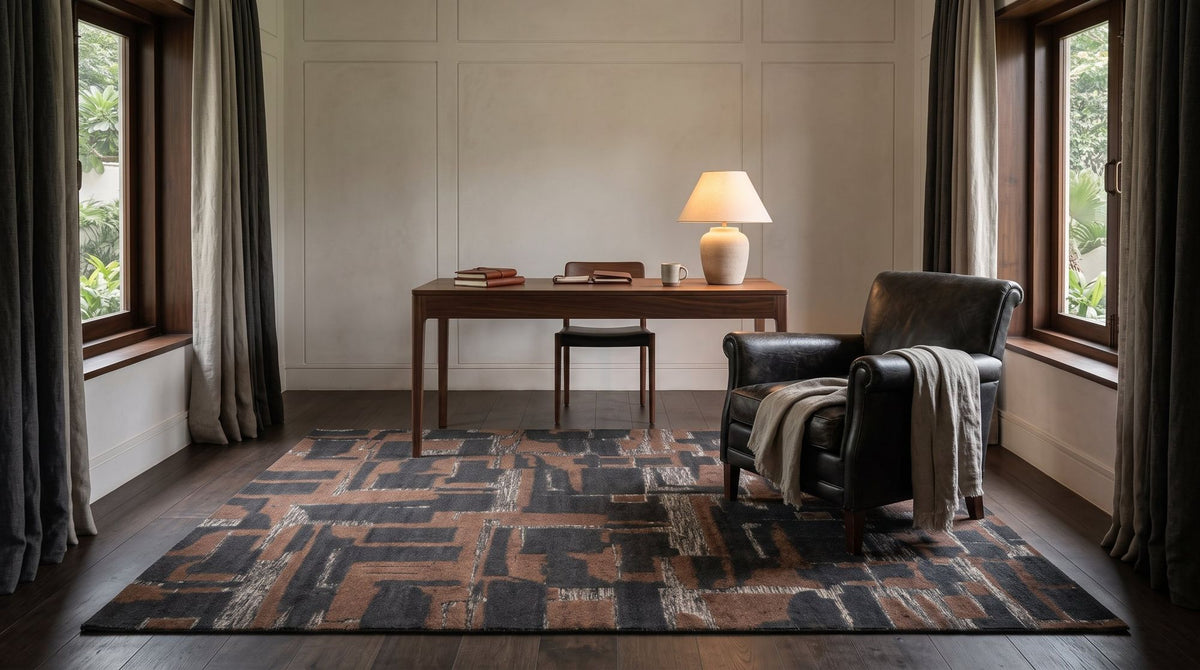
Durability by Construction: Knotted to Woven
Hand knotting is the most durable way to make a rug, but it is not the only sound choice. Here is how each construction ranks, and where each belongs.
Read more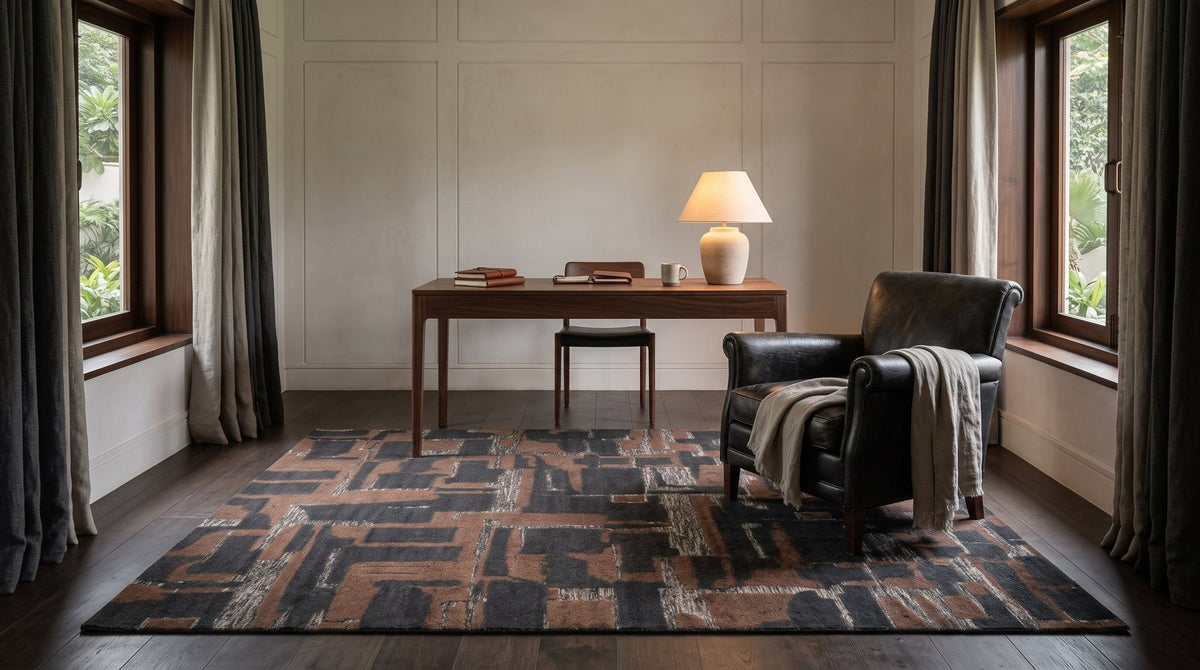
Hand Spun vs Machine Spun Yarn
Hand spun yarn varies in thickness and twist along its length, much like khadi. That irregularity changes the texture and colour of a rug. Here is how.
Read more